Promontory Summit
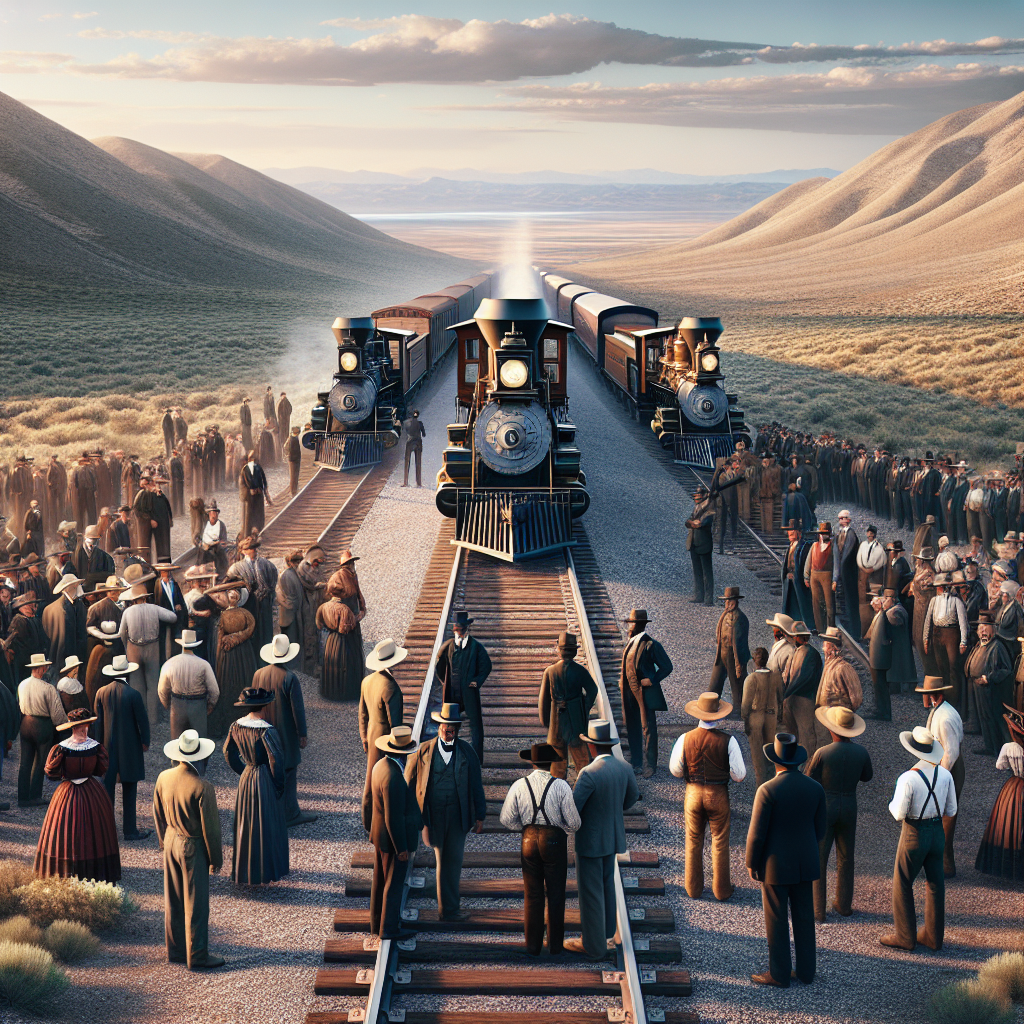
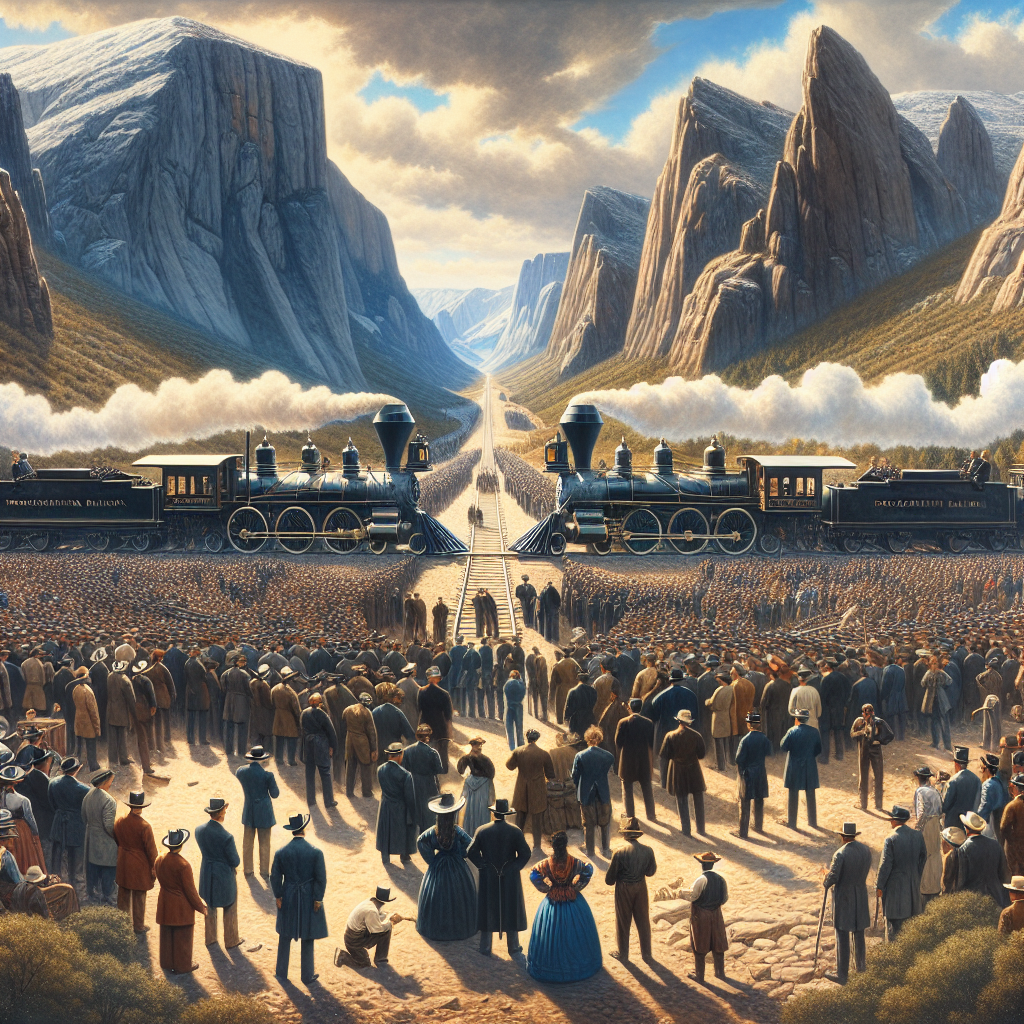
On May 10, 1869, a crowd of railroad workers, officials, and reporters gathered at a barren stretch of Utah desert called Promontory Summit to watch two locomotives pull nose-to-nose across a polished laurel tie, while a ceremonial golden spike was tapped — gently, so as not to bend it — into the final joint of track. When the tap registered on the telegraph line, the signal went simultaneously to San Francisco and New York, where cannons fired and crowds erupted. The first transcontinental railroad was complete. A journey that had taken four to six months by wagon now took six days by rail.
The construction had been one of the great engineering feats of the century, accomplished under brutal conditions by workforces that history spent too long not fully crediting. The Central Pacific, building east from Sacramento, employed tens of thousands of Chinese laborers — most of them immigrants who had come during the Gold Rush — blasting through the Sierra Nevada with nitroglycerin and hand drills. The Union Pacific, building west from Omaha, relied heavily on Irish immigrants and Civil War veterans. Neither group received a speaking role in the official ceremony photographs, which showed the railroads' executives shaking hands.
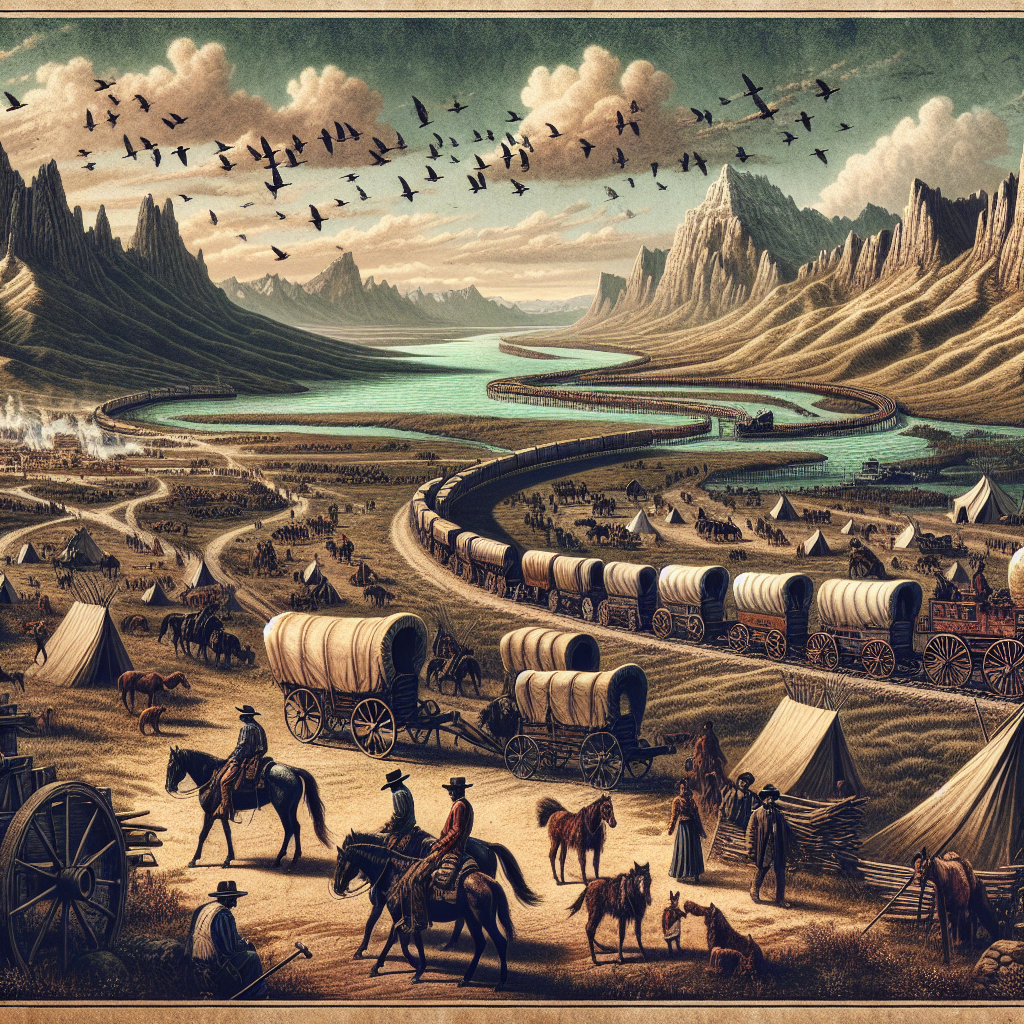
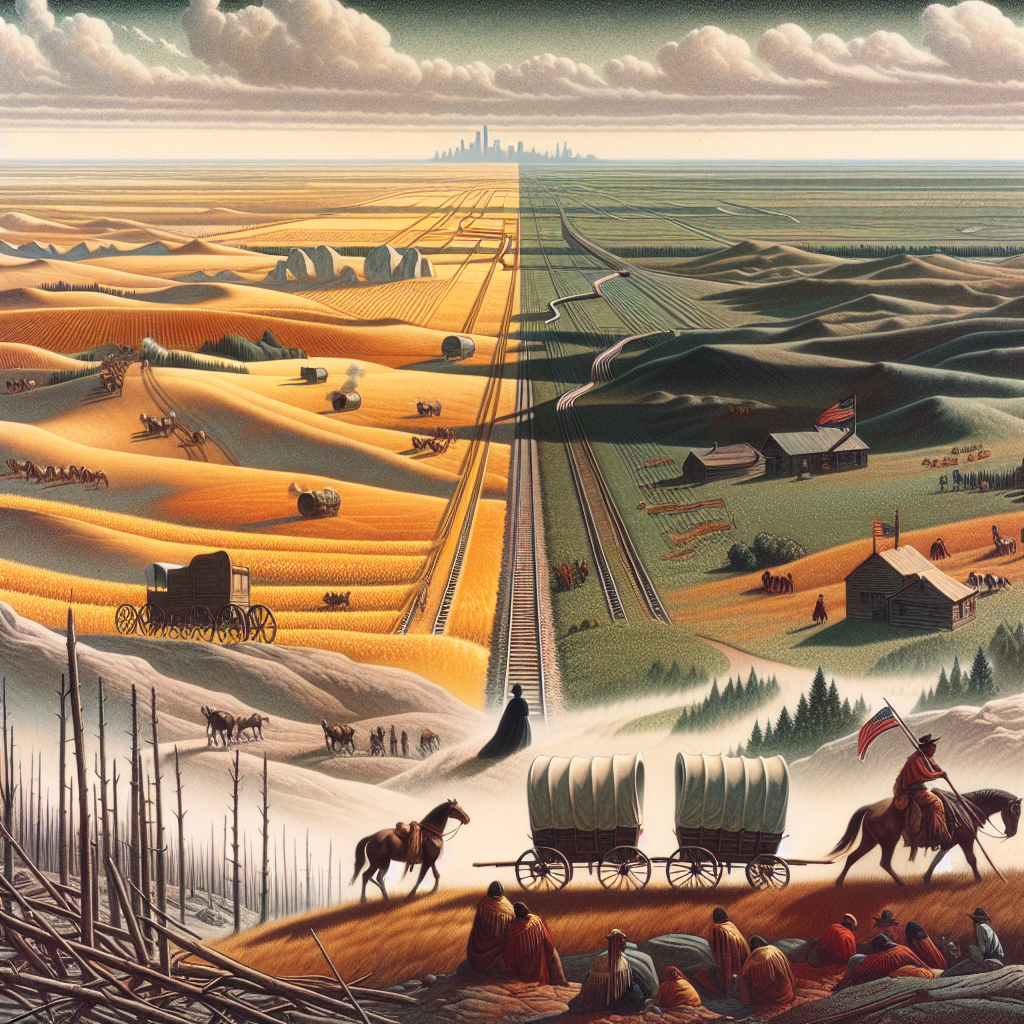
The transcontinental railroad transformed the American West faster than anything before it. Cattle towns, farming settlements, and mining camps sprang up along the route within months. The buffalo herds that had sustained Plains peoples for centuries were slaughtered systematically — first to feed work crews, then passengers — destroying the ecological foundation of Native life across the Great Plains. Promontory Summit itself was bypassed by a shorter route in 1904 and the original tracks torn up for World War I scrap metal. The Golden Spike National Historical Park now marks the site — a monument to both the achievement and its cost.


| Location | Promontory Summit, Box Elder County, Utah Territory |
| Date | May 10, 1869 |
| Event | Driving of the Golden Spike — completion of transcontinental railroad |
| Railroads | Central Pacific (west) and Union Pacific (east) |
| Workforce | Chinese laborers (Central Pacific); Irish immigrants and veterans (Union Pacific) |
| Travel Time | Coast-to-coast reduced from 4–6 months to 6 days by rail |
| Current Status | Golden Spike National Historical Park |
| Date | May 10, 1869 |
| Location | Promontory Summit, Box Elder County, Utah |