Chief Joseph
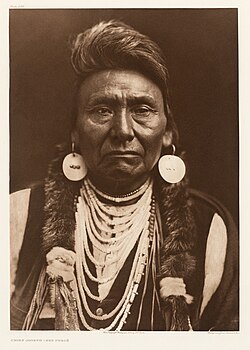
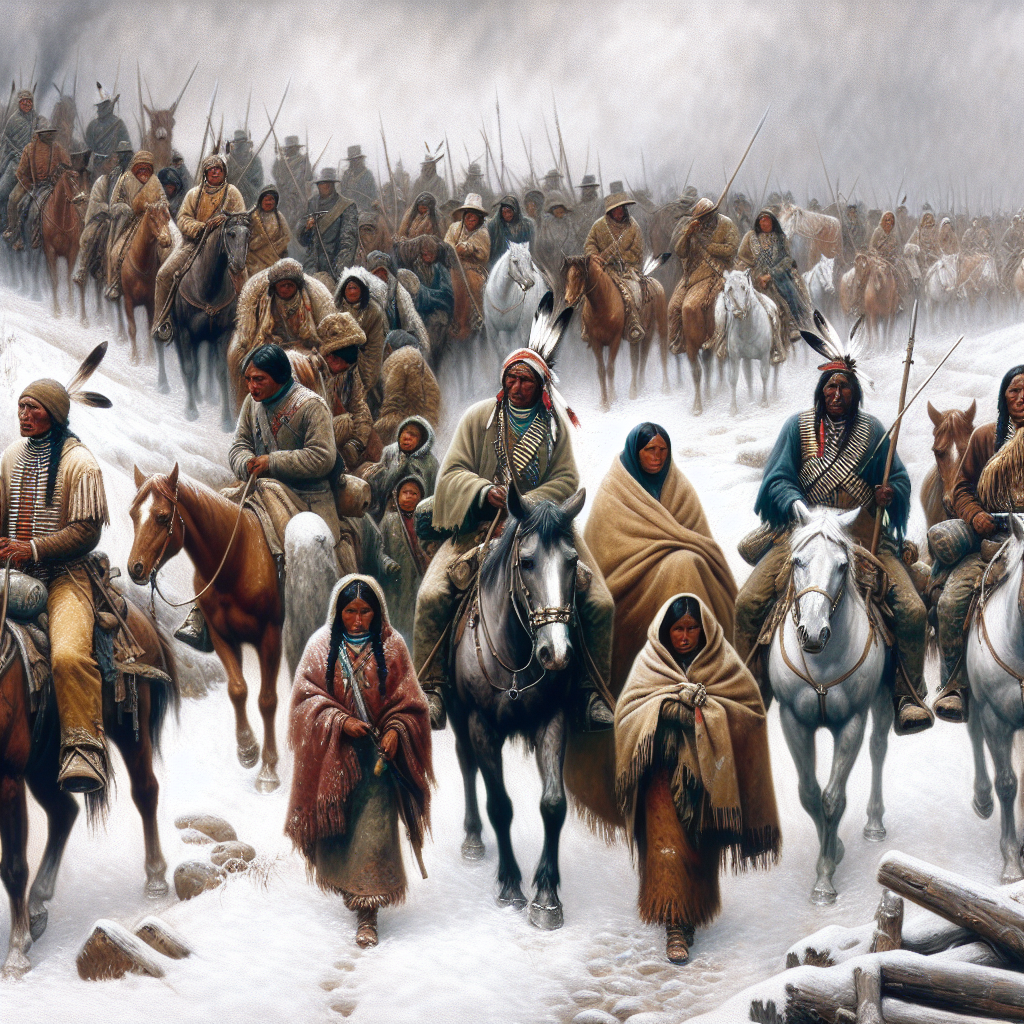
In the summer of 1877, Chief Joseph led roughly 800 Nez Perce men, women, and children on a 1,170-mile flight through the Rocky Mountains, pursued by the U.S. Army across four states. Known among his own people as Hin-mah-too-yah-lat-kekt — "Thunder Rolling Down the Mountain" — Joseph had not sought war. He sought only to keep his people's homeland in Oregon's Wallowa Valley, which the federal government had ordered them to vacate for a reservation. When that order came with an ultimatum and then with soldiers, he had no good choices left.
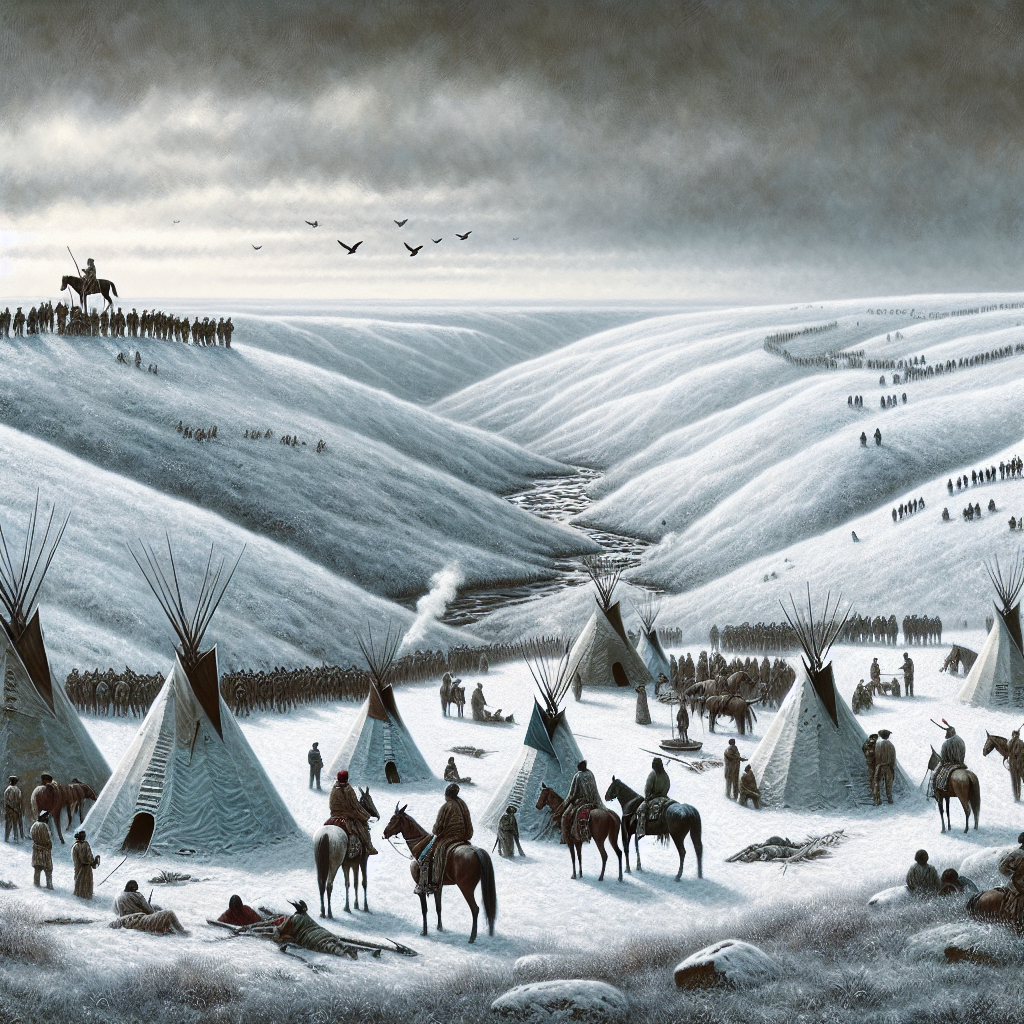
For nearly four months, the Nez Perce outmaneuvered and outfought a succession of Army commanders, winning engagements at White Bird Canyon and the Big Hole before cold, starvation, and exhaustion finally stopped them 40 miles from the Canadian border. When Joseph surrendered on October 5, 1877, his words — recorded by an Army officer — became among the most quoted in American history: a statement of grief and exhausted faith that has echoed ever since. The government's response was to ship the Nez Perce not to their homeland but to Kansas, and later to Oklahoma.
Joseph spent the rest of his life lobbying Congress and traveling to Washington to argue for his people's right to return to Wallowa. He met with Presidents Hayes and Roosevelt, never relenting and never returning home. He died on the Colville Reservation in Washington in 1904 — of what the reservation physician recorded as a broken heart. Whether or not that diagnosis was meant literally, it has proven impossible to improve upon.

| Born | c. 1840 — Wallowa Valley, Oregon Territory |
| Died | September 21, 1904 — Colville Reservation, Washington |
| People | Nez Perce (Nimiipuu) |
| Conflict | Nez Perce War, 1877 |
| Flight Distance | Approximately 1,170 miles across four states |
| Surrender | Bear Paw Mountains, Montana — October 5, 1877 |
| Post-War | Exiled to Kansas, then Oklahoma; eventually Colville, Washington |
| Years | 1840–1904 |
| Location | Wallowa Valley, Oregon / Colville Reservation, Washington |