Mexican-American War
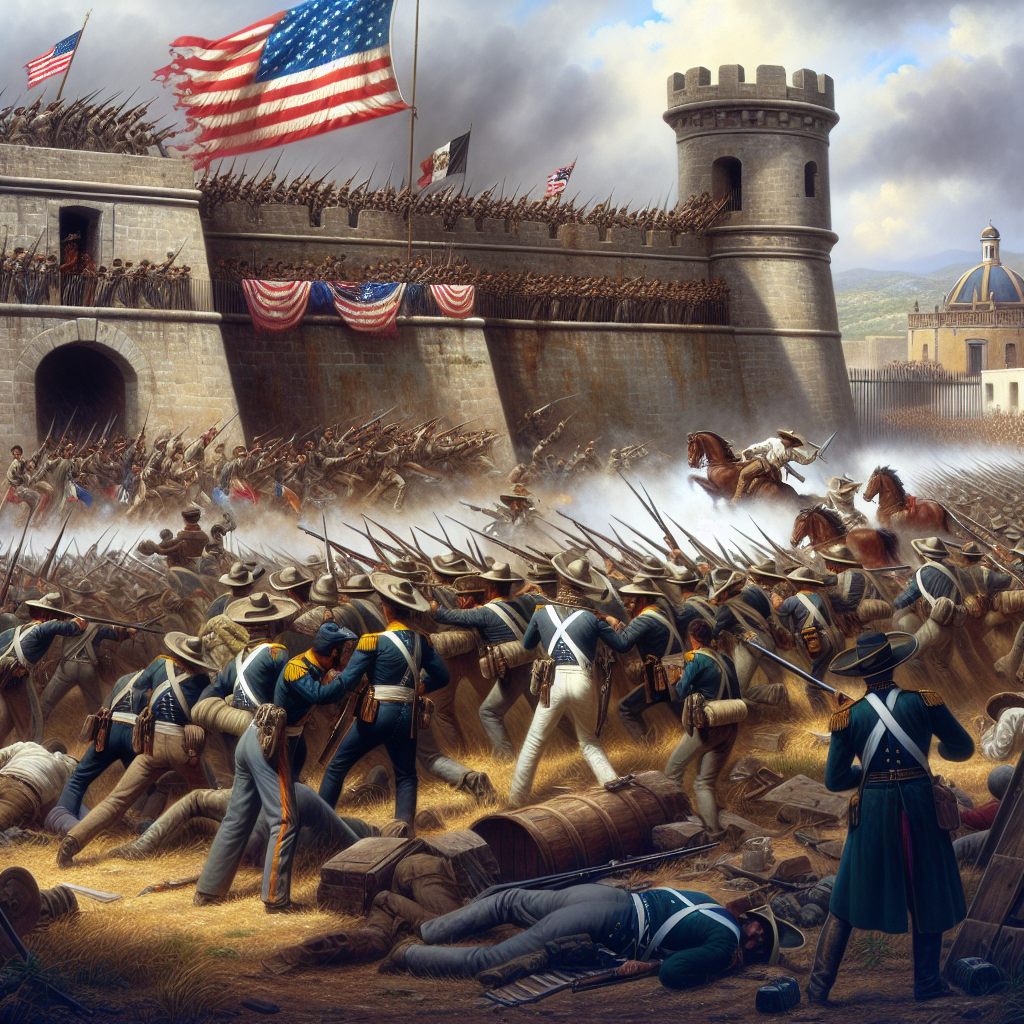
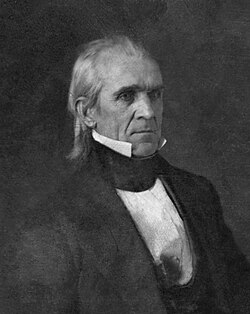
The Mexican-American War began with a lie, or at least with a deliberate provocation that President James K. Polk used as though it were one. In April 1846, Polk sent General Zachary Taylor's army into disputed territory between the Rio Grande and the Nueces River — land Mexico considered its own — where Mexican cavalry attacked an American patrol, killing 11. Polk told Congress that Mexico had shed American blood on American soil. Abraham Lincoln, then a freshman congressman, introduced the "Spot Resolutions" demanding to know the precise spot where the blood had been shed, correctly suspecting it was on contested ground. Congress ignored Lincoln, declared war, and Polk got his conflict. The United States seized California, Nevada, Utah, Arizona, New Mexico, and parts of Colorado and Wyoming in two years of fighting and paid Mexico $15 million for the privilege of having taken them.
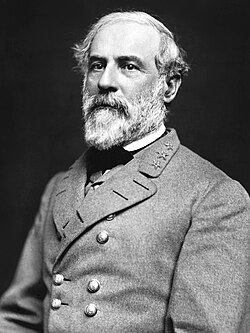
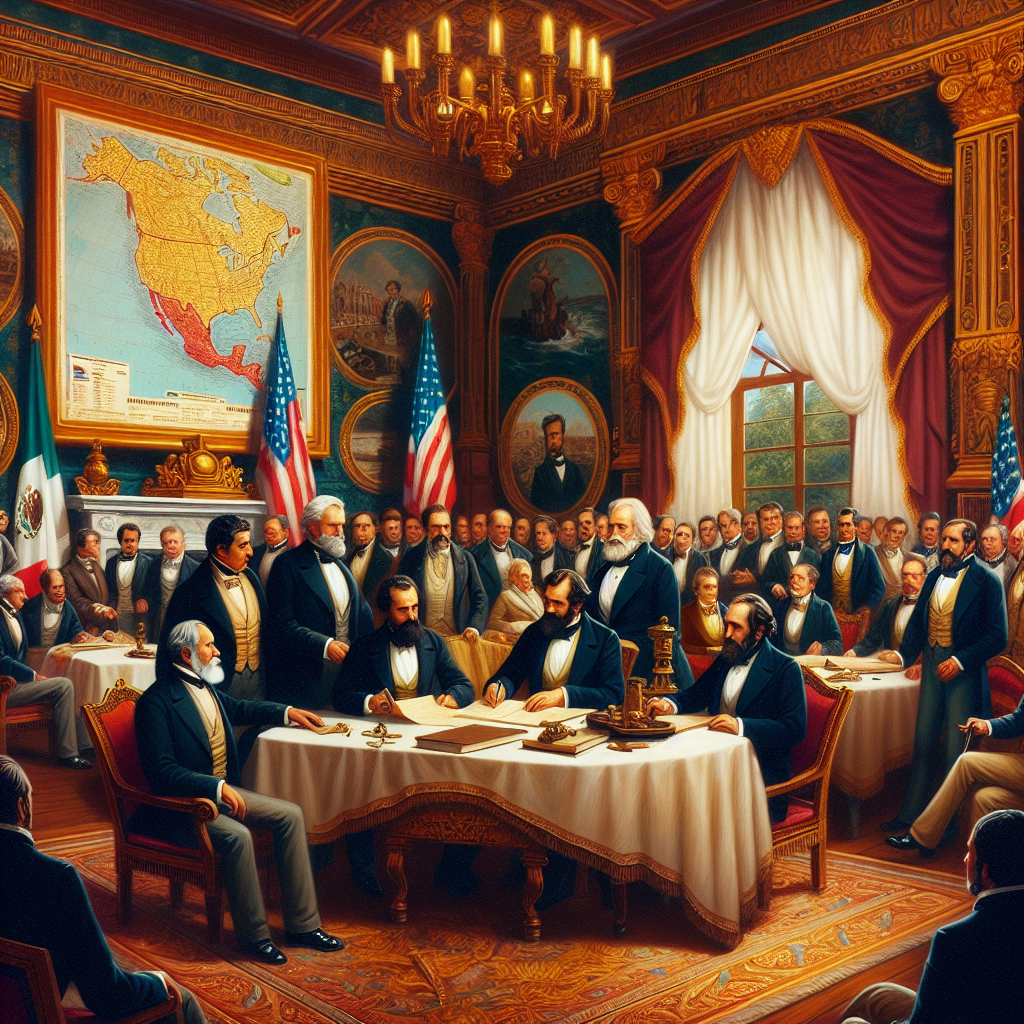
The military campaign was prosecuted with considerable skill and nearly universal success. Winfield Scott's amphibious landing at Veracruz and march to Mexico City was the most tactically impressive American operation between the Revolution and the Civil War. The officer corps that fought in Mexico — Grant, Lee, Sherman, Stonewall Jackson, George McClellan — would command the armies of both sides in the Civil War that the Mexican-American War made inevitable. The Treaty of Guadalupe Hidalgo, signed February 2, 1848, transferred 525,000 square miles to the United States. Nine days before Polk received it in Washington, James Marshall found gold at Sutter's Mill.
The war's aftermath was American politics in concentrated form. Every acre acquired raised the question of whether it would be slave or free, a question the Missouri Compromise had answered for the Louisiana Purchase territory and that now had to be answered again for a vastly larger domain. The Compromise of 1850 attempted an answer; Bleeding Kansas was the result when that answer proved unworkable; the Civil War was the final answer. Henry David Thoreau went to jail rather than pay taxes supporting the war and wrote "Resistance to Civil Government" — later called "Civil Disobedience" — in response. Ulysses Grant, who fought in it and performed well, called it "one of the most unjust wars ever waged by a stronger nation against a weaker one." He was right, and 525,000 square miles of North America suggests the injustice was also effective.



| Dates | April 25, 1846 – February 2, 1848 |
| U.S. president | James K. Polk |
| U.S. commanders | Zachary Taylor; Winfield Scott |
| U.S. deaths | ~13,000 (mostly disease) |
| Territory gained | ~525,000 square miles (Mexican Cession) |
| Payment | $15 million to Mexico |
| Treaty | Treaty of Guadalupe Hidalgo, February 2, 1848 |
| Key consequence | Gold Rush began 9 days before treaty received |
| Date | April 25, 1846 – February 2, 1848 |
| Location | United States–Mexico border |