Wounded Knee Massacre
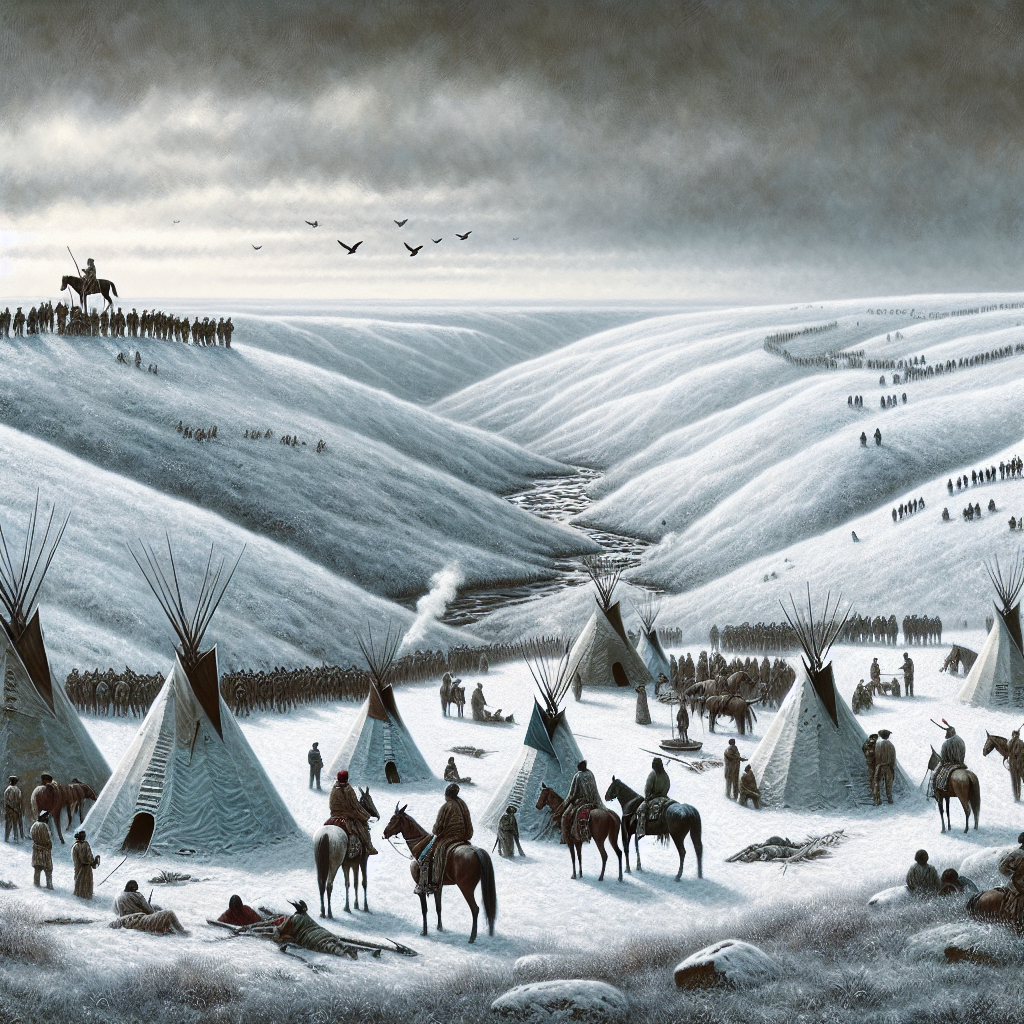
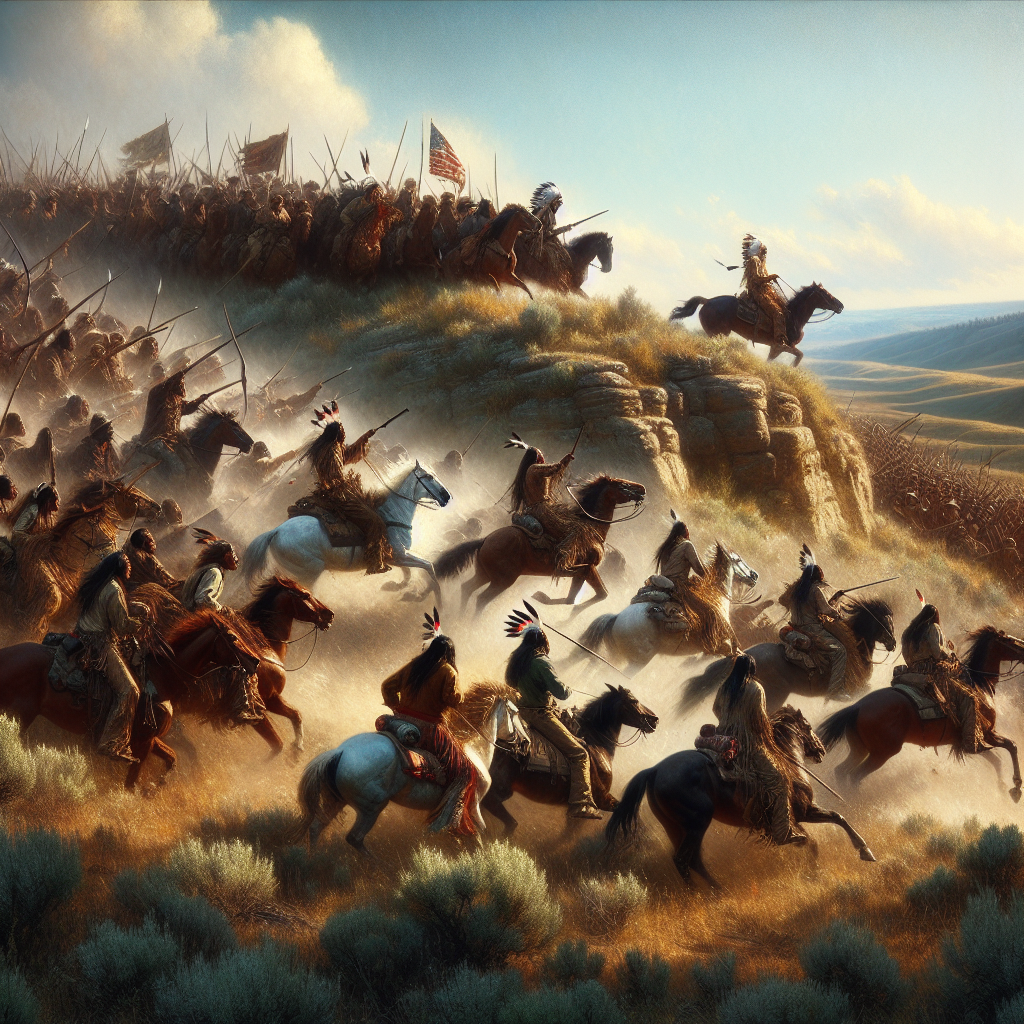
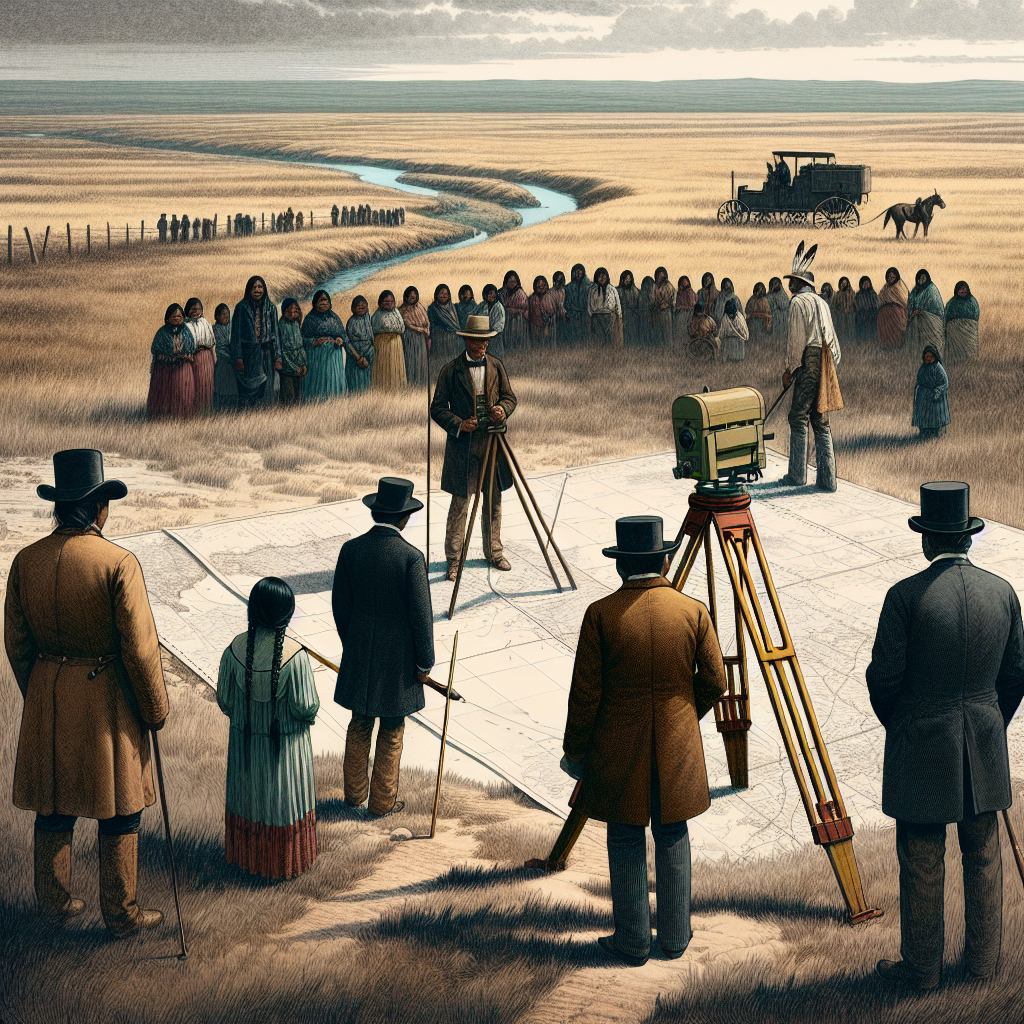
On December 29, 1890, soldiers of the 7th Cavalry Regiment — Custer's old unit — surrounded a camp of Lakota Sioux near Wounded Knee Creek in present-day South Dakota and opened fire with rifles and four Hotchkiss mountain guns. The immediate trigger was an attempt to disarm the band; a shot was fired — by whom remains disputed — and the soldiers' response was indiscriminate. When the shooting stopped, at least 250 Lakota were dead, perhaps more than 300, including women and children who were killed as they fled into a ravine. Twenty soldiers died, most likely from friendly fire. Twenty members of the 7th Cavalry received the Medal of Honor, the largest single award in the medal's history. Congress formally apologized for the massacre in 1990, a century later.
Wounded Knee was the culmination of a crisis over the Ghost Dance, a spiritual movement that had swept through the Plains reservations in 1889 and 1890. Its prophet, a Paiute man named Wovoka, taught that ritual dancing would bring back the buffalo, restore the dead, and cause the white settlers to disappear — a theology of desperate hope from people who had lost everything within a single generation. The U.S. Army and Indian agents, alarmed by the movement's growing fervor, ordered the arrest of Sitting Bull, who was killed in the attempt on December 15. His death sent survivors, including Chief Big Foot's band, fleeing south toward the Pine Ridge Reservation, where the 7th Cavalry intercepted them at Wounded Knee Creek.
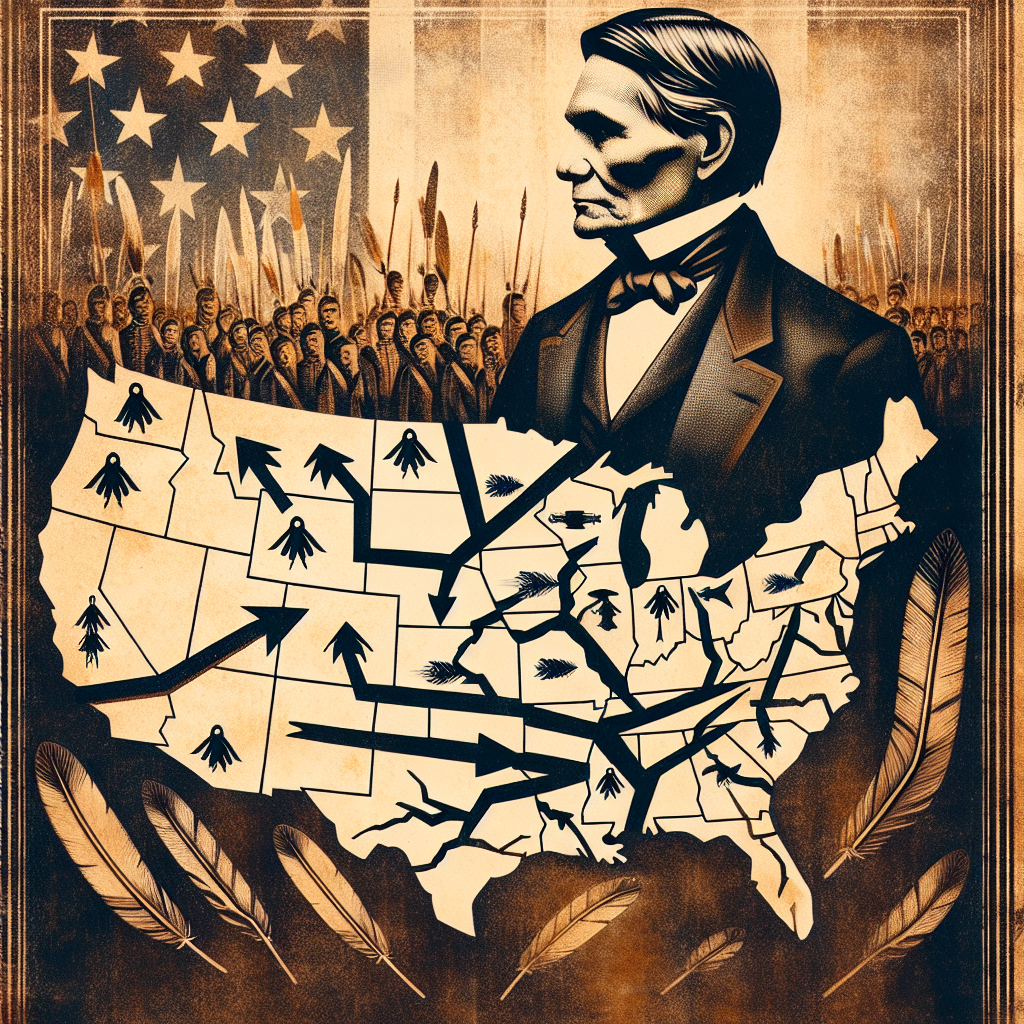
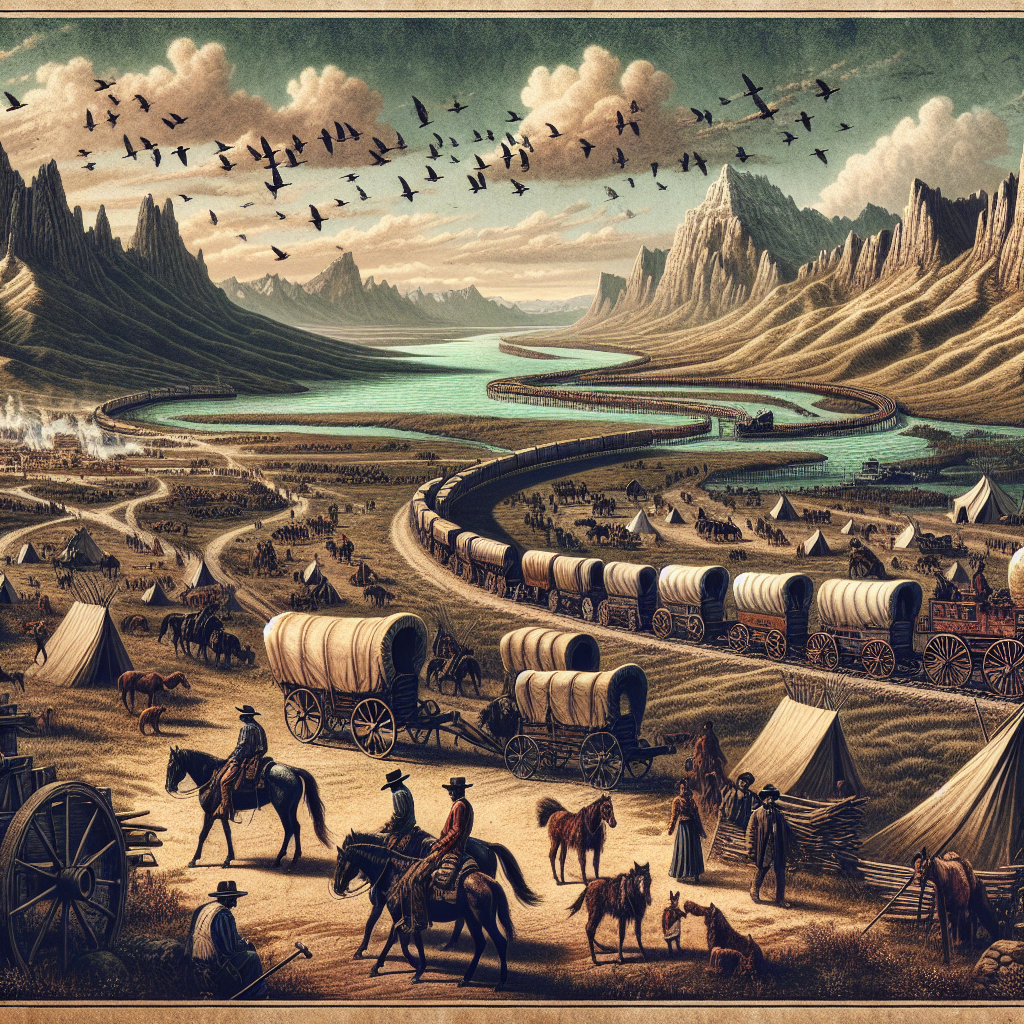
The massacre was reported as a battle in most American newspapers of the time. General Nelson Miles, who commanded the Department of the Missouri, called it a "disastrous and unwarrantable attack" — one of the few official condemnations. The site became a cemetery and eventually a National Historic Landmark. In 1973, members of the American Indian Movement occupied Wounded Knee for 71 days in a confrontation with federal marshals that drew national attention to the conditions on the Pine Ridge Reservation. The occupation ended with two AIM members killed and ongoing legal proceedings. Wounded Knee — the original massacre and the 1973 occupation — remains the most concentrated symbol in American history of what the conquest of the continent cost.
| Date | December 29, 1890 |
| Location | Wounded Knee Creek, Pine Ridge Reservation, South Dakota |
| Lakota killed | At least 250 (estimates range to 300+) |
| Soldiers killed | ~25 (mostly from friendly fire) |
| Unit | 7th Cavalry Regiment, U.S. Army |
| Congressional apology | 1990 |
| 1973 occupation | 71-day AIM standoff at same site |
| Date | December 29, 1890 |
| Location | Pine Ridge Reservation, South Dakota |