Alaska
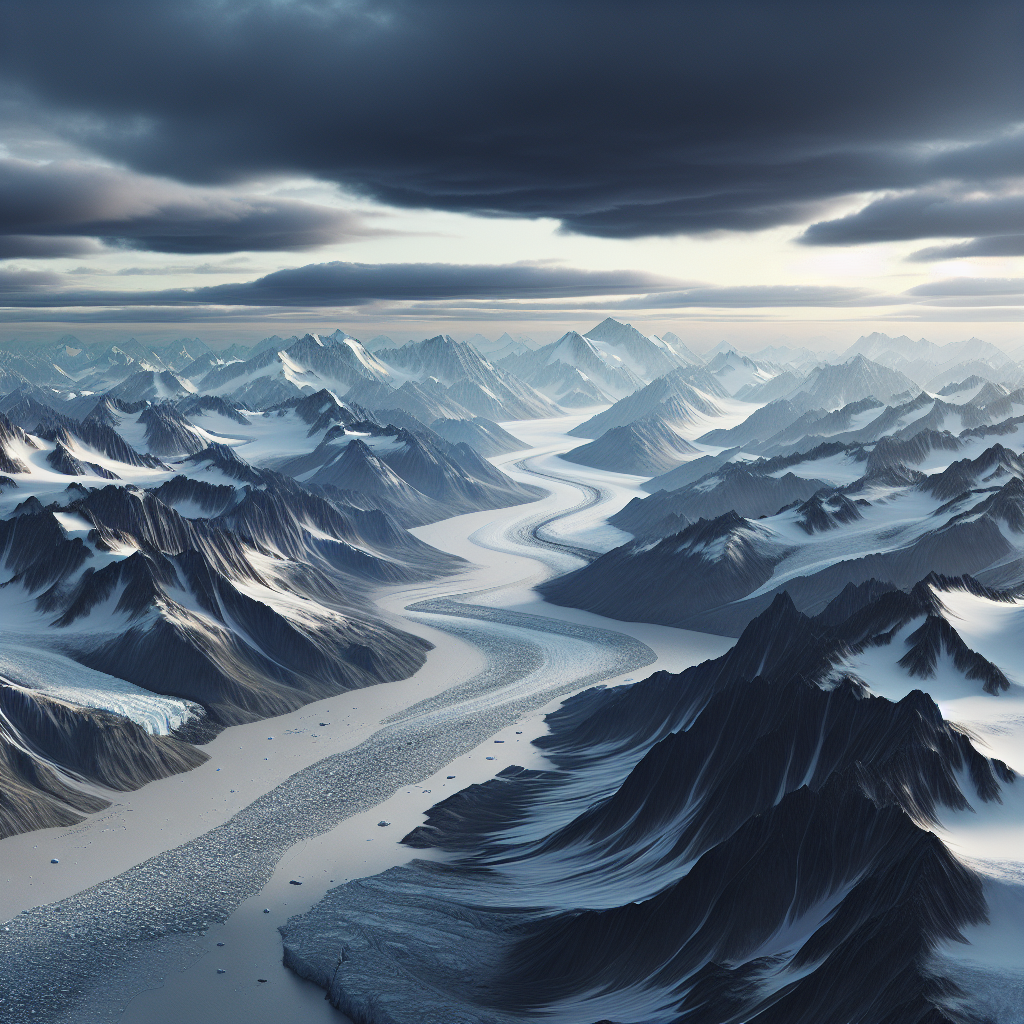
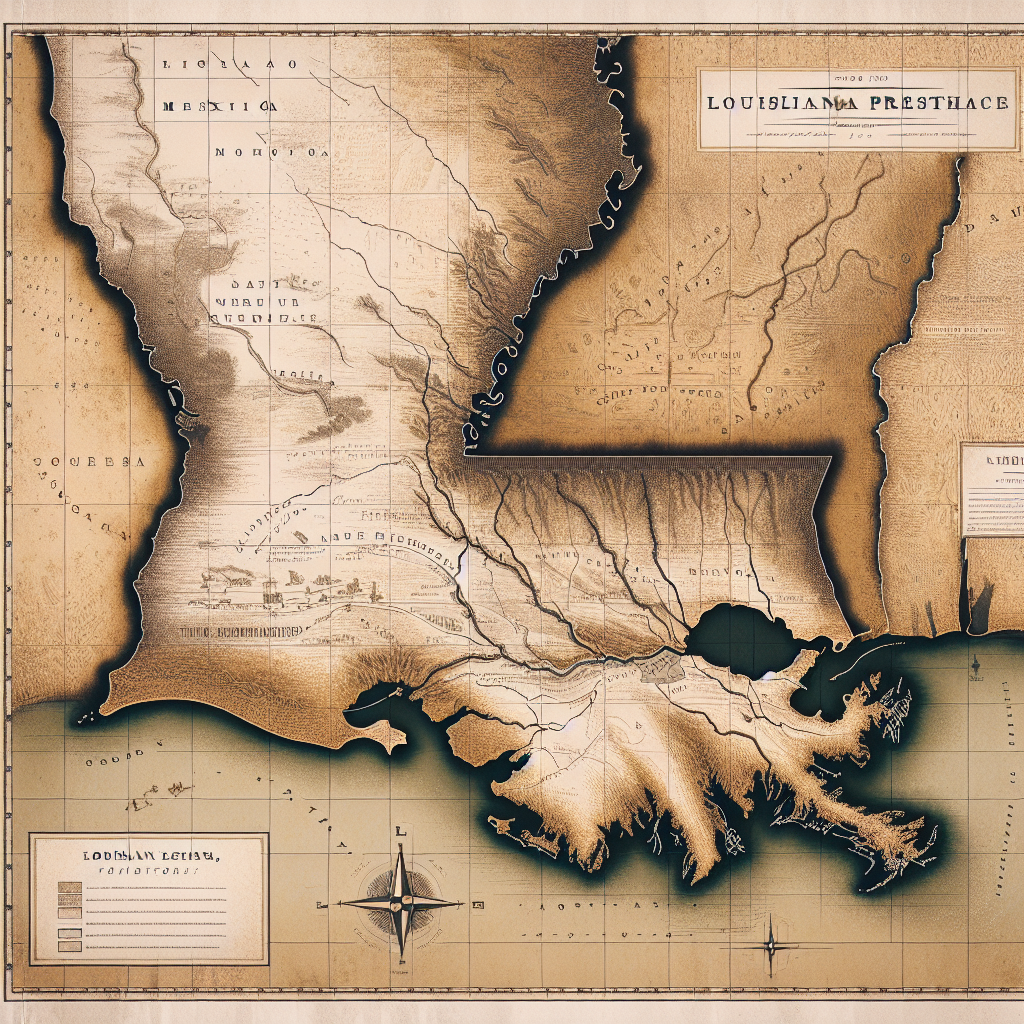
The United States purchased Alaska from Russia on March 30, 1867, for $7.2 million — roughly two cents an acre for 586,000 square miles of territory. Secretary of State William Seward negotiated the deal and absorbed the ridicule: opponents called it Seward's Folly, Seward's Icebox, and Johnson's Polar Bear Garden, after the unpopular president who signed the treaty. The mockery lasted about 30 years, until gold was discovered in the Klondike in 1896 and prospectors flooded north through Alaska's ports. It turned out the icebox was full.
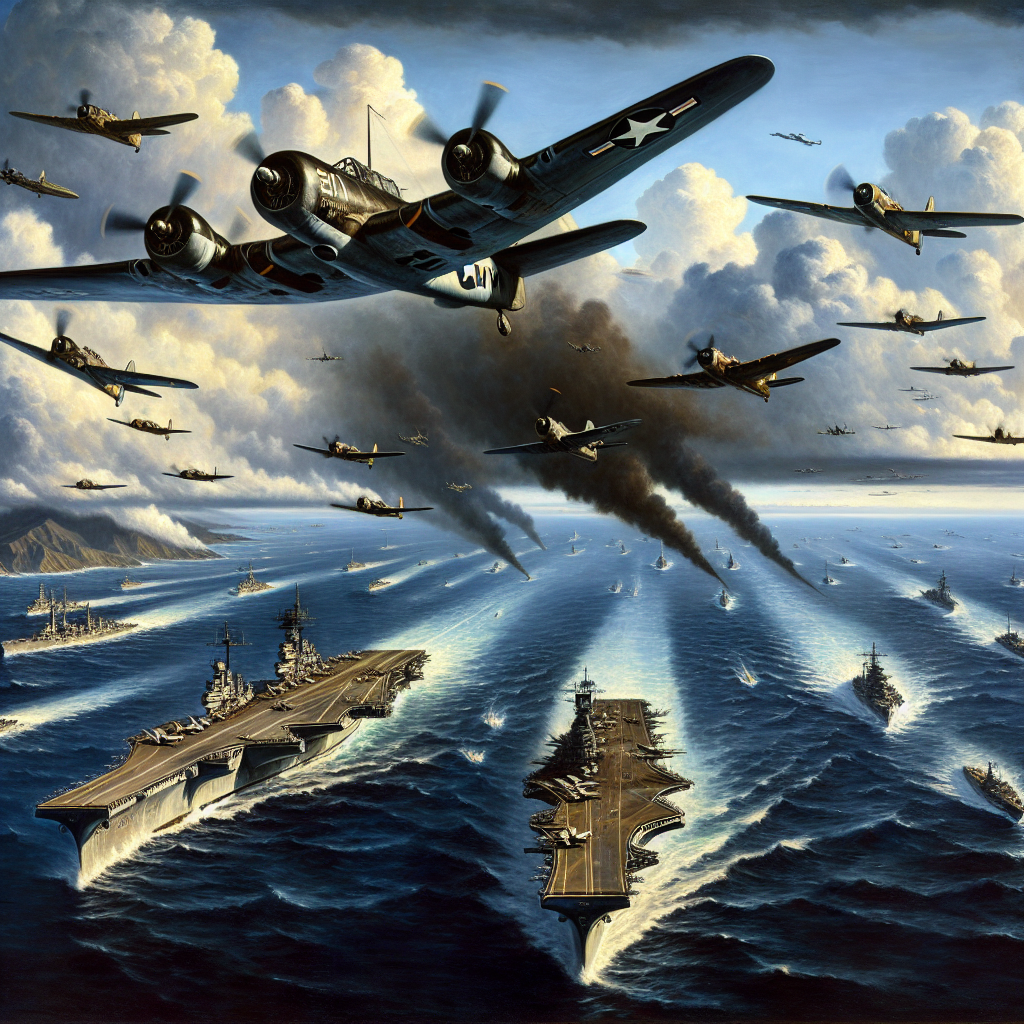
Alaska's strategic value became undeniable during World War II, when Japanese forces occupied the islands of Attu and Kiska in the Aleutian chain in 1942 — the only occupation of American soil by a foreign power during the war. The campaign to retake them cost more than 3,000 American casualties. The Cold War made Alaska even more critical: its position across the Bering Strait from the Soviet Union placed it on the front line of nuclear deterrence, and the construction of the Distant Early Warning Line of radar stations across its northern reaches was a defining project of the 1950s.
Alaska became the 49th state on January 3, 1959, seven months before Hawaii. Its oil reserves, tapped after the discovery at Prudhoe Bay in 1968 and transported via the Trans-Alaska Pipeline completed in 1977, transformed both the state's economy and national energy politics. It remains the largest state by area — more than twice the size of Texas — the least densely populated, and home to the largest Indigenous population by percentage of any state in the country.
| Capital | Juneau |
| Admitted | January 3, 1959 (49th state) |
| Nickname | Last Frontier |
| Purchased from | Russia, March 30, 1867 — $7.2 million |
| Area | 663,268 square miles — largest U.S. state |
| Key resource | Prudhoe Bay oil field, discovered 1968 |
| WWII note | Only U.S. soil occupied by Japan, 1942–1943 (Aleutian Islands) |
| Population | Approximately 733,000 (2020 census) |
| Years | 1959 |
| Location | Juneau, Alaska |