Indian Removal Act
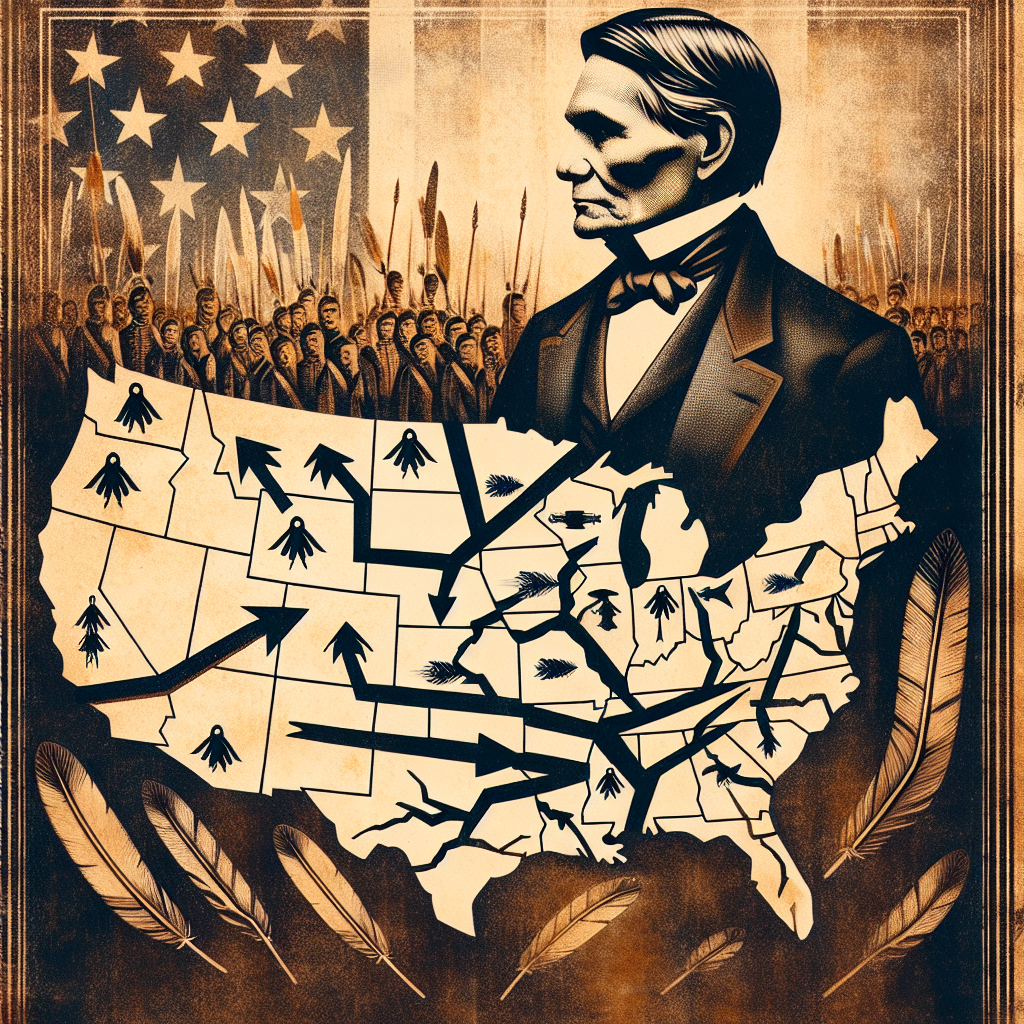
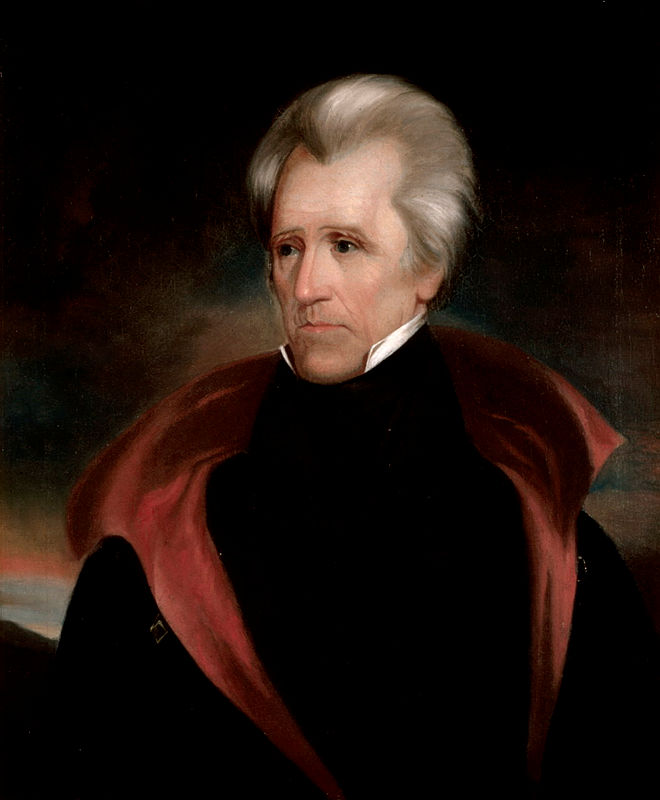
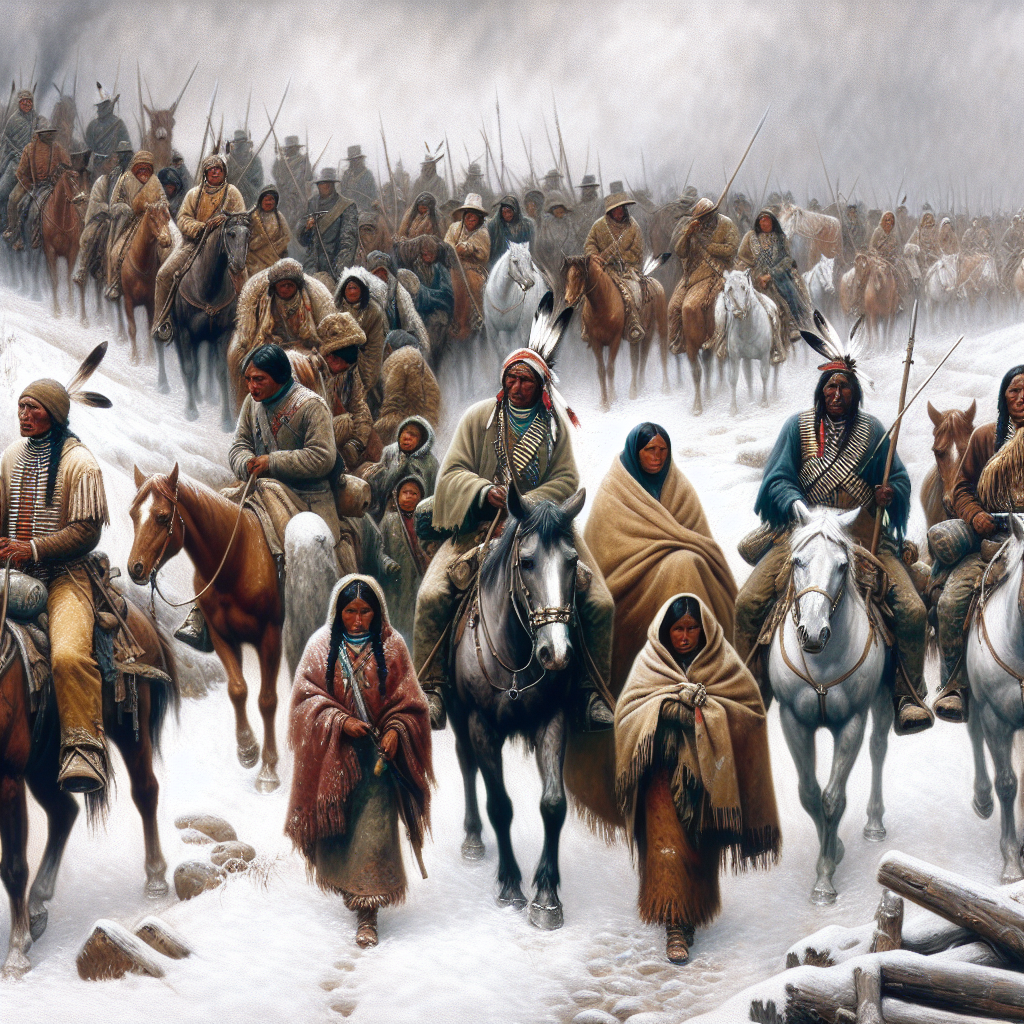
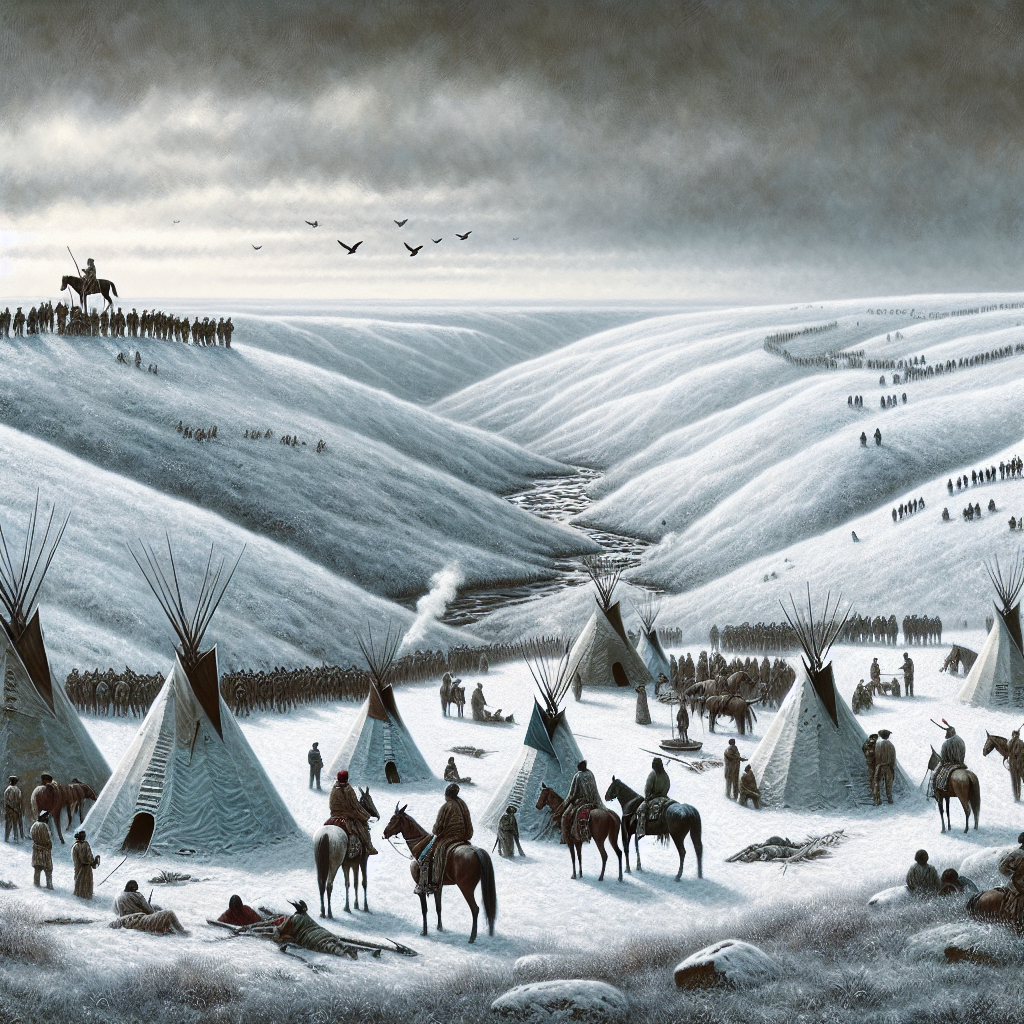
The Indian Removal Act, signed by President Andrew Jackson on May 28, 1830, authorized the federal government to negotiate treaties with Indigenous nations east of the Mississippi River, exchanging their homelands for territory in the west. In practice, "negotiate" was a euphemism for demand, and many of the resulting treaties were signed under duress, fraud, or by tribal factions with no authority to represent their people. The law set in motion the forced removal of tens of thousands of Cherokee, Choctaw, Creek, Chickasaw, and Seminole people from lands they had inhabited for generations. The trail the Cherokee walked west became known as the Trail of Tears.
Jackson justified removal as both practical and benevolent — saving Indigenous nations from the encroachment of white settlement by relocating them to land where they would be left alone. The Supreme Court offered a different view. In Worcester v. Georgia (1832), Chief Justice John Marshall ruled that the Cherokee Nation was a distinct political community with the right to self-governance and that Georgia's attempts to extend state law over Cherokee territory were unconstitutional. Jackson reportedly responded that Marshall had made his decision; now let him enforce it. The removal proceeded anyway.
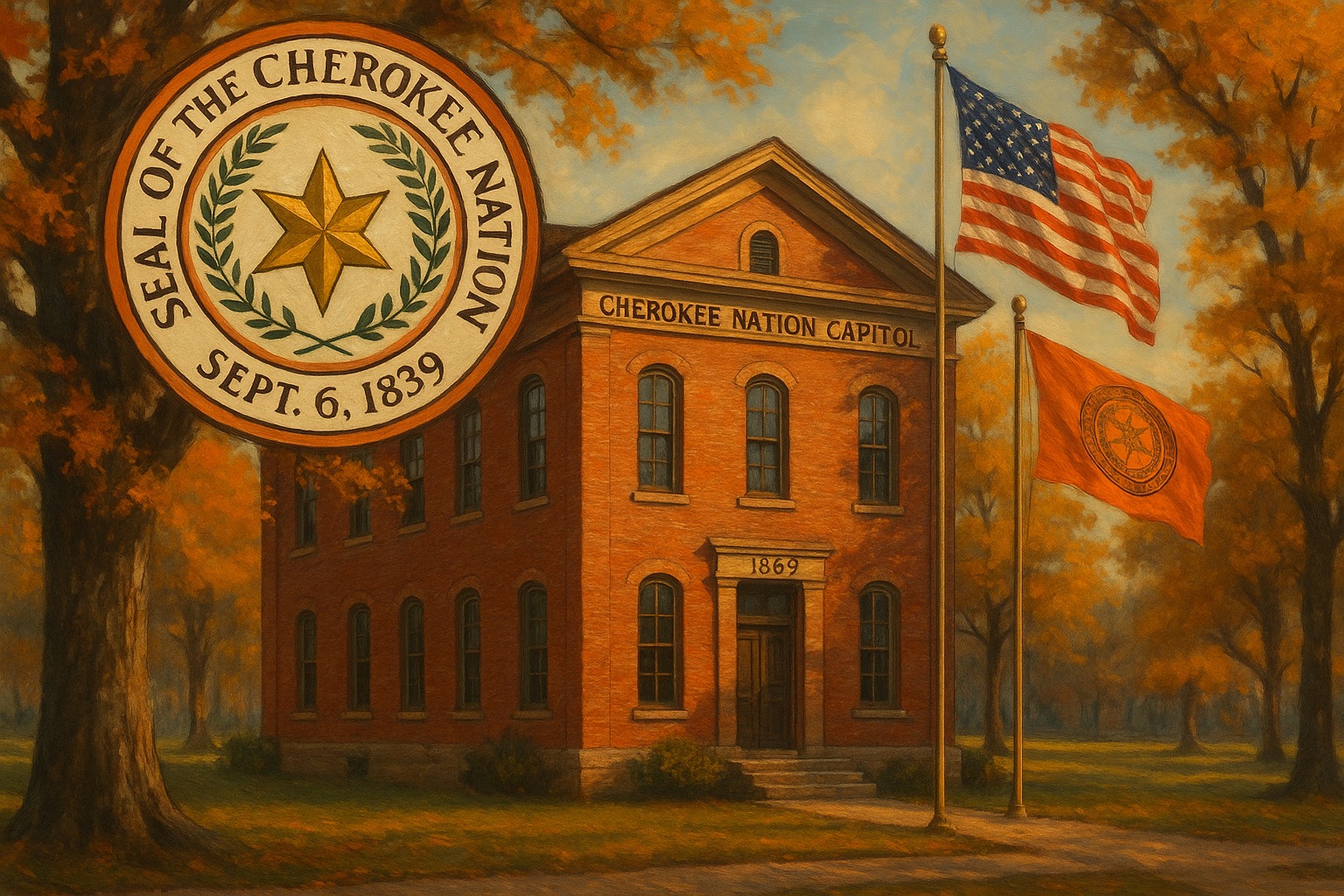
The Choctaw removal of 1831 killed as many as a quarter of those who walked. The Cherokee removal of 1838–1839 killed roughly 4,000 of the 16,000 who were marched west by the U.S. Army — a death rate that the Cherokee principal chief called a trail where they cried, which became its name. The Seminole refused removal and fought three wars against the United States over 40 years, never surrendering. The Indian Removal Act did not end when its immediate removals were complete; its logic — that Indigenous land rights yield to settler expansion — governed federal policy for another half century.


| Signed | May 28, 1830 |
| President | Andrew Jackson |
| Peoples Affected | Cherokee, Choctaw, Creek, Chickasaw, Seminole (Five Tribes) |
| Supreme Court | Worcester v. Georgia (1832) — ruled removal unconstitutional; ignored |
| Deaths | Thousands; Cherokee Trail of Tears alone killed approx. 4,000 |
| Legacy | Template for federal Indigenous dispossession policy through 1880s |
| Date | May 28, 1830 |
| Location | Washington, D.C. |