Native American History: Sovereign Nations, Removal, and Survival

The history of Native America is the longest chapter in the American story — and for centuries the least told on its own terms. Hundreds of sovereign nations lived across the continent before Europeans arrived, and what followed was conquest, broken treaties, and forced removal. But it was also resistance, endurance, and ultimately survival. This guide gathers that history.
It follows the arc from the nations of the pre-contact era, through removal and the Plains wars, to the assimilation policies and the modern resurgence of Native sovereignty. Each entry links to a full account.
Start here for the long arc of Native American history - sovereignty, dispossession, and survival across centuries. The sections that follow trace it in order.

Native nations were sovereign powers long before the United States, and they met its expansion with resistance. These entries cover the confederacies and early leaders who fought to hold their ground against encroaching settlement.

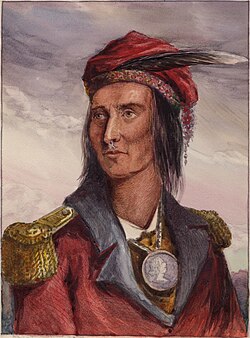

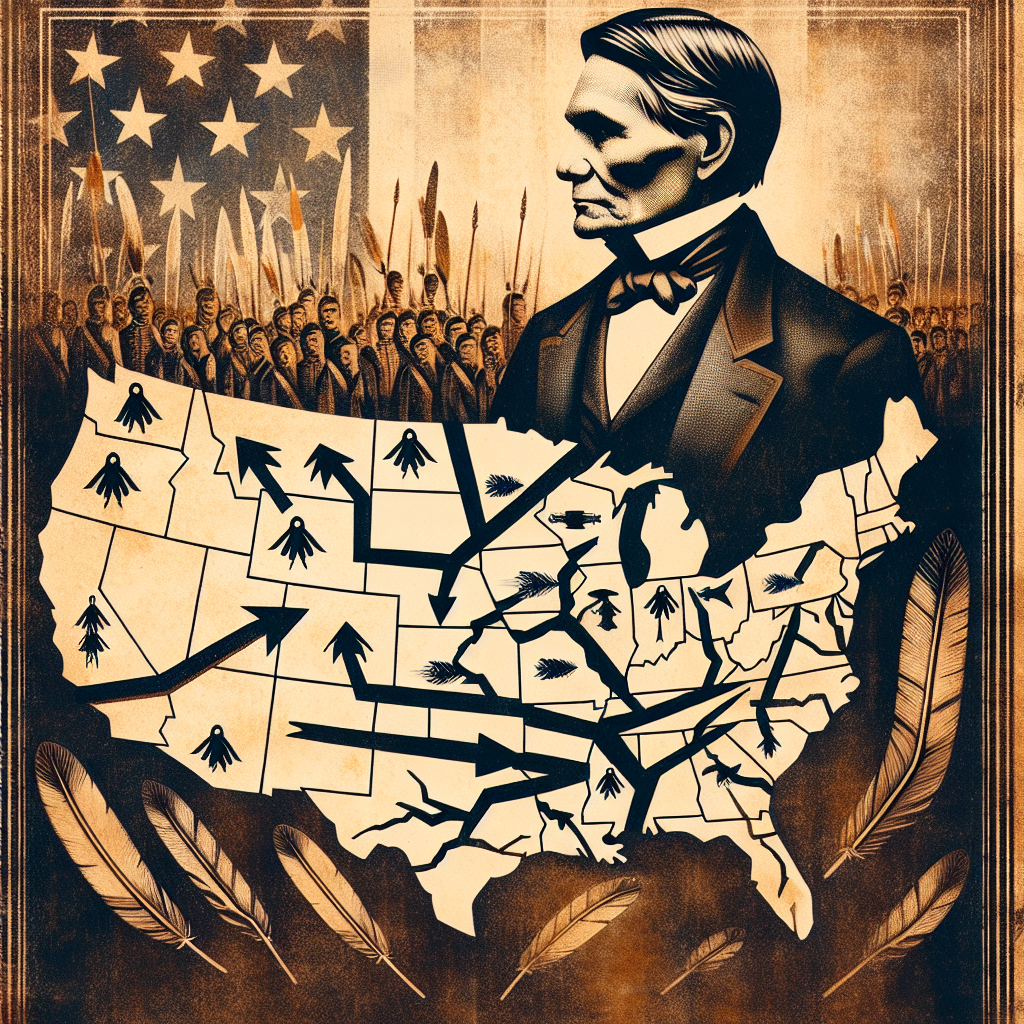
Federal policy turned to forced removal. These entries cover the laws and the brutal relocations that drove eastern nations from their homelands to territory west of the Mississippi, at enormous cost in lives.
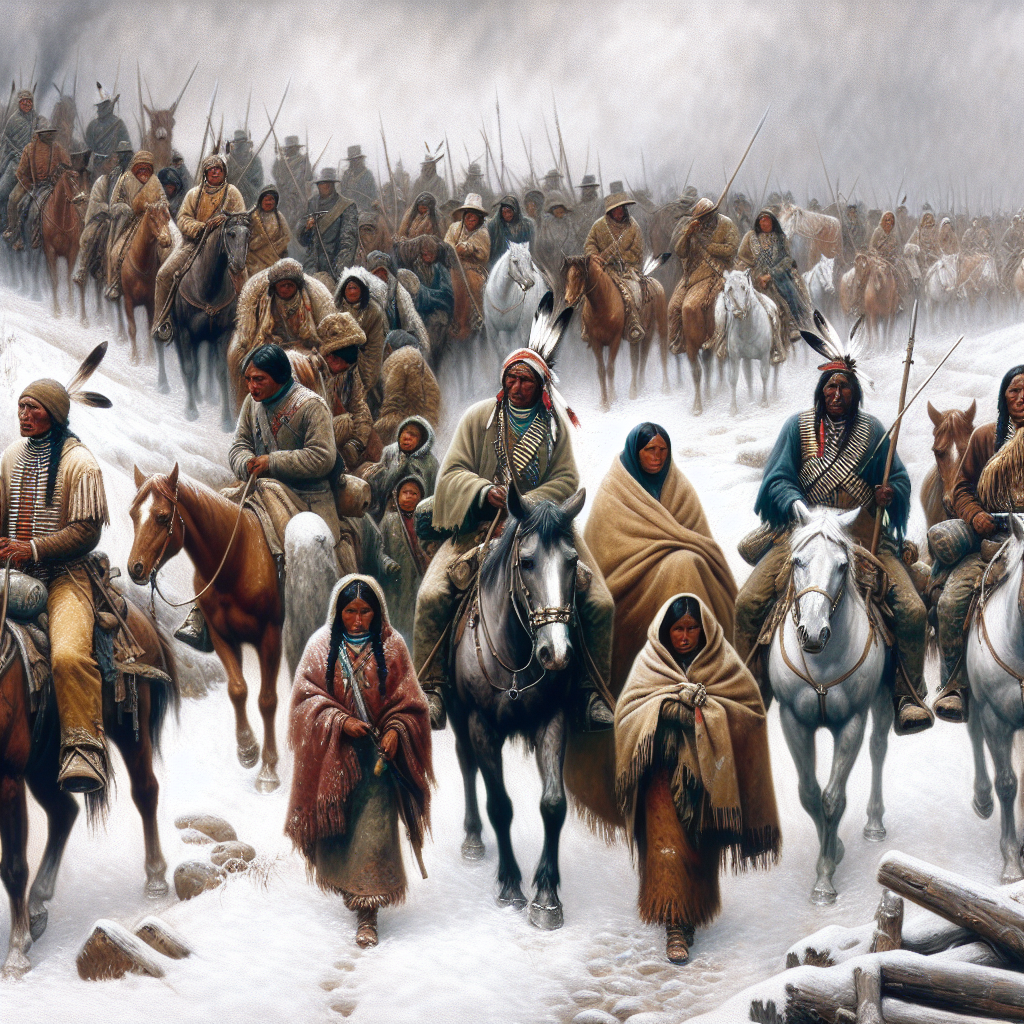

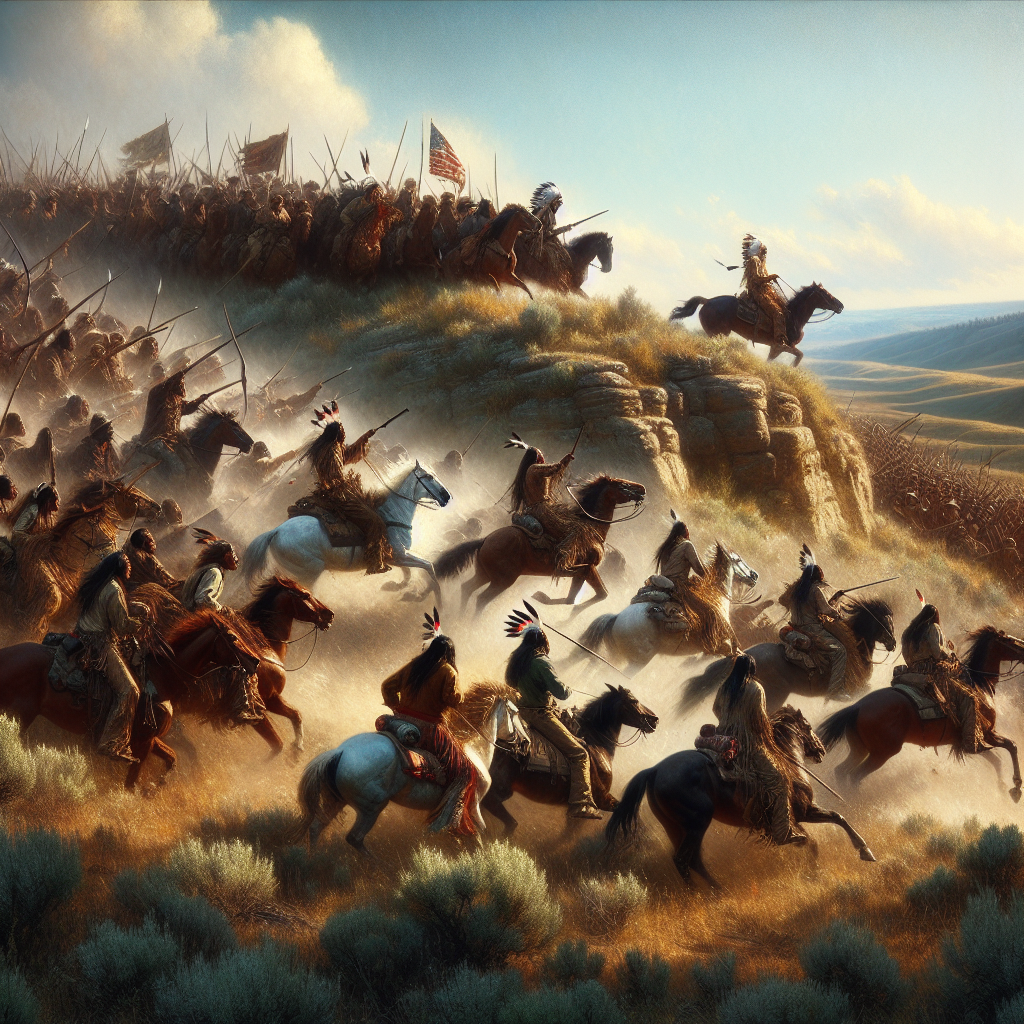
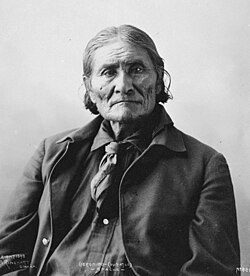
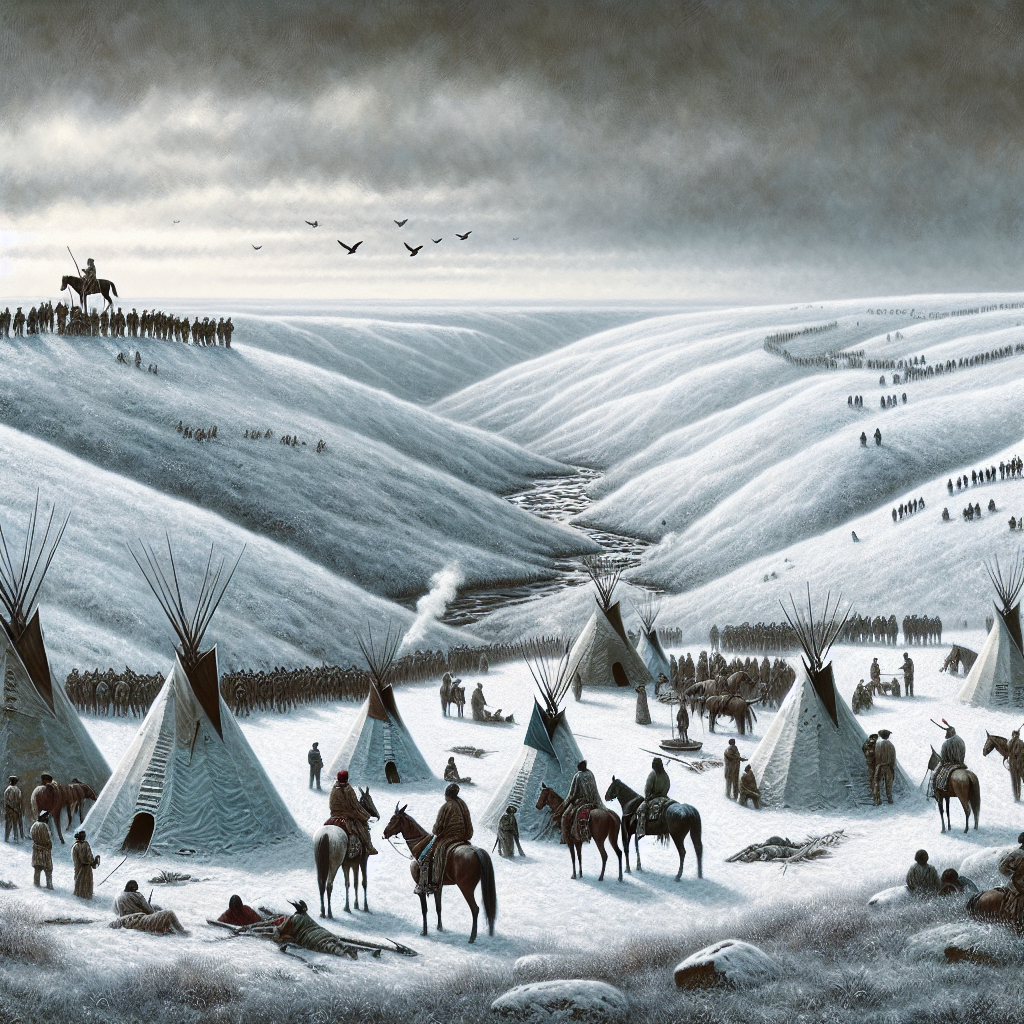
On the Great Plains, the conflict reached its longest and most violent phase. These entries cover the wars, leaders, and massacres of the decades in which the Plains nations fought to defend a way of life against an advancing nation.
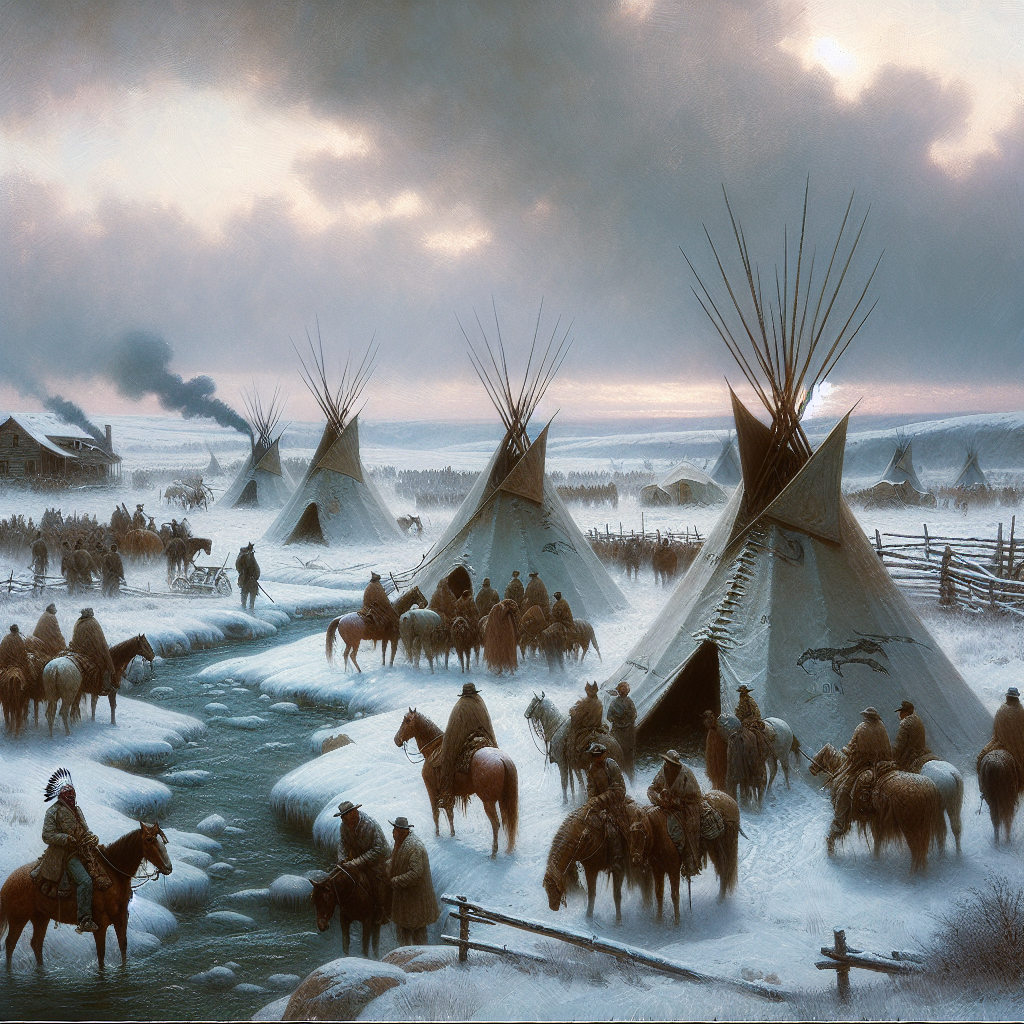



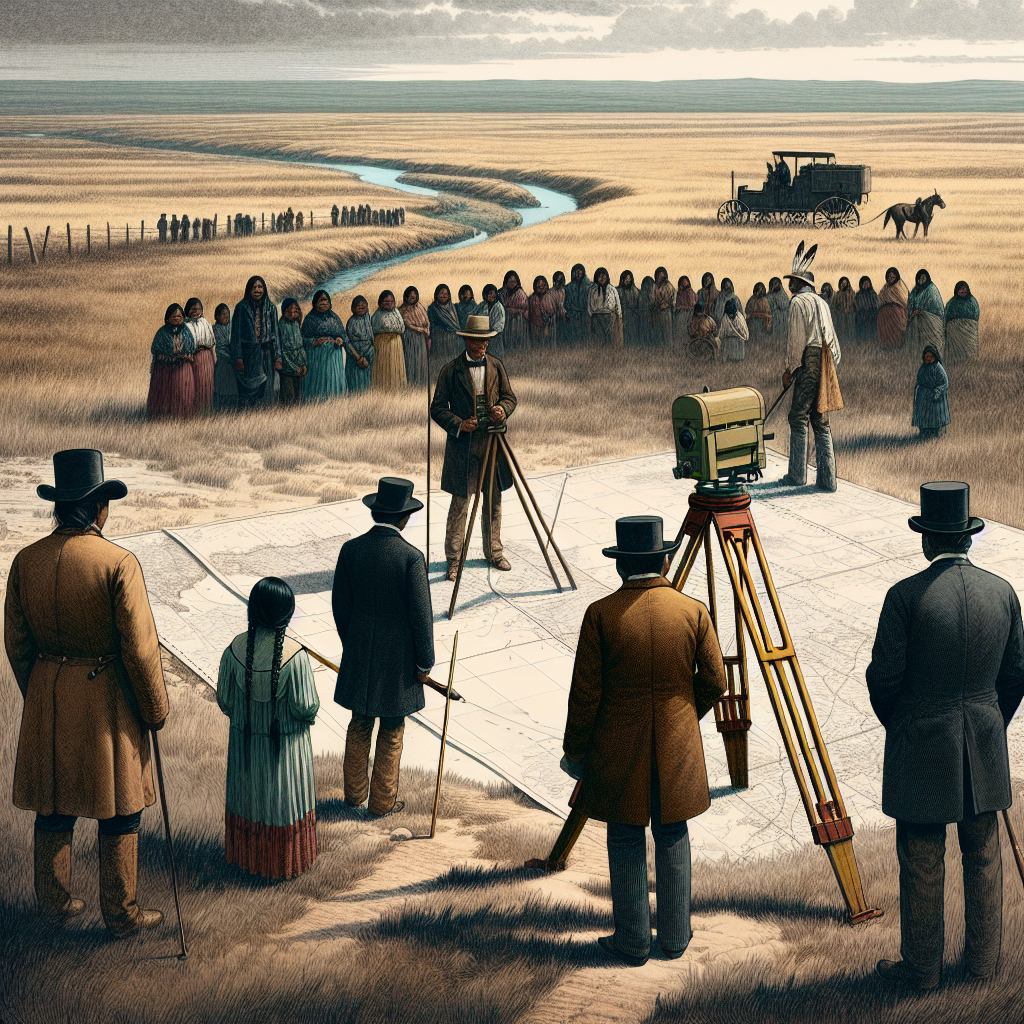
Defeat brought a new kind of pressure - to disappear into the dominant culture. These entries cover the policies that broke up tribal lands and the slow, partial extension of citizenship to Native people.

The story did not end in defeat. These entries cover the twentieth-century revival of Native activism and sovereignty - the movements and nations that have fought to reclaim rights, land, and self-determination.

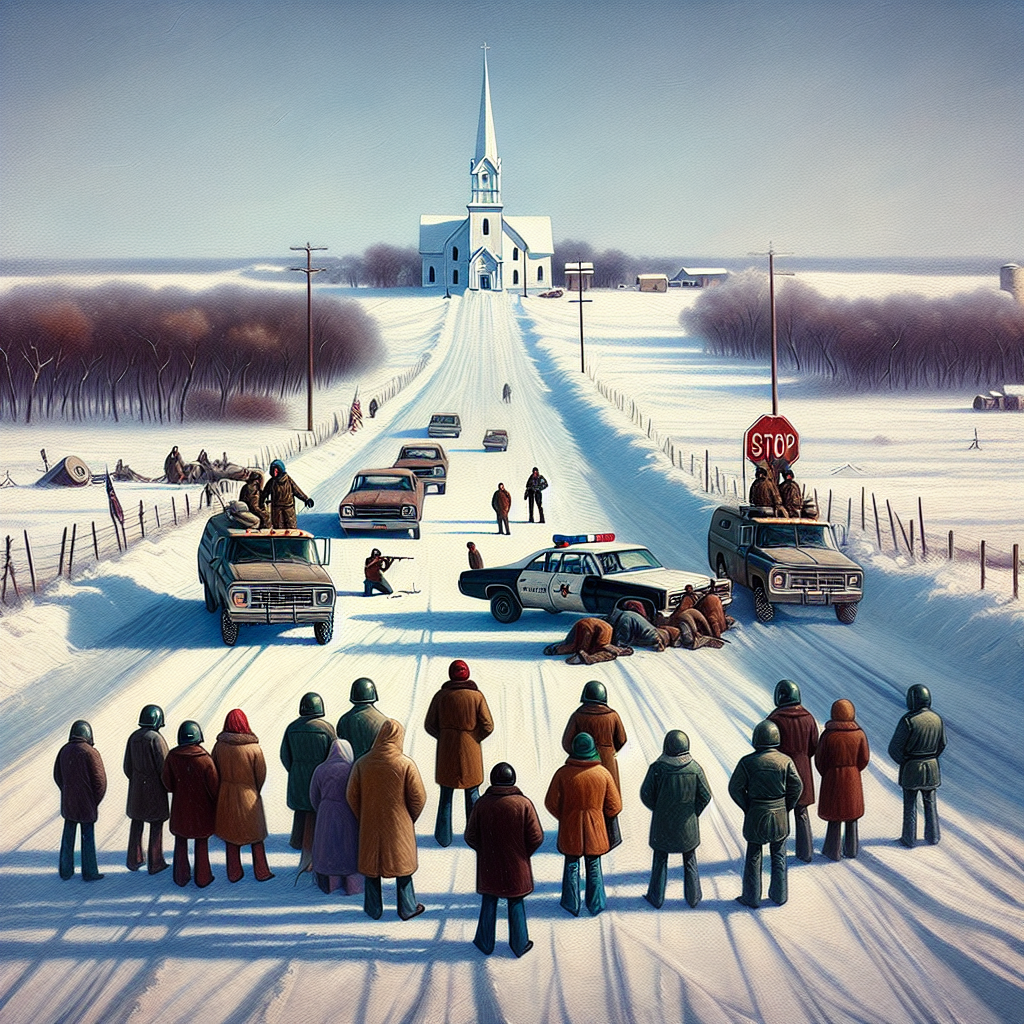



This story runs against the grain of America's wars and the national timeline — the people whose land the nation expanded across.