Dawes Act
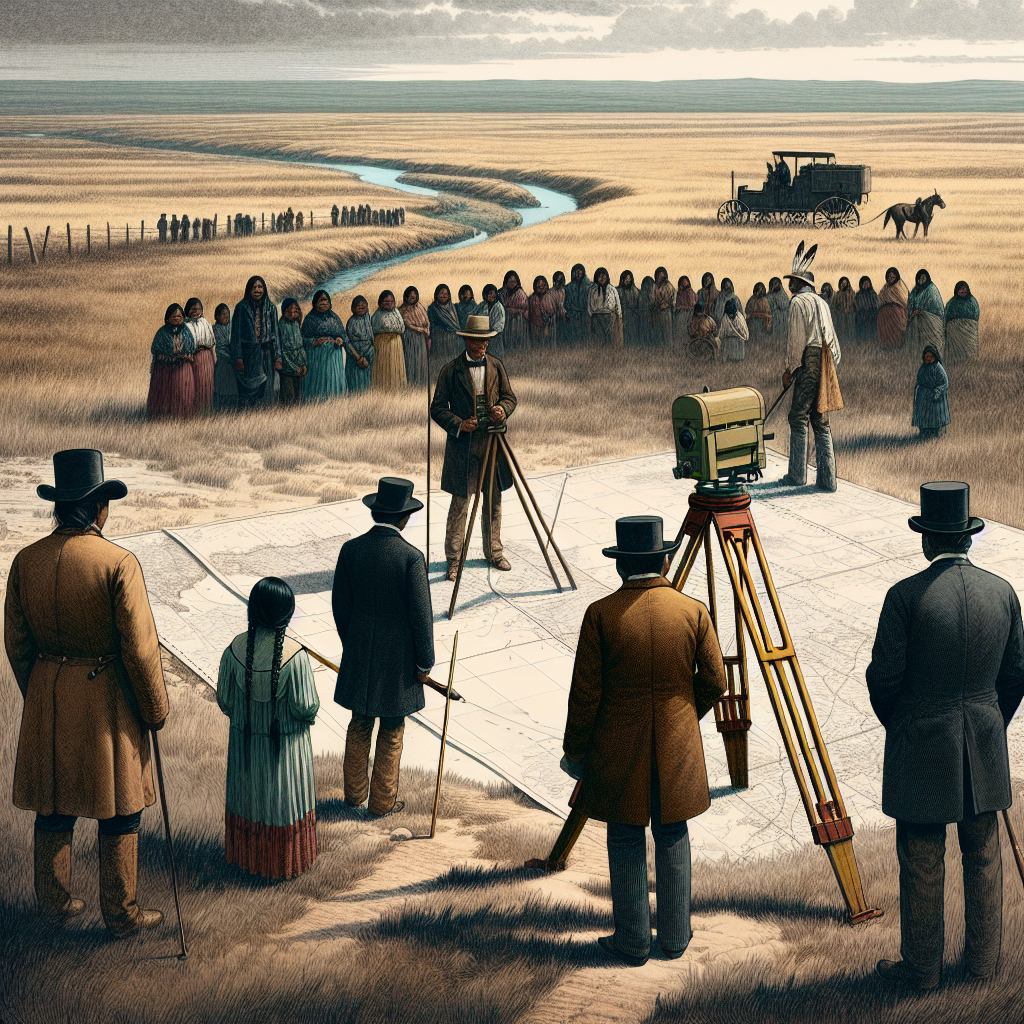
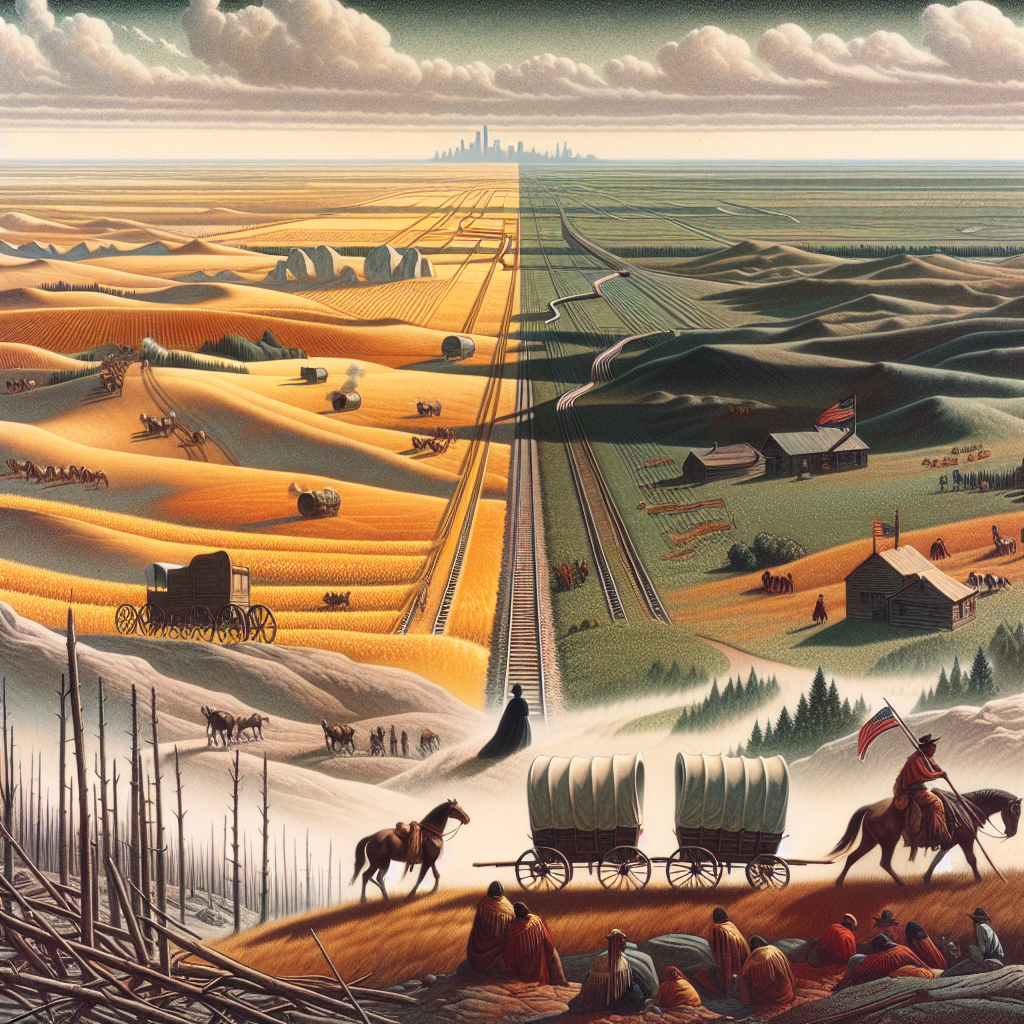
The Dawes Act of 1887 was presented to the American public as a humanitarian reform — a measure to assimilate Native Americans into the mainstream of American life by converting communal tribal lands into individual private allotments. Each Native American family head would receive 160 acres; the "surplus" land left over after allotments were assigned would be opened to white settlement. In the 47 years between passage and partial repeal, the act reduced Native American land holdings from 138 million acres to 48 million — a loss of roughly 90 million acres, much of it the best agricultural land remaining to the tribes.
The legislation was authored by Senator Henry Dawes of Massachusetts, who genuinely believed that private property ownership and farming would draw Native Americans into American civic life. The framework reflected a broader consensus — shared across political parties and by many self-described Indian reformers — that tribal communal life was an obstacle to civilization and had to be broken up for the benefit of its members. The destruction of tribal sovereignty and land bases was not a side effect of the policy; it was, beneath the humanitarian language, the policy.
The Indian Reorganization Act of 1934 reversed the allotment policy and halted further land loss, but it could not restore what had been taken. The Dawes Act is now studied as a case study in how legislation framed as benevolent reform can function as an instrument of dispossession. The land lost under the act was not lost to bad weather or economic misfortune — it was transferred, through a federal legal mechanism, to non-Native settlers and land speculators in one of the largest forced land transfers in American history.



| Enacted | February 8, 1887 |
| Sponsor | Senator Henry L. Dawes (Massachusetts) |
| Allotment | 160 acres per family head; 80 acres per single adult |
| Land Lost | ~90 million acres transferred from Native to non-Native ownership by 1934 |
| Partially Repealed | Indian Reorganization Act, 1934 |
| Also Known As | General Allotment Act |
| Date | February 8, 1887 |
| Location | Washington, D.C. |