Pacific Railway Act

In the summer of 1862, with the Union fighting for its survival, Abraham Lincoln signed a bill that had nothing to do with the war and everything to do with what would come after it. The Pacific Railway Act authorized two railroad companies — the Union Pacific, building west from Omaha, and the Central Pacific, building east from Sacramento — to construct a rail line connecting the continent, financed by federal land grants and government bonds. The scale was unprecedented: more than 20 million acres of public land and $27 million in government bonds, offered to private companies whose executives immediately set about turning the public subsidy into private wealth.
The land grant system made the railroad possible and created some of the most spectacular financial fraud in American history simultaneously. The Crédit Mobilier scandal — in which Union Pacific executives created a dummy construction company to pay themselves enormous fees from government subsidies — implicated congressmen, a vice president, and became the defining corruption scandal of the Grant administration. The railroad itself was built anyway, largely by Irish immigrant labor on the Union Pacific side and Chinese immigrant labor on the Central Pacific, who drove through the Sierra Nevada with nitroglycerin and hand drills in conditions that killed an unknown number of workers.
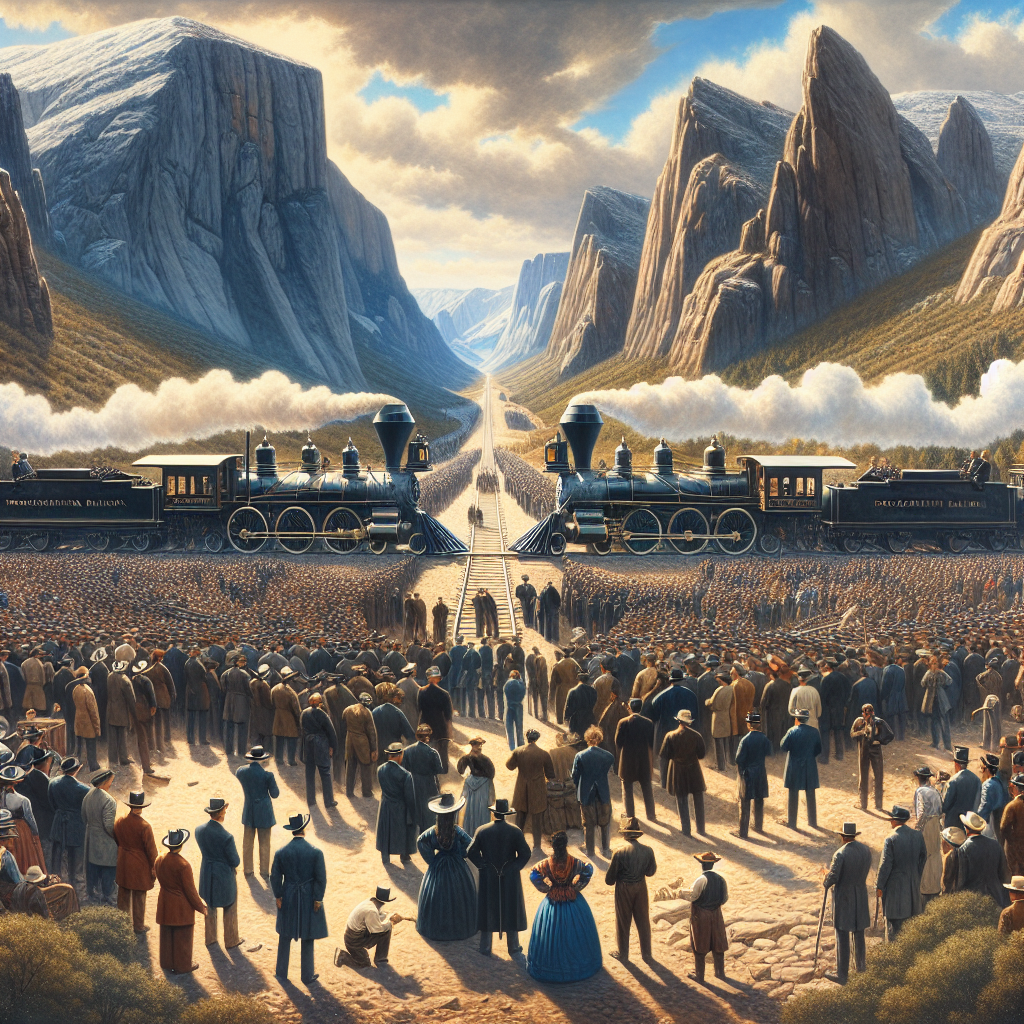
The Pacific Railway Act's consequences extended far beyond its tracks. The land grants it established determined settlement patterns across the West for a generation. The legislation also created the federal template for public-private infrastructure development that shaped American economic policy from the railroads through highway construction to the internet. The transcontinental railroad was completed on May 10, 1869, at Promontory Summit, Utah, when a golden spike was driven into the last tie. The continent had been stitched together. What it had been stitched over — indigenous lands acquired by treaty, broken, or simply seized — was another matter entirely.



| Enacted | July 1, 1862 |
| Signed by | President Abraham Lincoln |
| Companies | Union Pacific (west from Omaha); Central Pacific (east from Sacramento) |
| Land grant | ~20 million acres of public land |
| Gov. bonds | ~$27 million |
| Completed | May 10, 1869 — Promontory Summit, Utah |
| Scandal | Crédit Mobilier of America (1872) |
| Labor | Irish immigrants (Union Pacific); Chinese immigrants (Central Pacific) |
| Date | Enacted July 1, 1862 |
| Location | Washington, D.C. |