Homestead Act
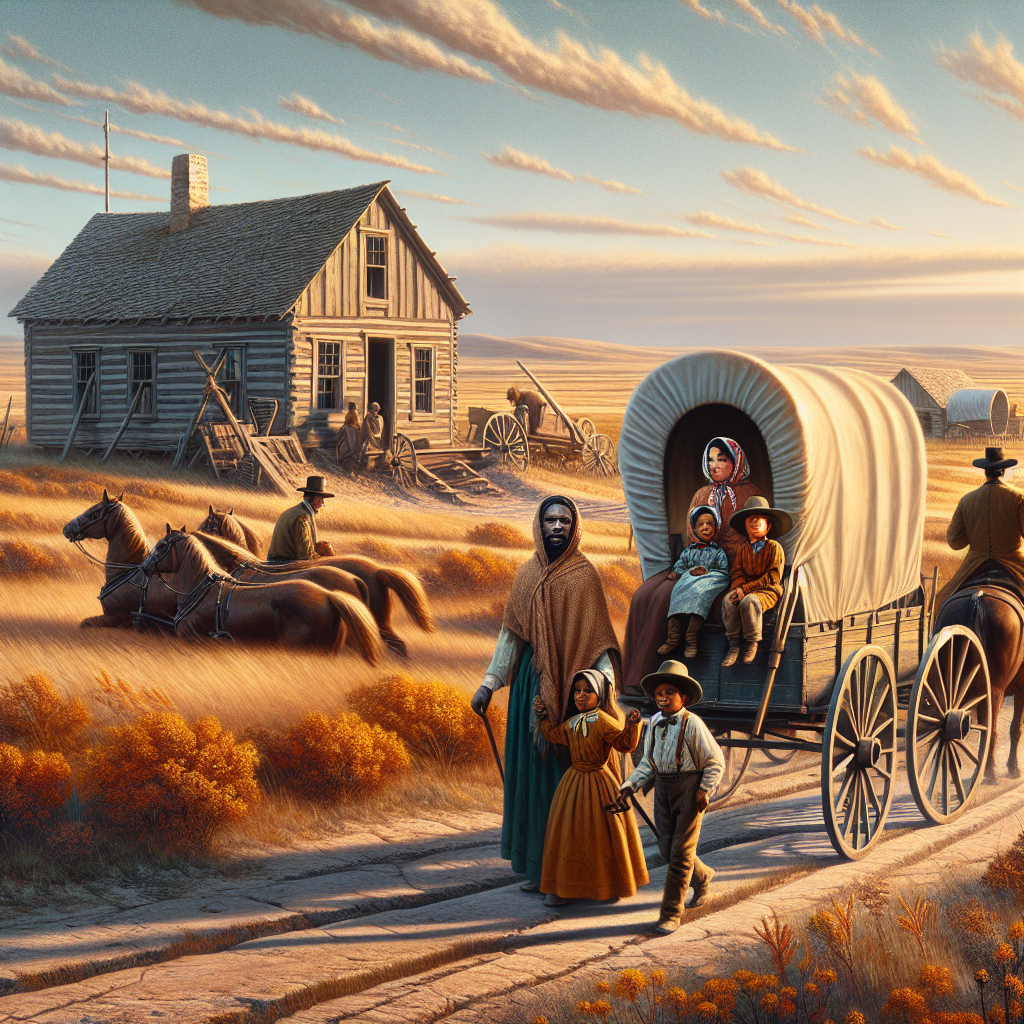
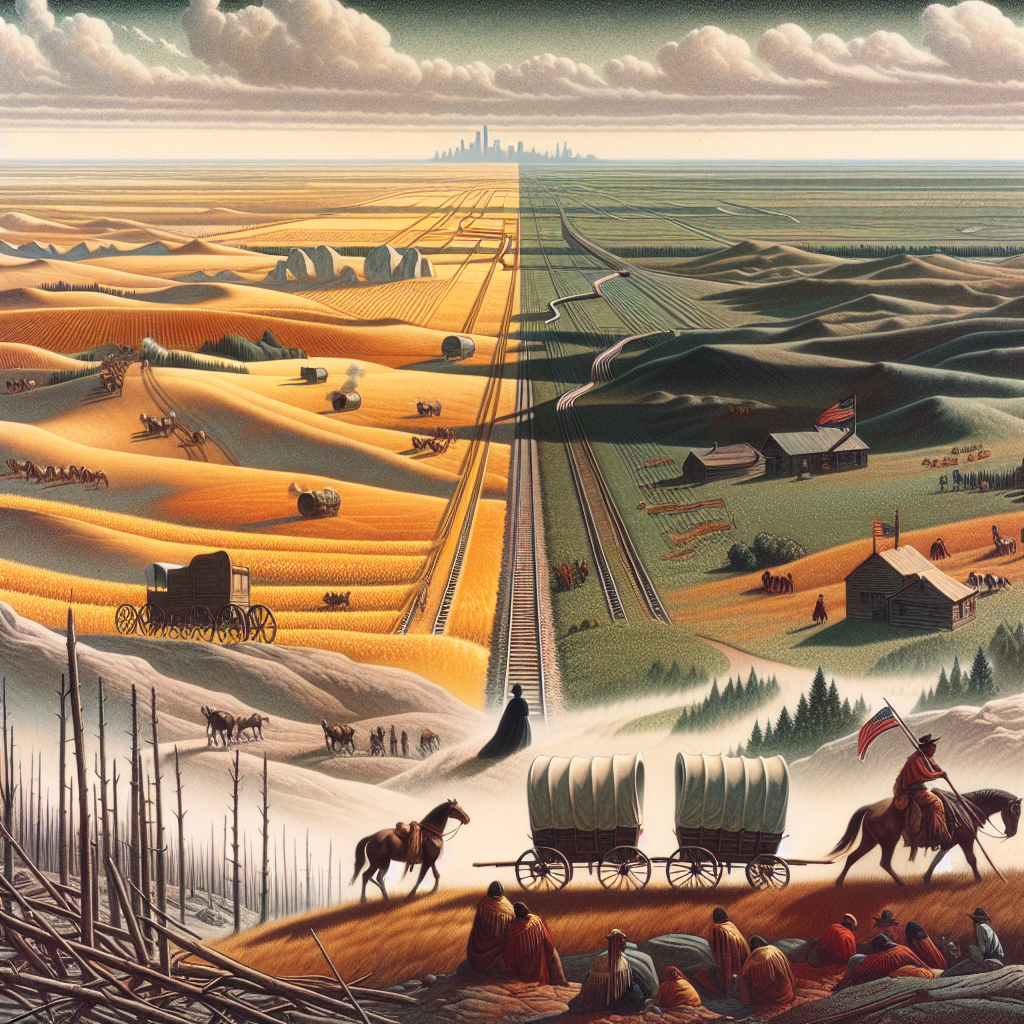
The Homestead Act of 1862 was the closest thing to a federal land redistribution program in American history — and it was passed, not coincidentally, after the Southern states that had blocked it for decades left the Union. The law offered 160 acres of public land to any citizen who would pay a small filing fee, live on the land for five years, and cultivate it. Between 1862 and 1900, roughly 600,000 families claimed homesteads. The act reshaped the Great Plains, the Midwest, and the West — peopling the interior with small farms, new towns, and eventually the voters who gave the region its political character for the next century.
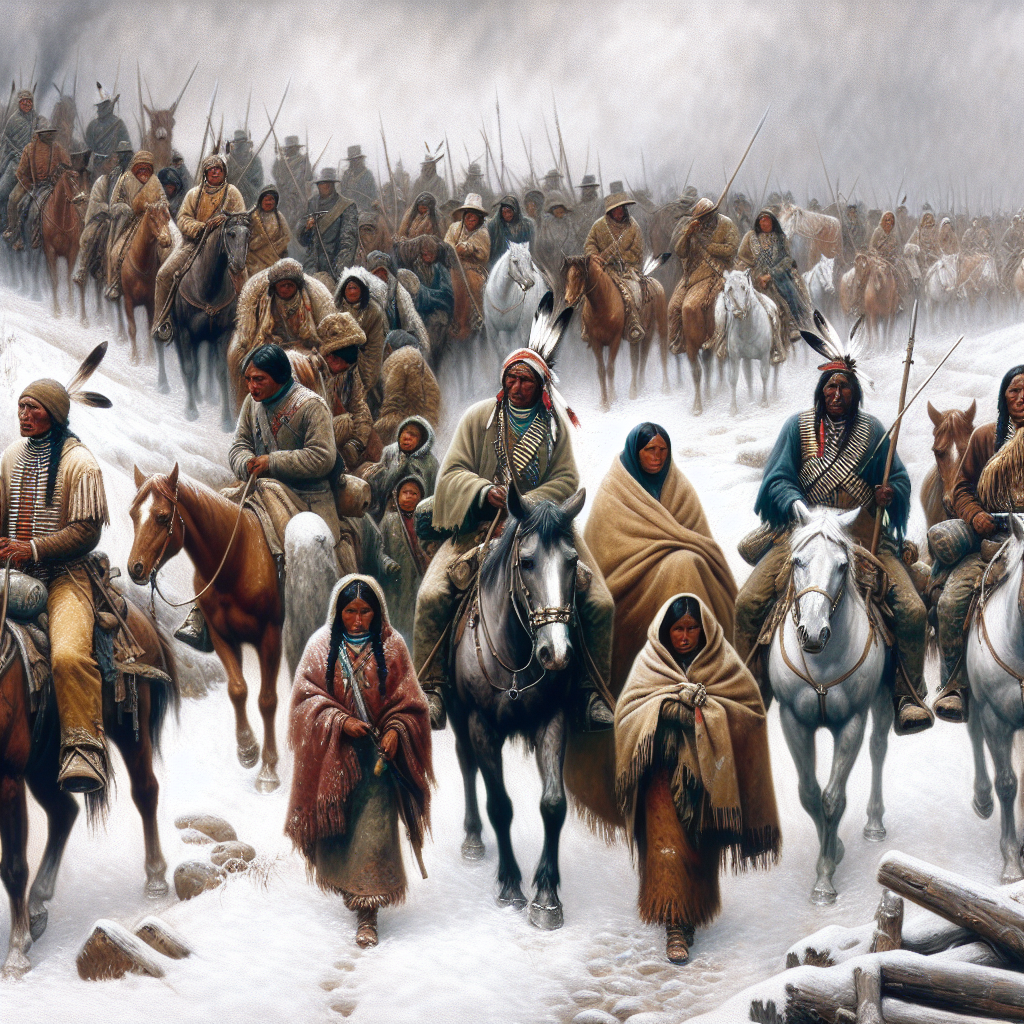
The reality of homesteading was more complicated than the mythology. One hundred sixty acres was too little to farm profitably on the semi-arid Great Plains without irrigation; the Dust Bowl of the 1930s was partly a product of plowing land that should not have been plowed by farmers who could not afford to stop. Fraud was endemic: land speculators hired dummy homesteaders to file claims and flip the land. Railroad companies, which received enormous federal land grants alongside the Homestead Act, often controlled the best land before settlers arrived. And the public land being distributed had in most cases recently been taken from Indigenous nations whose title was extinguished with varying degrees of legal formality.
The act excluded people who had taken up arms against the United States — Confederate veterans were initially barred — and its benefits flowed primarily to white settlers. Black Americans who tried to homestead in the South were frequently blocked by violence, fraud, and discriminatory enforcement. The Southern Homestead Act of 1866 attempted to direct southern public lands to freedpeople and white Unionists but was repealed in 1876 before producing meaningful results. The Homestead Act remained in force in Alaska until 1986. The total land distributed under its 124-year history amounted to roughly 270 million acres.


| Signed | May 20, 1862 |
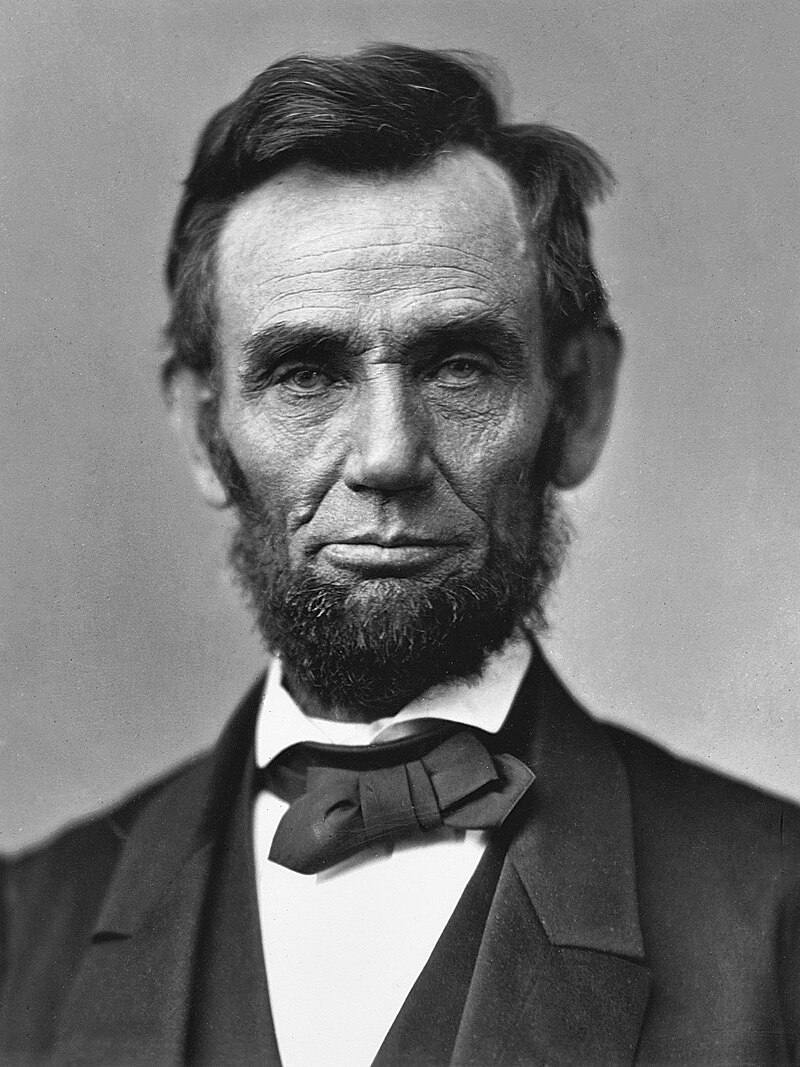
| President | Abraham Lincoln |
| Grant | 160 acres of public land |
| Requirements | $18 filing fee; 5 years residency; cultivation |
| Claims Filed | approx. 1.6 million; 600,000 successful |
| Land Distributed | approx. 270 million acres total |
| Repealed | 1976 (contiguous U.S.); 1986 (Alaska) |
| Date | May 20, 1862 |
| Location | Washington, D.C. |