Erie Canal
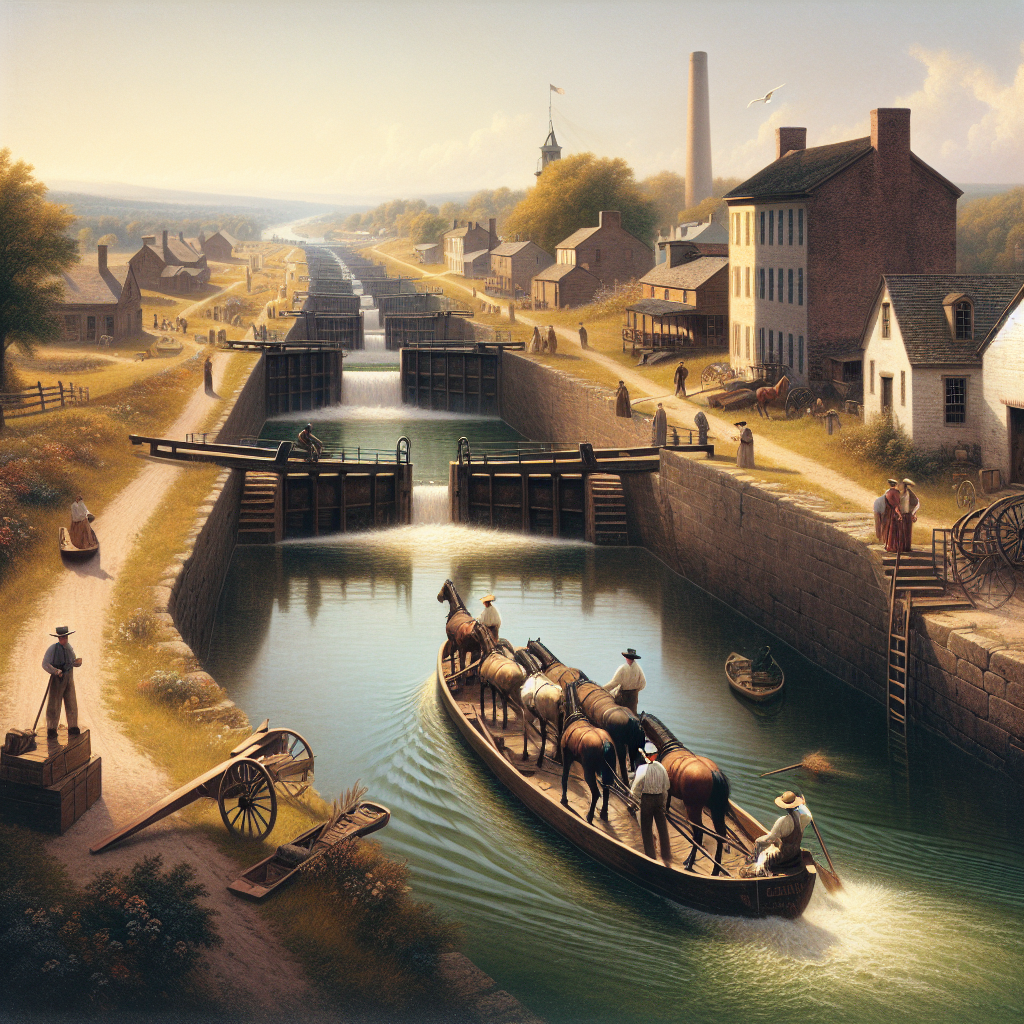
When Governor DeWitt Clinton of New York proposed digging a canal from the Hudson River to Lake Erie in 1817, Thomas Jefferson called it "a little short of madness." The canal would need to traverse 363 miles of wilderness, climb 565 feet in elevation through 83 locks, and be built by a young country with no professional engineers, no canal-building tradition, and no reliable workforce. It was finished in 1825, three years ahead of schedule, and it worked. The Erie Canal reduced the cost of shipping a ton of goods from Buffalo to New York City from $100 to $10 and the time from three weeks to eight days. It was the most consequential infrastructure project in American history before the transcontinental railroad, and unlike the railroad, it turned a profit almost immediately.
The canal's economic consequences rippled through the entire American interior. Grain from the Great Lakes states could suddenly reach Atlantic ports cheaply enough to compete in world markets, transforming Ohio, Indiana, Illinois, and eventually the Great Plains into agricultural powerhouses. New York City, already the country's largest port, consolidated its commercial dominance over Philadelphia and Baltimore — both of which had to scramble to build competing routes — and became the financial capital of a continent. The canal towns along its route — Utica, Syracuse, Rochester, Buffalo — grew from villages into cities in the span of a decade. The Great Lakes region was populated by people following the canal route west, a migration of remarkable speed and scale that prefigured the Oregon Trail.
The Erie Canal was also the occasion for one of the more remarkable governing performances in American history. Clinton proposed, funded, organized, and delivered the project against nearly universal skepticism, staked his political career on it, was removed from office during its construction, and was reelected in time to open it. The opening ceremony in October 1825 involved Clinton pouring a cask of Lake Erie water into New York Harbor — the "Wedding of the Waters" — in a gesture that correctly understood what had just happened: two bodies of water that nature had kept separate had been permanently joined by human decision, and everything that flowed through that connection would be different. It still is.


| Constructed | 1817–1825 |
| Length | 363 miles |
| Route | Albany (Hudson River) to Buffalo (Lake Erie) |
| Elevation change | 565 feet (via 83 locks) |
| Champion | Governor DeWitt Clinton of New York |
| Cost | ~$7 million (paid off by tolls within 9 years) |
| Shipping cost cut | $100/ton → $10/ton, Buffalo to New York |
| Opened | October 26, 1825 |
| Date | October 26, 1825 |
| Location | New York State |