Sitting Bull
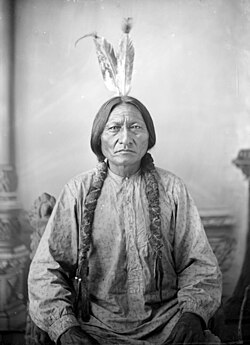
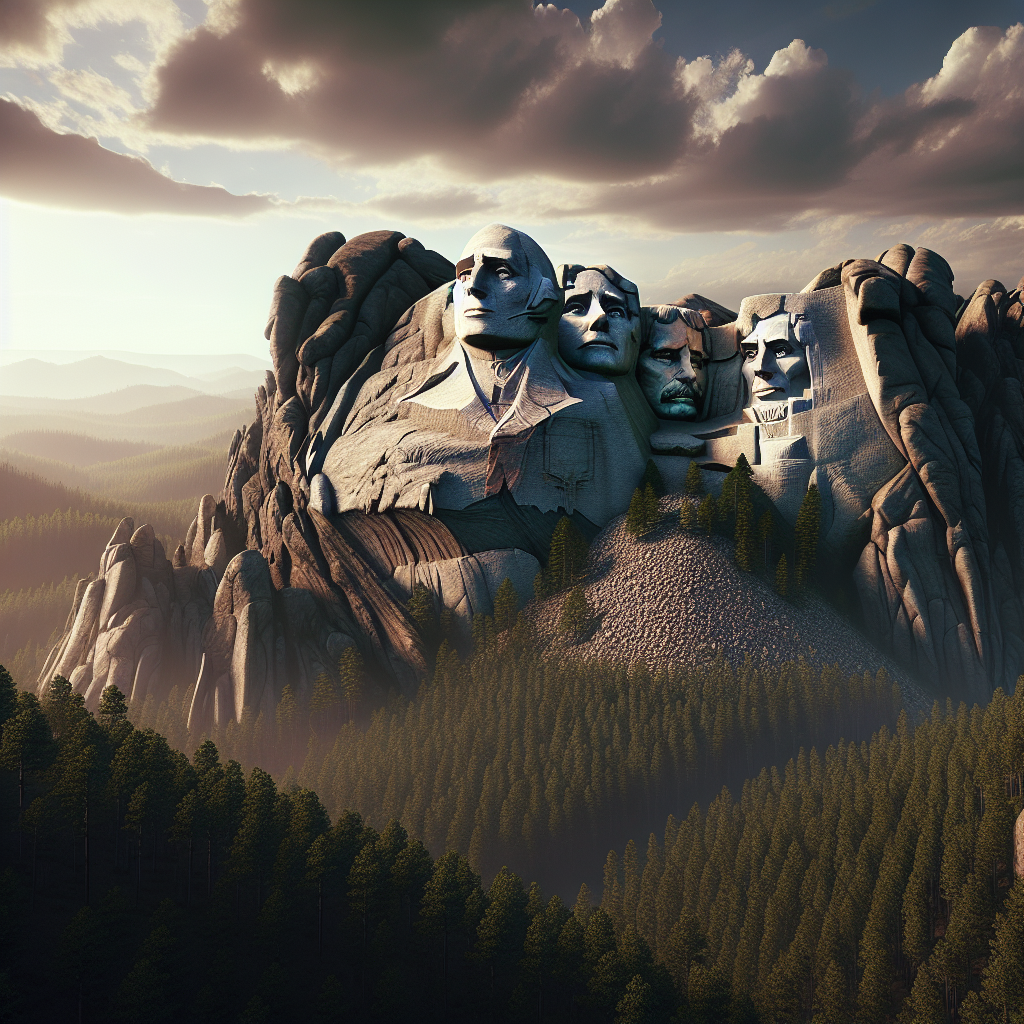
Sitting Bull had his first vision at age 14 and killed his first enemy warrior the same year. By the time the United States Army identified him as the most dangerous man on the northern plains, he was the only leader who had ever successfully united the otherwise fractious Lakota, Cheyenne, and Arapaho nations into a single fighting force. He was not primarily a war chief — he was a holy man, a political leader of extraordinary skill, and the spiritual architect of the resistance to American encroachment on the Black Hills, which the 1868 Treaty of Fort Laramie had guaranteed to the Lakota forever. The guarantee lasted until gold was discovered there in 1874.
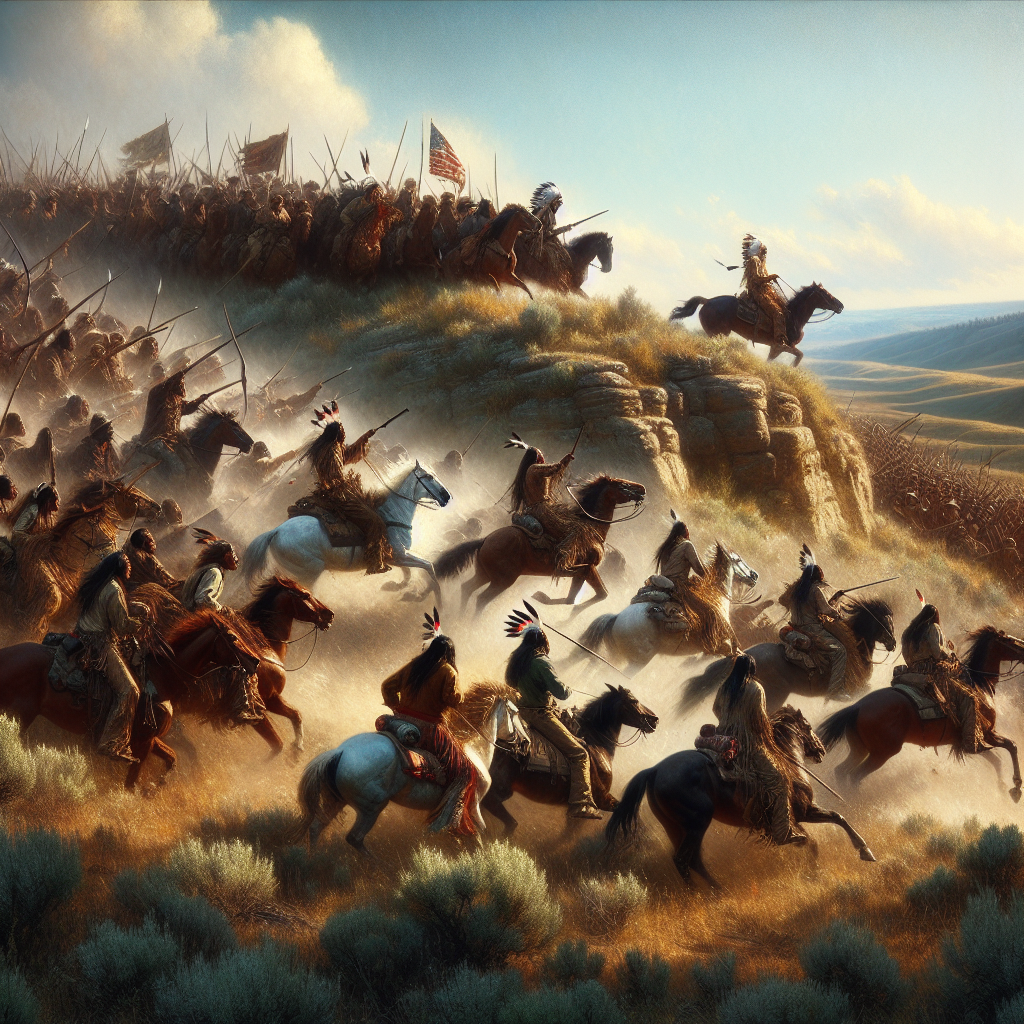
The Sun Dance vision Sitting Bull performed in June 1876 — cutting 100 pieces of flesh from his arms as an offering and dancing for 36 hours until he collapsed — produced a revelation: soldiers falling upside-down into a Lakota camp, a sign of total victory. Weeks later, on June 25, Lieutenant Colonel George Armstrong Custer led five cavalry companies into the Little Bighorn Valley and encountered the largest gathering of Plains warriors ever assembled. Not one of Custer's 210 men survived the battle. The U.S. Army responded by redoubling its campaign against the Plains nations, and within two years virtually every band had been forced onto reservations. The victory at Little Bighorn was the last great military triumph of the Plains nations, and the army made sure it was the last of any kind.
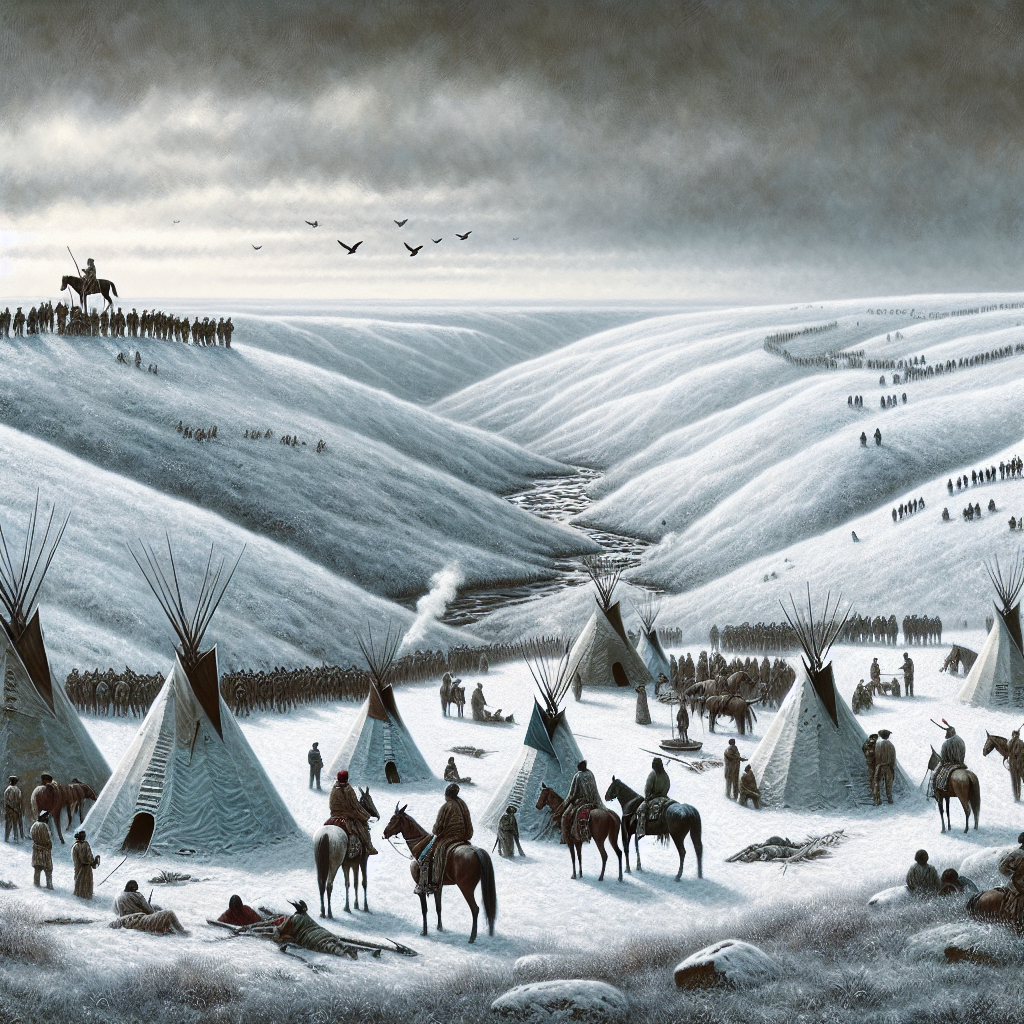
Sitting Bull surrendered in 1881 and spent the rest of his life negotiating the shrinking terms of reservation life, periodically touring with Buffalo Bill's Wild West show — an arrangement both men used instrumentally — and resisting every attempt to further reduce Lakota land. He was shot and killed by reservation police on December 15, 1890, during an attempt to arrest him amid fears that he was encouraging the Ghost Dance religious movement. His death was followed two weeks later by the massacre at Wounded Knee, where the 7th Cavalry killed at least 250 Lakota men, women, and children, ending the armed resistance of the Plains nations.
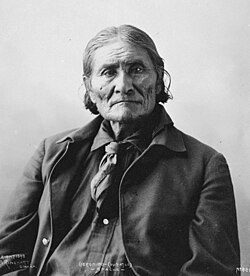
| Born | c. 1831 — Grand River, present-day South Dakota |
| Died | December 15, 1890 — Standing Rock, North Dakota |
| Nation | Hunkpapa Lakota |
| Role | Holy man, political leader, war chief |
| Key battle | Battle of Little Bighorn, June 25–26, 1876 |
| Surrendered | July 19, 1881 |
| Toured with | Buffalo Bill's Wild West, 1885 |
| Years | 1831–1890 |
| Location | Grand River, South Dakota |