Black Hawk
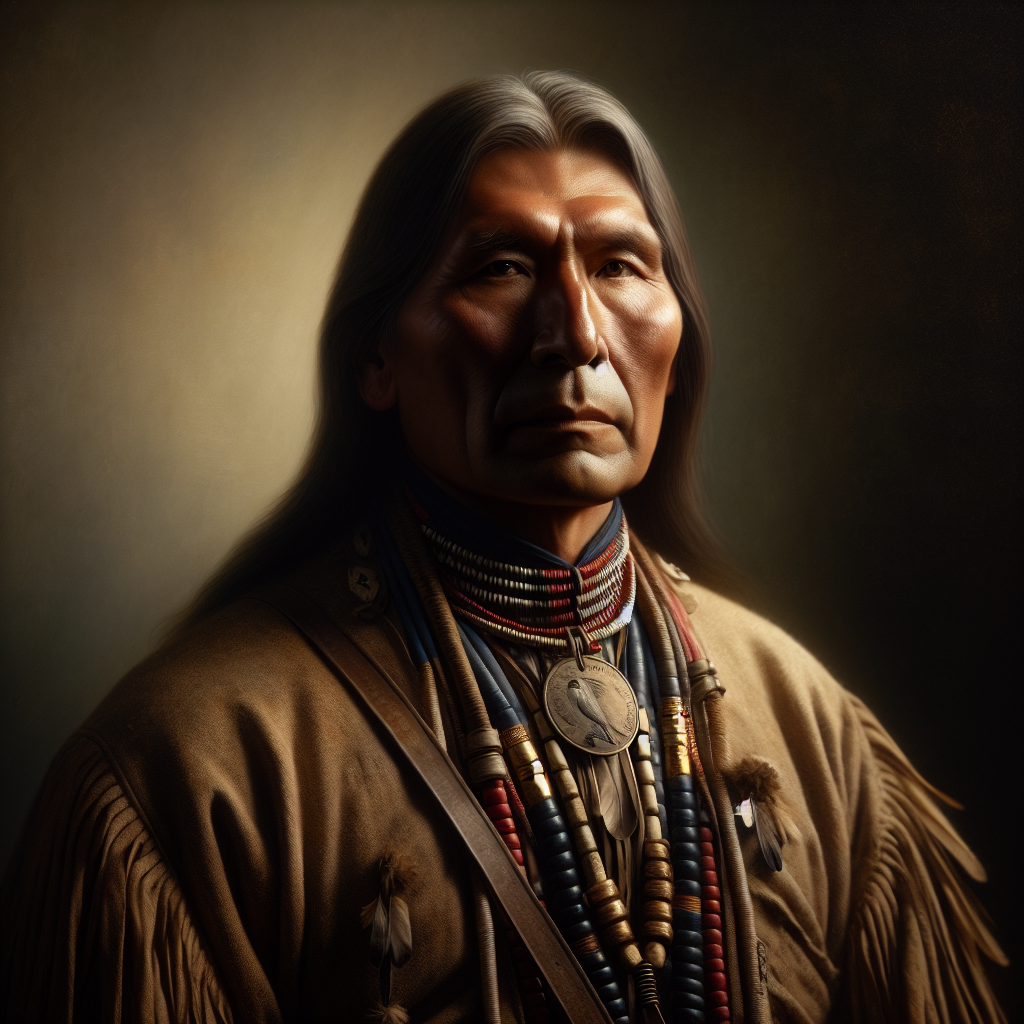
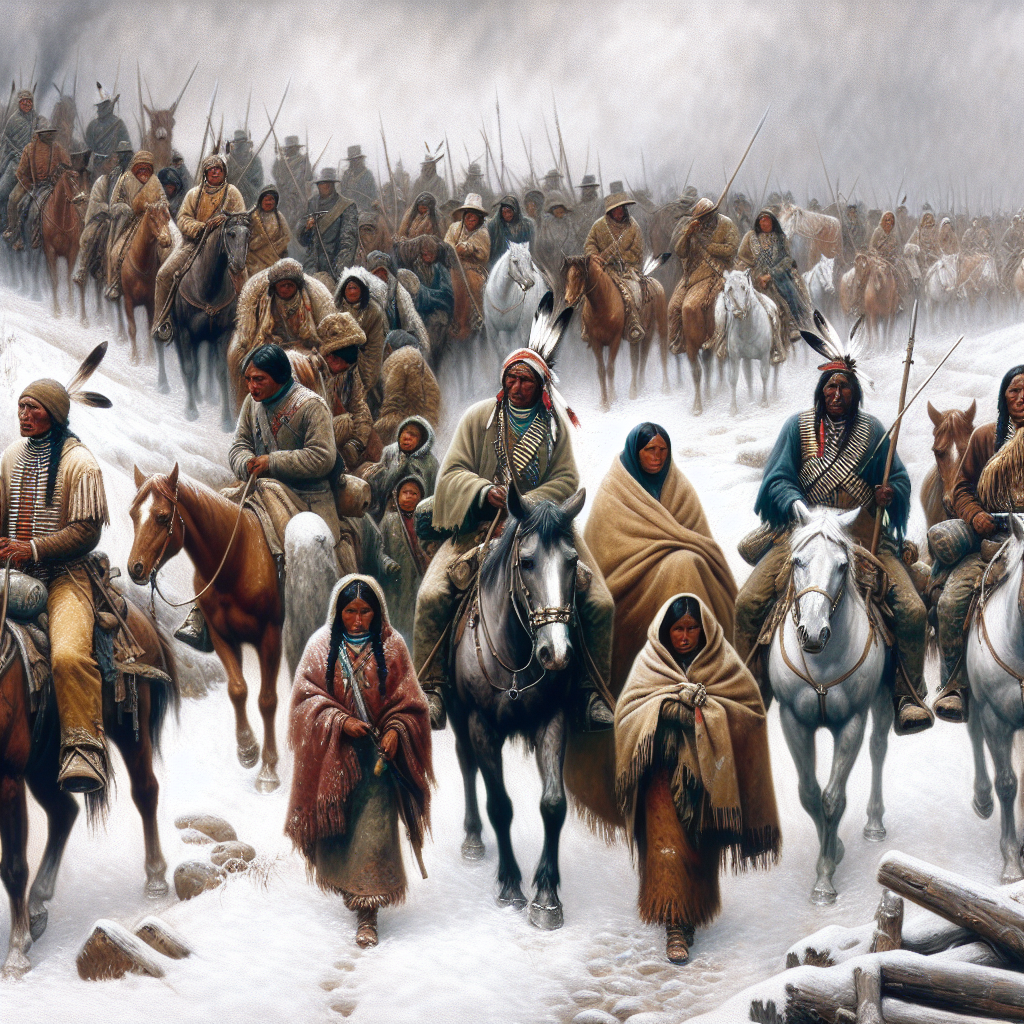
Black Hawk was 65 years old when he led a band of Sauk men, women, and children back across the Mississippi into Illinois in April 1832, reclaiming land his people had been pressured to cede a decade before. He called it a return; the U.S. government called it an invasion. What followed was a four-month running conflict through northern Illinois and into Wisconsin known as the Black Hawk War — the last armed Native resistance east of the Mississippi, and one of the most lopsided contests in the record of American frontier warfare.
The war ended at the Bad Axe River in August 1832, where U.S. forces and militia killed between 150 and 300 Sauk people, many of them women and children trying to cross into Iowa. Black Hawk was captured and taken east in chains — where something unexpected happened. In Washington, Philadelphia, New York, and Boston, crowds turned out to see him. Newspapers covered his tour. Americans who had cheered the war looked at this 65-year-old prisoner and found themselves uncertain about what they had done. Black Hawk was not what frontier mythology required its enemies to be.
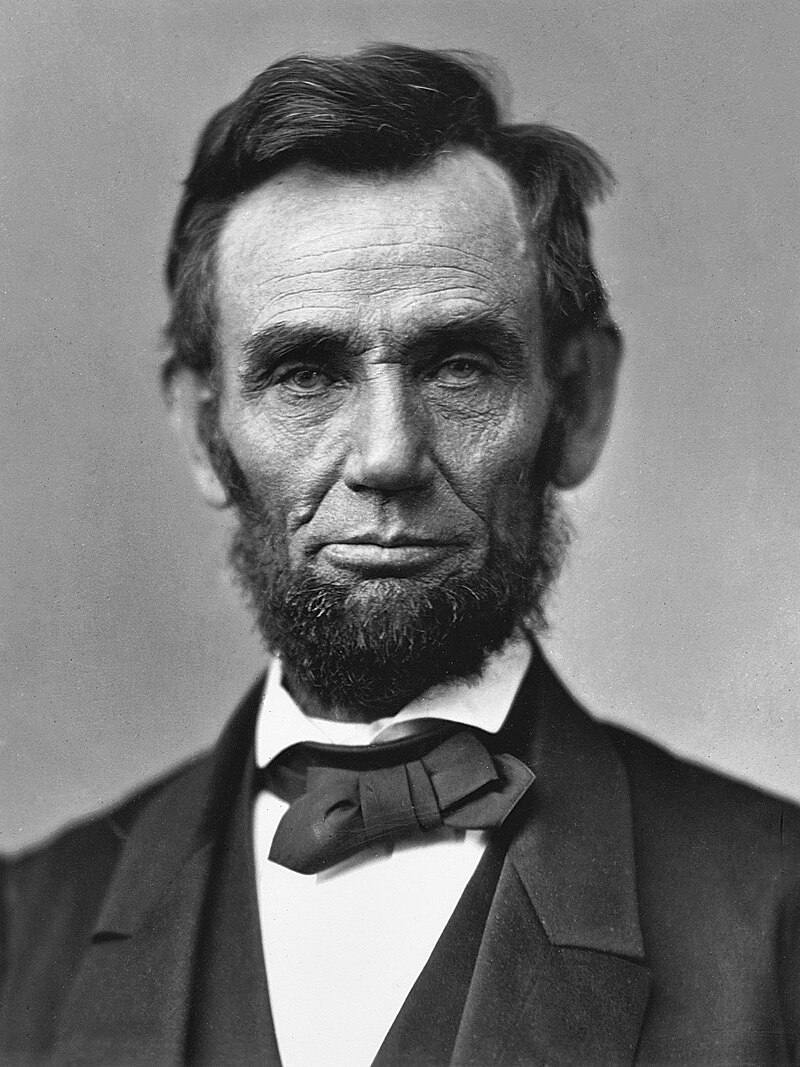
His autobiography, dictated through an interpreter in 1833, was the first published memoir by a Native American leader and one of the most quietly devastating documents in the literature of American expansion. He died in Iowa in 1838, on land the government had assigned him after his defeat. Abraham Lincoln, then a 23-year-old militia captain, served in the Black Hawk War without seeing combat — he later joked that his battles were against mosquitoes. The conflict left marks wider than its size, and Black Hawk's memoir left a record that his conquerors could not erase.
| Born | c. 1767 — Saukenuk (present-day Rock Island, Illinois) |
| Died | October 3, 1838 — present-day Iowa |
| People | Sauk (Sac) Nation |
| Conflict | Black Hawk War, April–August 1832 |
| Decisive Battle | Battle of Bad Axe, August 2, 1832 |
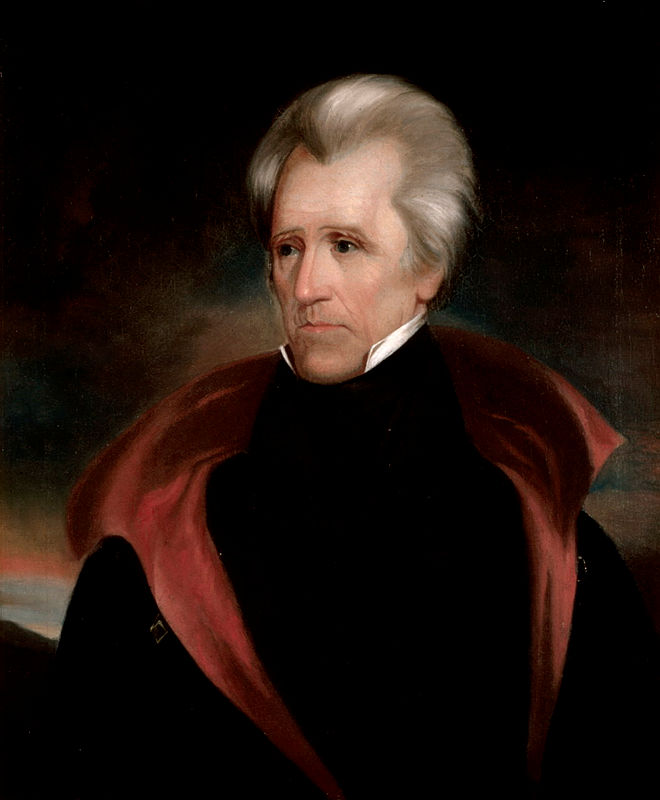
| Post-War | Captured; toured Eastern cities; met President Andrew Jackson |
| Memoir | Life of Ma-ka-tai-me-she-kia-kiak (1833) — first Native American autobiography |
| Years | 1767–1838 |
| Location | Saukenuk (present-day Rock Island, Illinois) |