Brigham Young
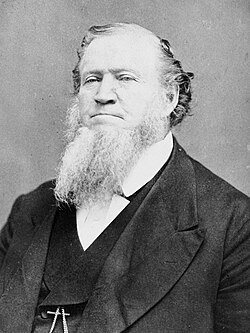
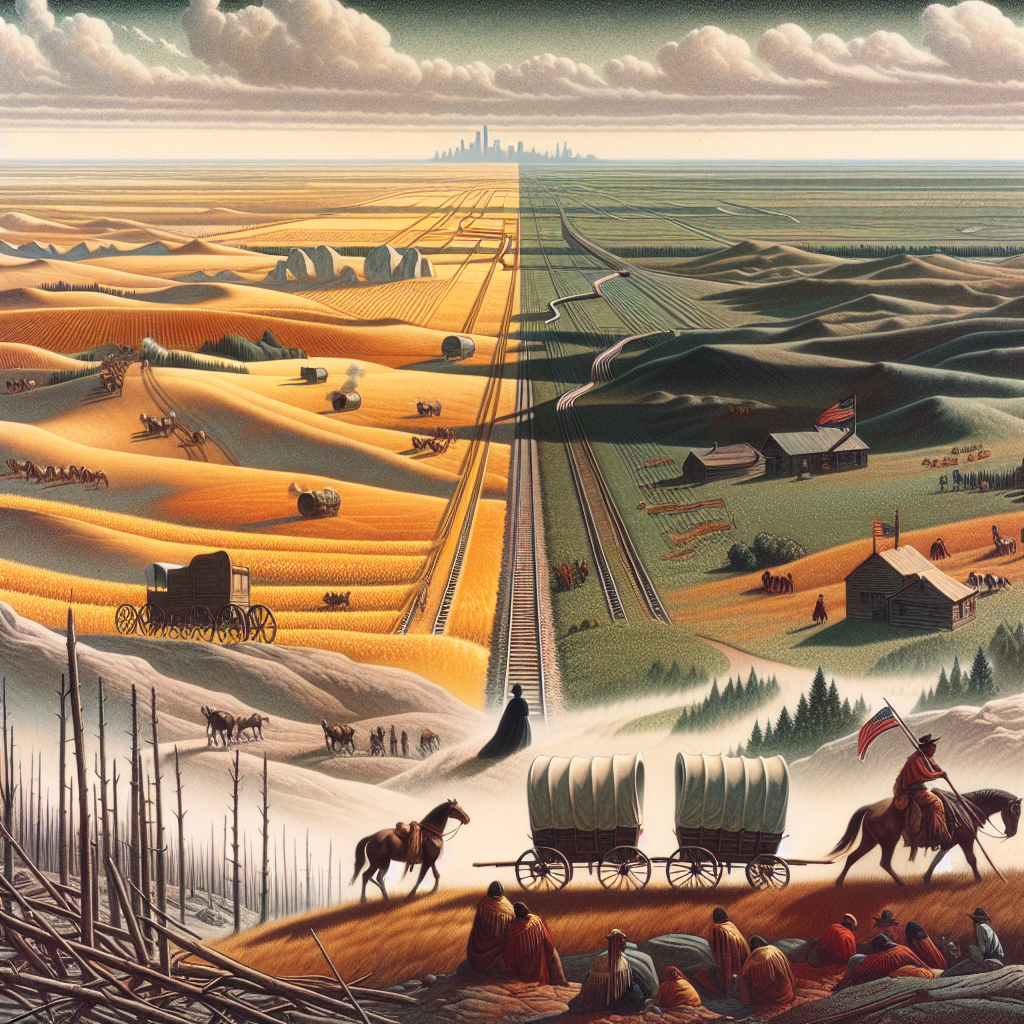
When Joseph Smith was killed by a mob in Carthage, Illinois, in June 1844, the young Church of Jesus Christ of Latter-day Saints faced the crisis that kills most new religious movements: the death of its founder. What saved it was Brigham Young. A carpenter by trade and a natural administrator, Young seized the church's leadership, organized the largest voluntary overland migration in American history, and led roughly 70,000 people across 1,300 miles of unmapped wilderness to a valley no one else wanted.
Young arrived in the Salt Lake Valley in July 1847, surveyed the barren alkali flats below the Wasatch Mountains, and declared it the right place. Within a decade it was: an irrigation system that turned desert into farmland, a capital city laid out in precise grids, a theocratic government that Young ran as both prophet and civil executive, and a network of settlements across the Great Basin from Idaho to the Mojave. His organizational genius was as much economic and political as spiritual — he directed crop planting, craft production, and immigration flows with the precision of a military logistics officer.
Young's practice of polygamy — he married 55 women and fathered 56 children — put him in direct and sustained conflict with the federal government. The 1857–58 Utah War sent 2,500 U.S. troops into the territory, though the confrontation ended without battle. Congress passed the Morrill Anti-Bigamy Act in 1862 and the Edmunds Act in 1882 specifically to suppress plural marriage in Utah. Young died in 1877 unbroken, and the church abandoned polygamy in 1890 as the price of statehood — a price Young had refused to consider paying.
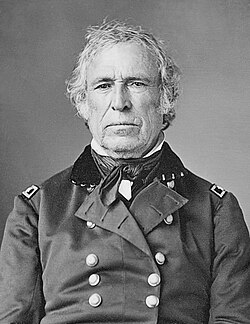
| Born | June 1, 1801 — Whitingham, Vermont |
| Died | August 29, 1877 — Salt Lake City, Utah |
| Role | President/Prophet, LDS Church, 1844–1877 |
| Migration led | ~70,000 Mormon pioneers to Utah, 1847–1869 |
| Arrived Salt Lake | July 24, 1847 |
| Wives | 55 |
| Children | 56 |
| Territorial Governor | Utah Territory, 1851–1858 |
| Years | 1801–1877 |
| Location | Salt Lake City, Utah |