Transcontinental Railroad
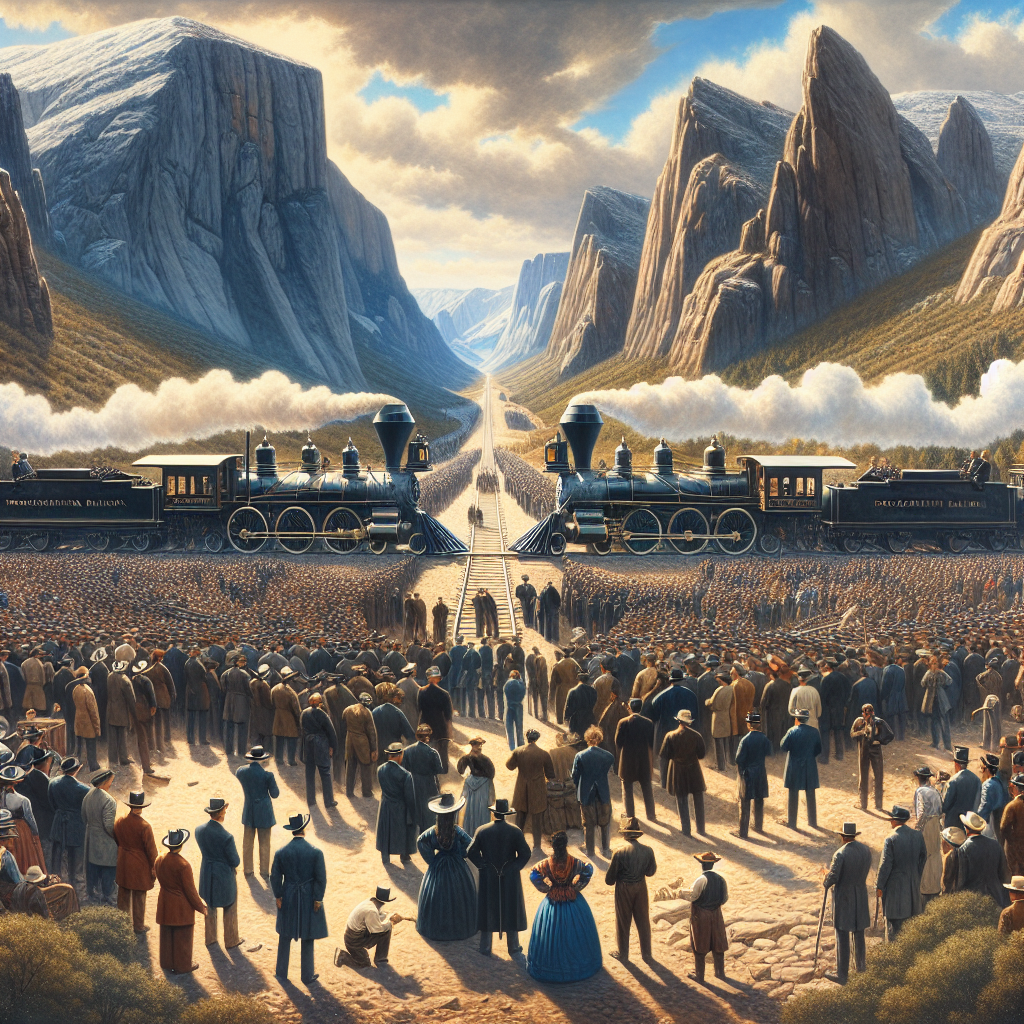
On May 10, 1869, a golden spike was driven into the earth at Promontory Summit, Utah, completing a continuous rail line from the Missouri River to the Pacific coast. The moment was telegraphed to both coasts simultaneously, triggering celebrations from Sacramento to Washington. What the telegraph transmitted — and the celebrations obscured — was a more complicated story: a project built on Chinese immigrant labor in the west and Irish immigrant labor in the east, across land seized from Native nations whose way of life the railroad would systematically destroy, financed through one of the largest corruption schemes in American history.
The Central Pacific hired roughly 20,000 Chinese workers, paying them less than their white counterparts and assigning them the most dangerous tasks, including hand-drilling and detonating nitroglycerin through the Sierra Nevada granite. The Union Pacific pushed west from Omaha using largely Irish crews, Civil War veterans, and formerly enslaved men. Both railroads were financed through federal land grants and bond subsidies manipulated by the Crédit Mobilier scandal, which eventually ensnared a sitting vice president and a dozen congressmen. The railroad was built fast, built corrupt, and built to last.
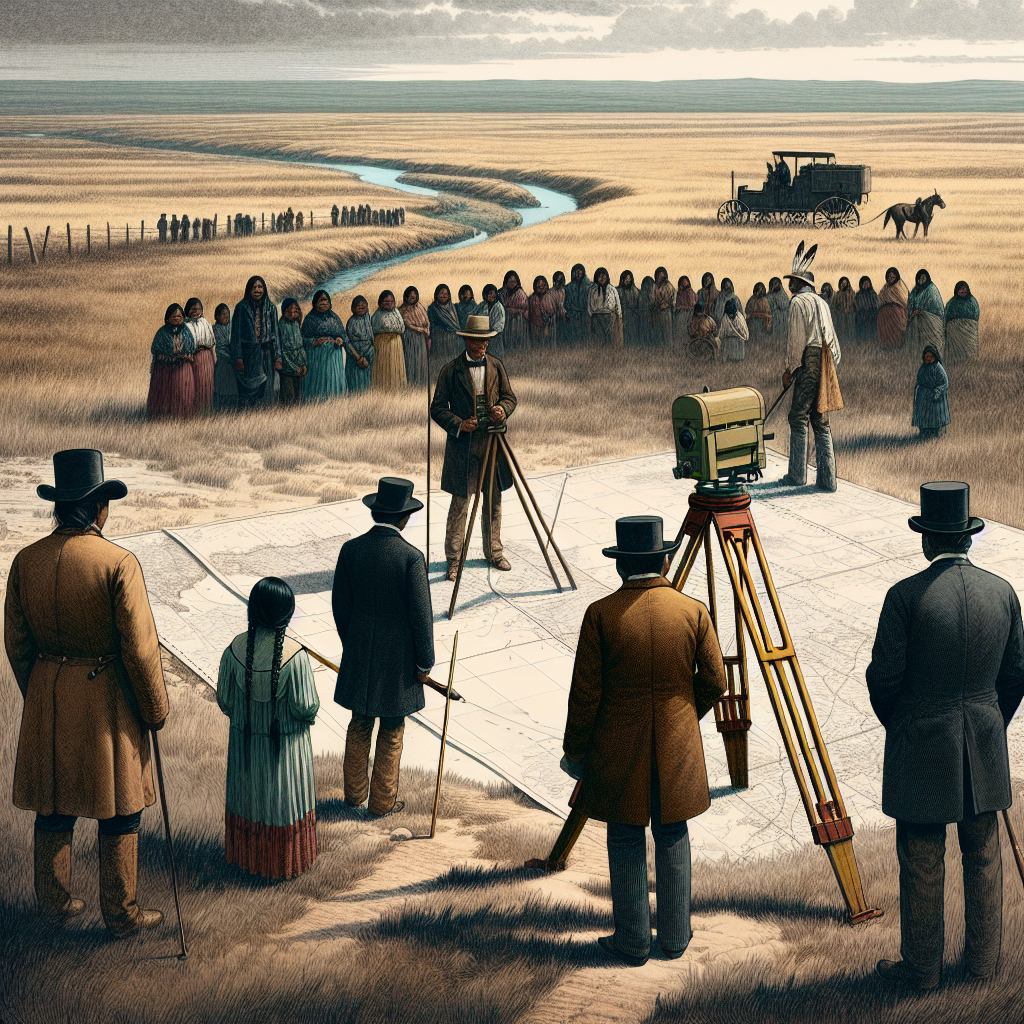
The consequences reshaped the country within a decade. Travel time from New York to San Francisco fell from six months to six days. Cattle ranching, wheat farming, and mining became viable at continental scale. More than 1,500 towns were founded along the route in the railroad's first decade. For the Plains nations — Lakota, Cheyenne, Arapaho, and others — the railroad brought a flood of settlers and commercial buffalo hunters who eliminated the herds that structured their entire civilization. Roughly 30 to 60 million buffalo roamed the plains before the railroad; fewer than 1,000 remained by 1889.



| Completed | May 10, 1869 — Promontory Summit, Utah |
| Total length | ~1,912 miles |
| Eastern builder | Union Pacific Railroad (Omaha west) |
| Western builder | Central Pacific Railroad (Sacramento east) |
| Chinese workers | ~20,000 |
| Federal land granted | ~44 million acres |
| Travel time cut | 6 months → 6 days, New York to San Francisco |
| Date | May 10, 1869 |
| Location | Promontory Summit, Utah |