Tecumseh
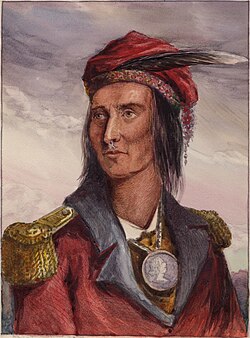
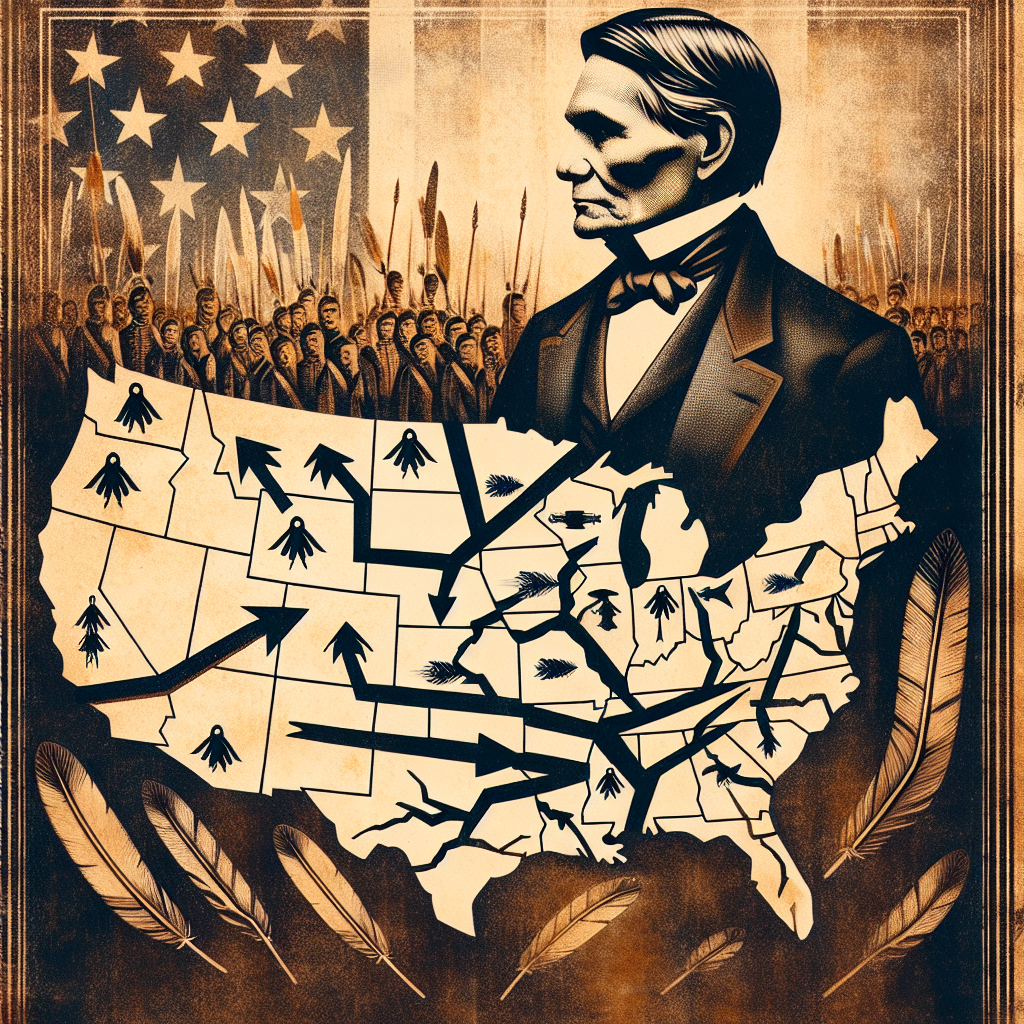
Tecumseh understood something most Indigenous leaders of his era did not have the opportunity to act on: that the only way to resist American expansion was collectively, across tribal boundaries that the Americans would exploit one treaty at a time. Between roughly 1805 and his death in 1813, he traveled from the Great Lakes to the Gulf of Mexico assembling a confederacy of tribes on the principle that no individual nation had the right to cede land that belonged to all Indigenous people. He came closer to stopping American westward expansion than anyone before or after him.
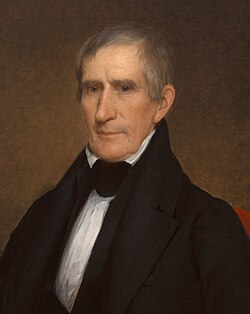
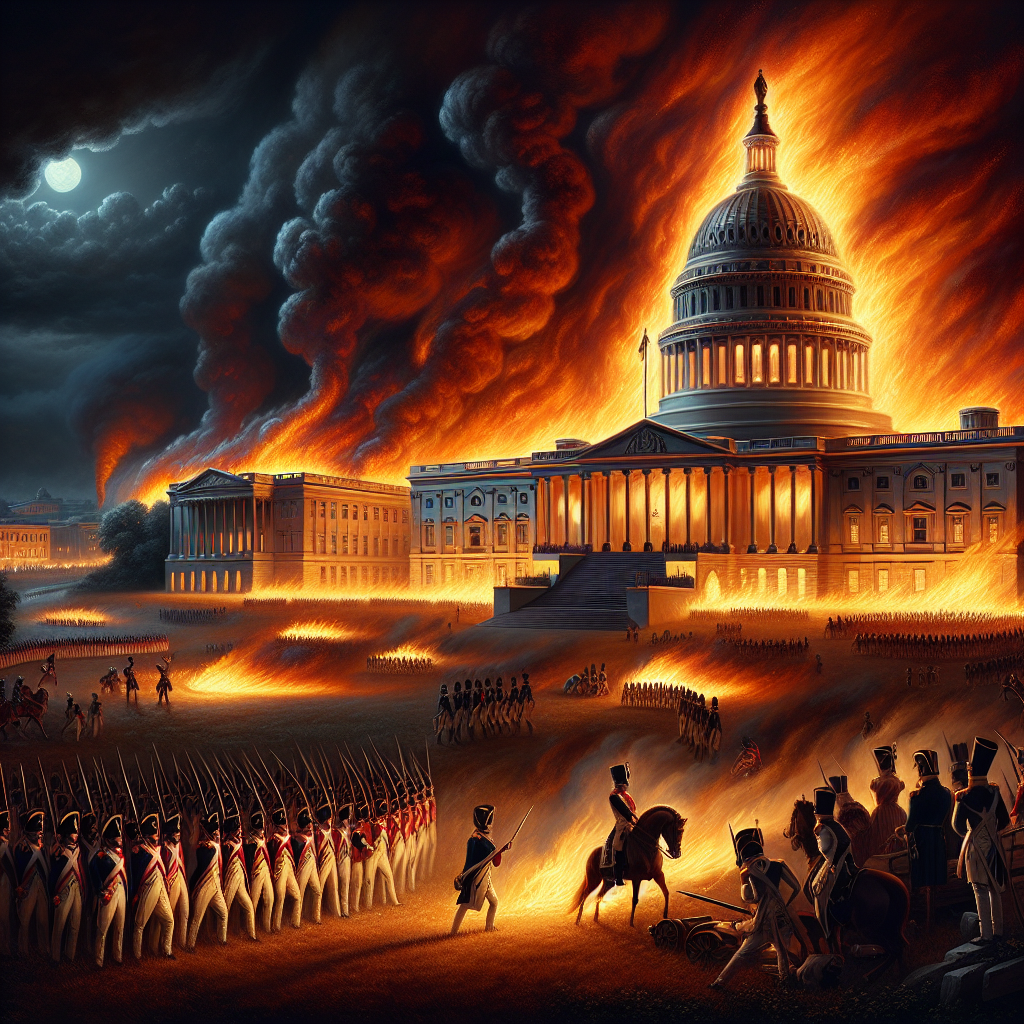
Tecumseh's political vision was inseparable from his brother Tenskwatawa, the Prophet, whose spiritual revival movement rejected American goods, customs, and alcohol. The brothers established Prophetstown at the confluence of the Tippecanoe and Wabash rivers in present-day Indiana. While Tecumseh was traveling to recruit new allies, William Henry Harrison led American forces to Prophetstown and defeated the Prophet's followers at the Battle of Tippecanoe in 1811 — a blow from which the confederacy never fully recovered. When the War of 1812 began, Tecumseh allied with the British, seeing it as an opportunity to reverse American expansion with military backing.
Tecumseh was killed at the Battle of the Thames in present-day Ontario on October 5, 1813. With him died the confederacy he had spent nearly a decade building. American soldiers reportedly skinned strips of his body as souvenirs — a final indignity that said as much about their fear of him as about their victory. His defeat cleared the way for the removal policies that would culminate in the Trail of Tears two decades later. In both the United States and Canada he is remembered as one of the most gifted political and military leaders the continent has produced.
| Born | c. March 1768 — present-day Ohio |
| Died | October 5, 1813 — Battle of the Thames, present-day Ontario |
| Nation | Shawnee |
| Confederacy | Pan-tribal alliance from Great Lakes to Gulf of Mexico |
| Allied with | British forces during War of 1812 |
| Key Battle | Battle of Tippecanoe (1811); Battle of the Thames (1813) |
| Years | 1768–1813 |
| Location | Prophetstown, Indiana Territory |