California Gold Rush
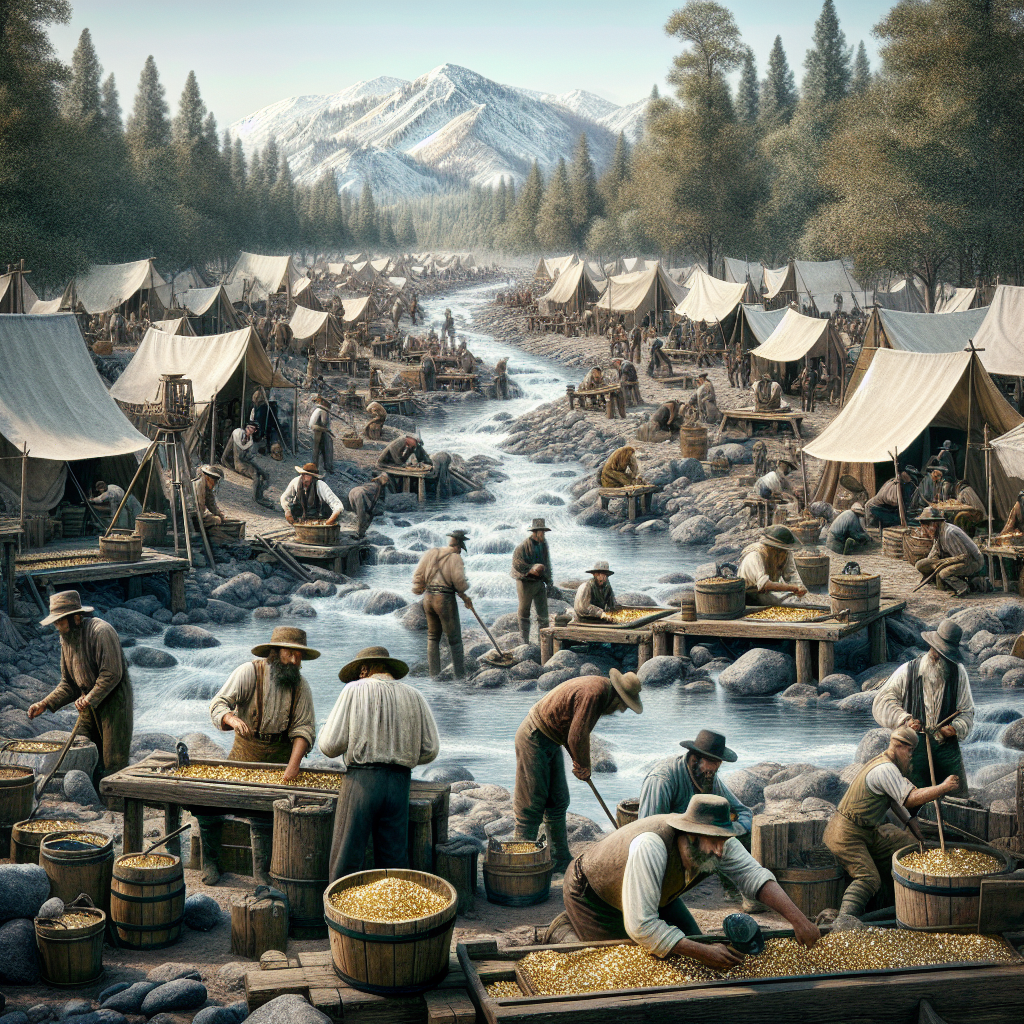
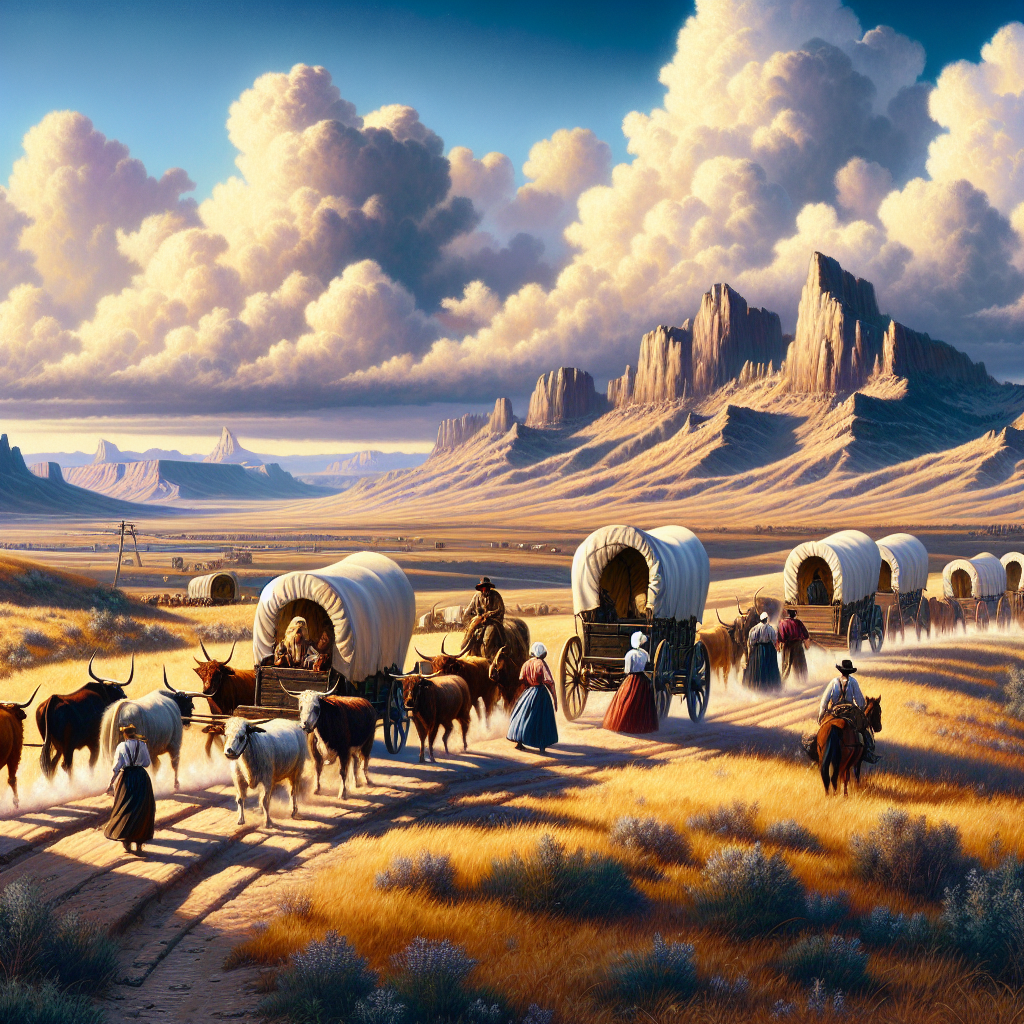
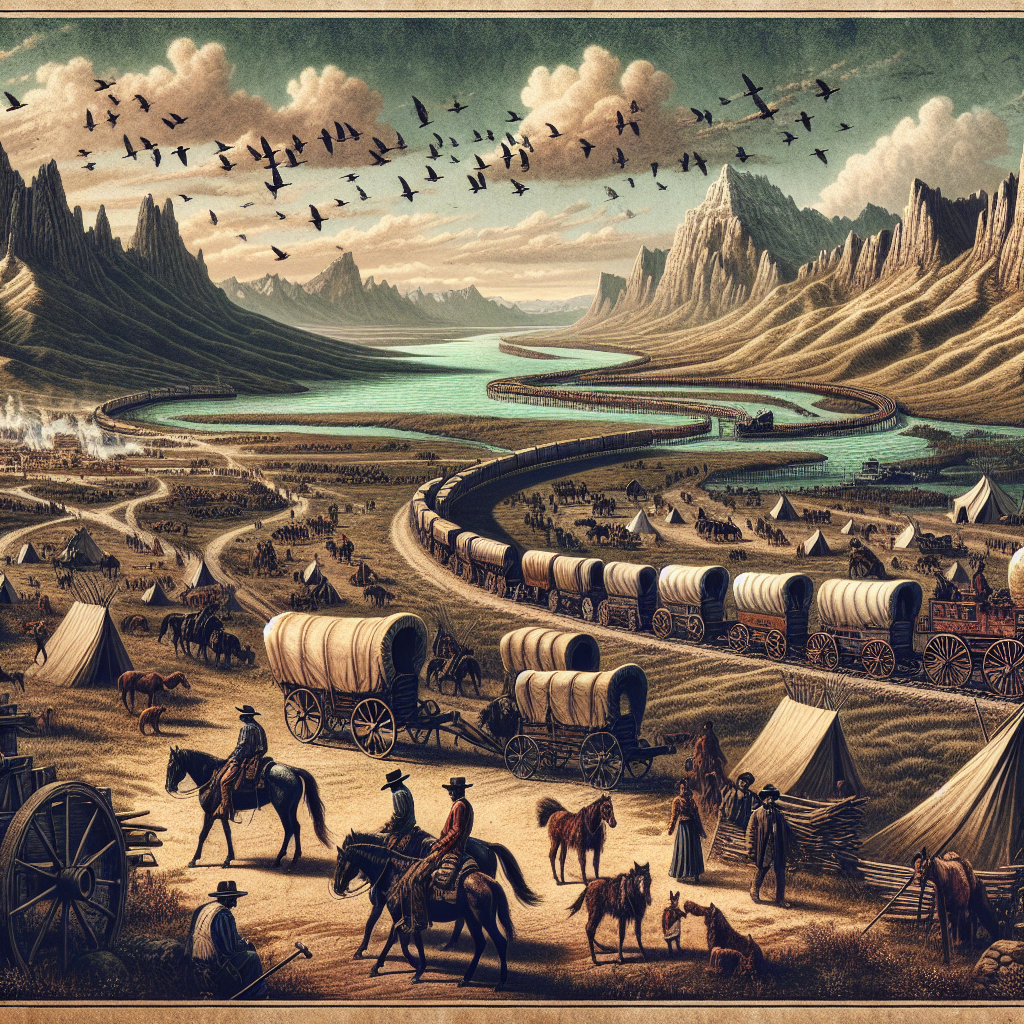
On January 24, 1848, James Marshall spotted flakes of gold in the millrace at Sutter's Mill on the American River in northern California. Within a year, roughly 80,000 people had poured into California from the eastern United States, Latin America, Europe, China, and Australia — the largest single-year migration in American history to that point. They came overland across the continent, around Cape Horn by ship, and through the malaria-ridden jungles of Panama. San Francisco, a village of 1,000 in 1848, became a city of 25,000 by 1850. California became a state that same year, skipping the territorial phase entirely.
The Gold Rush was a world-historical event compressed into a few years. It drew California into the American orbit with a speed that no planned settlement could have achieved, forced the question of California's status as free or slave territory into the center of national politics, and helped produce the Compromise of 1850 that bought the Union another decade. The miners who came — the "forty-niners" — encountered a California already inhabited by Native Californians, Spanish-speaking Californios, and recently arrived Mexicans, all of whom were systematically dispossessed as American law and American numbers arrived together.
For Indigenous Californians, the Gold Rush was a catastrophe of the first order. The Native population of California fell from an estimated 150,000 in 1848 to roughly 30,000 by 1870 — killed by disease, violence, enslavement, and starvation as miners flooded their lands and the state government funded militia campaigns against them. Chinese miners, who had come in large numbers and worked diligently, were targeted by discriminatory taxes, expulsion, and ultimately federal exclusion. The Gold Rush created California's foundational mythology of opportunity and reinvention while simultaneously encoding the exclusions and violences that have run through the state's history ever since.


| Discovery | January 24, 1848 — Sutter's Mill, Coloma, California |
| Peak Years | 1848–1855 |
| Migrants | approx. 300,000 total; 80,000 in 1849 alone |
| California Statehood | September 9, 1850 — admitted as free state |
| Gold Extracted | approx. $2 billion at period prices over 7 years |
| Native Impact | California Native population fell from ~150,000 to ~30,000 by 1870 |
| Date | January 24, 1848 |
| Location | Coloma, California |