Kansas-Nebraska Act
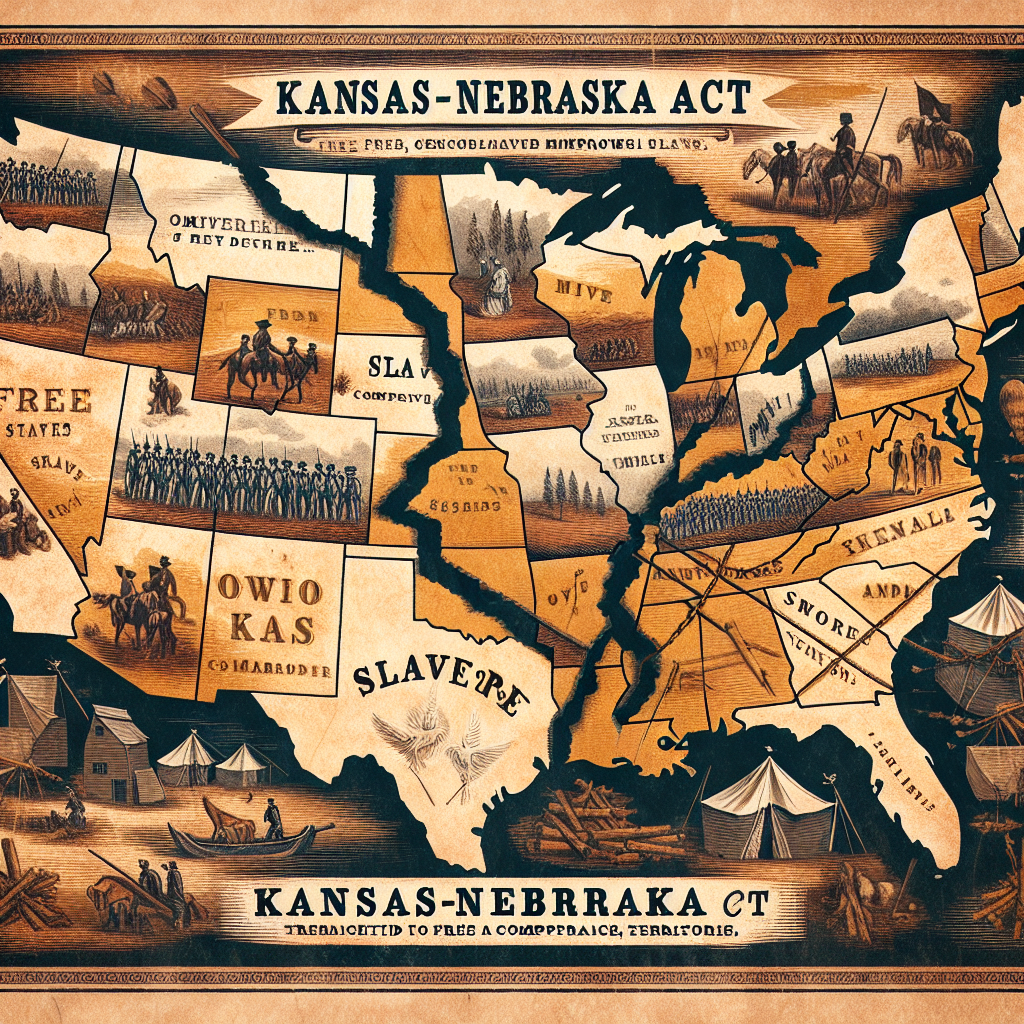
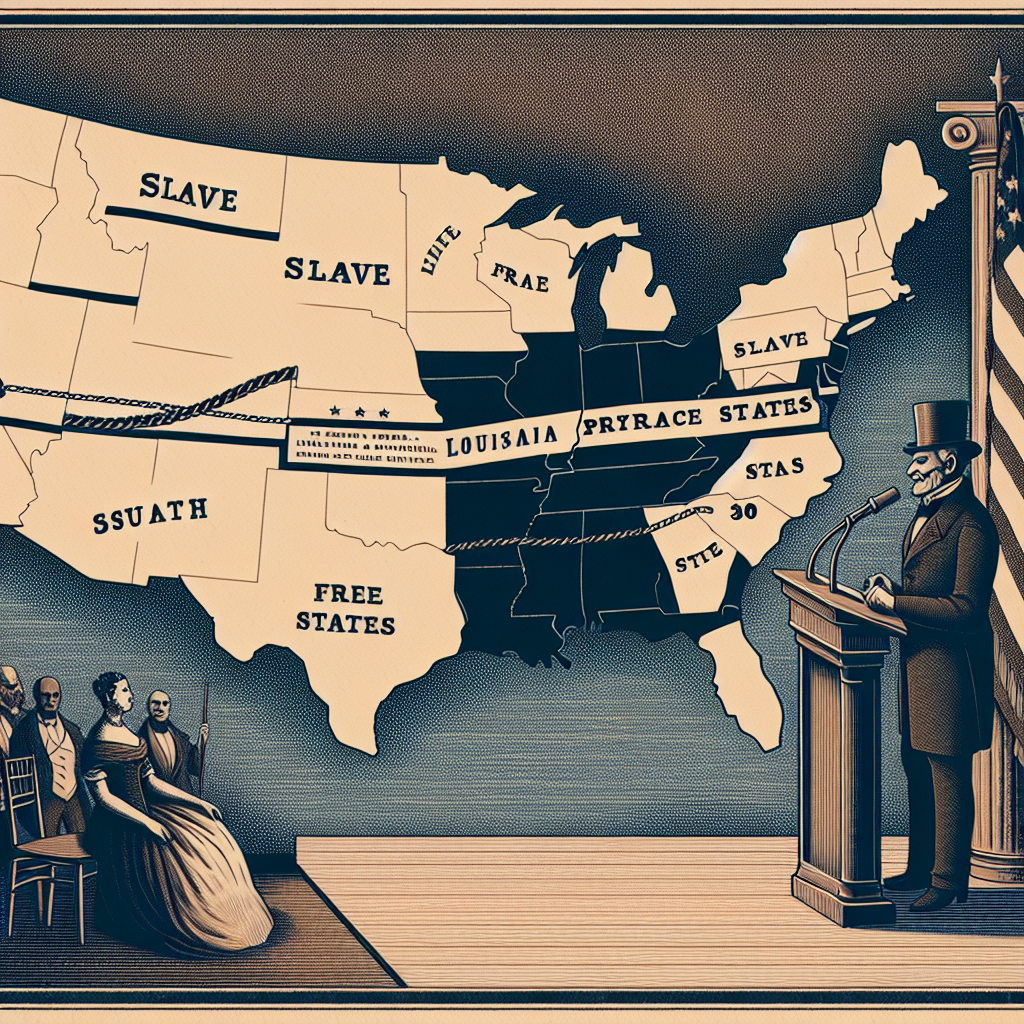
The Kansas-Nebraska Act of 1854 was supposed to settle the question of slavery's westward expansion through popular sovereignty — letting the settlers of each new territory decide for themselves. Instead, it tore open the wound the Missouri Compromise of 1820 had partially closed, ignited a guerrilla war in Kansas, destroyed the Whig Party, gave birth to the Republican Party, and set the United States on a course toward civil war. Few pieces of legislation in American history produced consequences so dramatically opposite to their stated intentions.
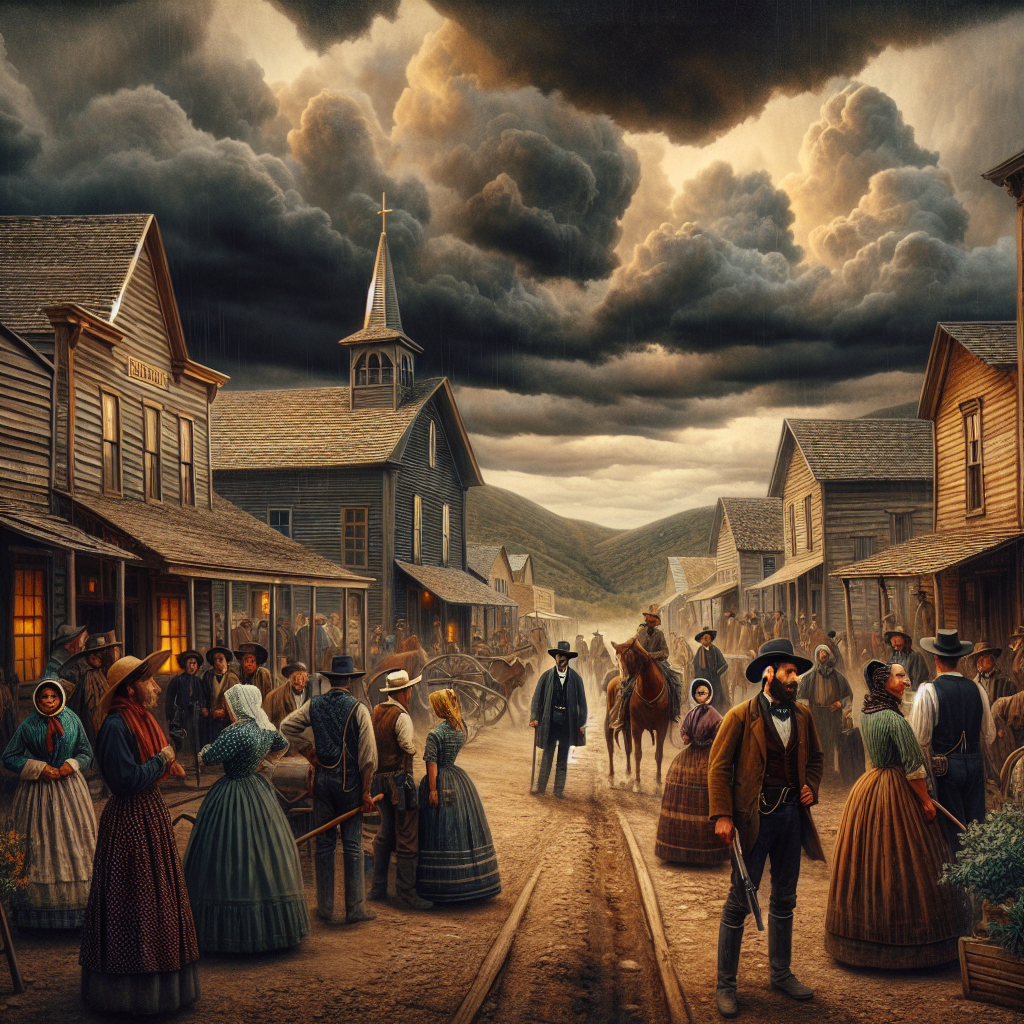
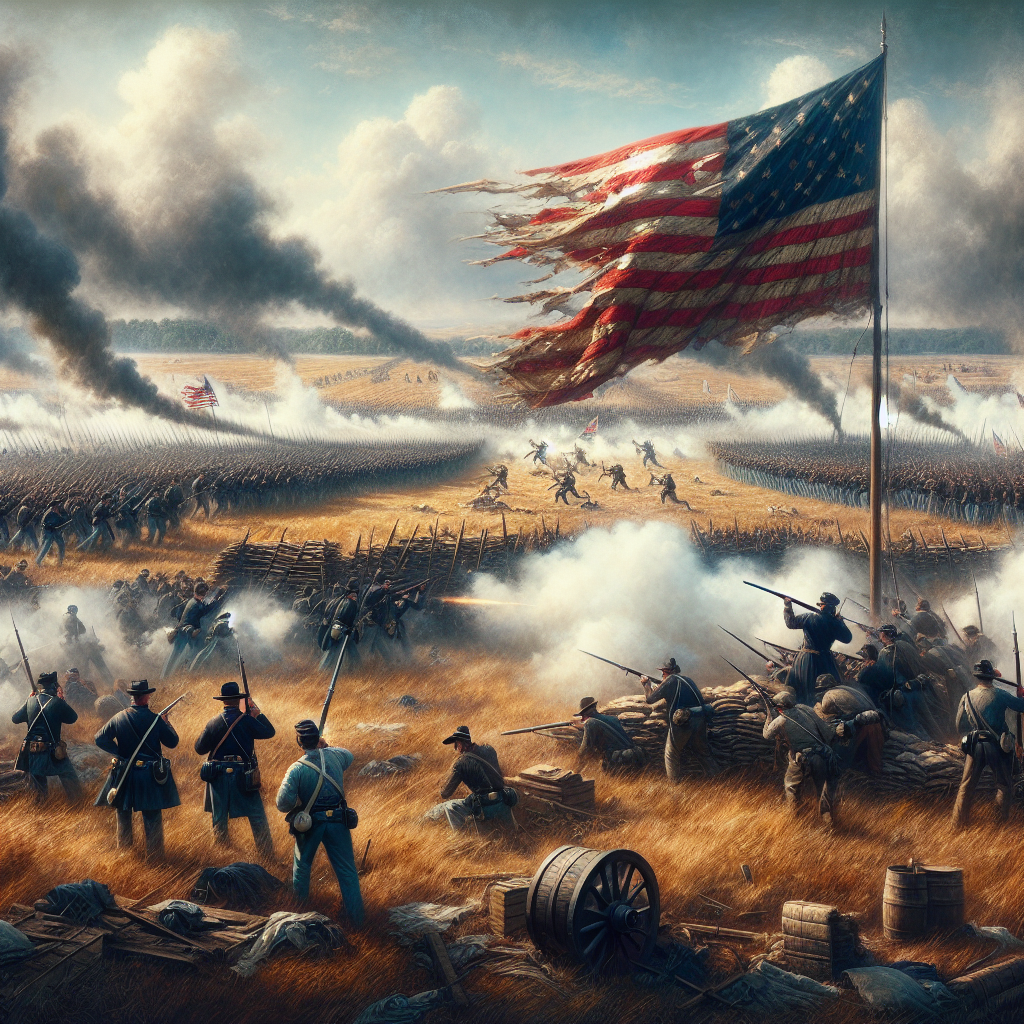
Sponsored by Illinois Senator Stephen Douglas, who wanted a northern transcontinental railroad route and was willing to make almost any political deal to get it, the act effectively repealed the Missouri Compromise by allowing slavery north of the 36°30' line. The immediate result was "Bleeding Kansas" — pro-slavery and anti-slavery settlers flooded the territory, established rival governments, and attacked each other in raids that prefigured the larger war to come. John Brown's massacre of pro-slavery settlers at Pottawatomie Creek in 1856 was one product of the chaos the act unleashed.
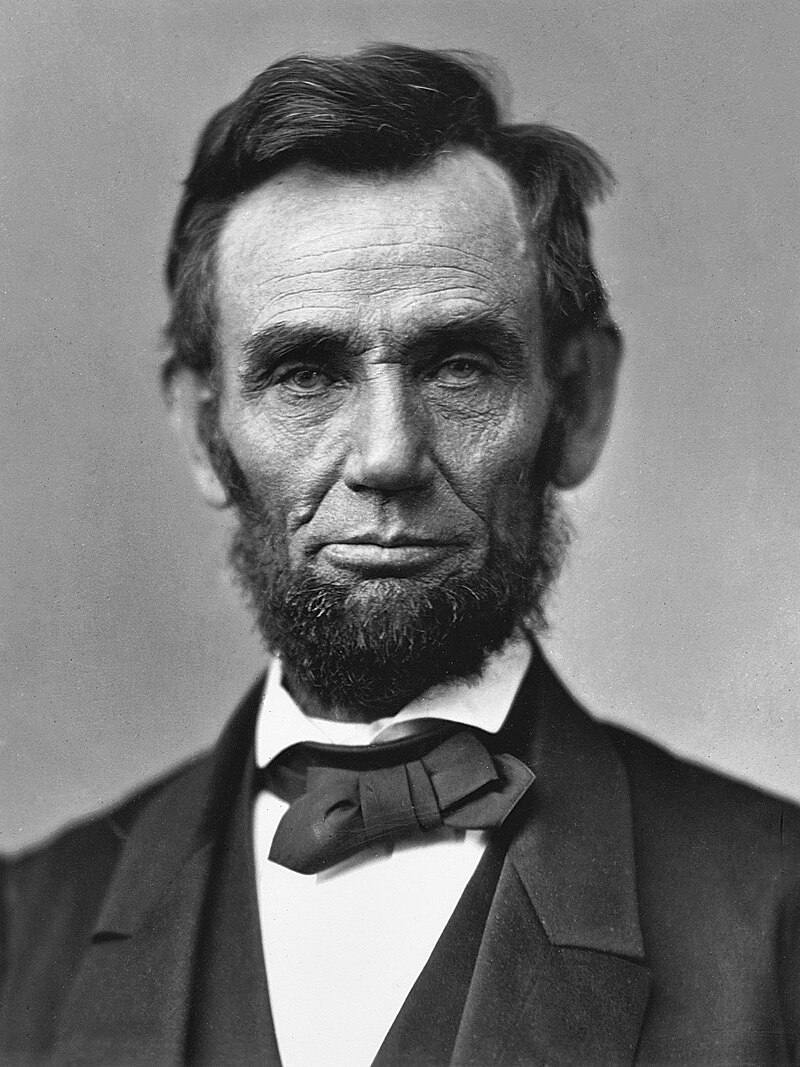
The act also produced Abraham Lincoln. Roused from semi-retirement by what he called the "covert real zeal" for the spread of slavery, Lincoln re-entered politics to oppose Douglas and the act's implications directly. Their debates over its meaning — culminating in the Lincoln-Douglas Senate debates of 1858 — became the crucible in which Lincoln's antislavery argument was sharpened into the position that carried him to the presidency two years later.
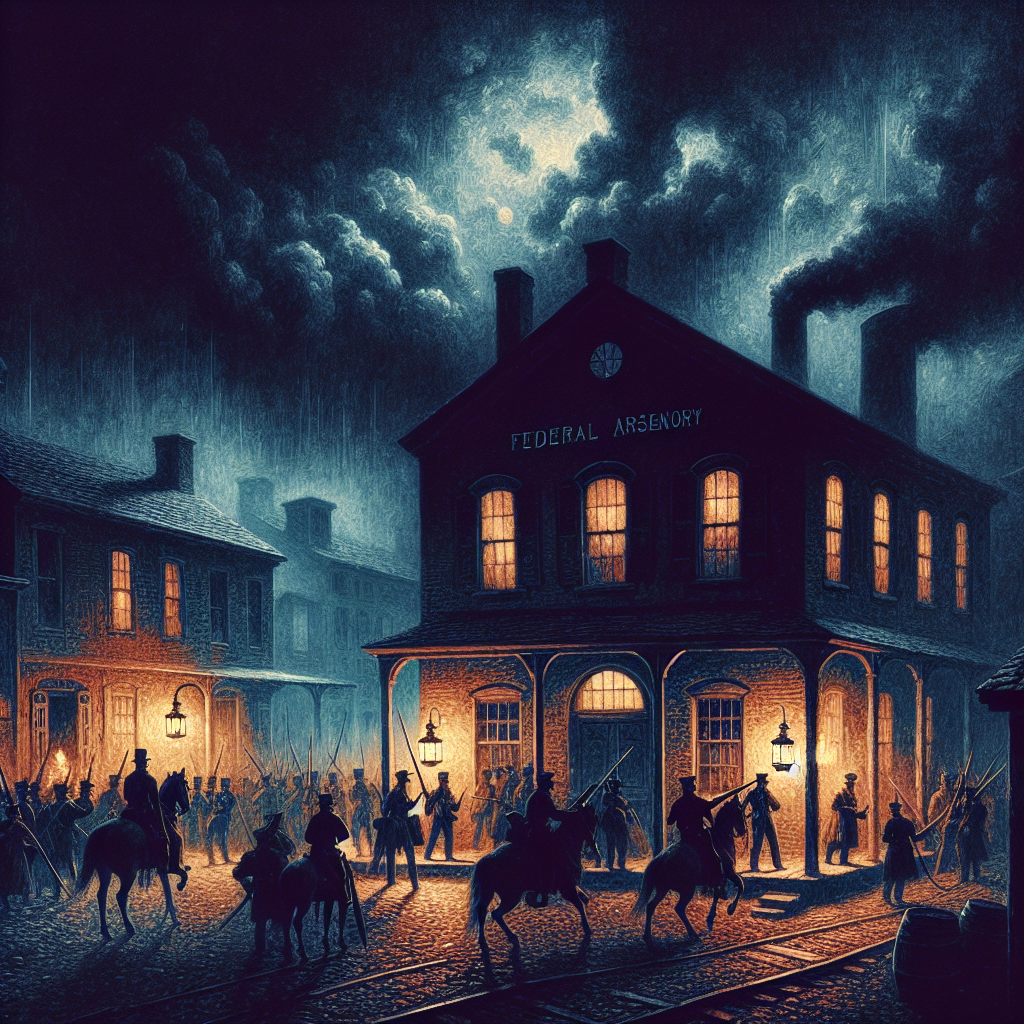
| Passed | May 30, 1854 |
| Sponsor | Senator Stephen A. Douglas (Illinois) |
| Key Provision | Popular sovereignty on slavery in Kansas and Nebraska |
| Repealed | Missouri Compromise of 1820 |
| Immediate Result | Bleeding Kansas; rival pro- and anti-slavery governments |
| Political Impact | Destroyed Whig Party; launched Republican Party |
| Date | May 30, 1854 |
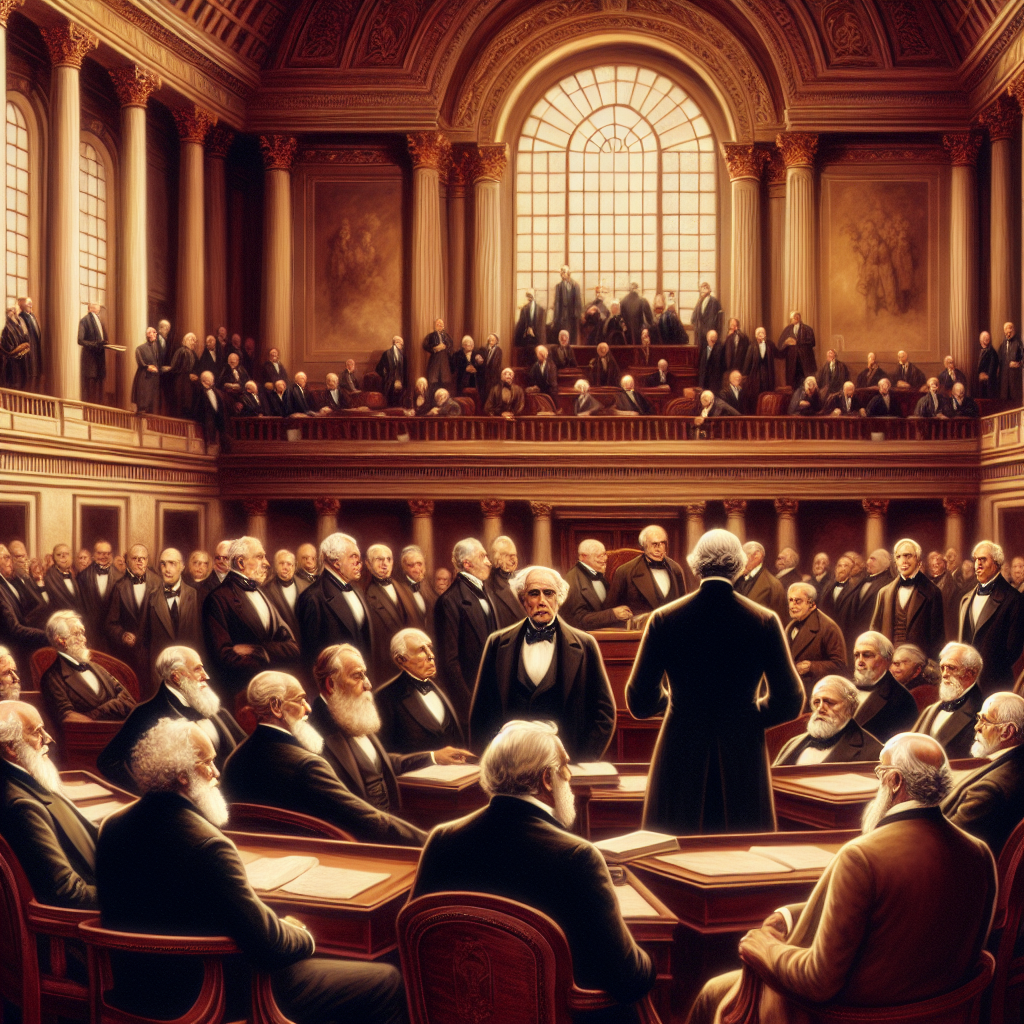
| Location | Washington, D.C. |