The Frontier Thesis
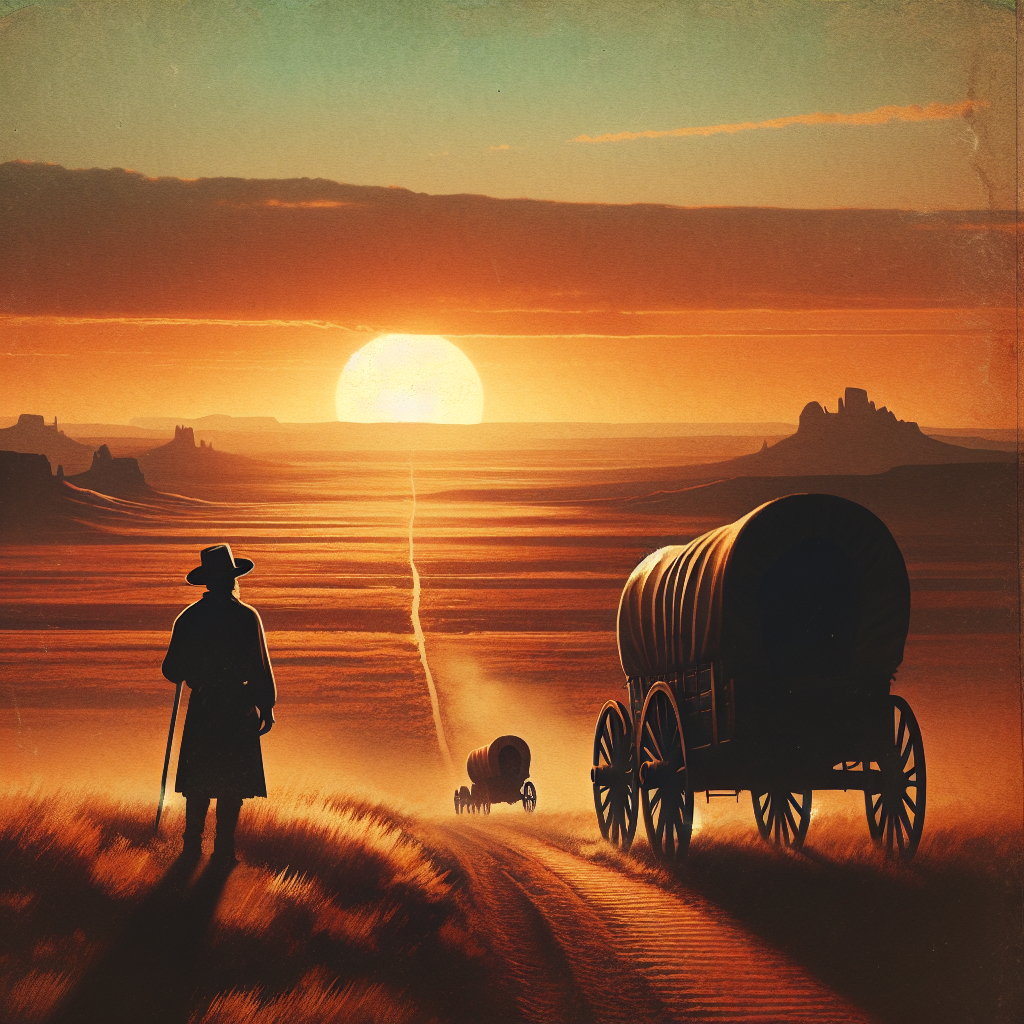
On July 12, 1893, a young historian named Frederick Jackson Turner stood before a gathering of colleagues at the World's Columbian Exposition in Chicago and delivered a paper that would shape how Americans thought about themselves for the next century. Turner's argument was elegant and sweeping: American democracy, individualism, and national character had been forged not by European inheritance but by the repeated experience of meeting and mastering a moving frontier. The wilderness had made the American. Now, the 1890 census had declared the frontier officially closed — and Turner wanted his audience to understand what that meant.
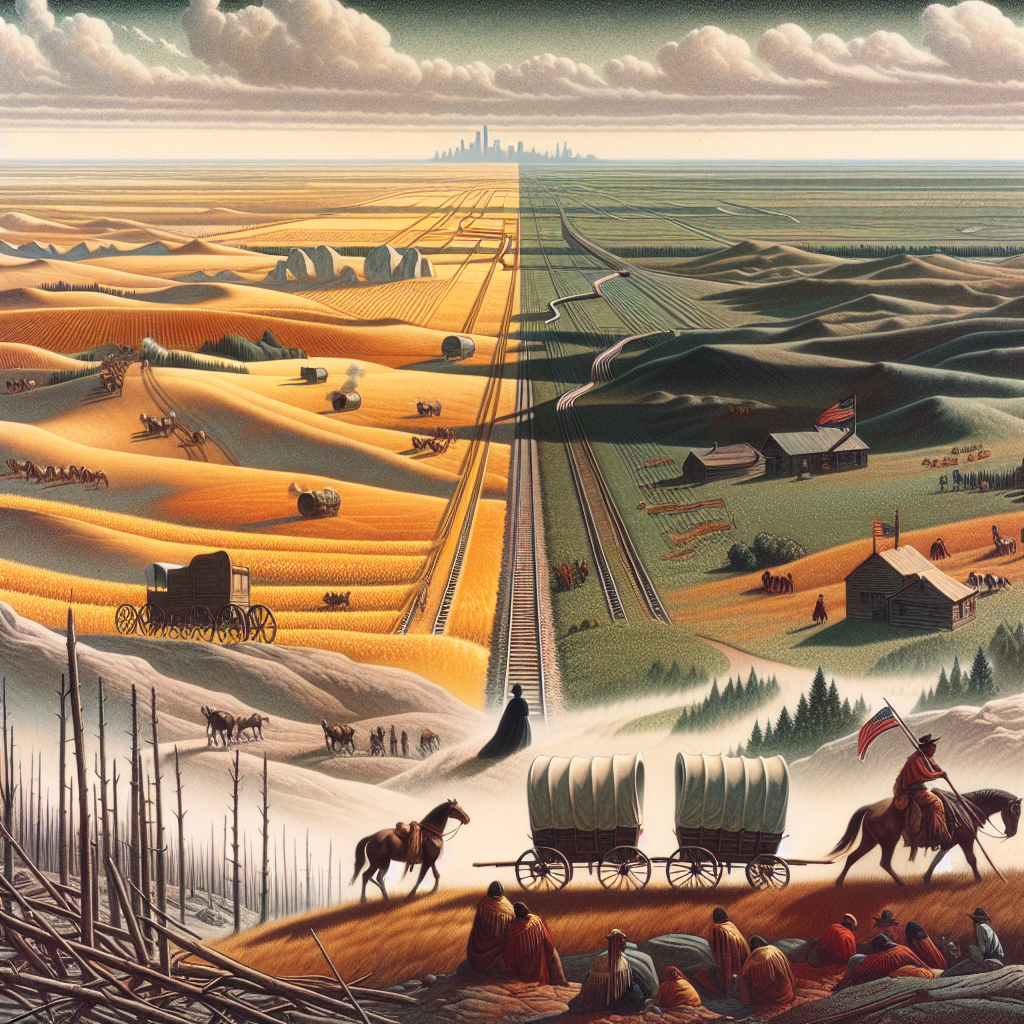
The Frontier Thesis arrived at a moment of genuine national anxiety. The continent had been crossed, the land distributed, the Native peoples confined. The release valve that Turner argued had absorbed social discontent, rewarded individual ambition, and regenerated democratic institutions was gone. His paper didn't offer solutions — it raised a question that American politics would spend the next century trying to answer: where does a democracy without a frontier direct its restless energy? The answers would include overseas empire, the Progressive reform movement, and the New Deal — each, in its way, a different substitute for the frontier's promise of renewal.
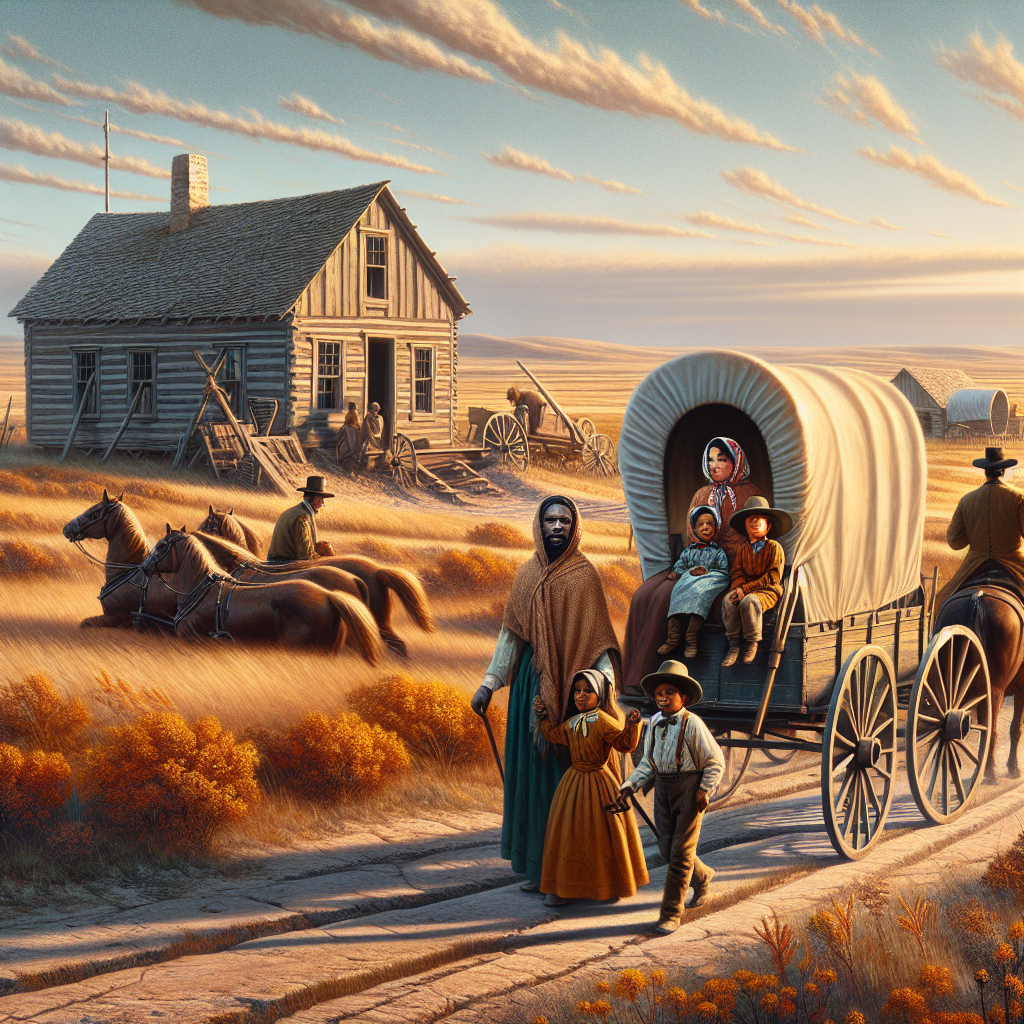
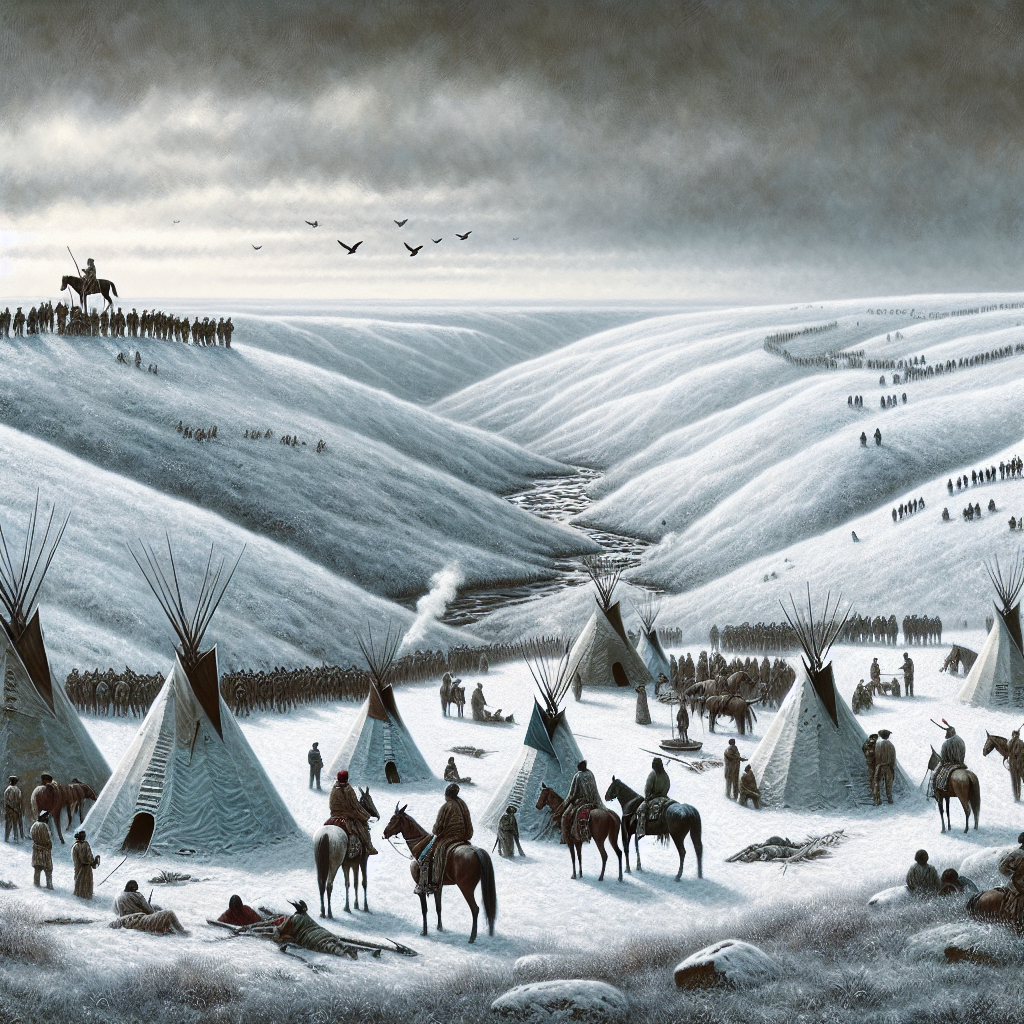
Turner's thesis has been contested, revised, and substantially dismantled by later historians who pointed out what it omitted: the Native peoples whose dispossession was the precondition for every frontier advance, the women whose experience bore no relation to Turner's individualist myth, the Chinese and Mexican laborers who built the infrastructure of western expansion without being counted among its heroes. The thesis endured not because it was accurate but because it was useful — a flattering story a young nation told itself about where it had come from and what it was for.

| Author | Frederick Jackson Turner (1861–1932) |
| Presented | July 12, 1893 — World's Columbian Exposition, Chicago |
| Published | "The Significance of the Frontier in American History" (1893) |
| Core Argument | Frontier experience created American democracy and national character |
| Trigger | 1890 U.S. Census declared the frontier "closed" |
| Key Critique | Omits Native peoples, women, and non-white laborers |
| Date | July 12, 1893 |
| Location | Chicago, Illinois |