John Wesley Powell
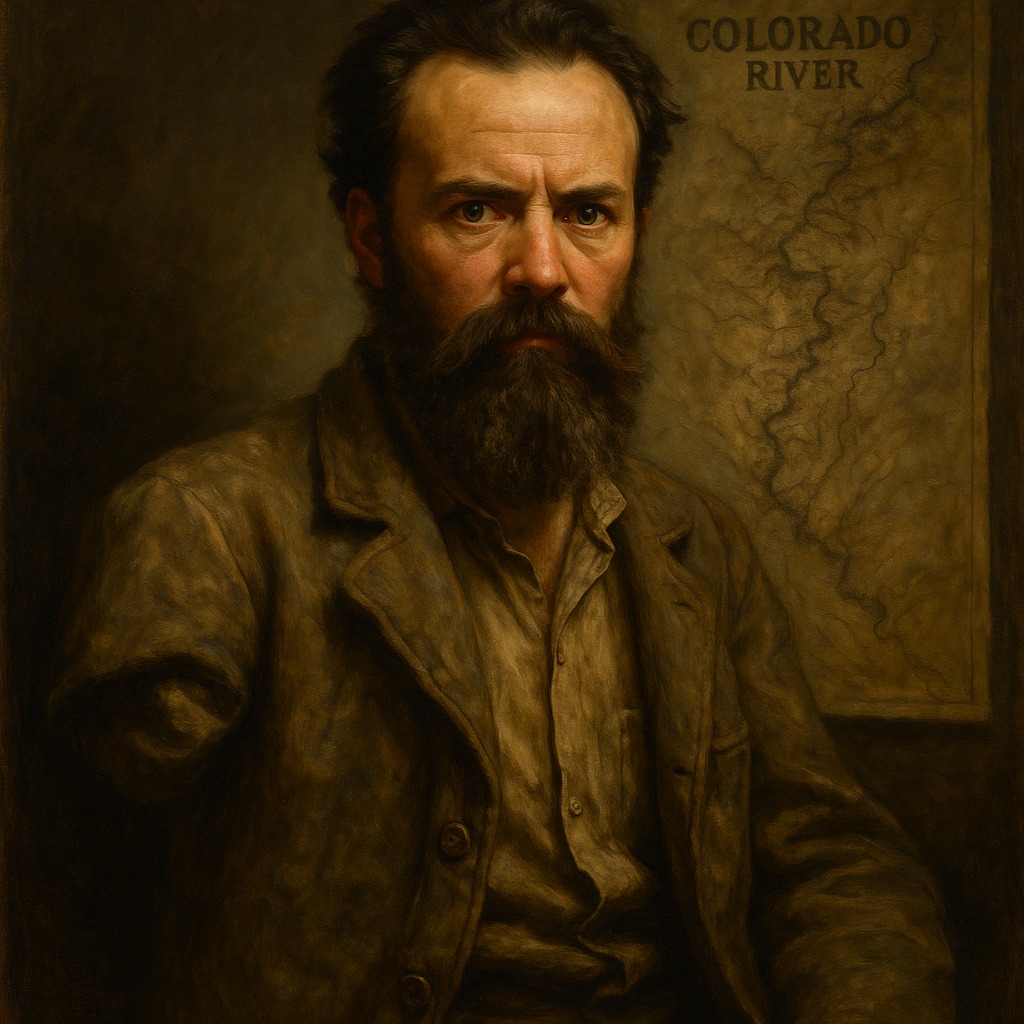
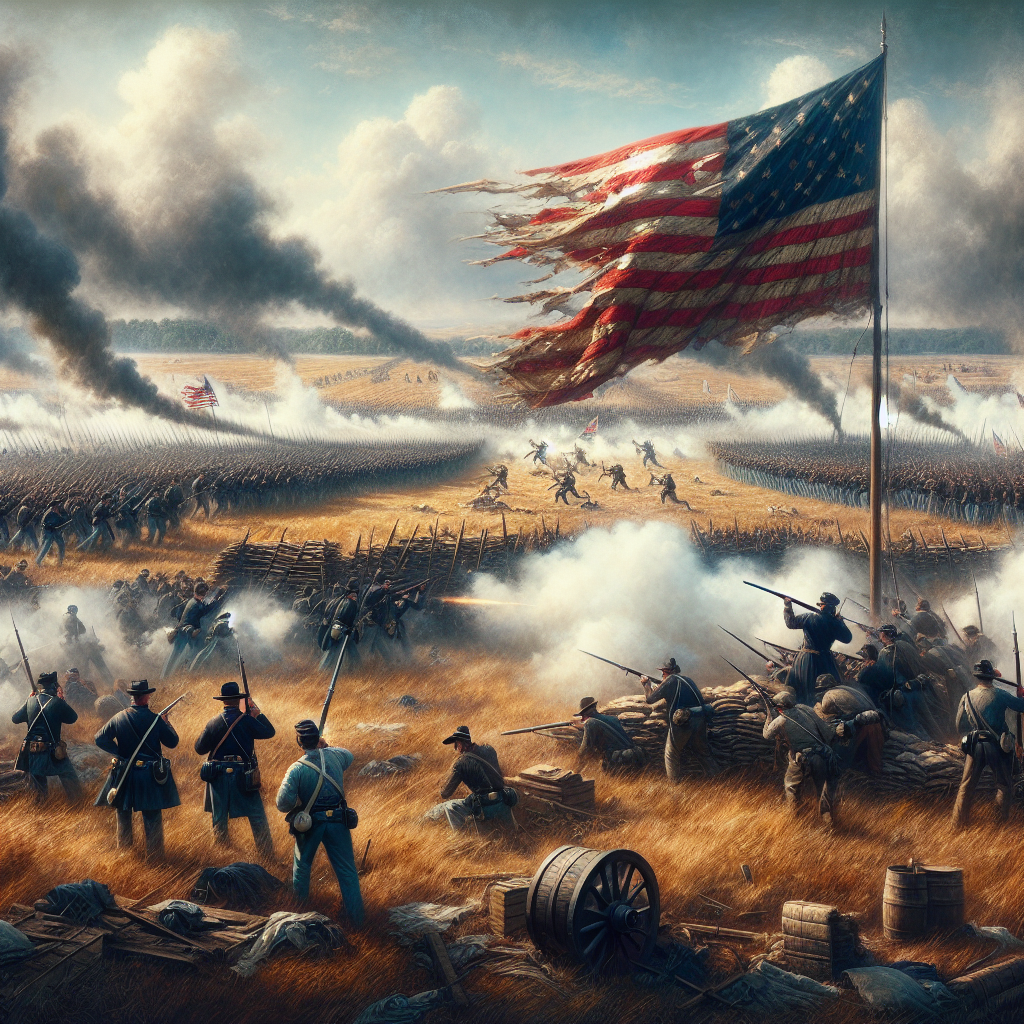
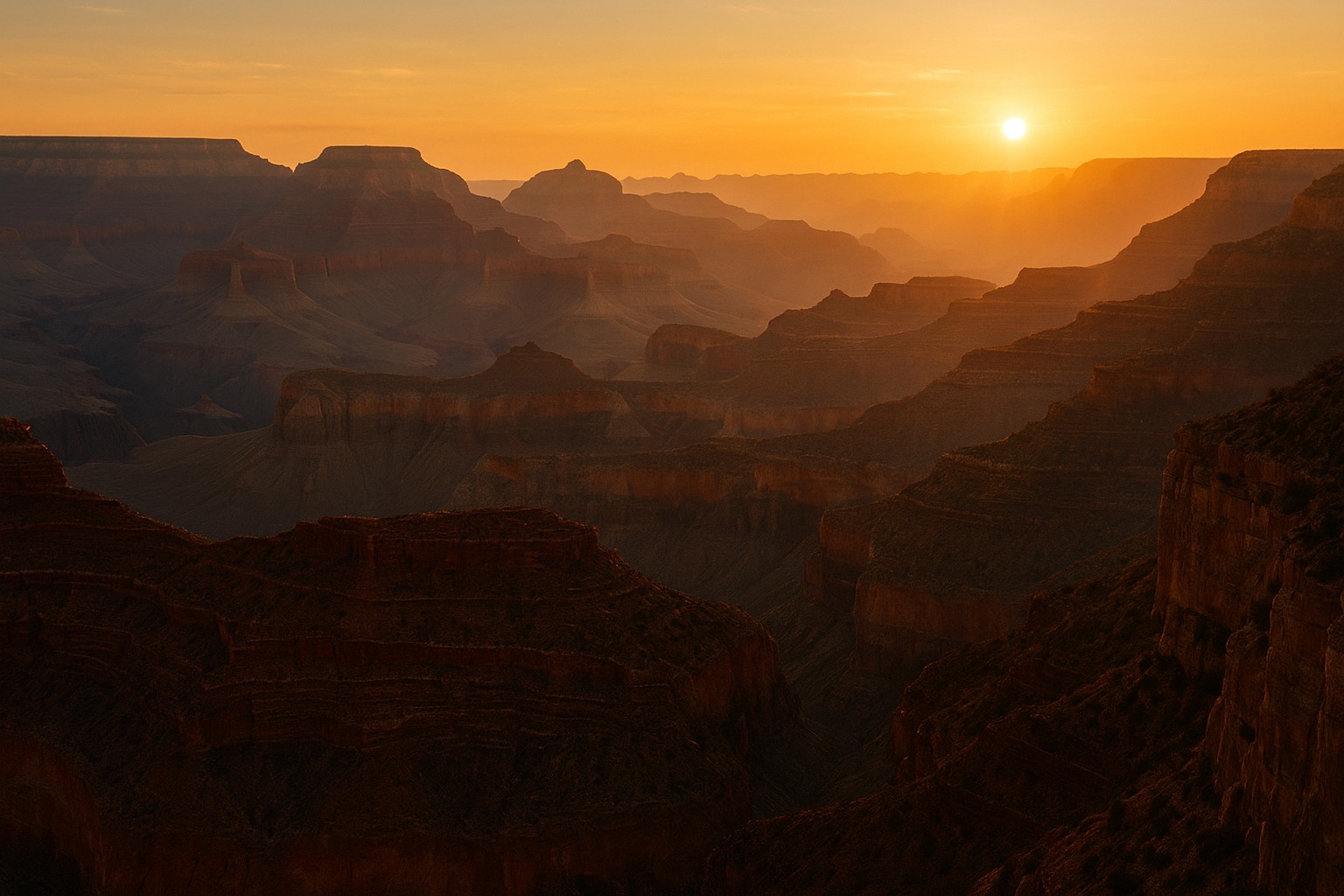
John Wesley Powell lost his right arm to a Confederate minié ball at Shiloh in April 1862, finished the Civil War as a major in the Union artillery, and three years later began organizing a scientific expedition to do something no government surveyor had attempted: run the unmapped canyons of the Green and Colorado rivers from Wyoming to the mouth of the Virgin in Nevada. On May 24, 1869, he set out from Green River Station, Wyoming, with nine men in four wooden boats. The next 99 days carried them through a thousand miles of whitewater they could not portage, walls they could not climb out of, and rapids no one had ever named. Three men quit at Separation Canyon, climbed out, and were killed by Shivwits Paiutes. The remaining six emerged on the Virgin River at the end of August.
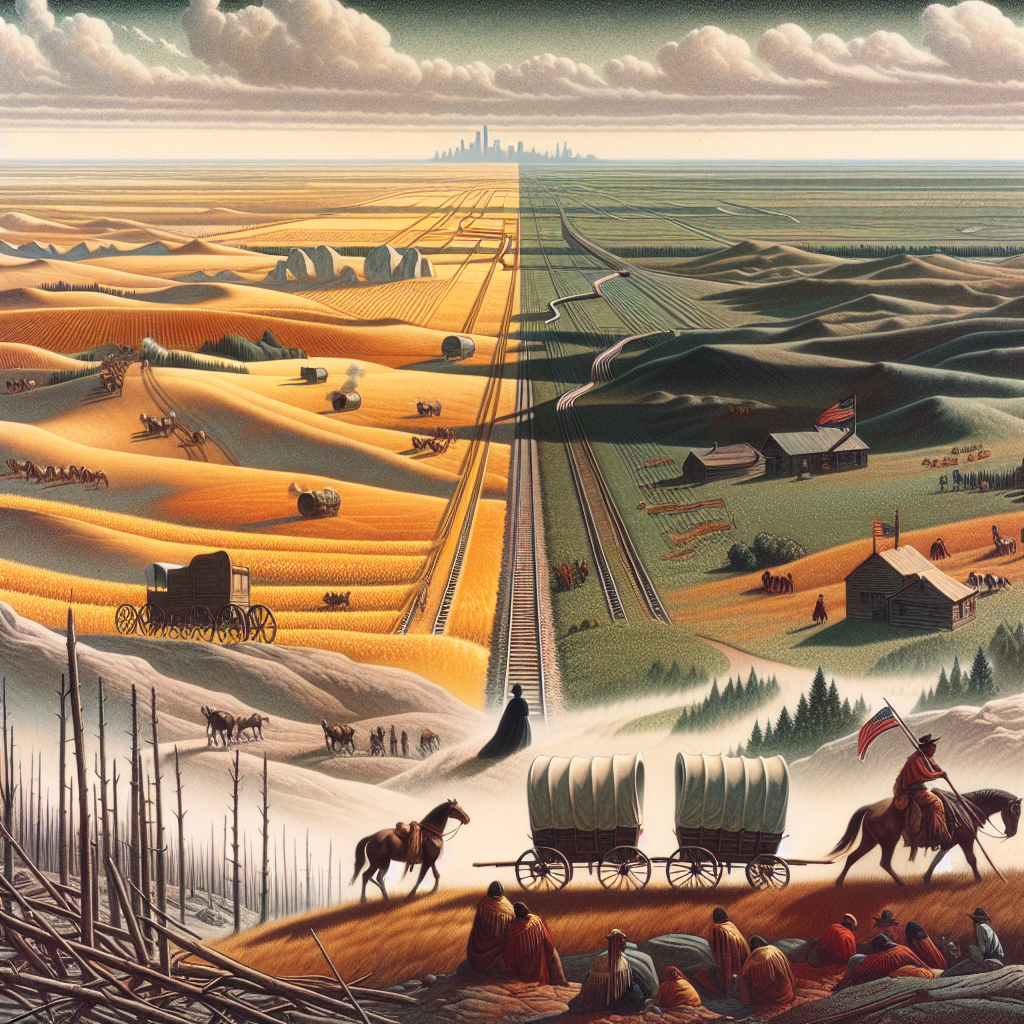
Powell returned in 1871 with better boats and a photographer and ran the river a second time, producing the topographic maps and geological descriptions on which the modern understanding of the Colorado Plateau is built. He went on to become the second director of the U.S. Geological Survey and the founding director of the Bureau of American Ethnology at the Smithsonian, where he spent two decades cataloguing the languages and oral traditions of Indigenous nations across the continent. His Report on the Lands of the Arid Region of the United States, published in 1878, argued that the West's aridity made the 160-acre Homestead Act unworkable and proposed a watershed-based settlement scheme that, if adopted, would have entirely reshaped the West. Congress ignored him.
The water fights Powell predicted have run for a century. His warnings about overallocation of the Colorado, about boom-and-bust groundwater use on the Plains, about the difference between humid-East and arid-West expectations of settlement, were repeatedly proven right by drought and abandonment. The reservoir that backs up behind Glen Canyon Dam, drowning hundreds of miles of canyon, was named for him — a tribute that, given Powell's skepticism about damming the river he had run, is more ironic than honorific. The reservoir has lost more than half its water since 2000 and may be functionally empty within a generation.
| Born | March 24, 1834 — Mount Morris, New York |
| Died | September 23, 1902 — Haven, Maine |
| Civil War wound | Lost right arm at Shiloh, April 1862 |
| First Colorado expedition | May–August 1869 — Green River, WY to mouth of Grand Canyon |
| Second expedition | 1871 — produced first scientific map of the region |
| USGS director | 1881–1894 (second-ever) |
| Bureau of Ethnology | Founding director, 1879 |
| 1878 report | Lands of the Arid Region — argued for water-based settlement limits |
| Date | March 24, 1834 – September 23, 1902 · First Colorado expedition: May–August 1869 |
| Location | Green River, Wyoming (expedition start) |