Little Bighorn
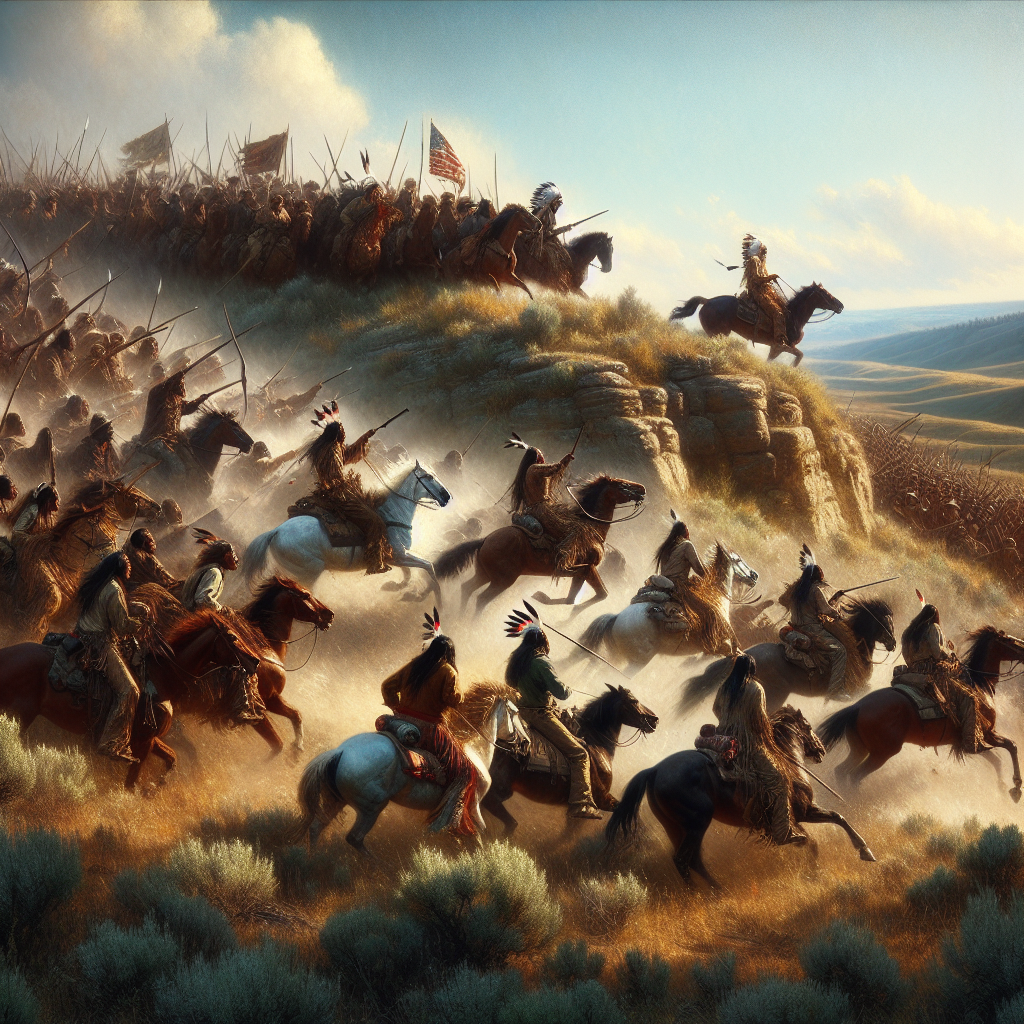
On June 25–26, 1876, Lieutenant Colonel George Armstrong Custer led roughly 600 men of the 7th Cavalry into the valley of the Little Bighorn River in present-day Montana, divided his command, and attacked what turned out to be one of the largest encampments of Indigenous warriors ever assembled on the Northern Plains — perhaps 2,000 to 3,000 Lakota Sioux, Northern Cheyenne, and Arapaho fighters. Custer's immediate battalion of 210 men was killed to the last soldier. The battle was the most decisive Indigenous military victory over U.S. forces in the Plains Wars and, almost immediately, became a cultural obsession.
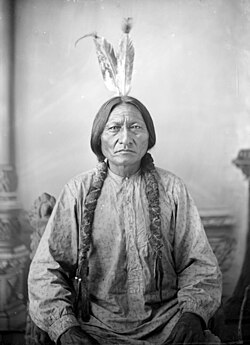
The encampment had gathered in response to the federal government's attempts to seize the Black Hills — land sacred to the Lakota, guaranteed by the Fort Laramie Treaty of 1868, and suddenly coveted after gold was discovered in 1874 in part by a Custer-led expedition. Sitting Bull had called the nations together and conducted a sun dance vision in which he saw soldiers falling from the sky. Crazy Horse led the counterattack that destroyed Custer's battalion. The battle was a military triumph; the strategic consequences were catastrophic for the Lakota. The U.S. Army poured reinforcements into the region, and within a year most of the non-reservation Lakota bands had been forced to surrender.
Custer became a martyr in the American popular imagination with a speed that said more about the nation's mythology than its analysis. "Custer's Last Stand" was painted, dramatized, and commemorated within months of the battle. The site, once called the Custer Battlefield National Monument, was renamed Little Bighorn Battlefield National Monument in 1991, and a memorial to the Indigenous warriors who fought there was added alongside the existing monument to the 7th Cavalry. The two memorials standing together capture the battle's actual complexity better than either side's mythology ever managed.
| Location | Big Horn County, Montana |
| Date | June 25–26, 1876 |
| U.S. Commander | Lt. Col. George Armstrong Custer, 7th Cavalry |
| Indigenous Leaders | Sitting Bull (spiritual), Crazy Horse (tactical) |
| U.S. Casualties | 210 killed in Custer's battalion; 268 total Army dead |
| Aftermath | U.S. Army campaign forced Lakota surrender within one year |
| National Monument | Little Bighorn Battlefield National Monument, renamed 1991 |
| Date | June 25–26, 1876 |
| Location | Big Horn County, Montana |