The Constitutional Amendments, Explained

The framers who signed the Constitution in 1787 knew they had not written a perfect document. So they built in a way to change it. Article V lets the Constitution be amended — a deliberately hard process requiring supermajorities in Congress and ratification by three-quarters of the states — and in more than two centuries it has been used successfully just twenty-seven times. Those twenty-seven amendments are where the founding document meets the changing nation: abolishing slavery, extending the vote, capping the presidency, and fine-tuning the machinery of government.
This guide walks through all twenty-seven ratified amendments in order, from the Bill of Rights to the congressional-pay amendment that lingered for two centuries — and then through the notable amendments that Congress passed but the states never adopted, including one that would have protected slavery forever. Each entry links to a full account.
Changing the Constitution is meant to be hard. Article V requires that an amendment be proposed by two-thirds of both houses of Congress (or by a convention called by the states) and then ratified by three-quarters of the states — thirty-eight of the fifty today. That high bar is why only twenty-seven amendments have succeeded out of the thousands introduced. These entries cover the document itself and the convention that produced it.
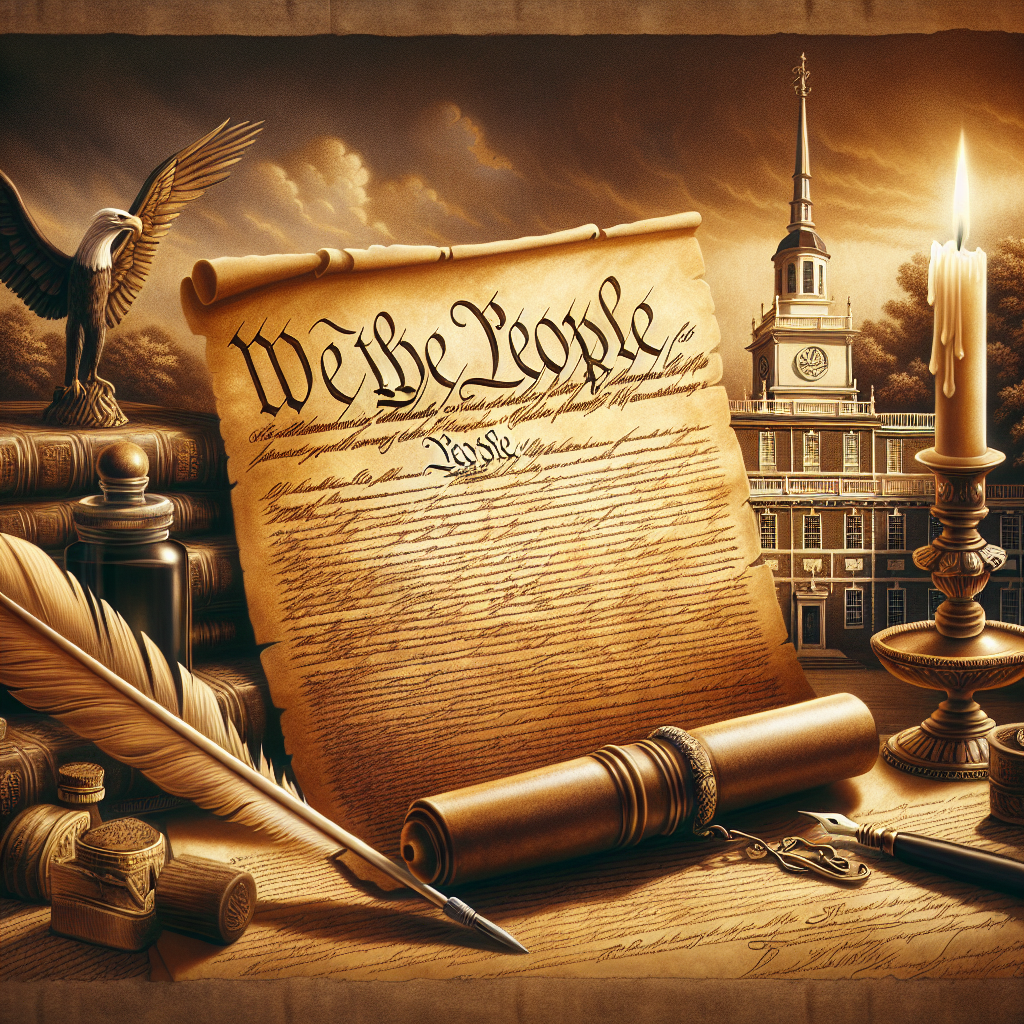
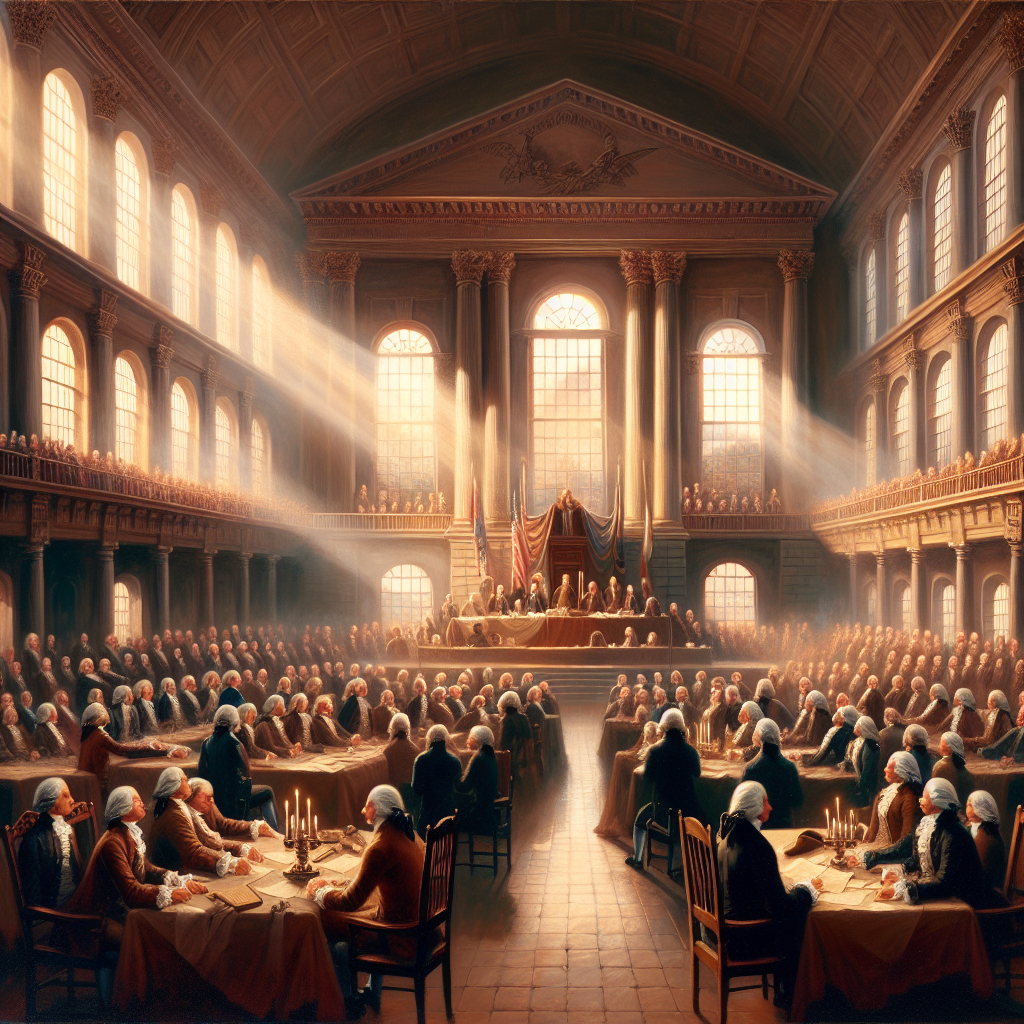
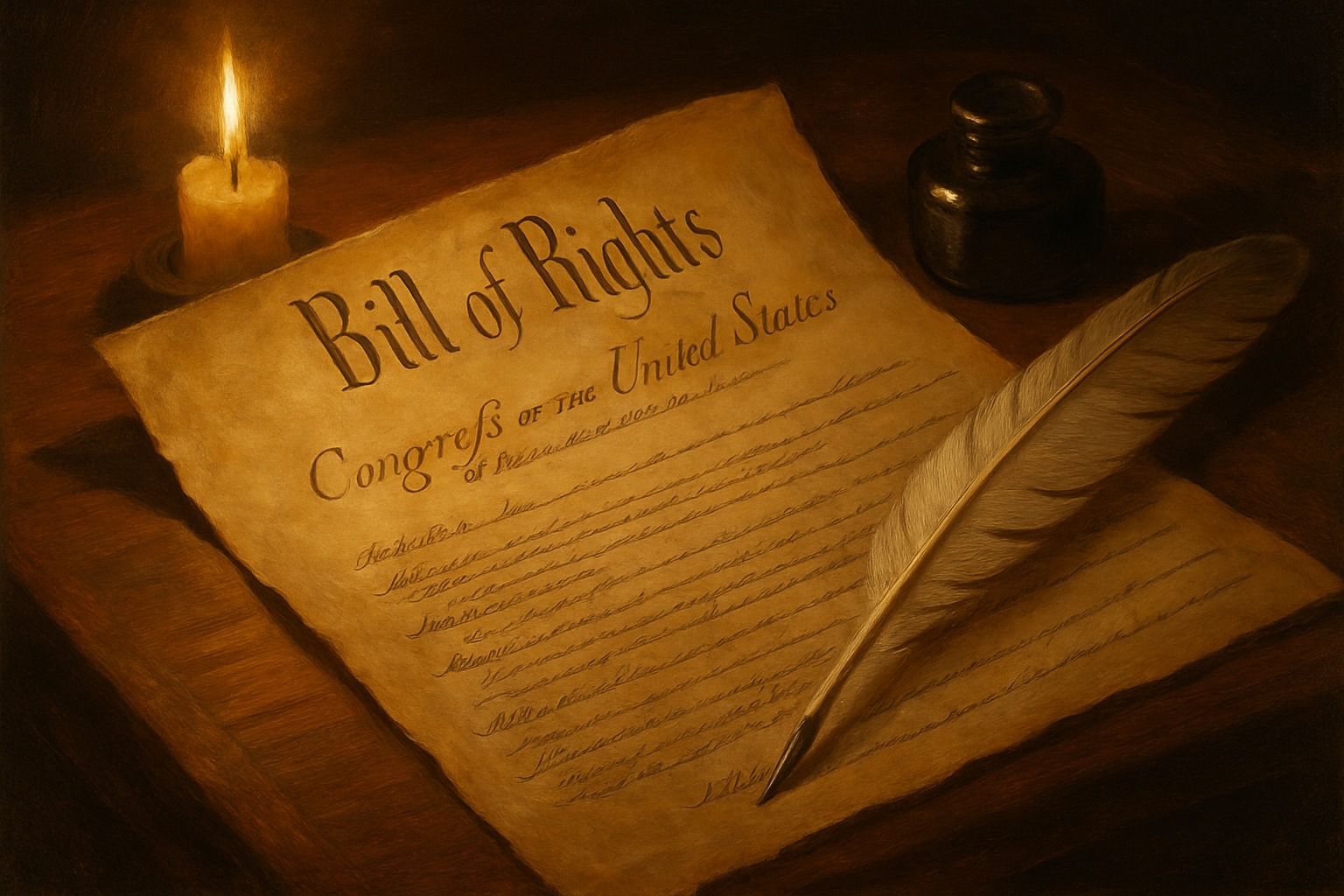
The Constitution was nearly rejected for what it lacked: a guarantee of individual rights against the new national government. To win ratification, supporters promised to add one, and in 1791 the first ten amendments were adopted together as the Bill of Rights. They protect speech, religion, and the press; the rights of the accused; and the reservation of power to the states and the people. These ten entries cover each in turn.
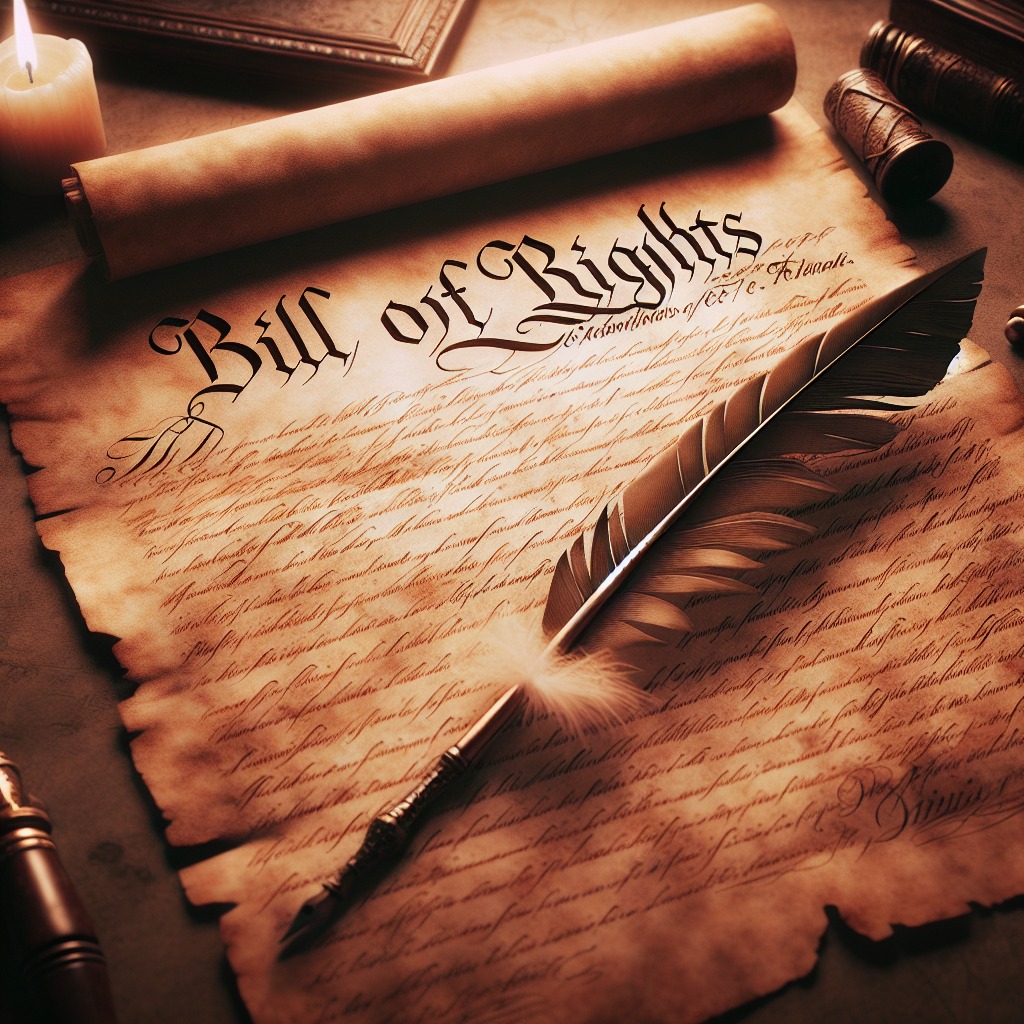
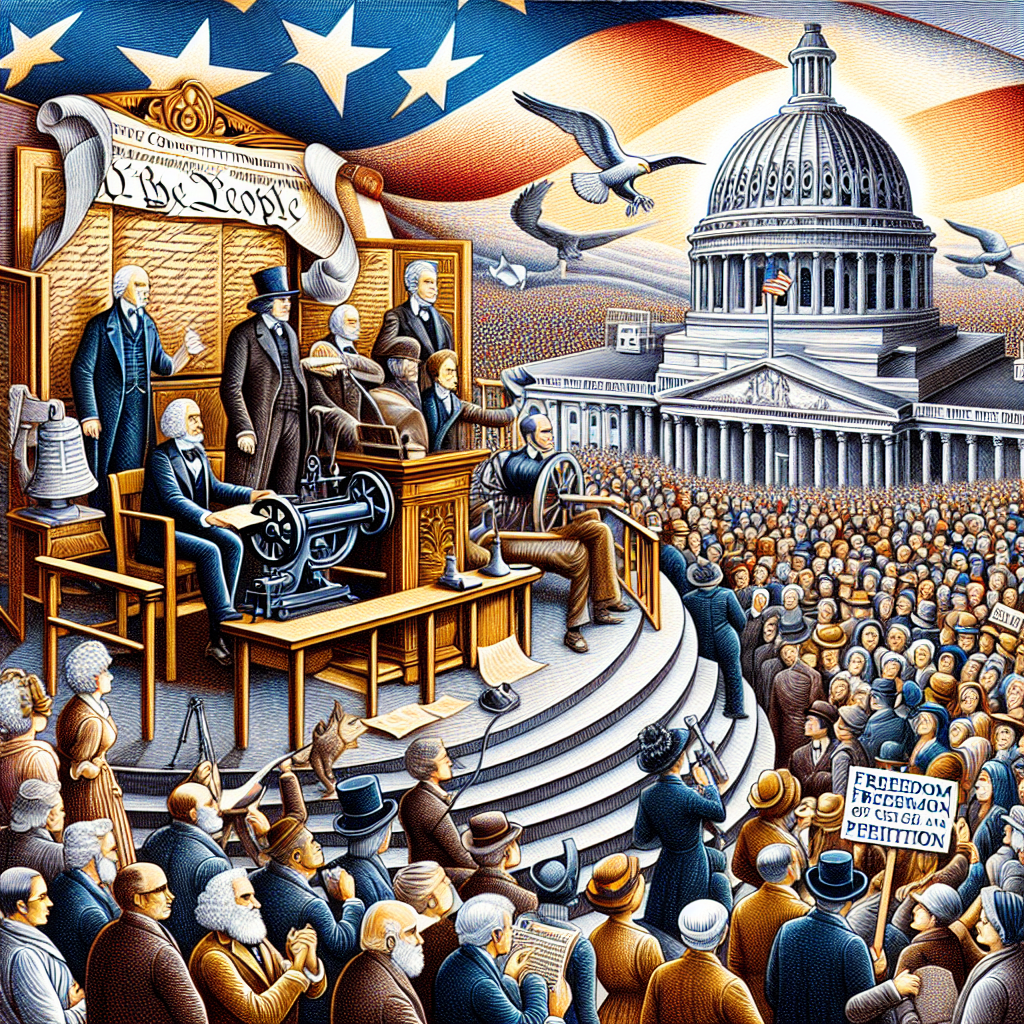






In the decades after the Bill of Rights, two amendments patched flaws the founders had missed. The Eleventh shielded states from certain lawsuits after a Supreme Court ruling alarmed them; the Twelfth rewrote how the Electoral College picks a president after the chaotic election of 1800. Both were practical repairs to the machinery of the new government.

The Civil War produced the most transformative amendments in the nation's history. Between 1865 and 1870, the Thirteenth, Fourteenth, and Fifteenth Amendments abolished slavery, guaranteed citizenship and equal protection under the law, and barred racial barriers to voting. Together they rewrote the relationship between the citizen, the states, and the federal government — and their promises are still being argued over in court today.
The reforming energy of the early twentieth century reached the Constitution itself. In a single decade the country adopted the income tax, the direct election of senators, the prohibition of alcohol, and women's suffrage — four amendments that expanded democracy and the power of the federal government, though one of them, Prohibition, would prove a costly experiment soon undone.
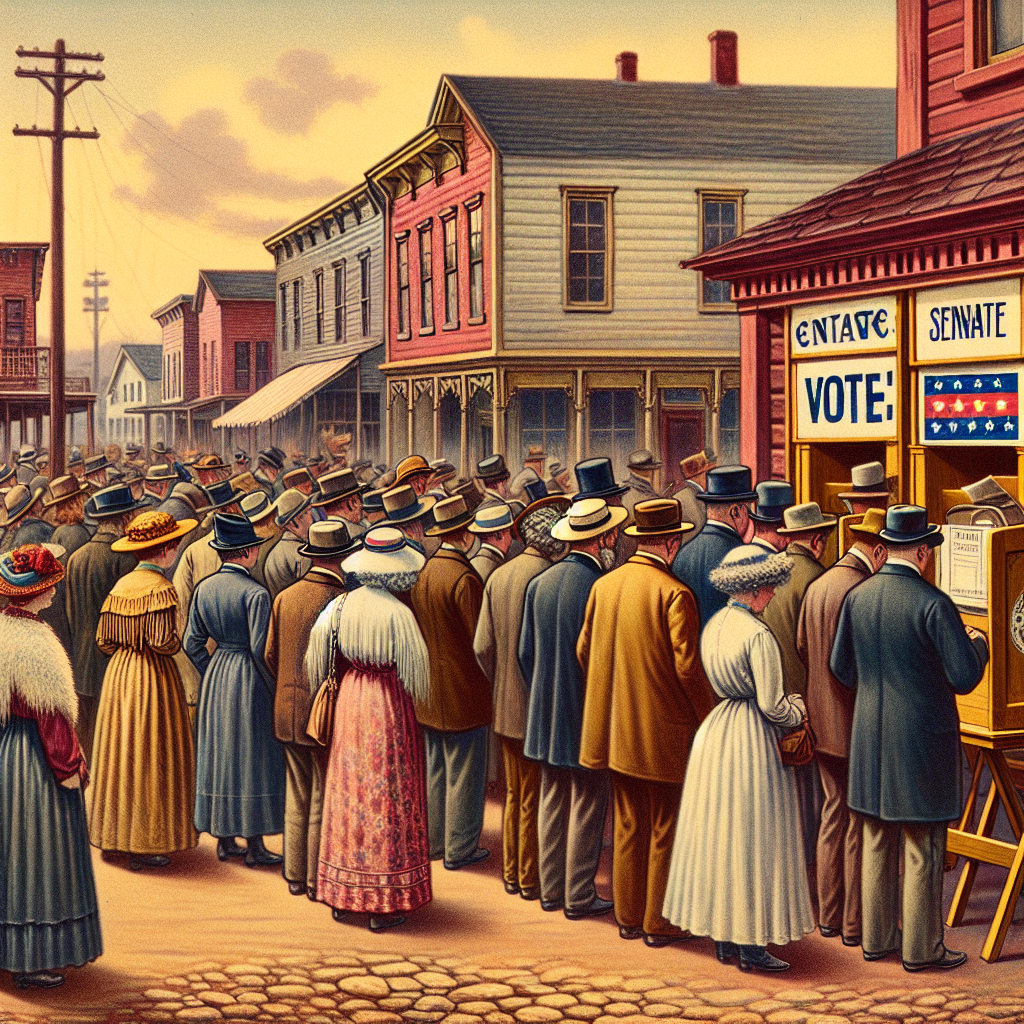

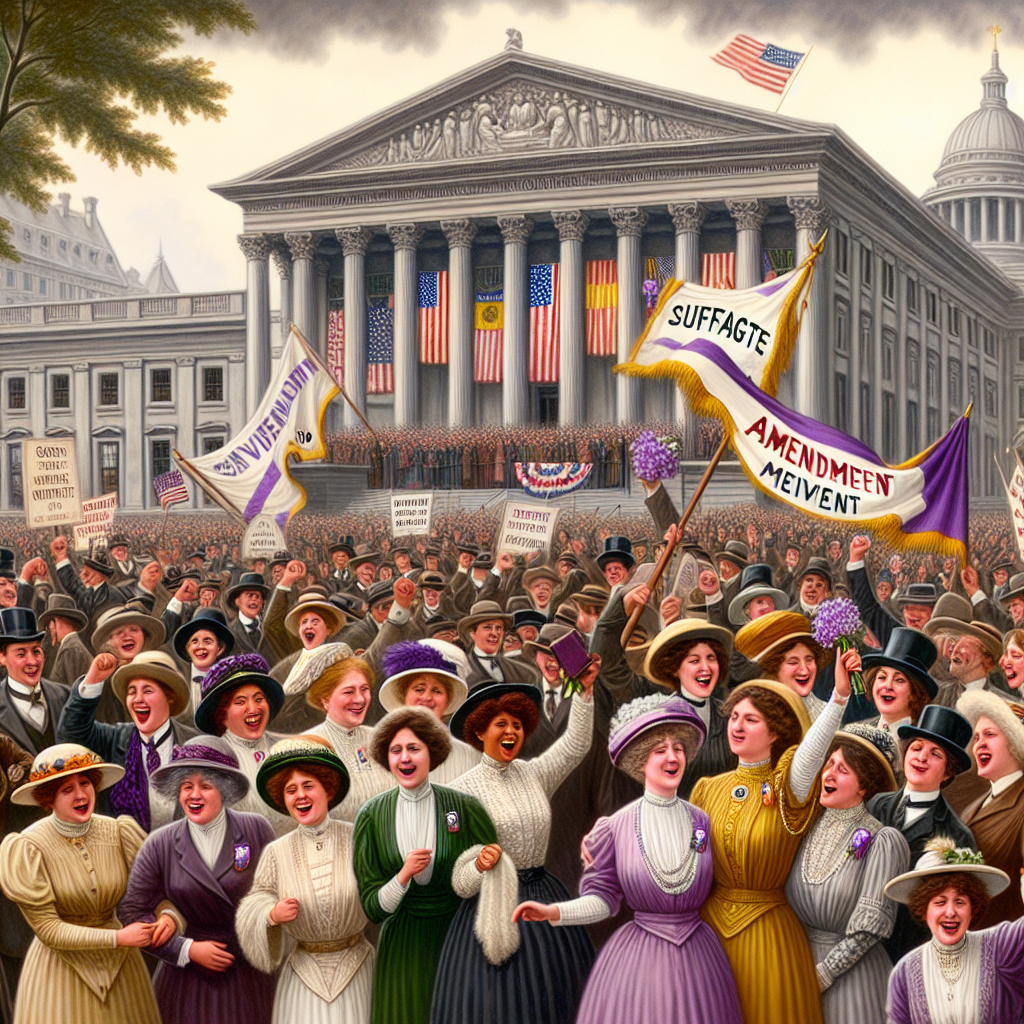
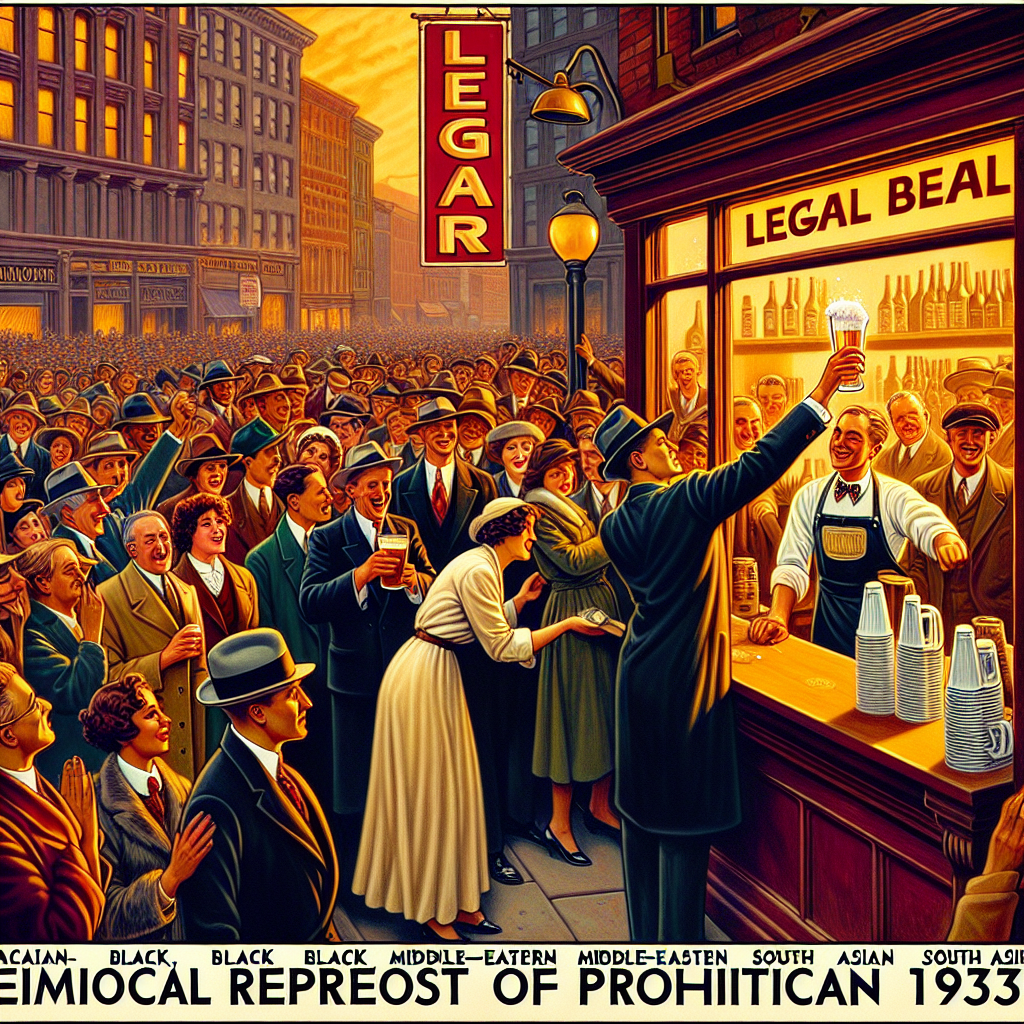
The amendments of the past century have been less about sweeping principle than about fixing the presidency and widening the vote: repealing Prohibition, moving up Inauguration Day, capping presidents at two terms, giving Washington, D.C., a voice in presidential elections, banning the poll tax, planning for a disabled president, and lowering the voting age. The last, on congressional pay, was proposed in 1789 and not ratified until 1992. These entries cover the modern era of amendment.




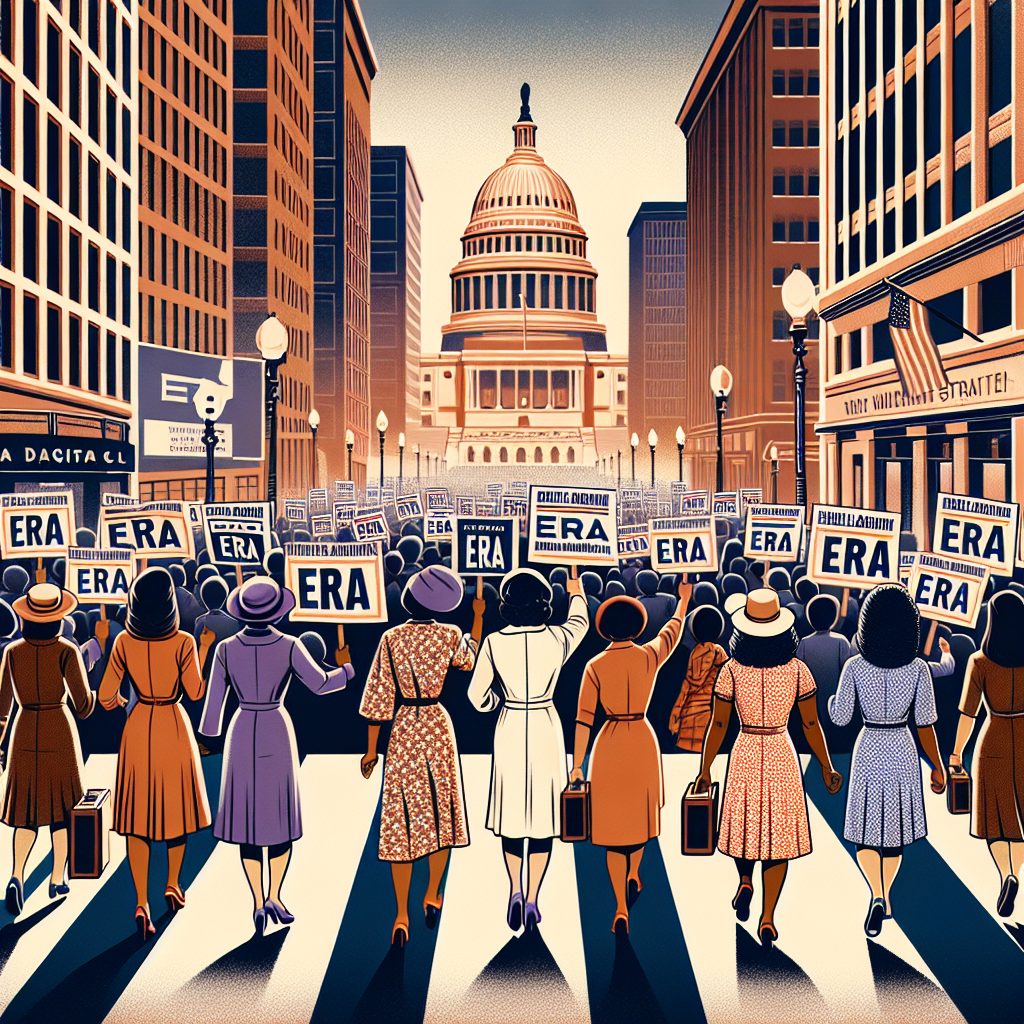
For every amendment ratified, many more have failed. Some fell a single state short; some expired against a deadline; one was overtaken by a war that reversed its entire purpose. The proposals gathered here — from a would-be guarantee of gender equality to an 1861 amendment that would have entrenched slavery — reveal as much about the nation's arguments as the amendments that succeeded. Several remain, in theory, still pending before the states.


The amendments build on the framework set at the start — read the guides to the Declaration of Independence and the Founding Fathers who wrote the Constitution they were meant to improve.