The Founding Fathers: Who They Were and What They Did
"Founding Fathers" is a tidy phrase for a quarrelsome group of lawyers, planters, printers, and soldiers who agreed on almost nothing except that they would no longer be ruled from London. They argued over slavery, over how much power a central government should hold, and over whether ordinary people could be trusted to govern themselves at all. The country they built was the product of those arguments, not a truce that ended them.
This guide groups the principal founders by the role they played — the architects who drafted the documents and ran the new government, the agitators whose words moved a population to revolt, and the figures who fixed the rights and institutions in place. Each links to a full account. Notably absent is a single founding "creed": these were rivals as often as allies, and the tensions between them still run through American politics.
Start with the builders. These are the men who did the structural work of the founding — they drafted the documents, commanded the army, ran the Treasury, and sat in the first government. They disagreed sharply, often bitterly, about how much power the new nation should hold and who should hold it. But the institutions they argued into existence are the ones Americans still live inside, which is why the story begins with them.
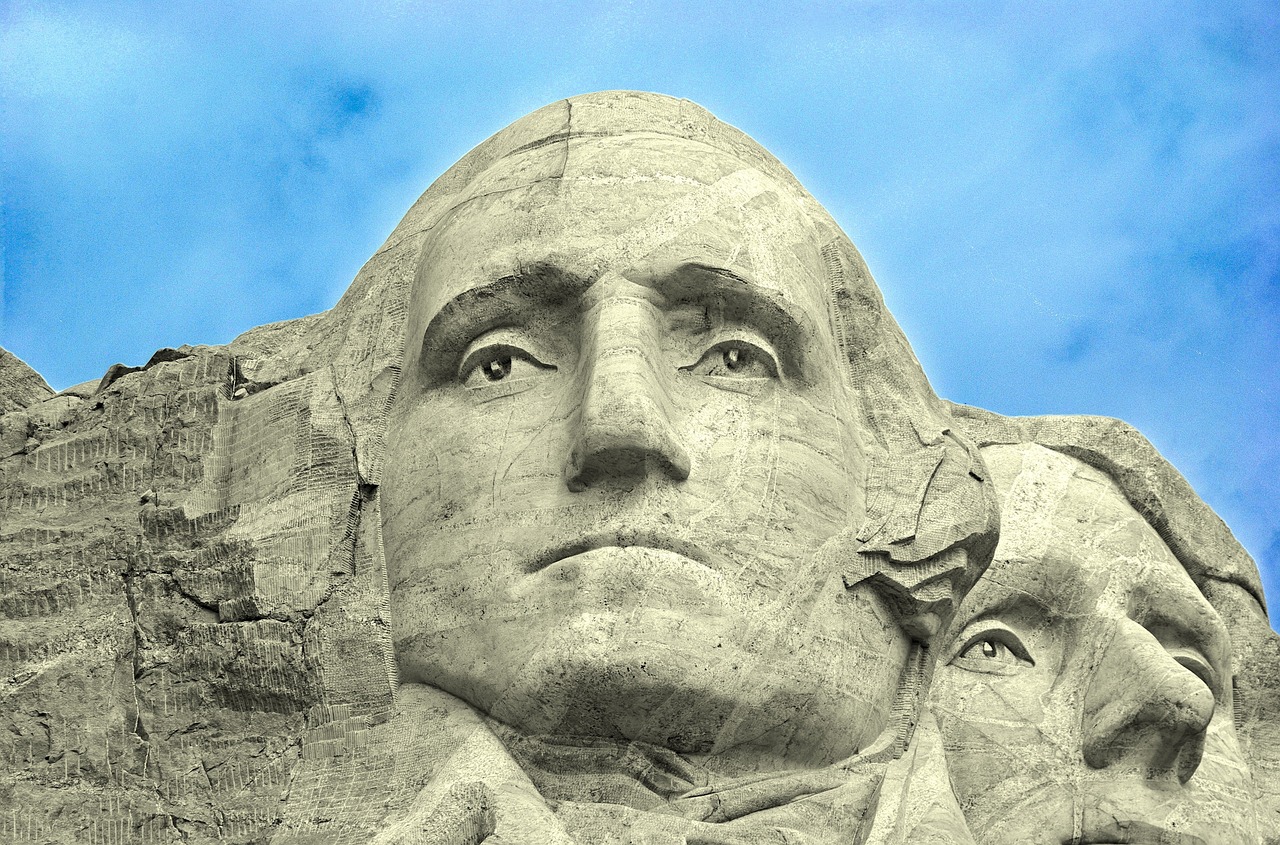
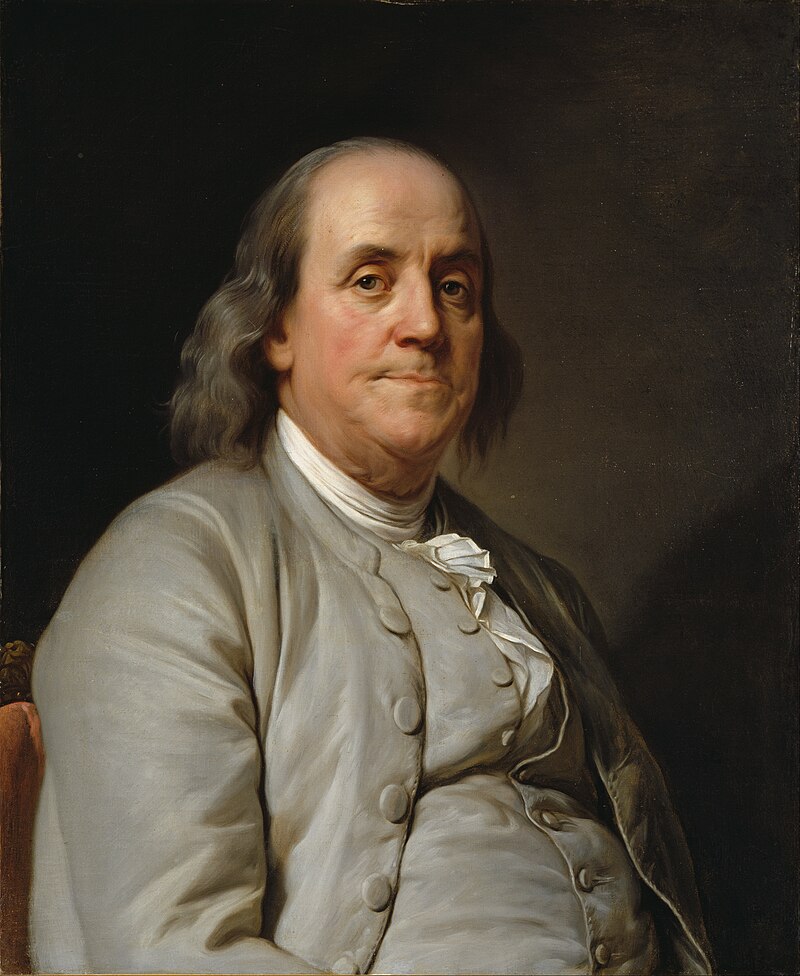
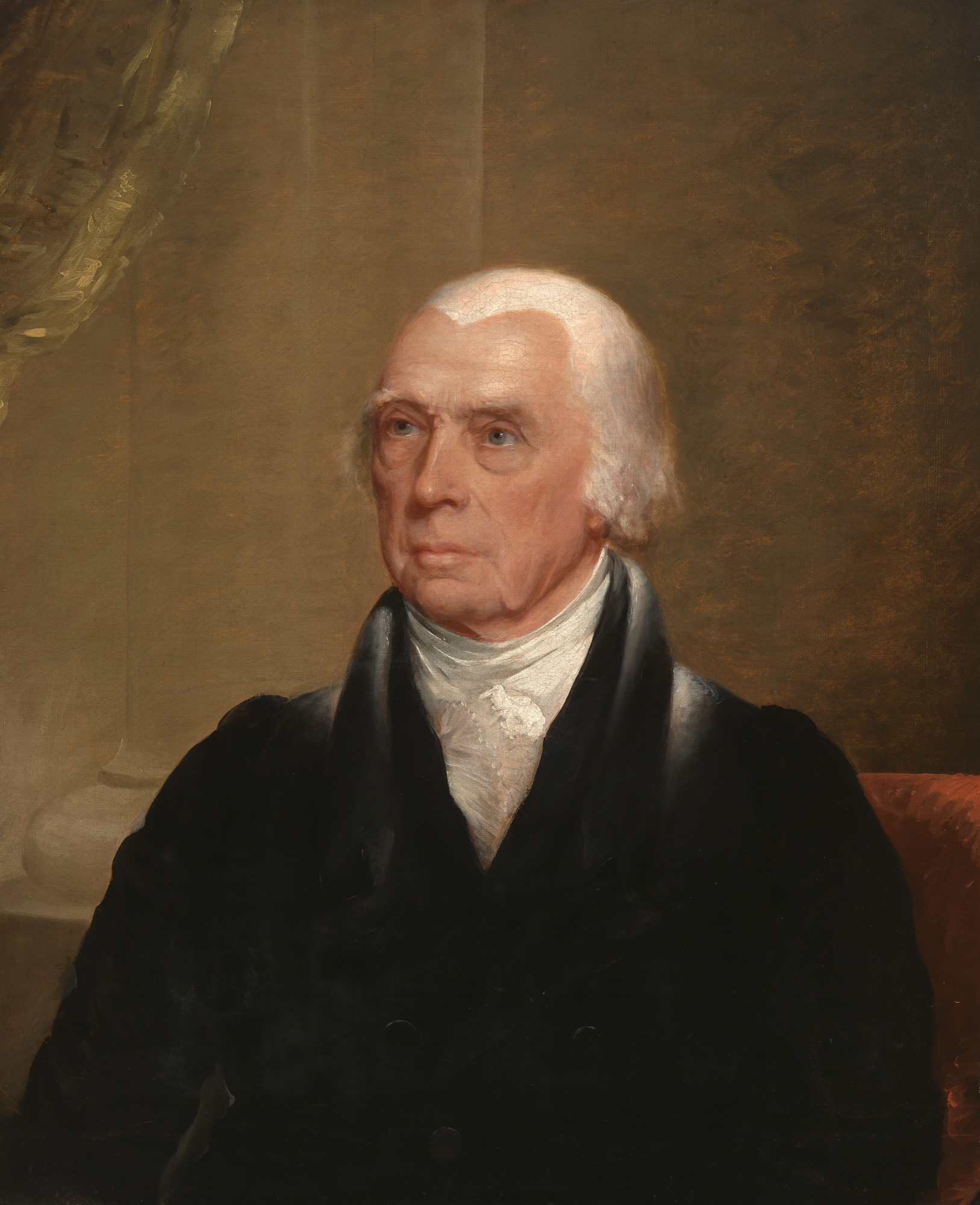
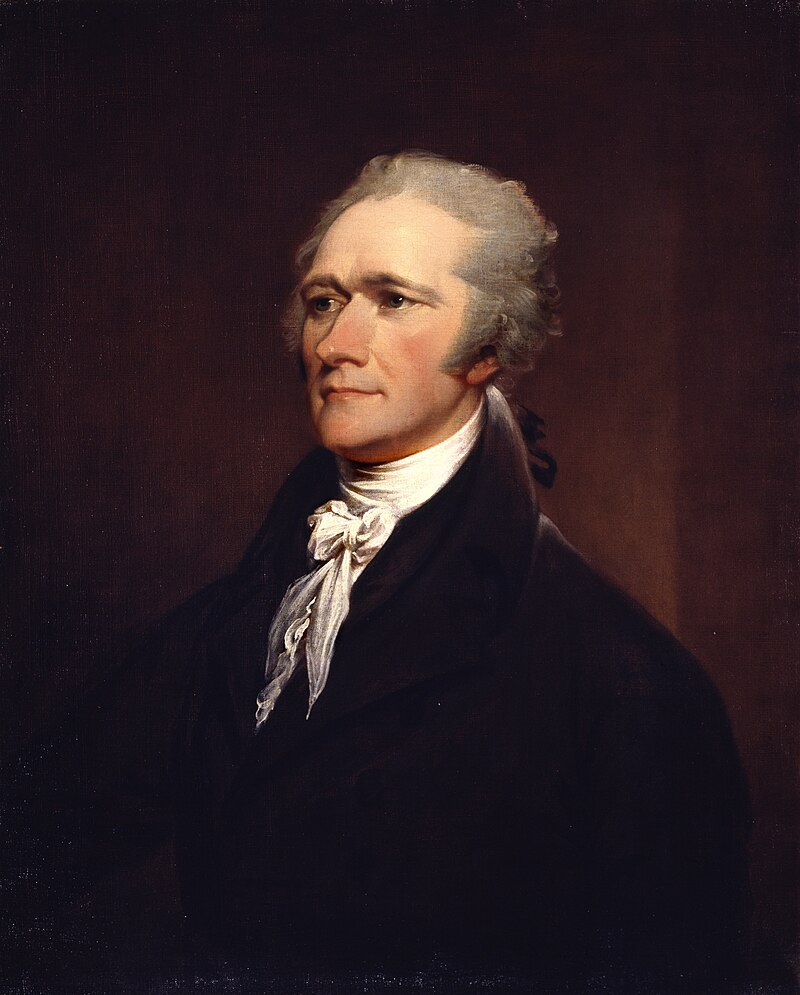
Independence was not only drafted; it had to be sold. Before any of it could be written into law, ordinary colonists had to be persuaded that breaking from the most powerful empire on earth was both justified and possible. The figures here did that persuading — the organizers, orators, and pamphleteers who turned scattered grievance into a movement and gave the cause the words it marched under.

Winning independence settled who would govern; it did not settle how, or with what limits. The final group fixed those limits in place — the rights, courts, and legal guardrails meant to keep the new government from becoming the thing the Revolution had just overthrown. Their work is the quieter half of the founding, and arguably the more durable.
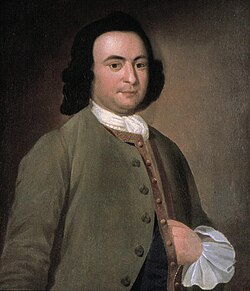
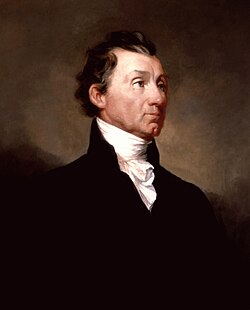
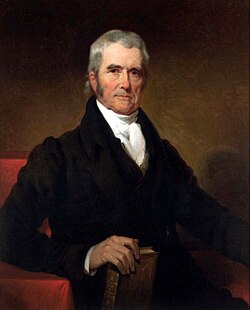
To see what they built in sequence, follow the American Revolution timeline and the guide to the founding documents of the United States.