The Gilded Age: Robber Barons, Reformers, and the Making of Modern America
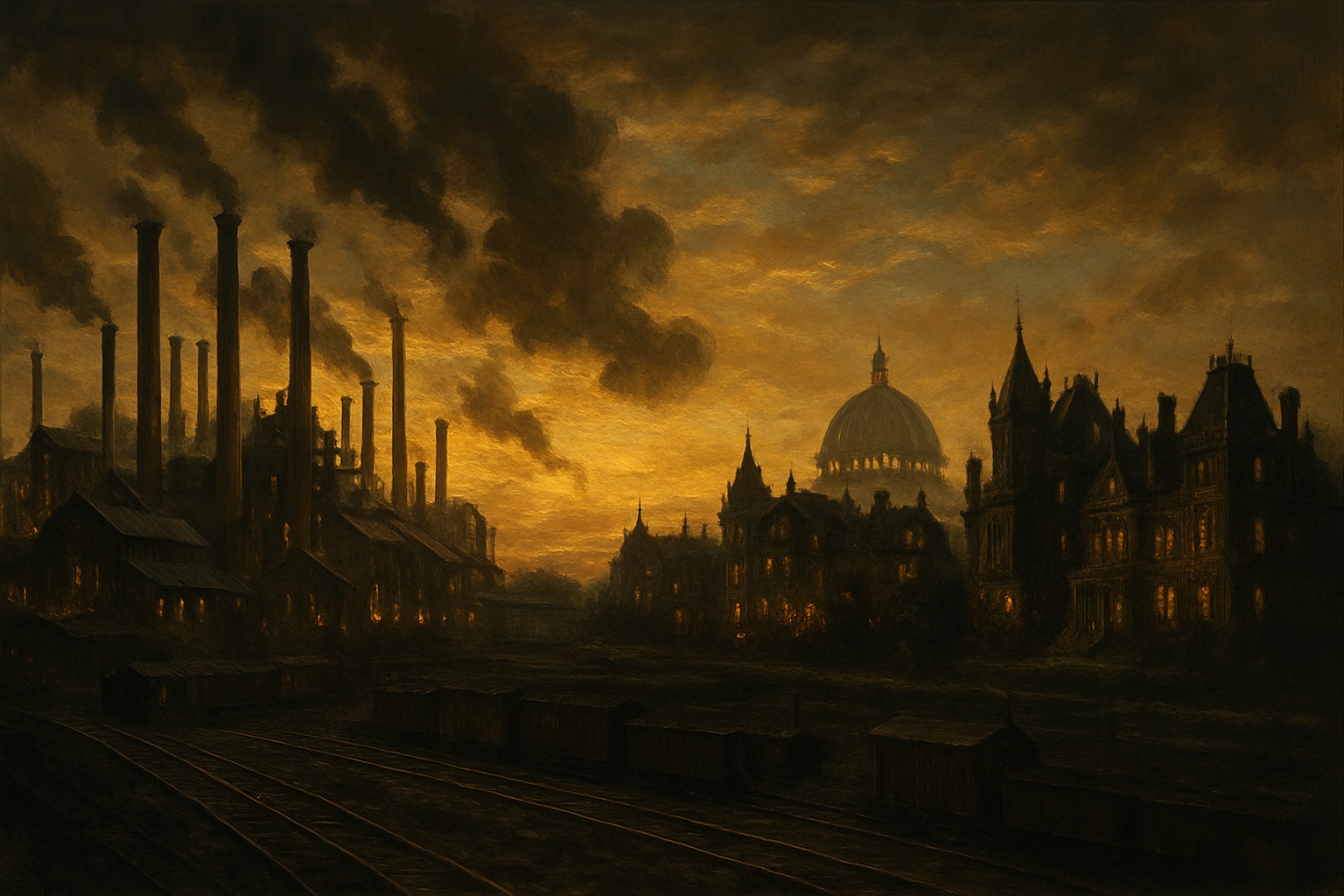
Mark Twain gave the era its name, and he did not mean it as a compliment. A gilded thing is gold only on the surface; underneath it is something cheaper. In the decades after Reconstruction, the United States became the richest industrial power on earth — and also a country of company towns, child labor, and tenements, where a handful of men controlled fortunes larger than the federal budget. The same years built the steel mills, the railroads, and the electrified cities that made modern America, and exposed an inequality so raw it produced a generation of strikes, third parties, and reformers determined to tame it.
This guide works through that contradiction. It begins with the era and the men who dominated it — the industrialists their admirers called captains and their critics called robber barons — then turns to the inventions and spectacles that announced the new economy, the violent rise of organized labor, and the political revolt and reform that the Gilded Age's excesses finally provoked. Each entry links to a full account. The throughline is a single question the country is still arguing over: what does a democracy owe the people left behind by its own prosperity?
The label was an insult before it was a period of history. The decades after Reconstruction produced unprecedented wealth and unprecedented hardship at the same time, and the country lacked even a vocabulary for the inequality it was generating — until a novelist and a borrowed theory of nature supplied one.
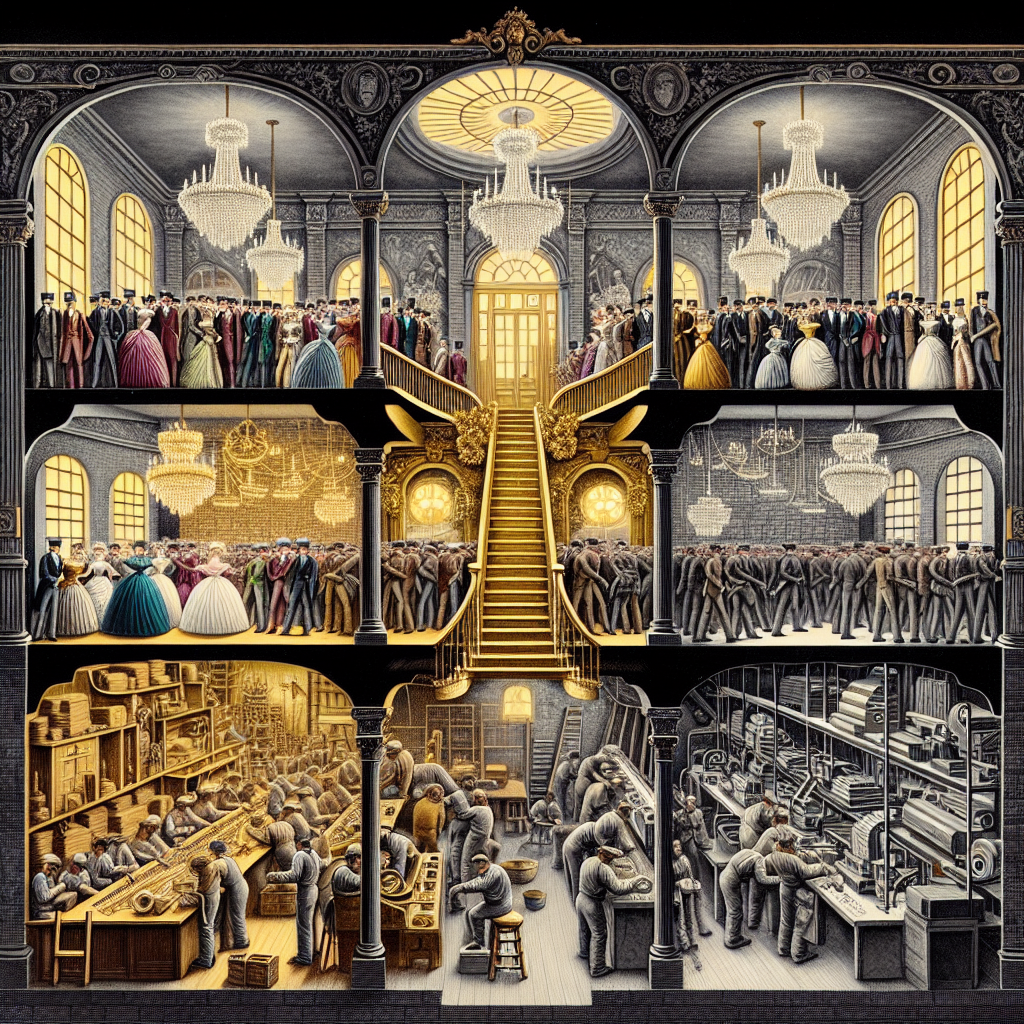
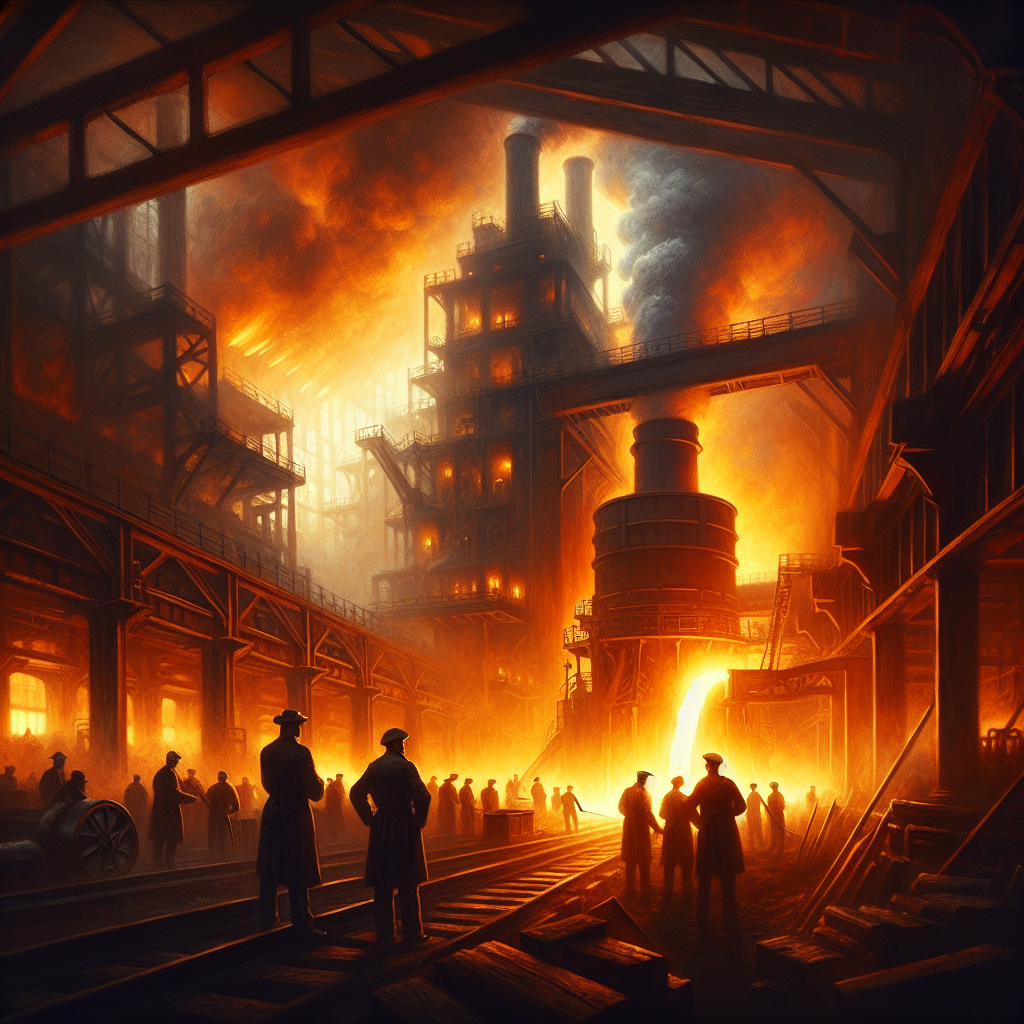
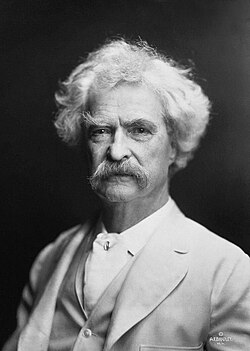
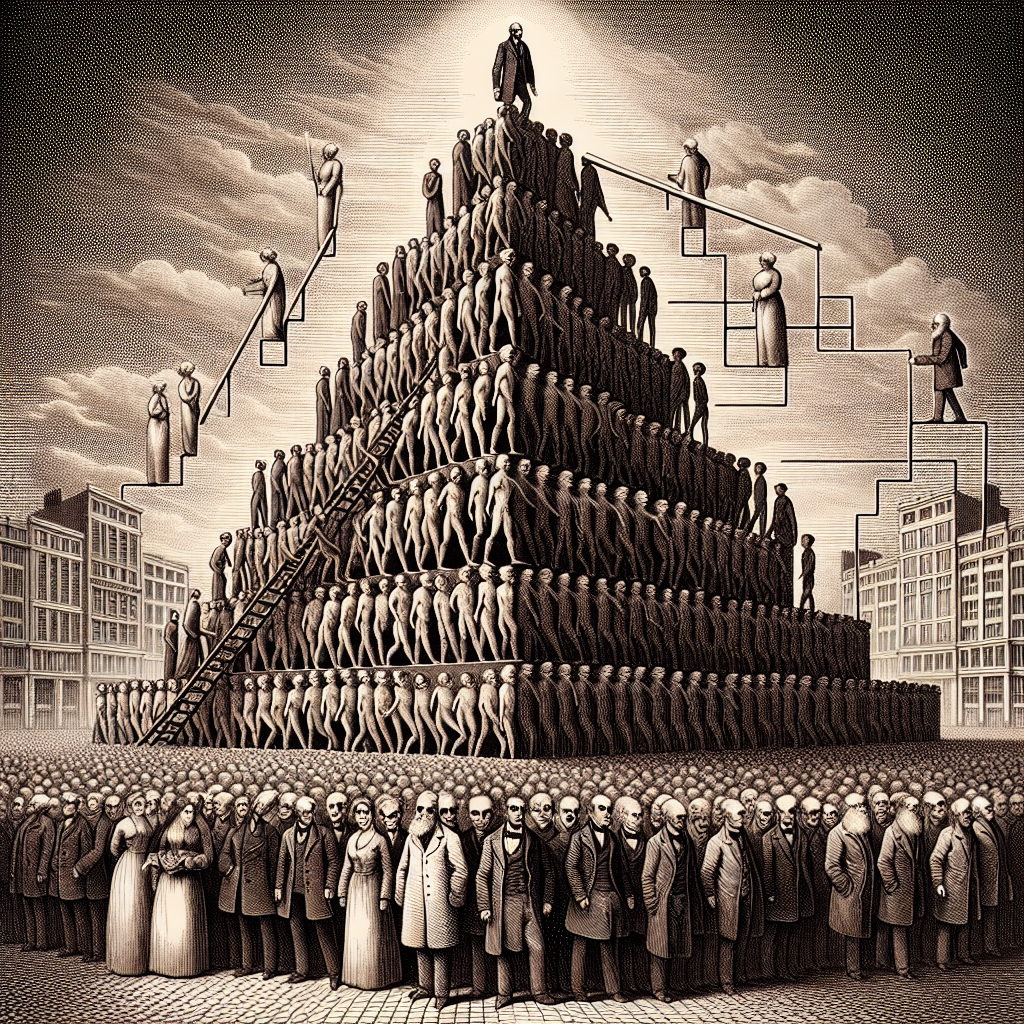
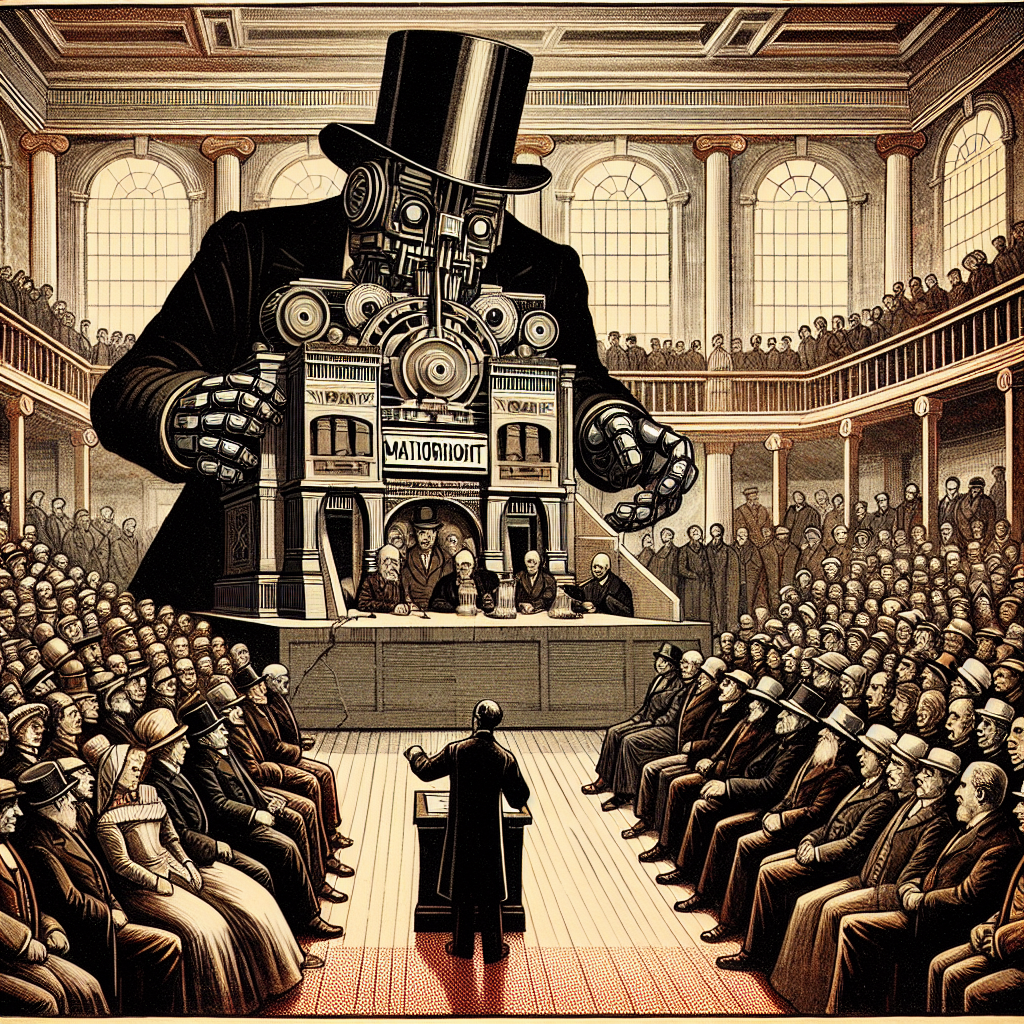
A handful of men assembled fortunes and corporations on a scale the world had never seen. Whether they were builders or predators is the oldest argument about the era; the entries here let you weigh both the empires and the methods that built them.
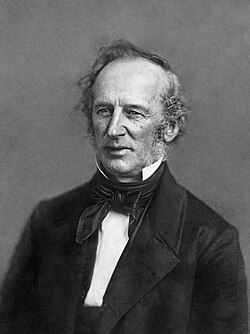
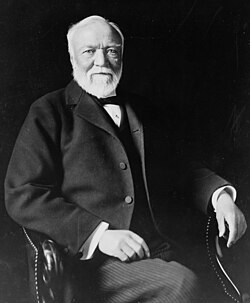
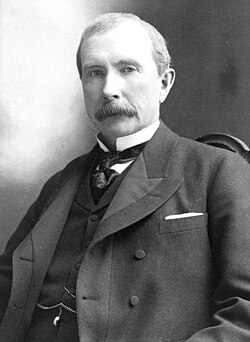

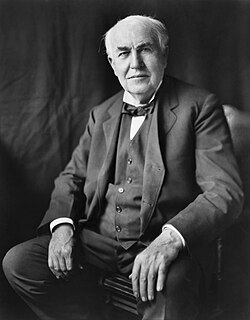
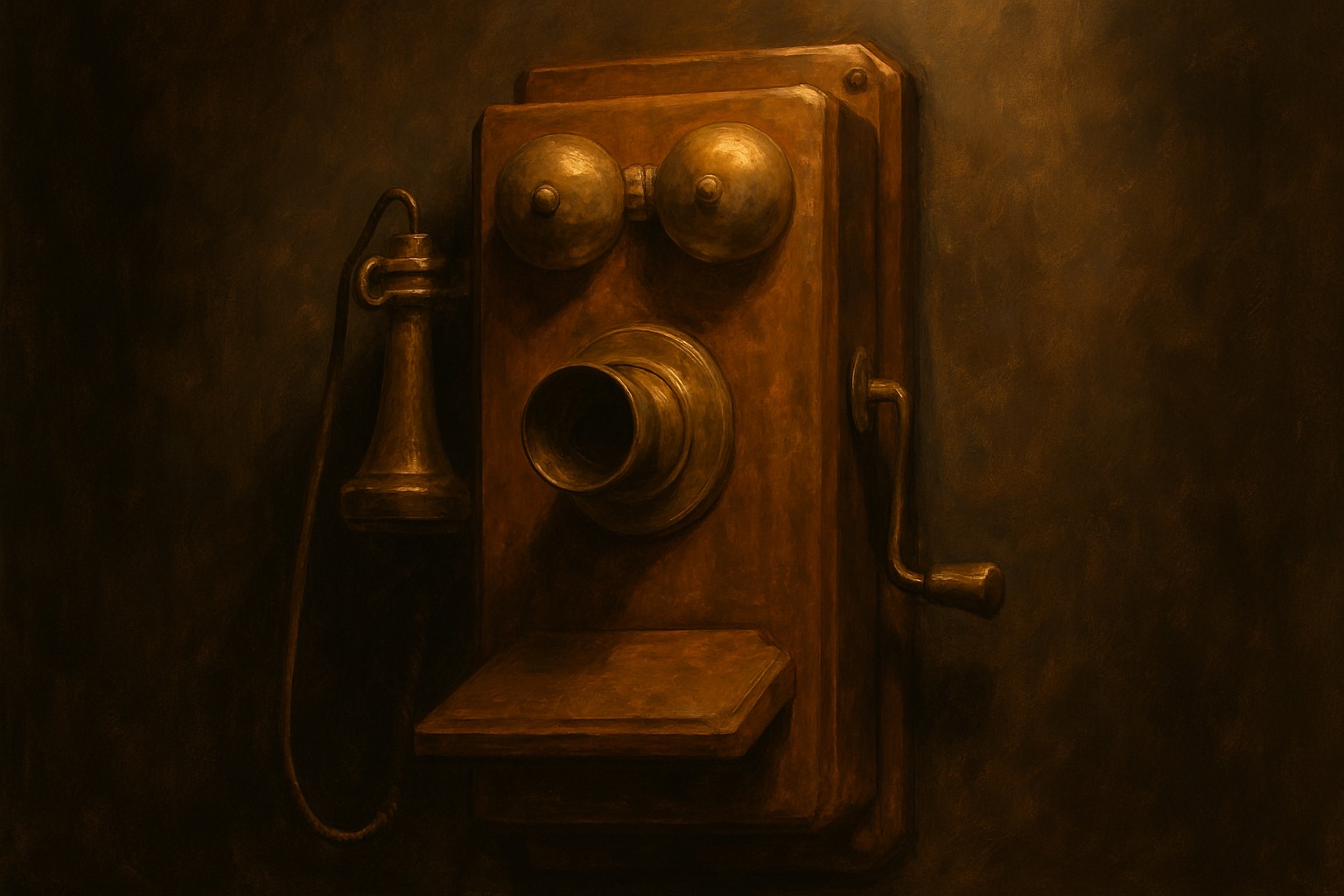
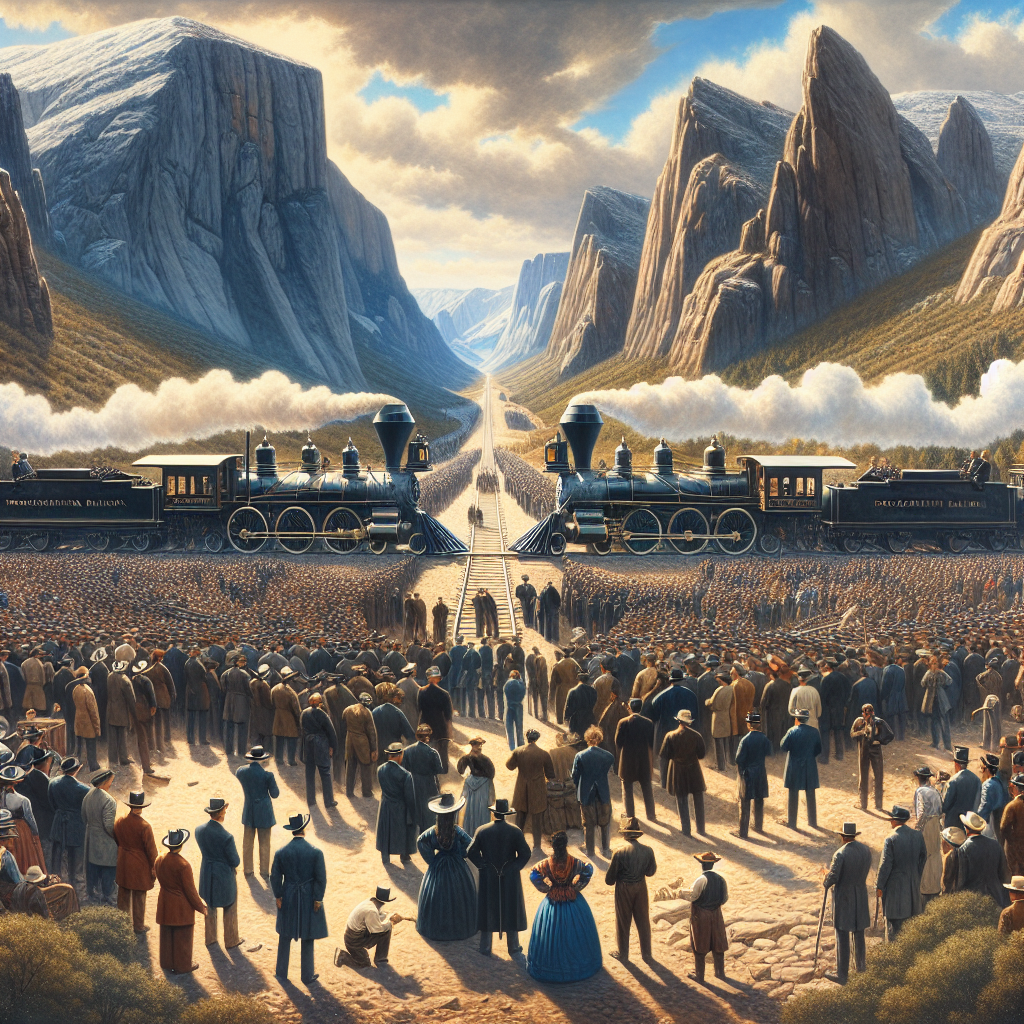
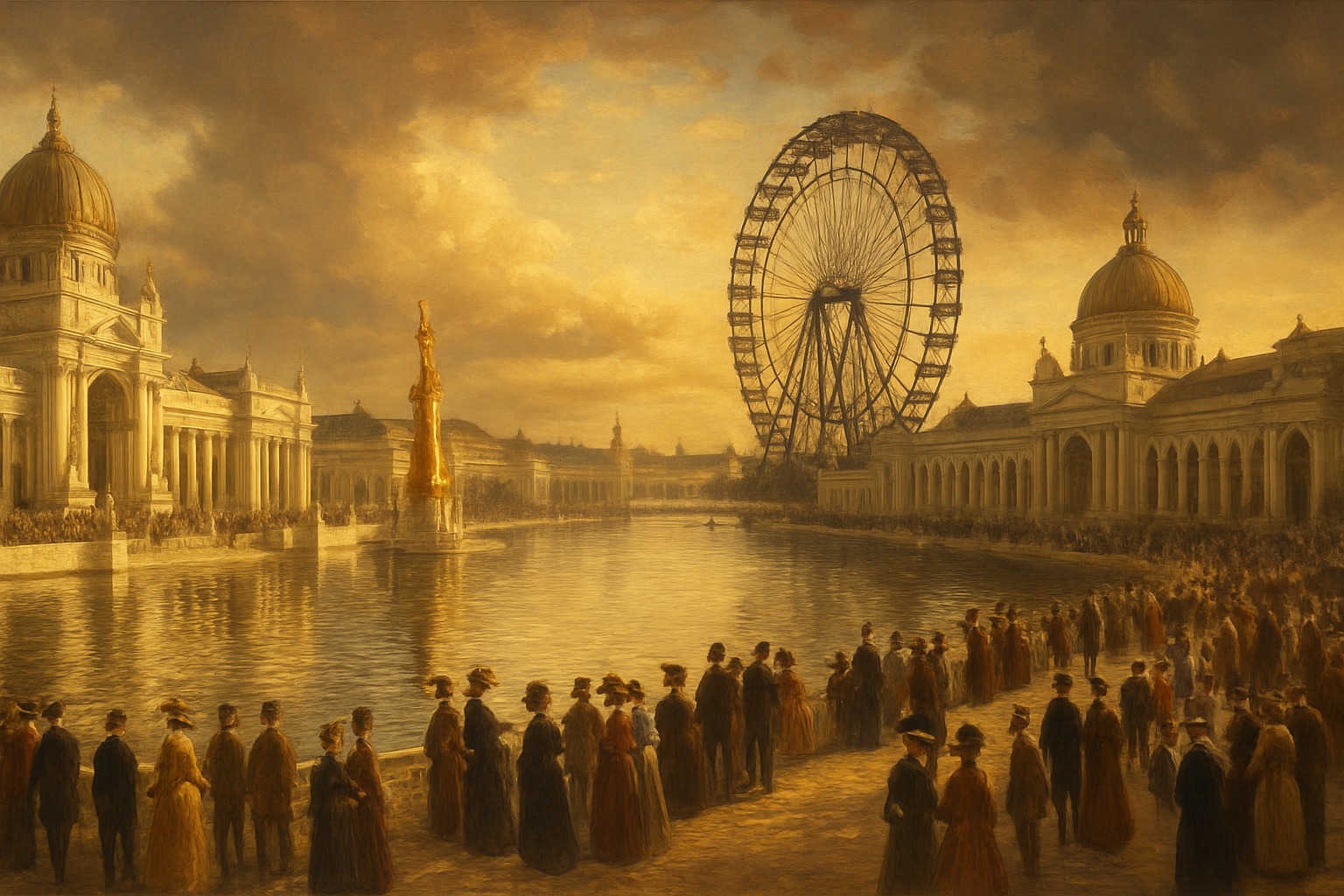
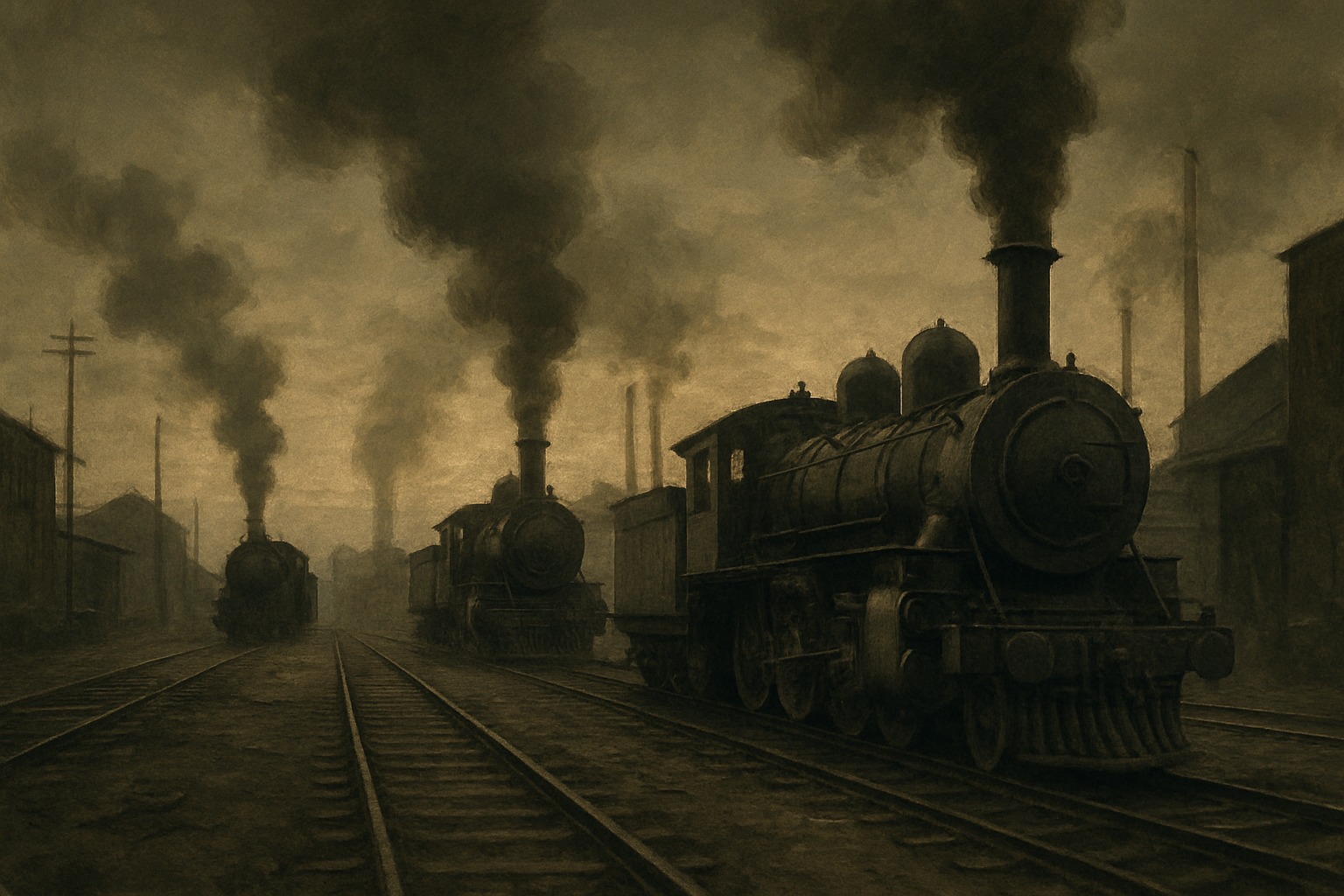
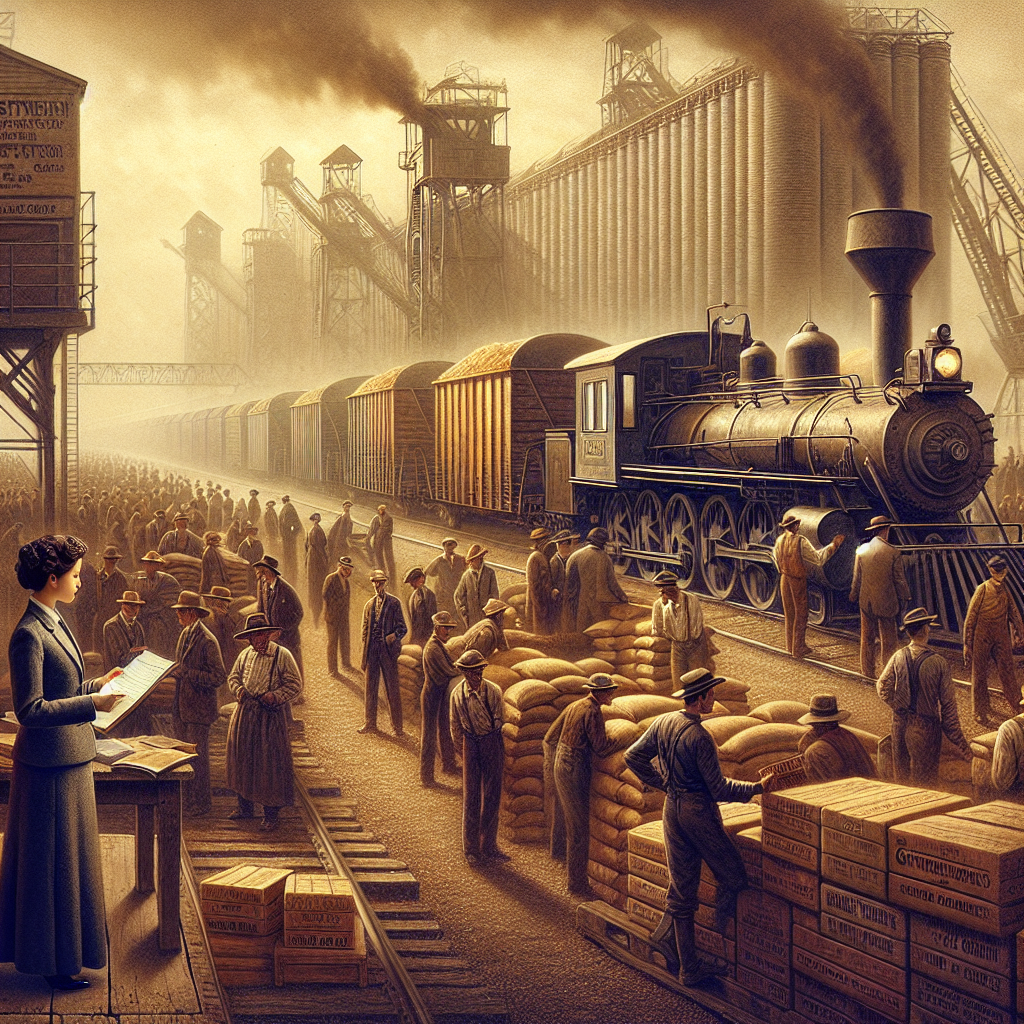
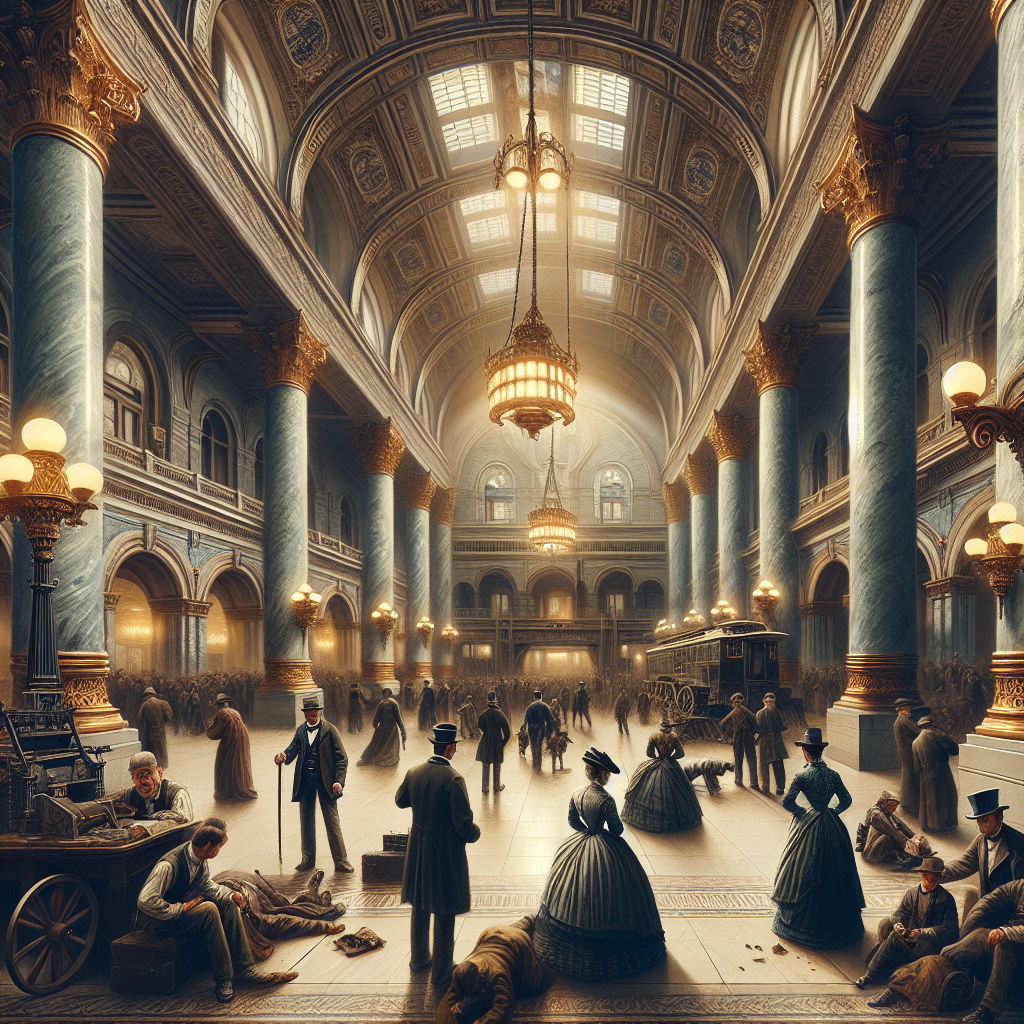
The same years wired the country for electricity, the telephone, and rail, and staged dazzling exhibitions to celebrate it. This was the visible, triumphant face of the Gilded Age — the one its boosters wanted the world to see.


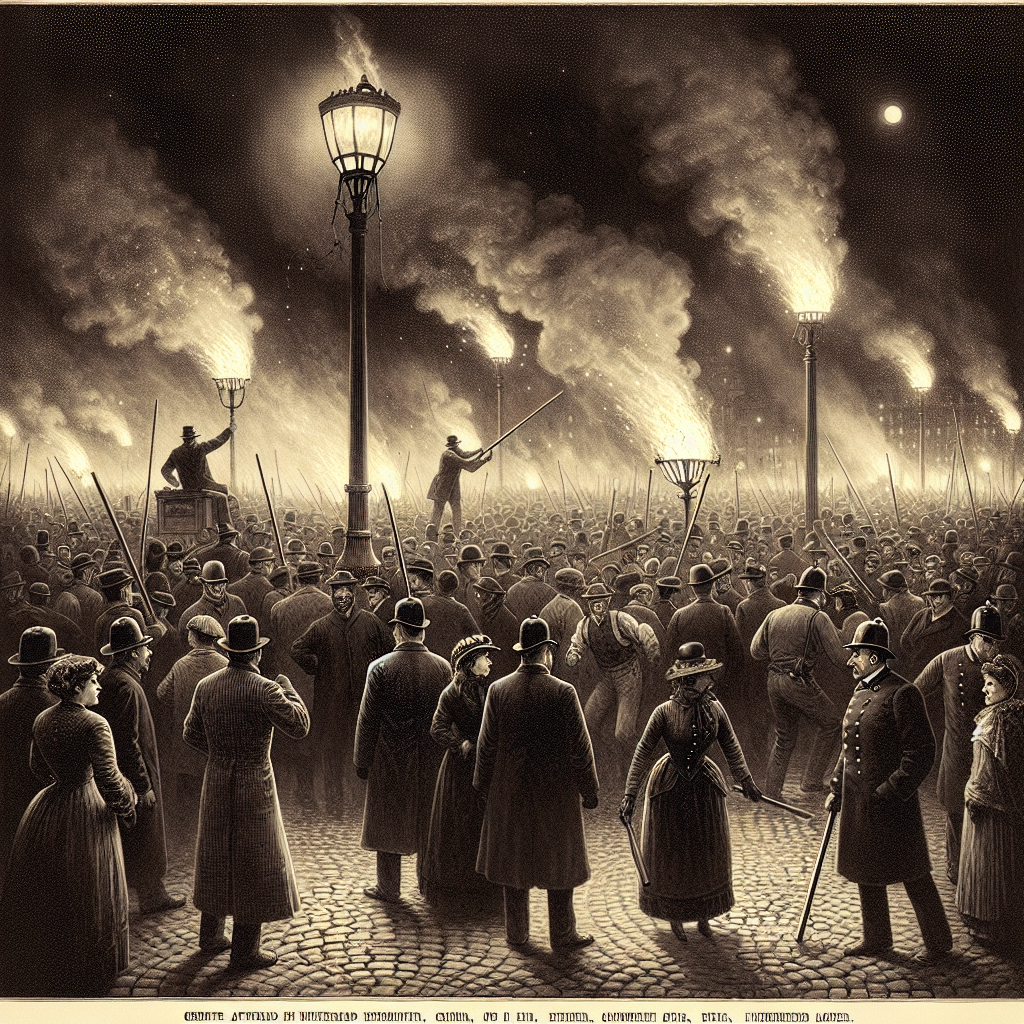
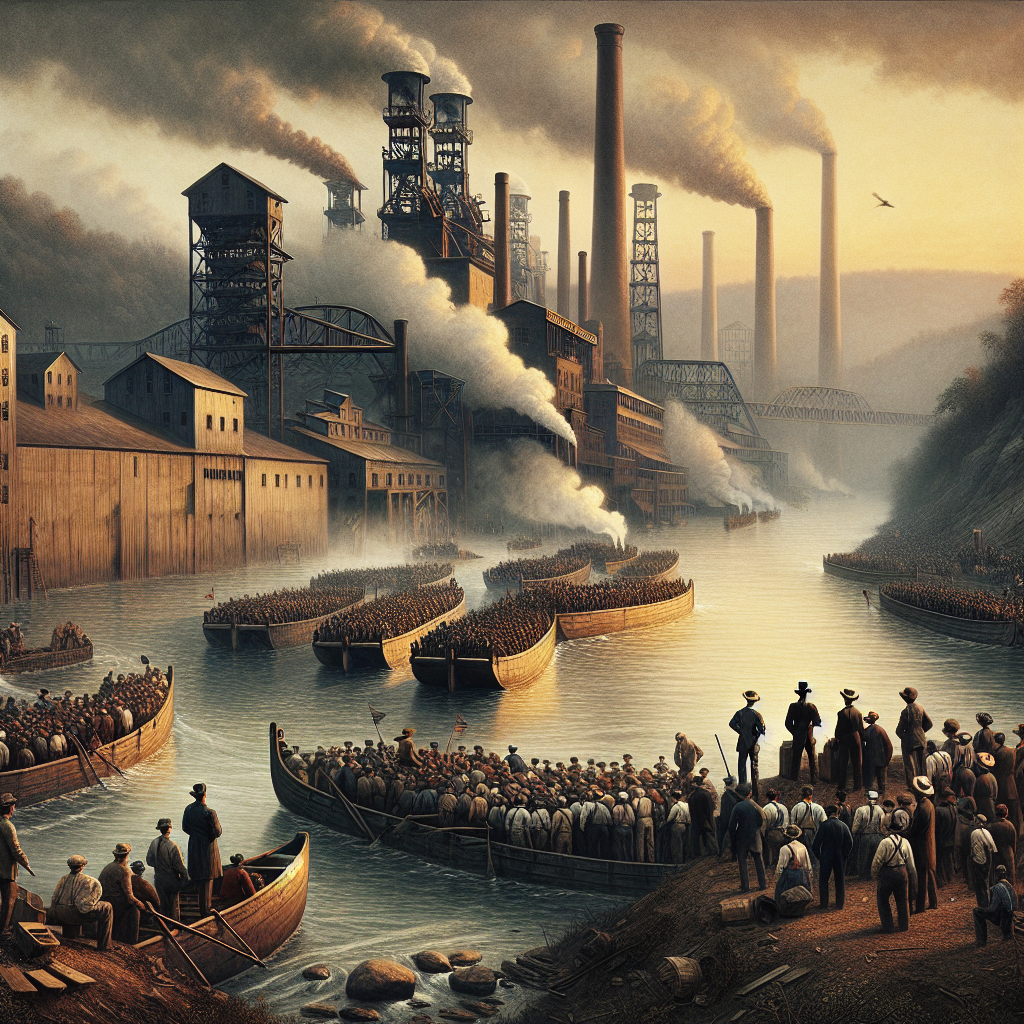
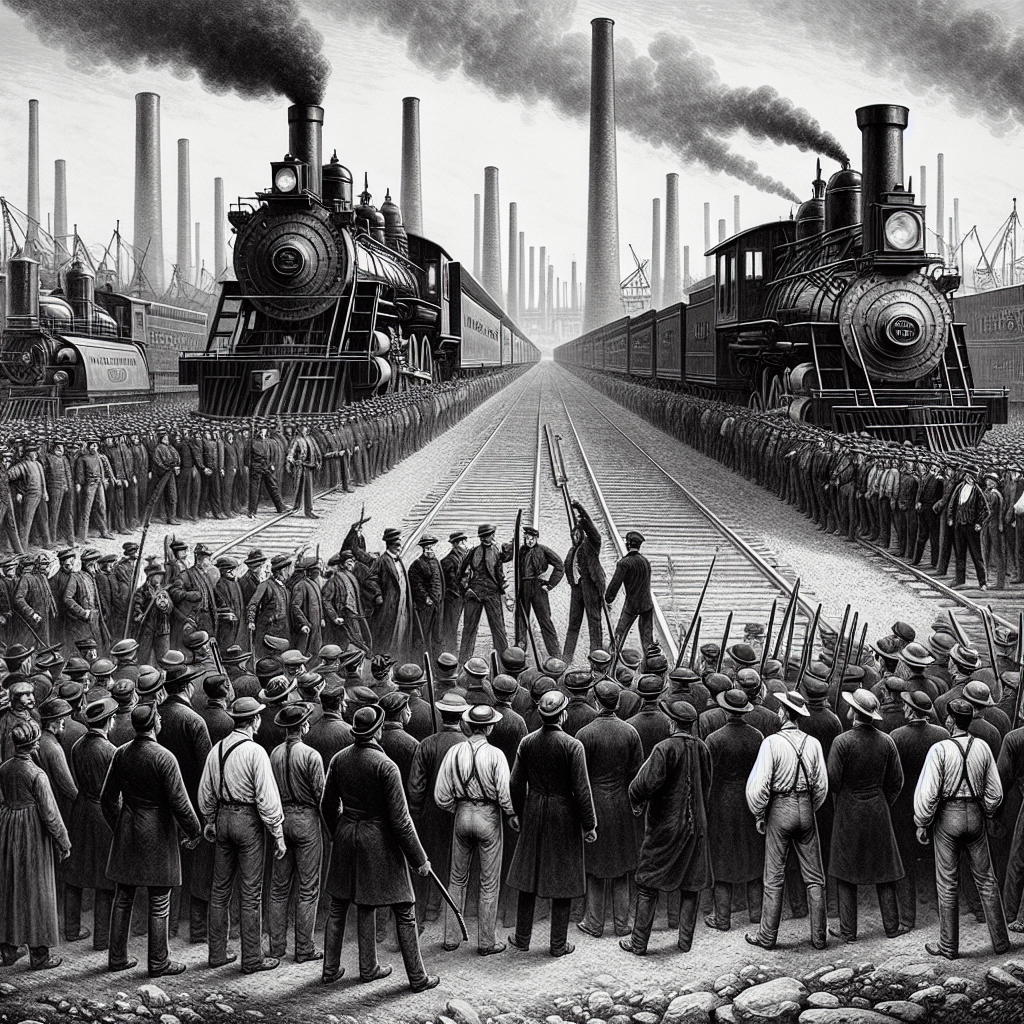
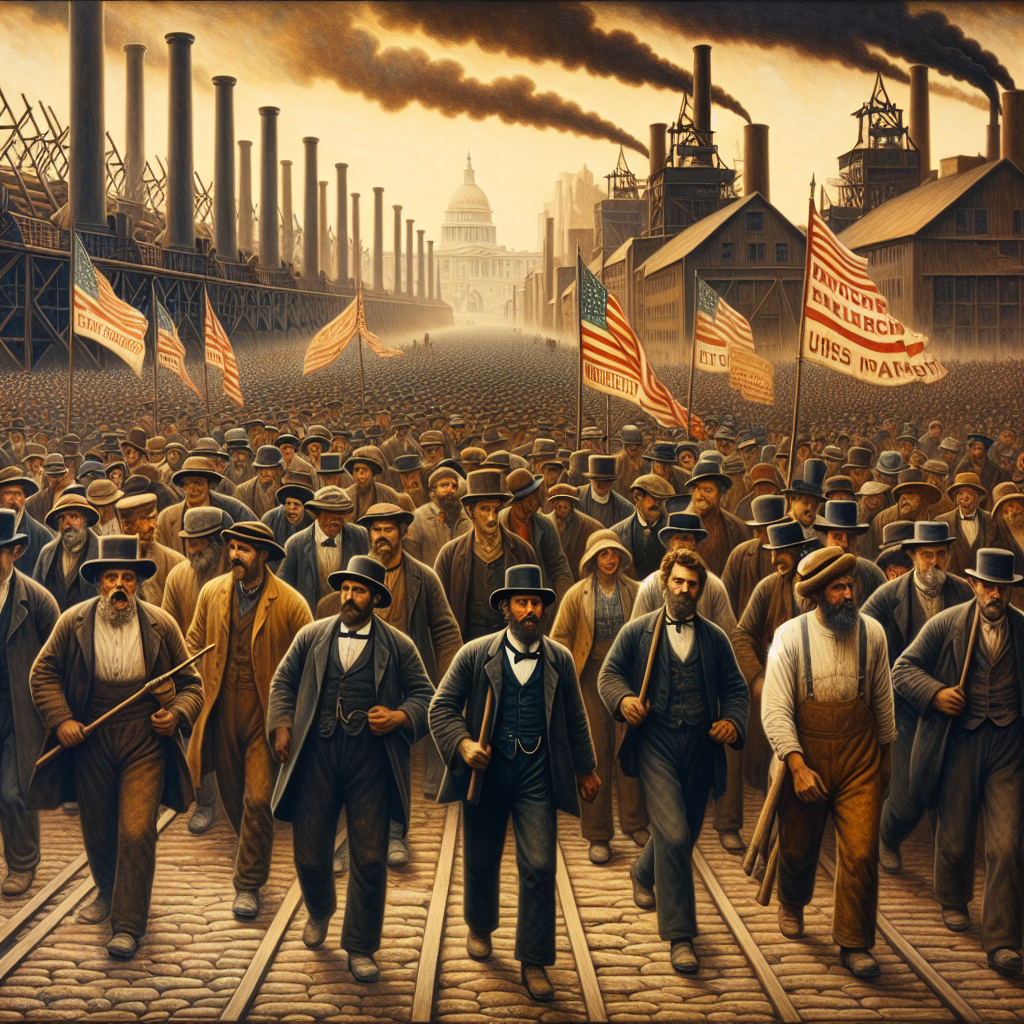
Beneath the spectacle, the people who actually ran the mills and the rails began to organize, and the country discovered that industrial conflict could turn violent fast. The strikes of these decades were the era's other face, and the government usually took the owners' side.
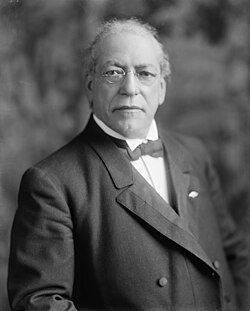
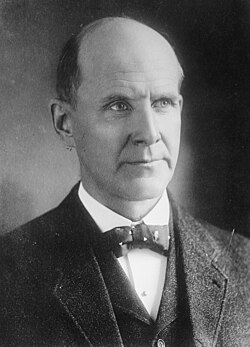
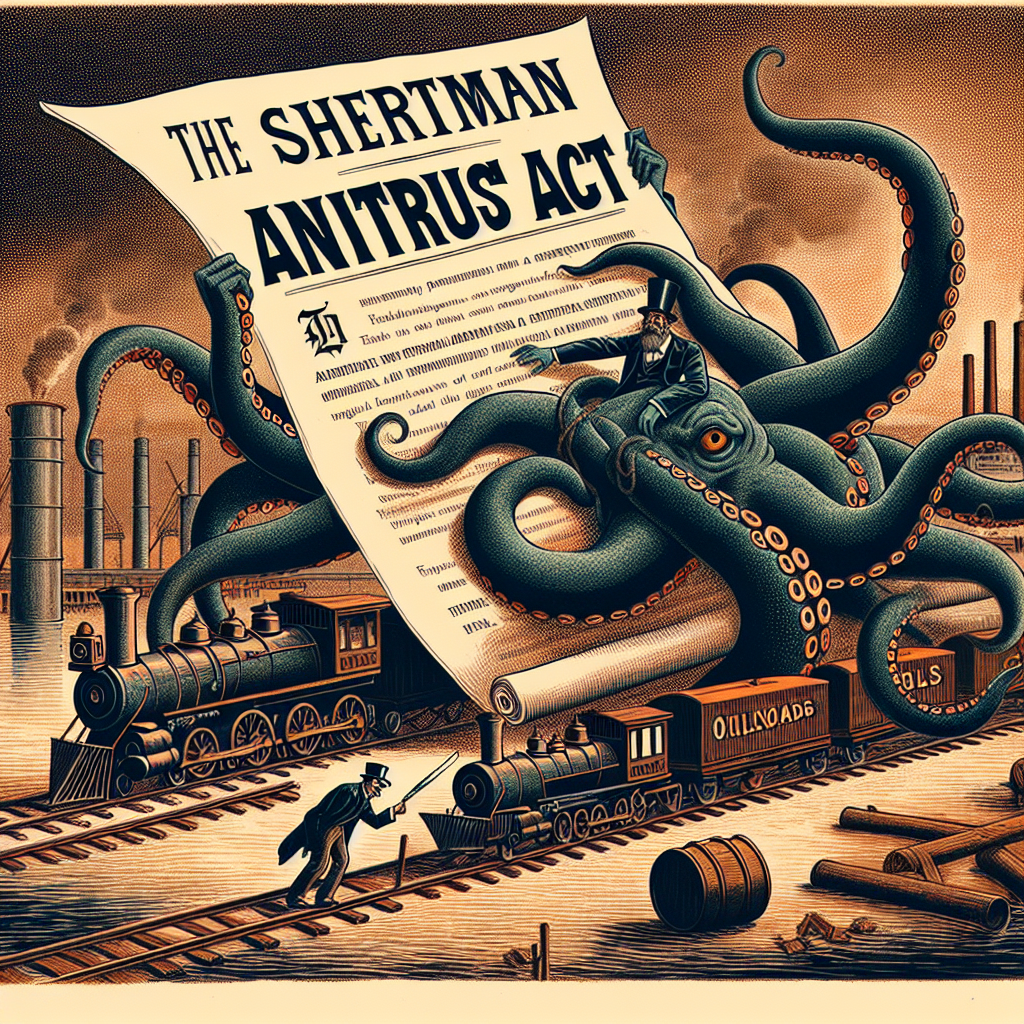
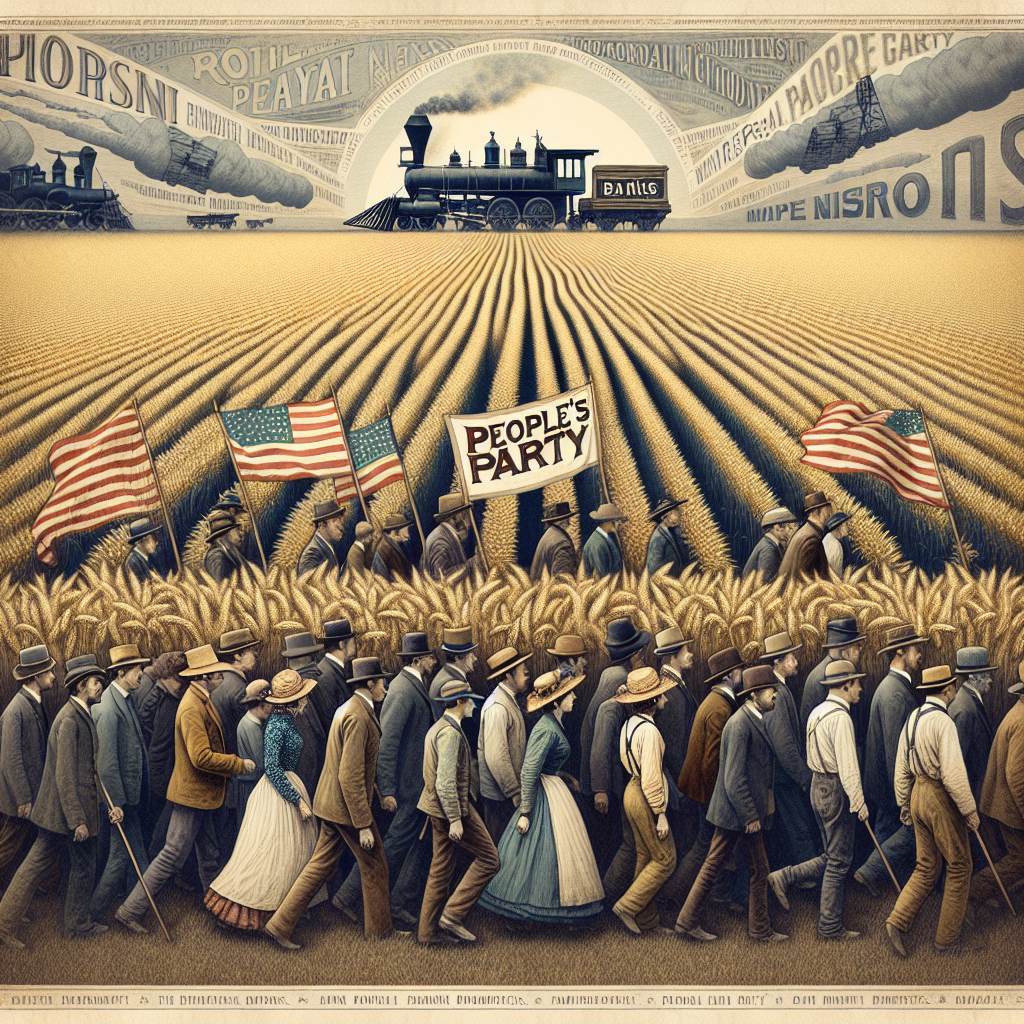
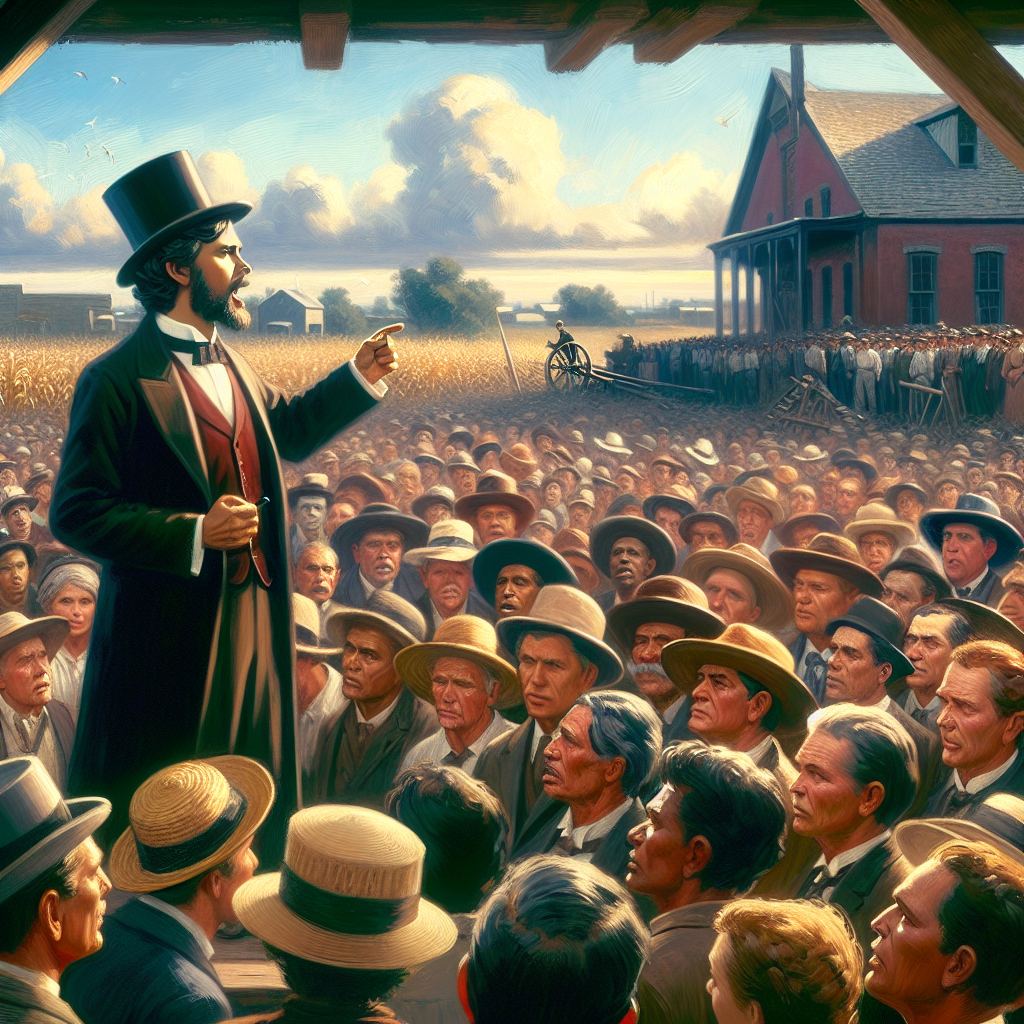
The excesses eventually generated their own correction. Farmers revolted, a third party rose, and Congress passed the first tentative federal limits on corporate power — the opening moves of a reform era the Gilded Age's abuses made inevitable.
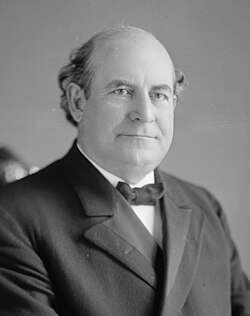
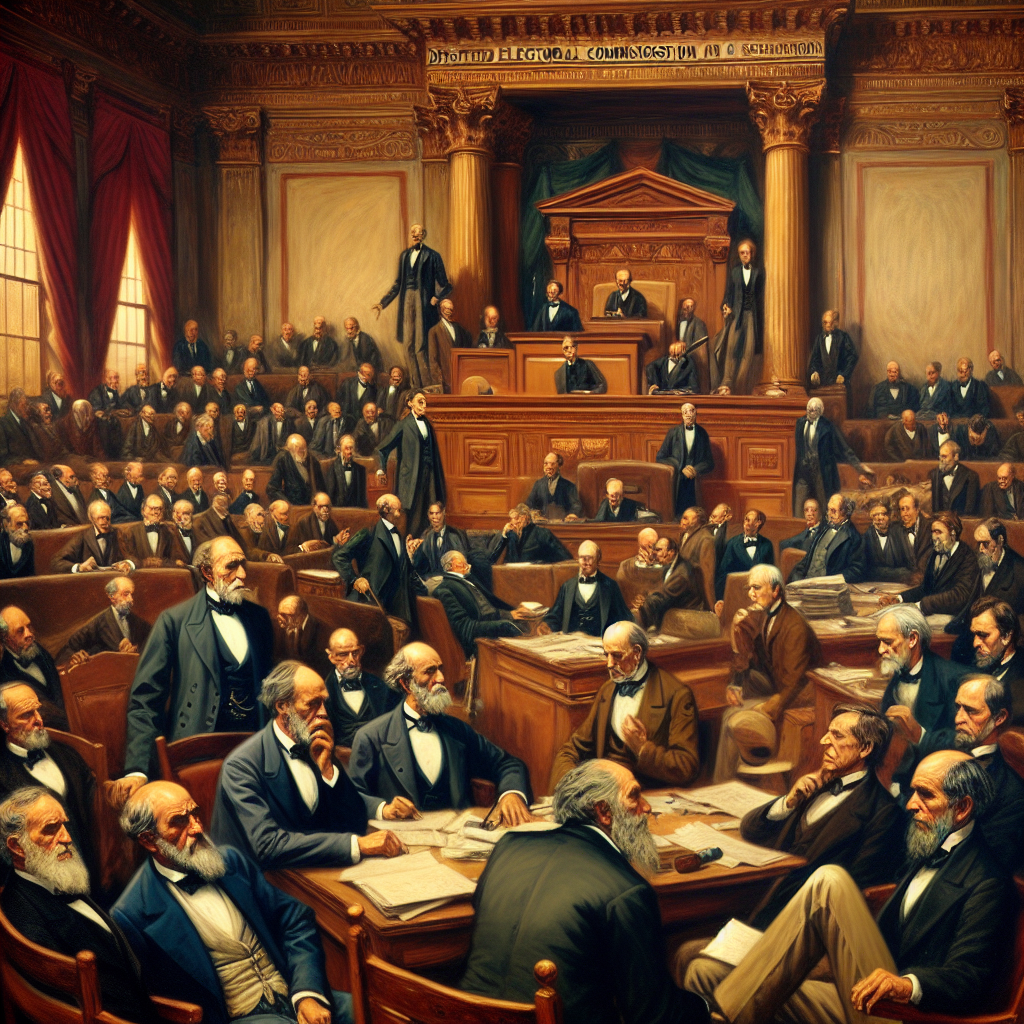
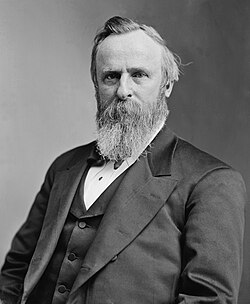
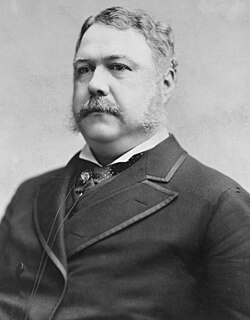
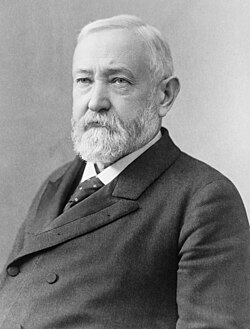
The era's presidents are mostly forgotten, and that is part of the story: real power lay with the parties, the bosses, and the corporations, while a string of one-term figures presided over a government they only partly controlled.


The reform impulse the Gilded Age set loose came of age in the decades that followed — the Progressive Era and the trust-busting that broke the empires built here. For the workers' side of the story, read the guide to the American labor movement; for the fortunes and panics, a history of American financial crises.