Machine Politics
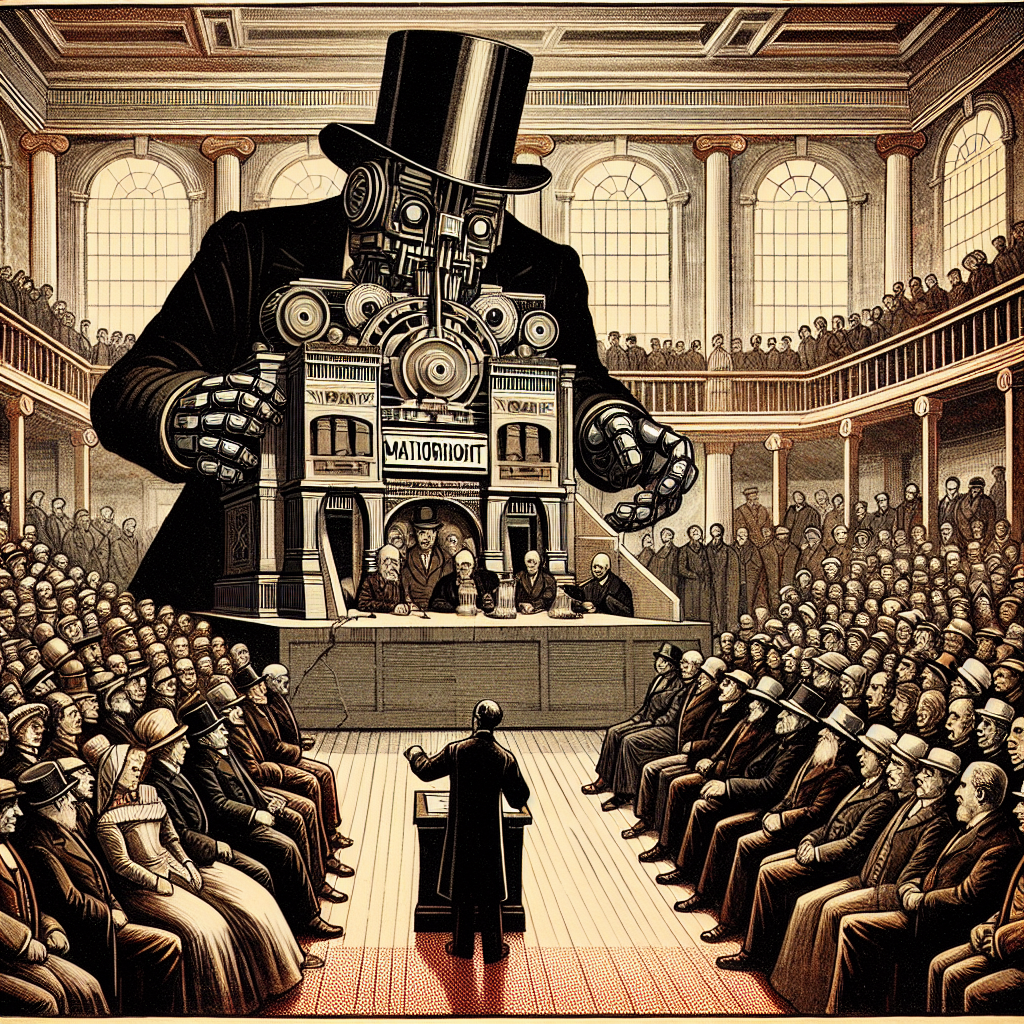
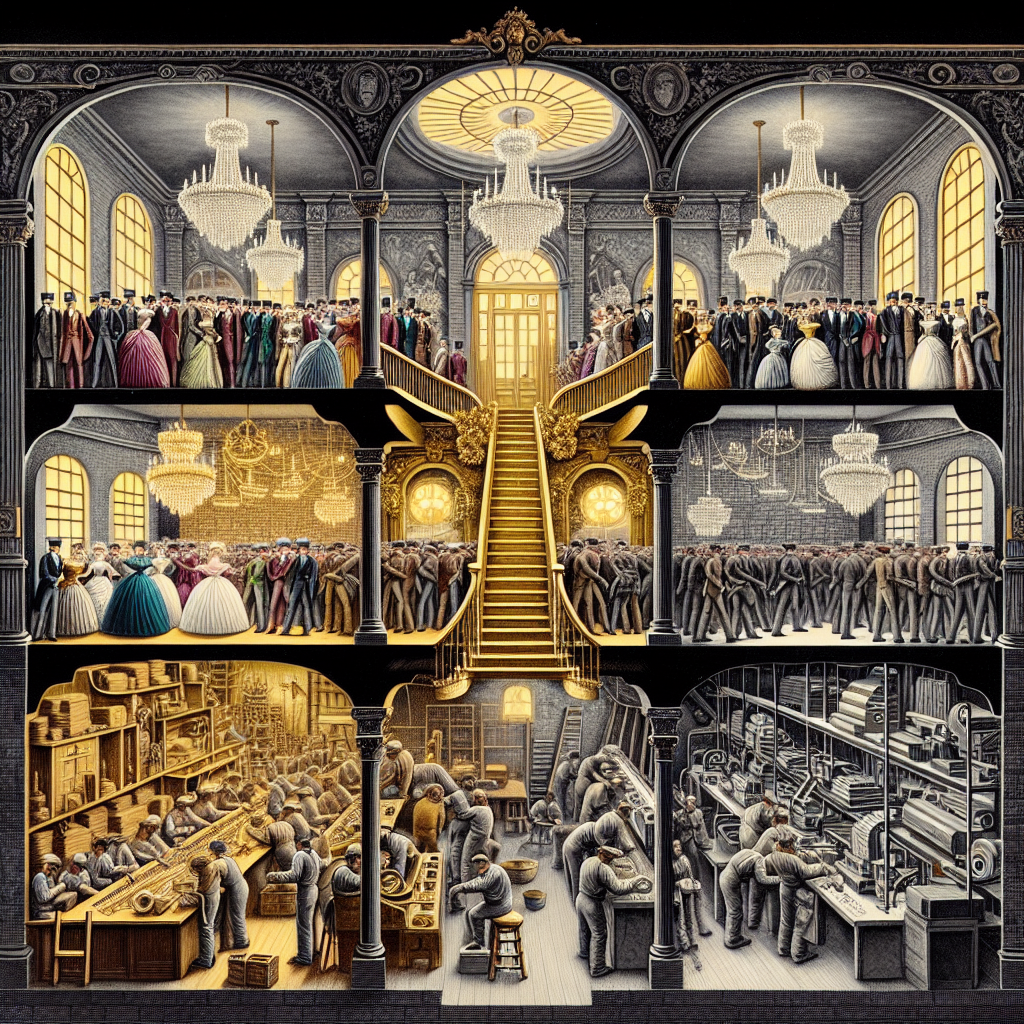
A political machine is an organization that controls a city or county government through a combination of patronage, loyalty, and the systematic exchange of government services for votes. The machine provides jobs, housing assistance, legal help, and a social safety net to its constituents — particularly to newly arrived immigrants who have no other access to institutional power — and in return those constituents vote reliably for the machine's candidates. The boss who runs the machine does not always hold elected office; his power comes from controlling who does. Tammany Hall in New York, the Daley machine in Chicago, and the Pendergast machine in Kansas City were the most famous examples of a system that dominated American urban politics from the 1850s through the mid-20th century.
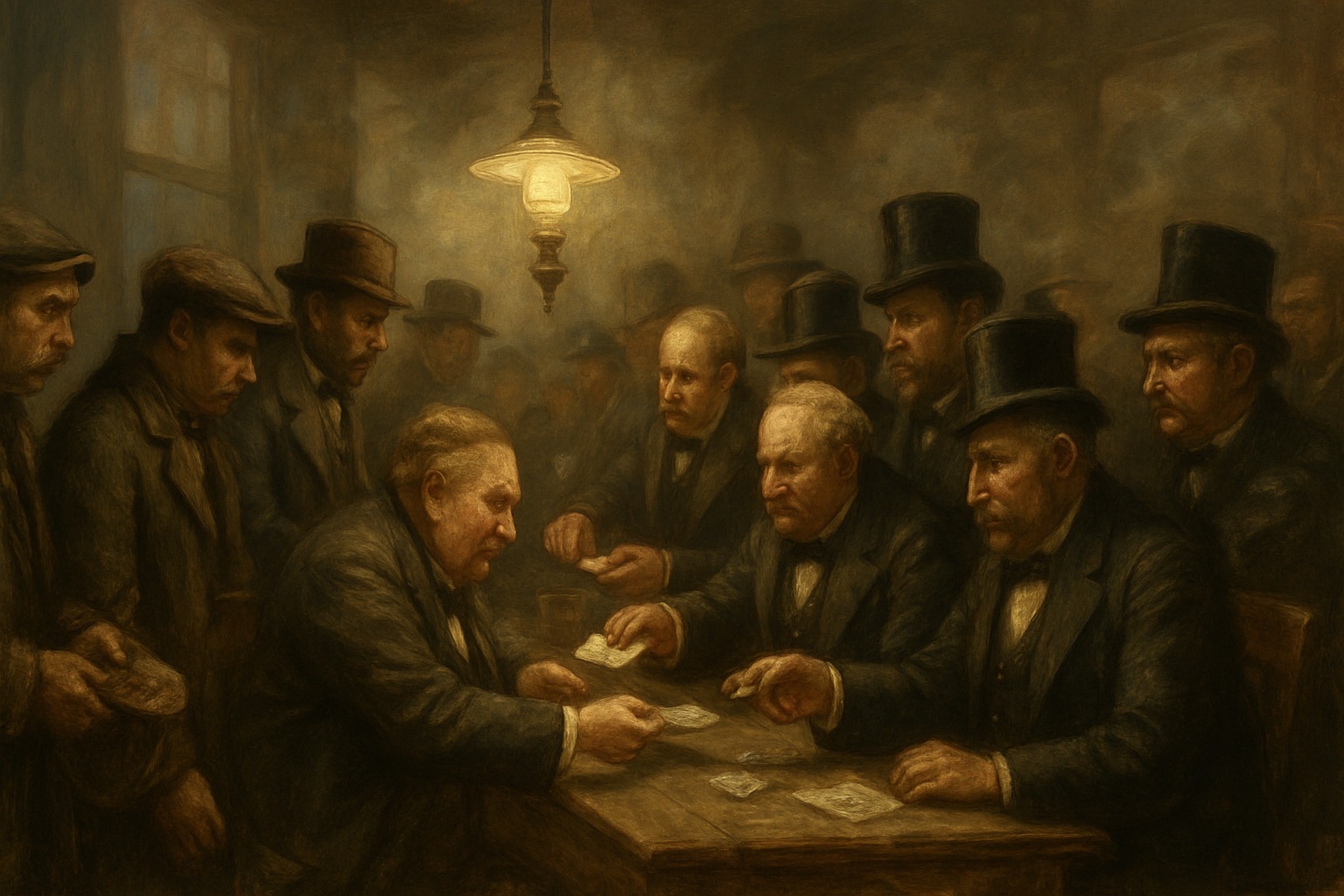
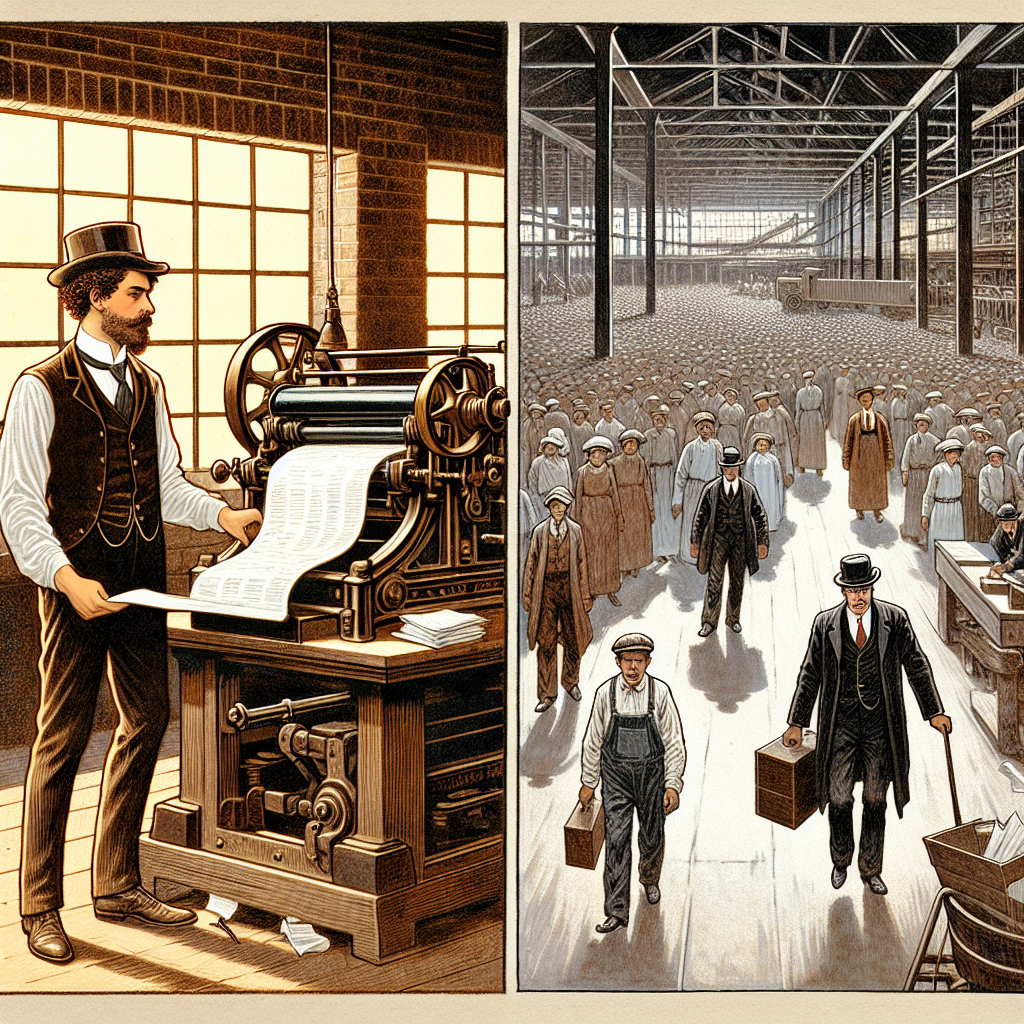
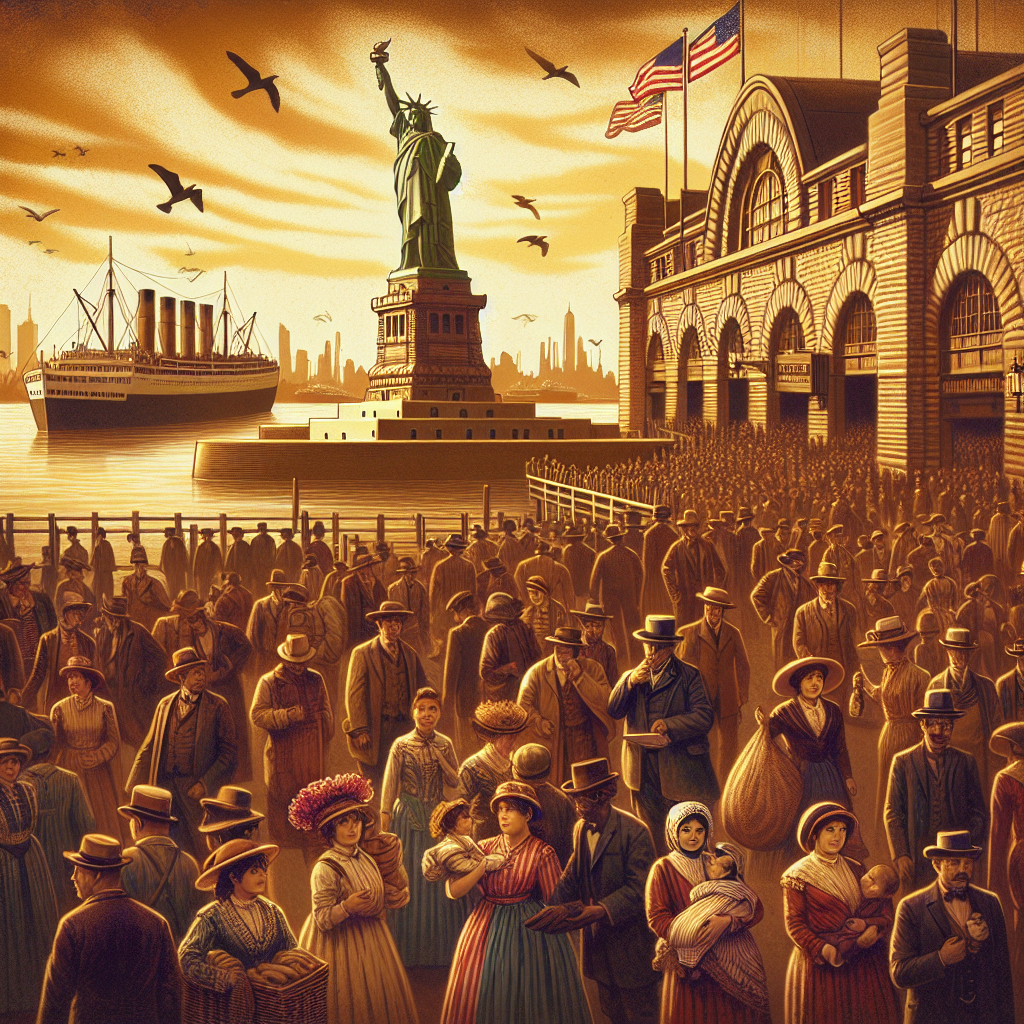
The machines emerged in the context of mass immigration and the explosive growth of industrial cities. Millions of Irish, Italian, Jewish, and Eastern European immigrants arrived with no English, no political connections, and no access to the formal mechanisms of government. The ward boss who could get a man a city job, fix a court date, or arrange coal delivery in January asked only for loyalty and a vote — a transaction that seemed entirely fair to people who had nothing else to offer and no other institution willing to deal with them. The corruption that accompanied the system — padded contracts, no-show jobs, systematic bribery — was real and extensive, but so were the services the machines actually delivered.
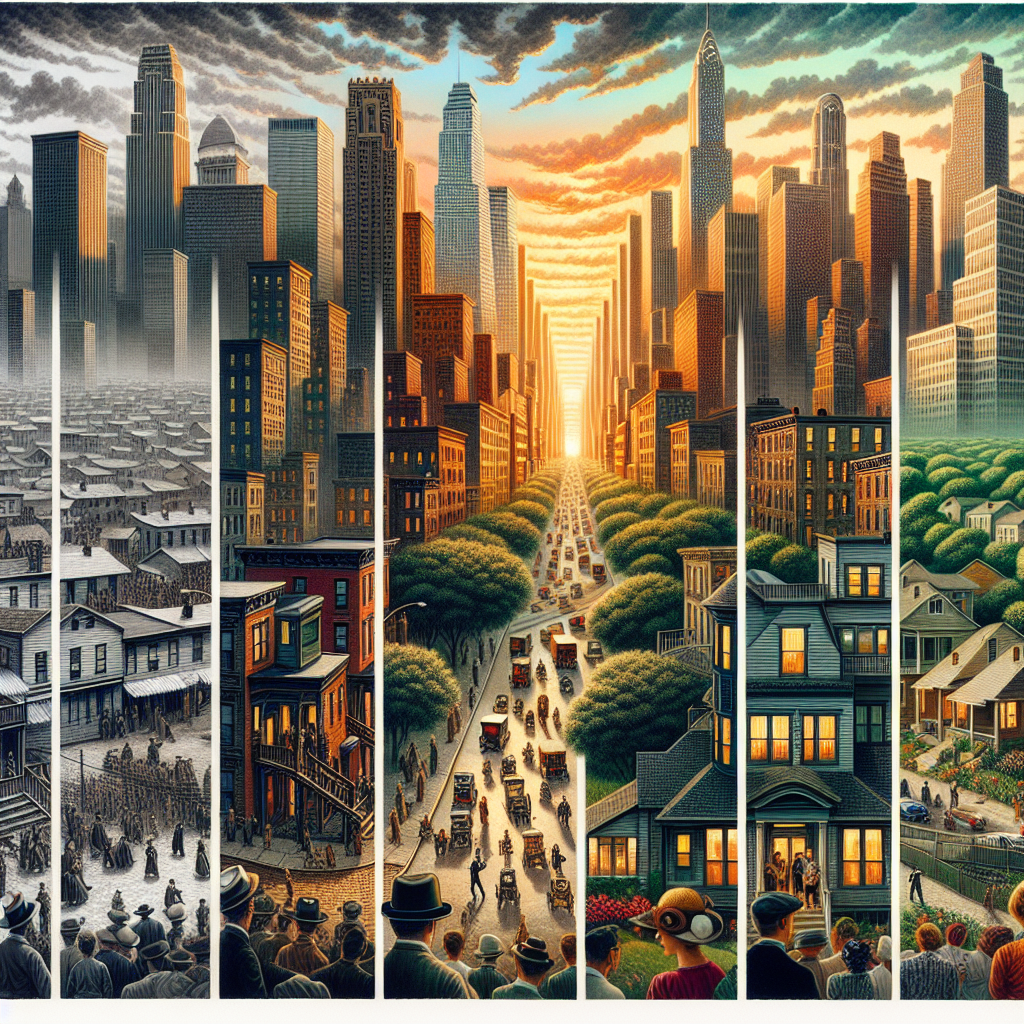
The Progressive Era reformers who fought the machines from the 1890s through the 1920s often replaced them with civil service systems, at-large elections, and city manager governments designed to insulate administration from politics. These reforms made government less corrupt but also less responsive to poor and immigrant communities — a trade-off that reformers sometimes acknowledged and sometimes did not. Machine politics did not disappear entirely; it evolved. The Daley organization in Chicago persisted in recognizable form into the 1970s, and patronage-based political networks continue to operate in American cities today, though without the scale or visibility of the classic machines.
| Peak era | Gilded Age through Progressive Era, 1870s–1930s |
| Core exchange | Government services and jobs in exchange for reliable votes |
| Famous machines | Tammany Hall (NYC); Daley machine (Chicago); Pendergast (Kansas City) |
| Base constituency | Newly arrived immigrants — Irish, Italian, Eastern European |
| Opposition | Progressive Era reformers — civil service, at-large elections |
| Key figure | Boss Tweed — Tammany Hall, New York City, 1860s–1870s |
| Years | 1850–1970 |
| Location | New York City, New York |