William Jennings Bryan
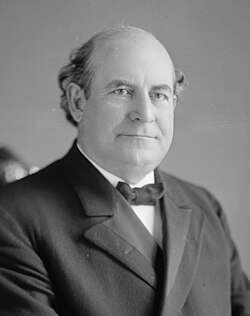
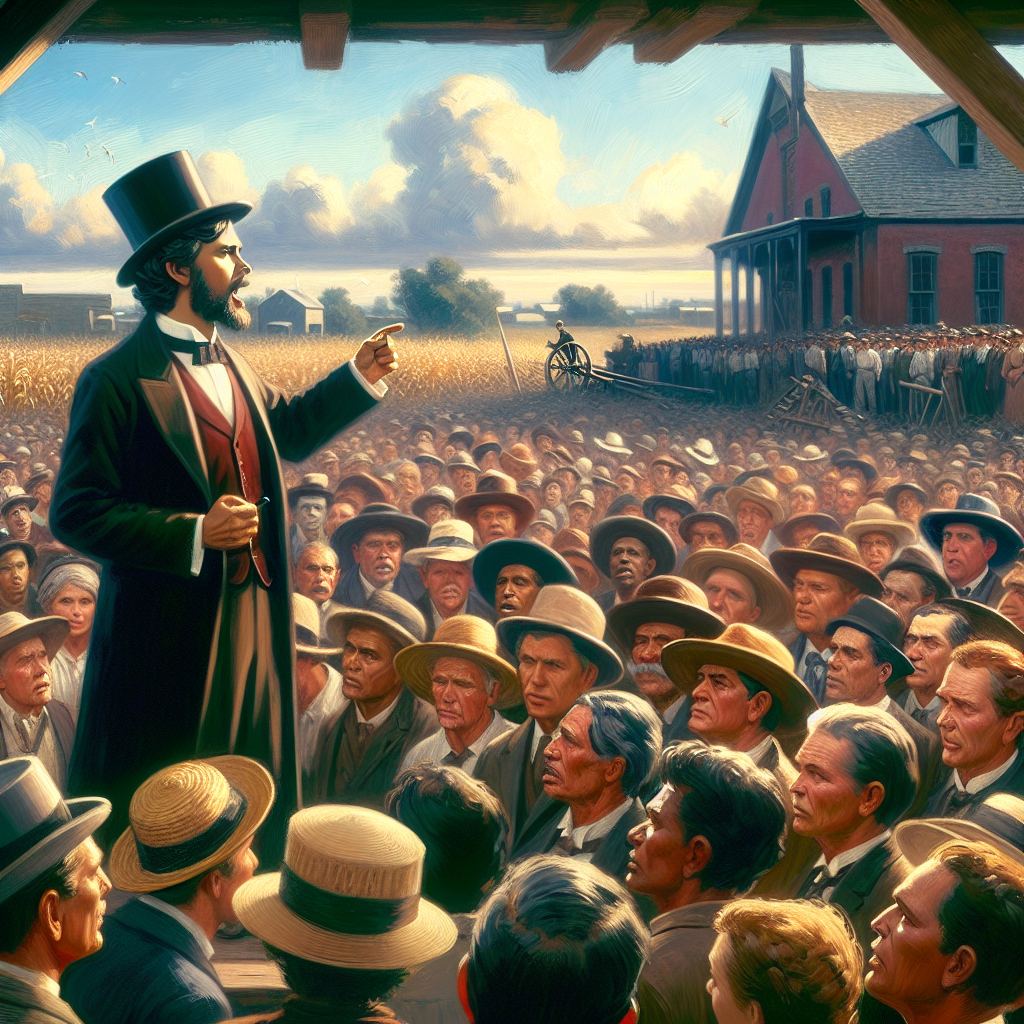
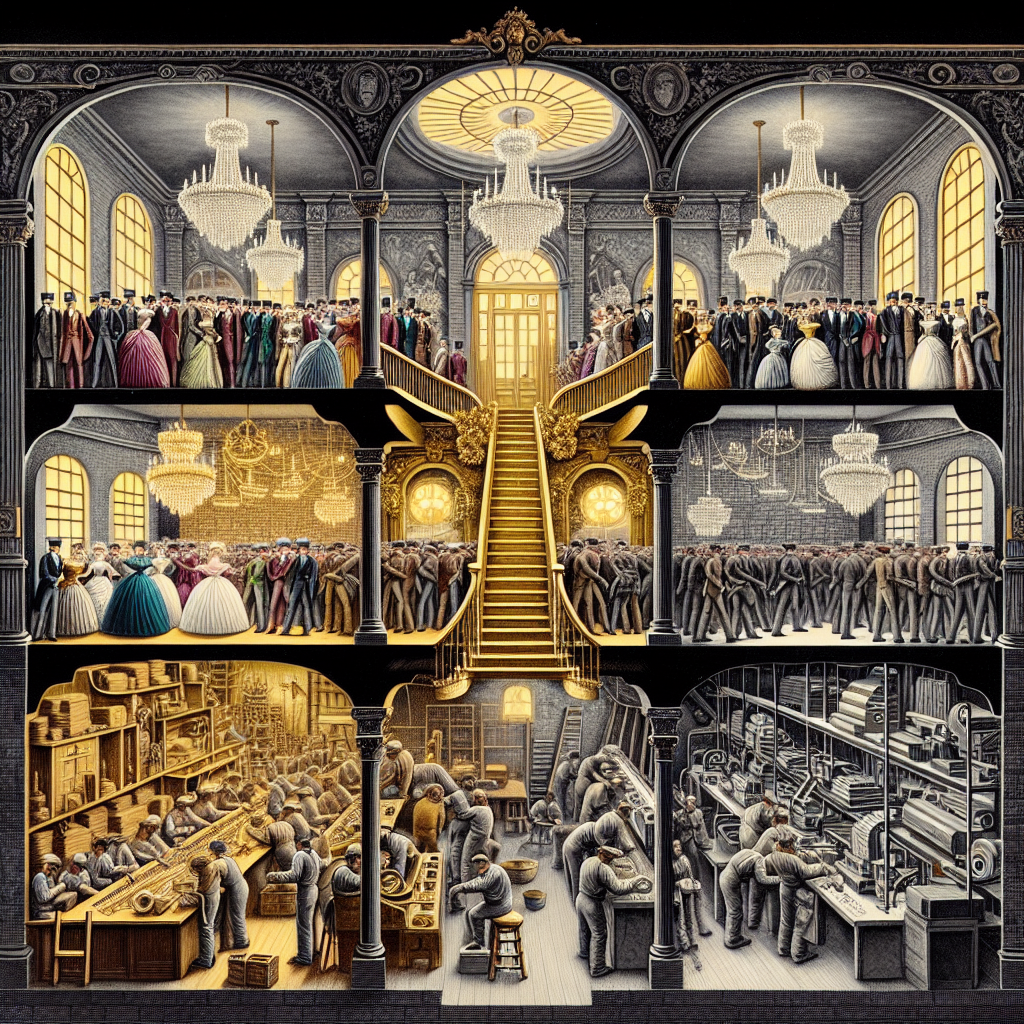
William Jennings Bryan was 36 years old and still a former congressman when he strode to the podium at the 1896 Democratic National Convention in Chicago and delivered a speech that ended with a sentence that stopped the hall cold: "You shall not crucify mankind upon a cross of gold." The crowd erupted, the delegates nominated him for president on the fifth ballot, and Bryan became the voice of a rural America that felt squeezed between Eastern banks and railroad corporations. He lost the general election to William McKinley — three times across three campaigns — but remade the Democratic Party in the process.
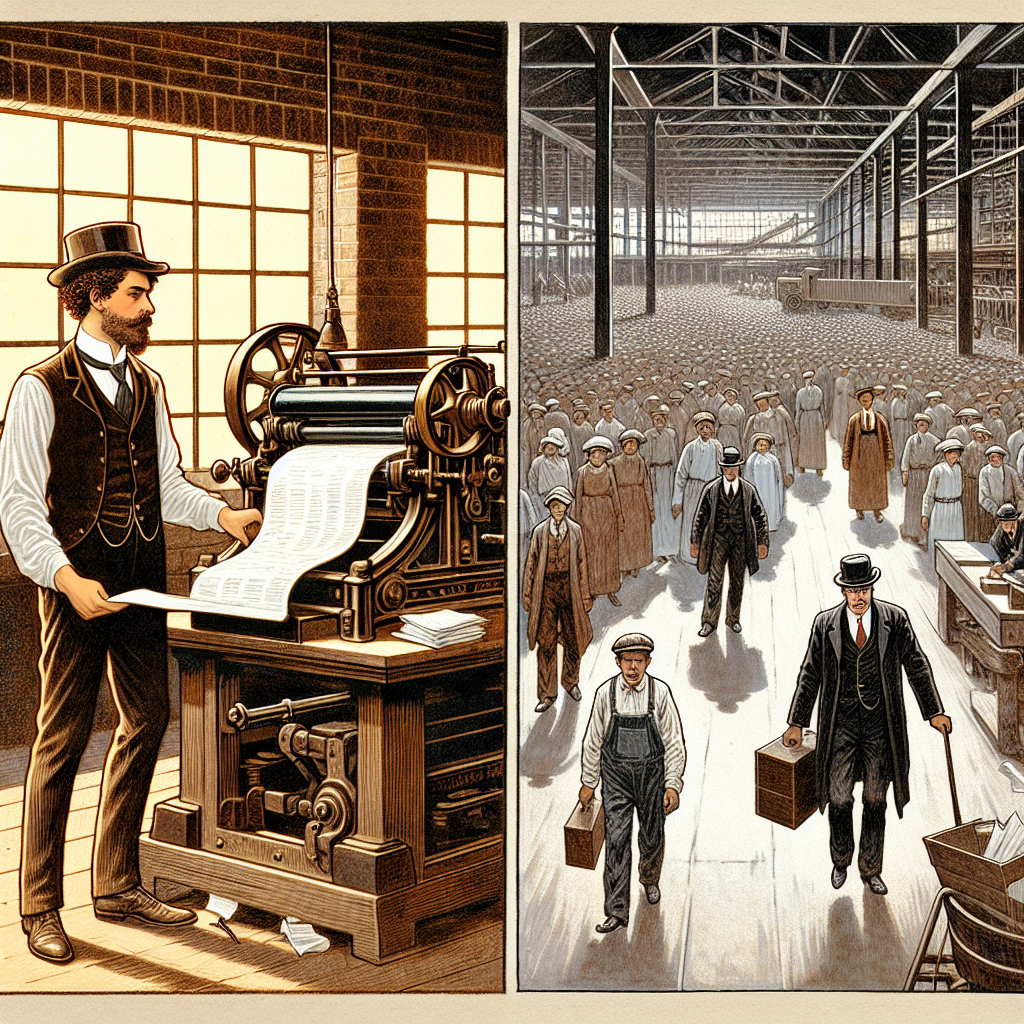
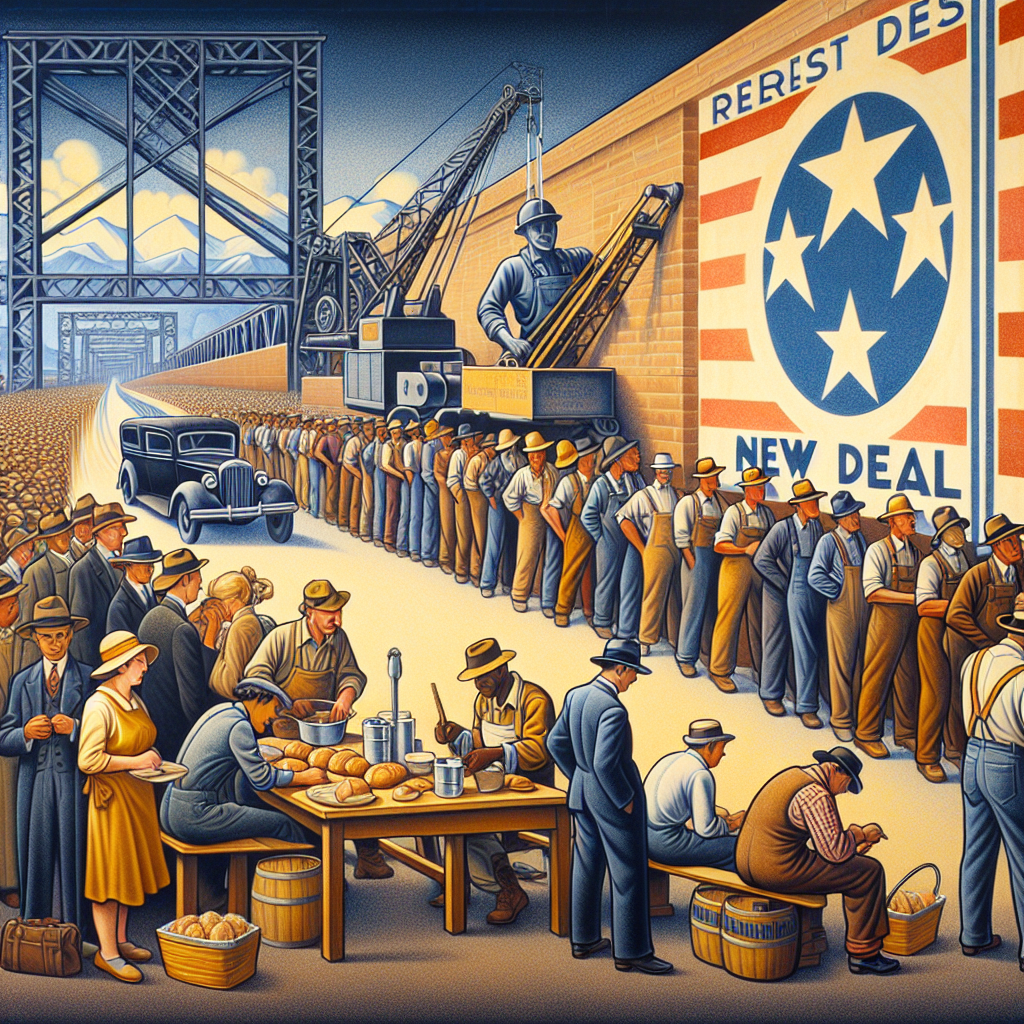
Bryan's politics were a particular American mixture: genuinely progressive on economic questions, deeply conservative on cultural ones. He championed the income tax, the direct election of senators, and Prohibition, and he served as Woodrow Wilson's first Secretary of State before resigning over Wilson's response to the sinking of the Lusitania, which he feared would pull the country into war. He believed the federal government should actively protect ordinary citizens from concentrated wealth — a position that influenced Franklin Roosevelt's New Deal platform three decades later.
His last act was also his most famous. In the summer of 1925, Bryan went to Dayton, Tennessee, to assist the prosecution in the trial of John Scopes, a high school teacher charged with teaching evolution. Clarence Darrow put Bryan on the stand as a Bible expert and spent two hours dismantling his literal reading of scripture before a crowd of reporters and spectators. Bryan died five days after the trial ended. The Scopes trial fixed him in memory as a defender of ignorance, which was not entirely fair — but the cross-examination had been genuinely damning.
| Born | March 19, 1860 — Salem, Illinois |
| Died | July 26, 1925 — Dayton, Tennessee (5 days after Scopes Trial) |
| Party | Democratic |
| Presidential Runs | 1896, 1900, 1908 (lost all three) |
| Secretary of State | 1913–1915, under President Woodrow Wilson |
| Famous Speech | "Cross of Gold," Democratic National Convention, July 9, 1896 |
| Last Role | Prosecution witness, Scopes Trial, 1925 |
| Date | July 9, 1896 (Cross of Gold speech) |
| Location | Lincoln, Nebraska |