Interstate Commerce Act

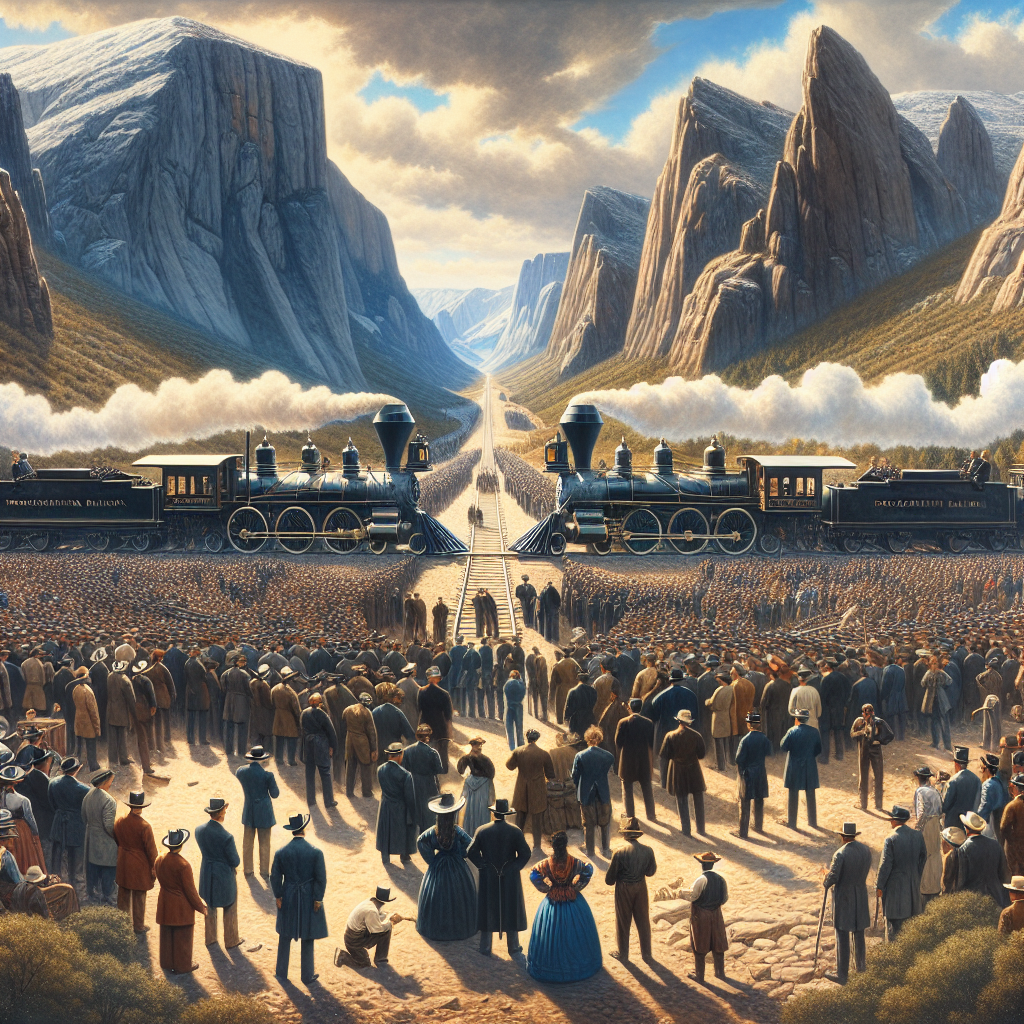
By the 1880s, the railroads were the circulatory system of the American economy and among the most powerful private institutions in the country — and they were charging whatever they liked, to whom they liked, whenever they liked. Farmers in the Midwest paid higher rates than East Coast merchants for the same distances. Large shippers received secret rebates that smaller competitors never could. Rates varied by customer, by season, and by how much leverage the railroad judged the shipper to have. The Interstate Commerce Act of 1887 was the first federal attempt to regulate this — and also, for most of its first decade, a largely unsuccessful one.
The act created the Interstate Commerce Commission, the first federal regulatory agency, and prohibited rate discrimination, required that rates be "reasonable and just," and banned the secret rebate arrangements that had fueled so much resentment. The railroads immediately began contesting ICC orders in court, and the Supreme Court's 1897 decision in Maximum Freight Rate Case stripped the commission of its power to set rates. Congress responded with the Hepburn Act of 1906 and the Mann-Elkins Act of 1910, progressively strengthening the ICC until it had real enforcement authority.
The Interstate Commerce Act matters not for what it immediately accomplished — which was modest — but for what it established: the principle that private enterprises conducting business across state lines were subject to federal regulation in the public interest. Every subsequent regulatory agency, from the Federal Trade Commission to the Food and Drug Administration to the Securities and Exchange Commission, rests on the legal and institutional foundation the ICC built. The act was the opening move of a century-long negotiation between the federal government and American business over the terms of the market economy.


| Enacted | February 4, 1887 |
| Signed by | President Grover Cleveland |
| Created | Interstate Commerce Commission (ICC) — first federal regulatory agency |
| Targeted | Railroad rate discrimination and secret rebates |
| Early Weakness | Supreme Court stripped ICC rate-setting power, 1897 |
| Strengthened by | Hepburn Act (1906), Mann-Elkins Act (1910) |
| Date | February 4, 1887 |
| Location | Washington, D.C. |