The Industrial Revolution
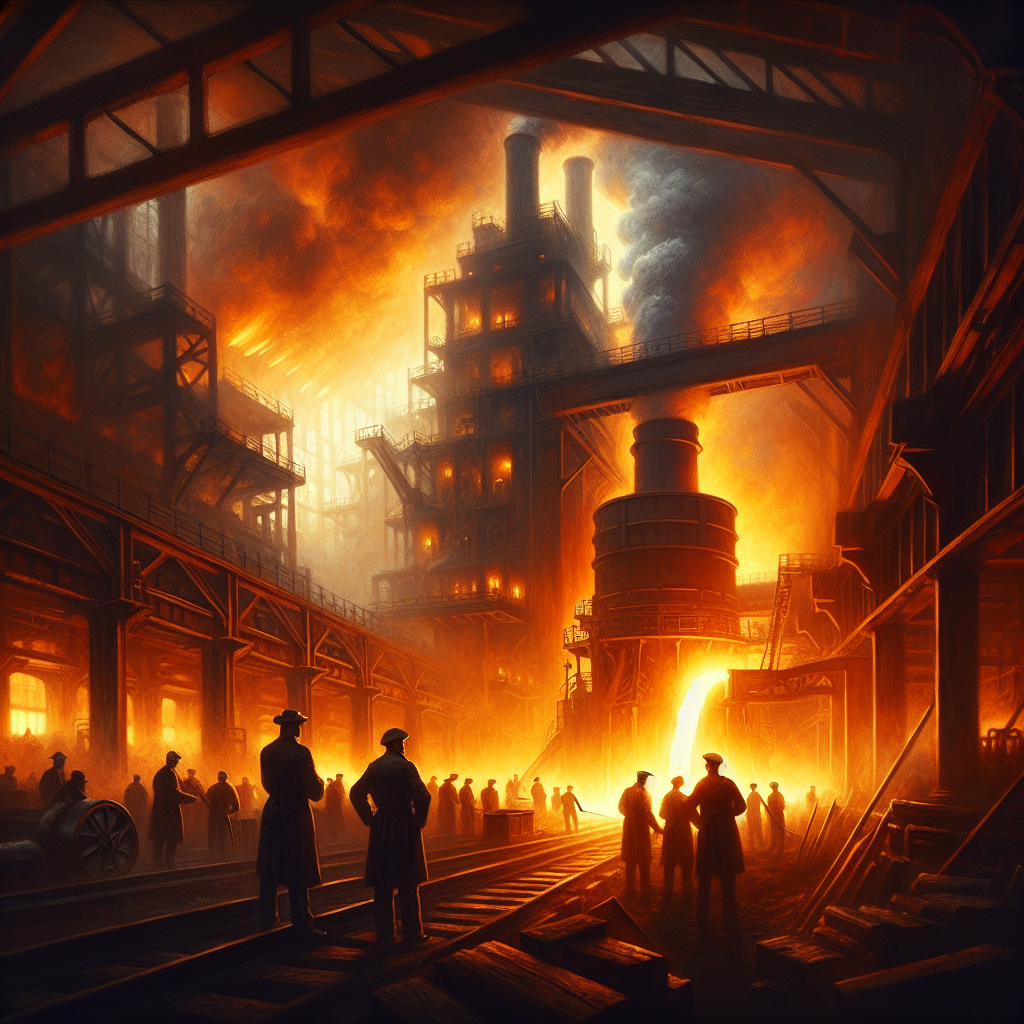
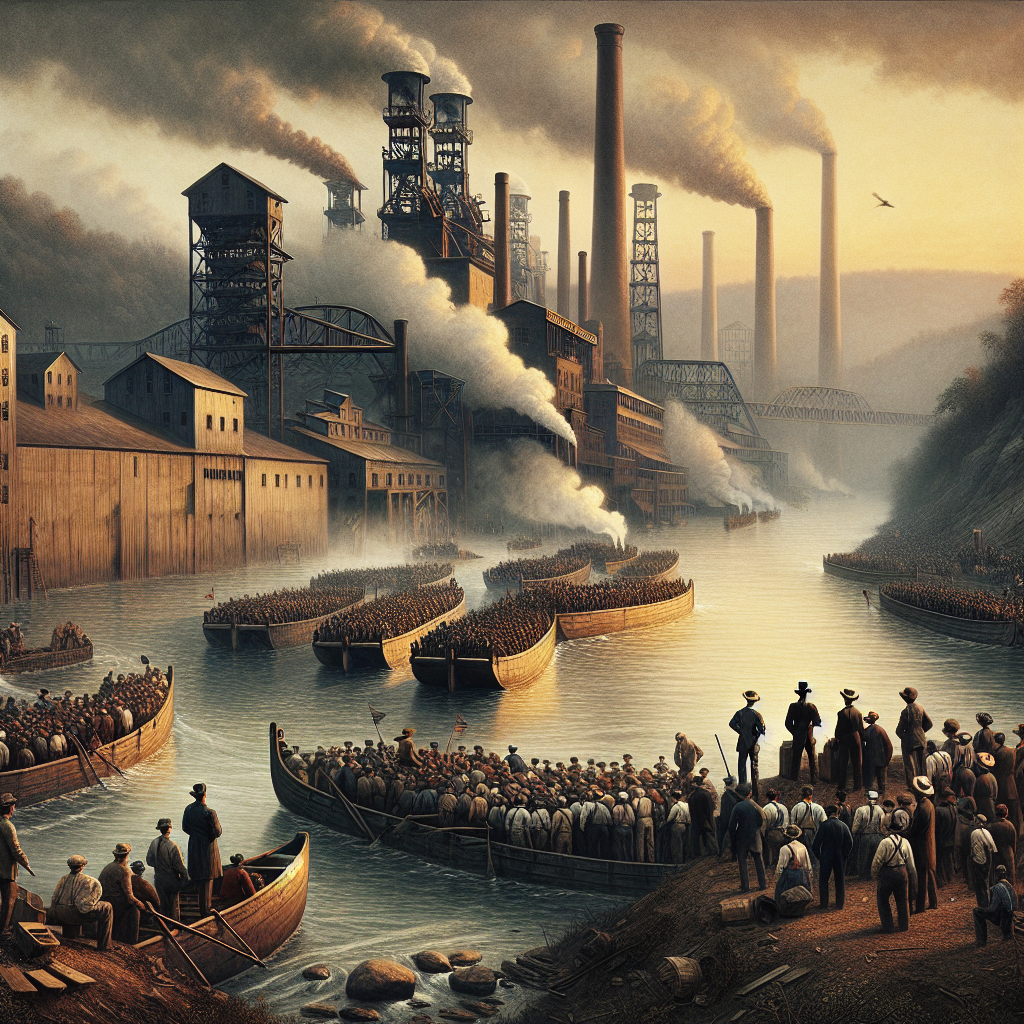
America's Industrial Revolution arrived a generation after Britain's and moved faster. Between 1820 and 1900, the United States transformed from a nation of farmers and craftsmen into the world's largest industrial economy, a shift powered by water and then steam, by canals and then railroads, by the labor of immigrants and formerly enslaved people and children in mills that operated 12 hours a day. The Lowell mills in Massachusetts, opened in the 1820s, employed young women from New England farms in the first large-scale American factory system — a model simultaneously celebrated as progressive and condemned as exploitative, which it was equally. By 1900, 40 percent of Americans worked in industry, and the farm had receded from the center of American life forever.
The consequences spread across every dimension of American existence. Cities exploded in size — Chicago grew from a village of 200 in 1833 to a city of 1.7 million by 1900, fed by rail lines and the cattle and grain of the Great Plains. Steel, refined through the Bessemer process after 1867, enabled skyscrapers, bridges, and rail networks at a scale previously impossible. The telegraph and then the telephone compressed time and distance in ways that reordered business and personal communication. Thomas Edison's electric light, commercialized in 1882, extended the productive day into the night and eventually restructured sleep itself. The pace of material change in the American 19th century had no precedent in human history.
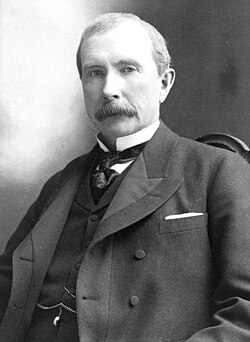
The Industrial Revolution also created the conditions for its own most powerful counterforces. The concentration of workers in factories produced labor unions; the brutality of industrial conditions produced the Progressive reformers who would eventually regulate them. The pollution of rivers and the fouling of city air that industrialization produced eventually generated the conservation movement that Theodore Roosevelt channeled into the national park system. The wealth it concentrated in the hands of industrialists like Carnegie and Rockefeller provoked the antitrust movement. And the displacement of craft workers by machines — a process that never really stopped — has been generating political turbulence from the Luddites of 1812 to the present. Every technological revolution since has essentially recapitulated the same argument about who bears the cost of progress.
| Period | c. 1820–1900 (U.S. peak phase) |
| Key technologies | Steam power, railroads, Bessemer steel, telegraph, electricity |
| Lowell mills founded | 1823 — first large U.S. factory system |
| Chicago pop. 1833 | ~200 |
| Chicago pop. 1900 | ~1.7 million |
| U.S. steel 1900 | Largest in world, surpassing Britain and Germany |
| Industrial workforce | ~40% of Americans by 1900 |
| Years | 1820–1900 |
| Location | United States |