The Pullman Strike
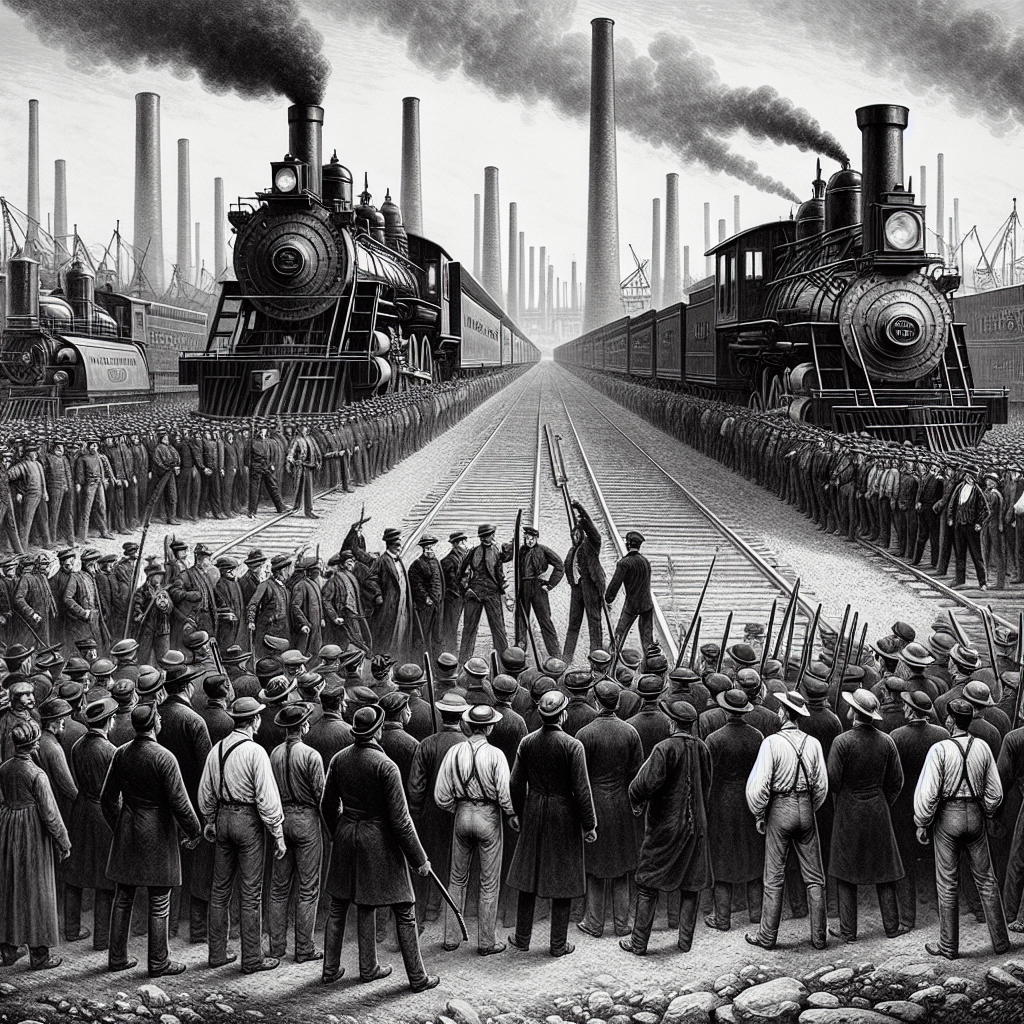
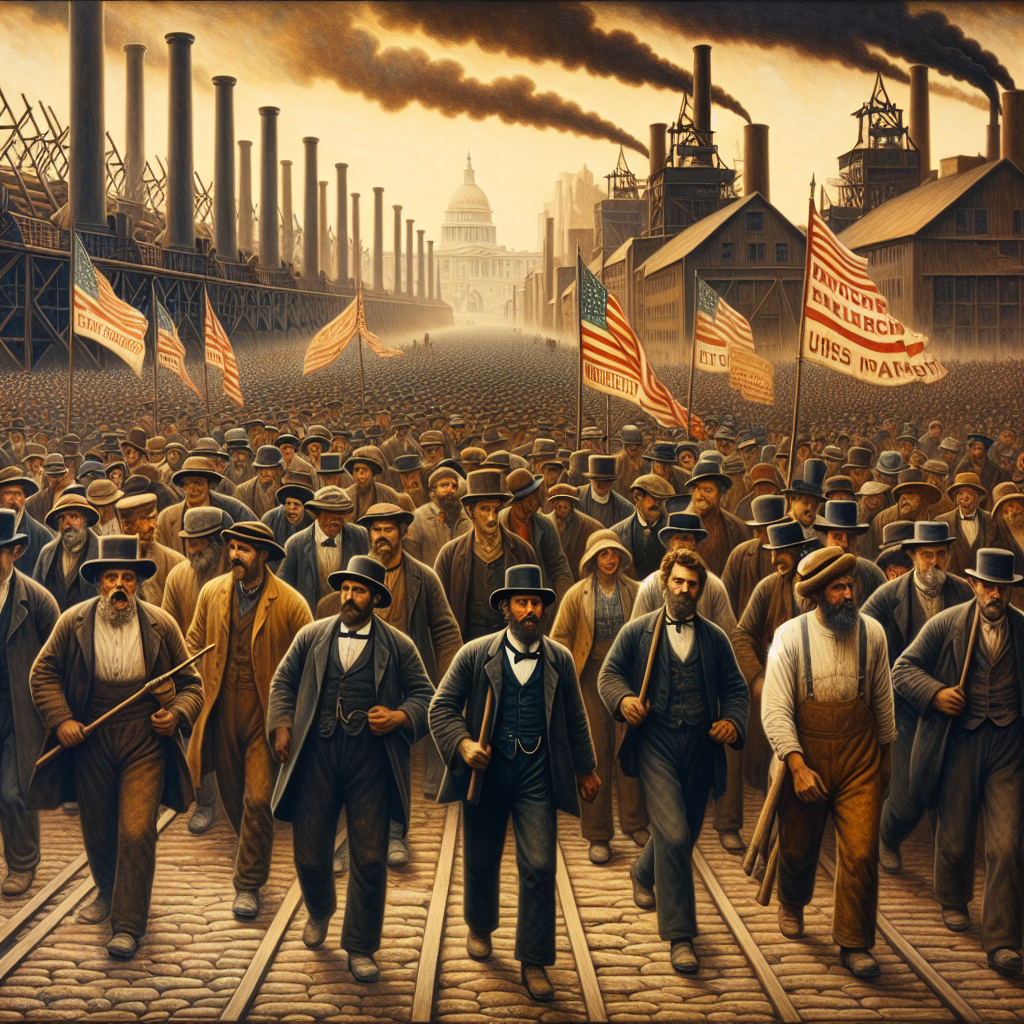
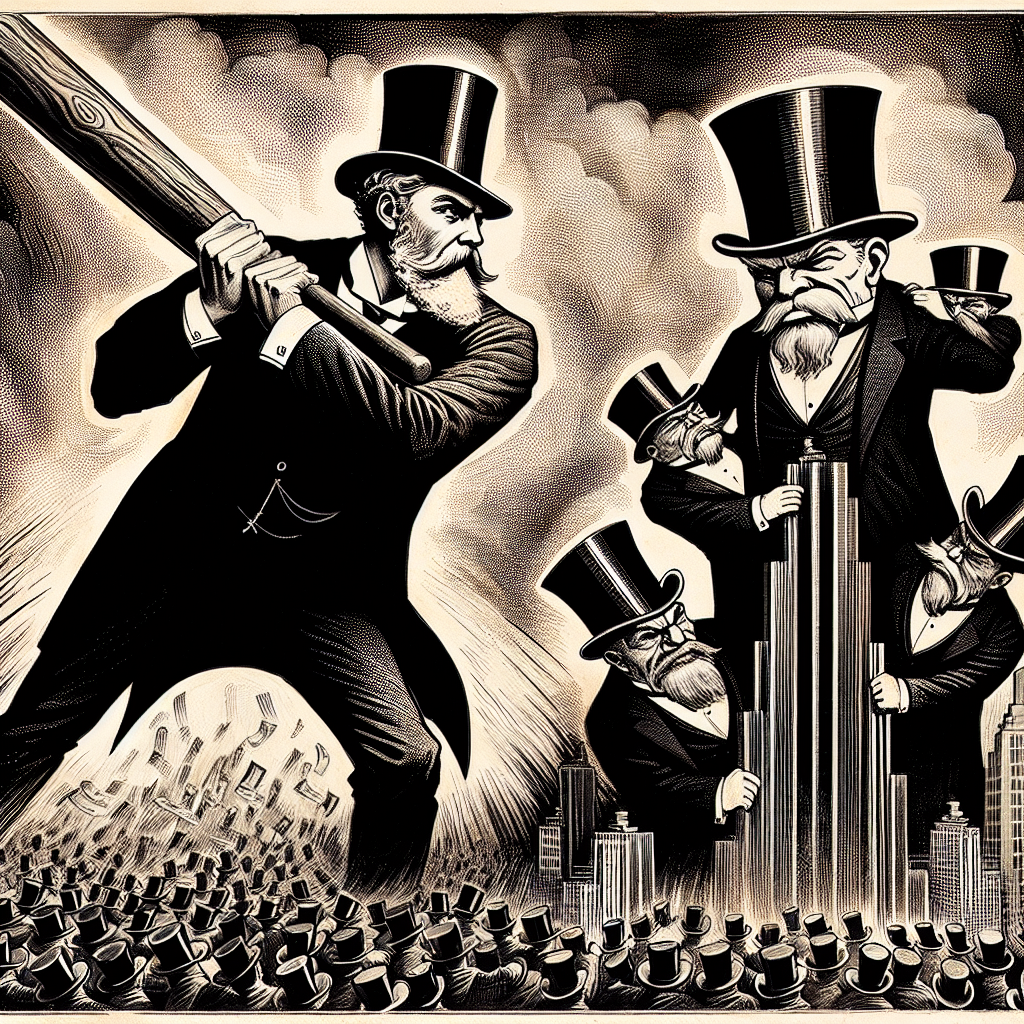
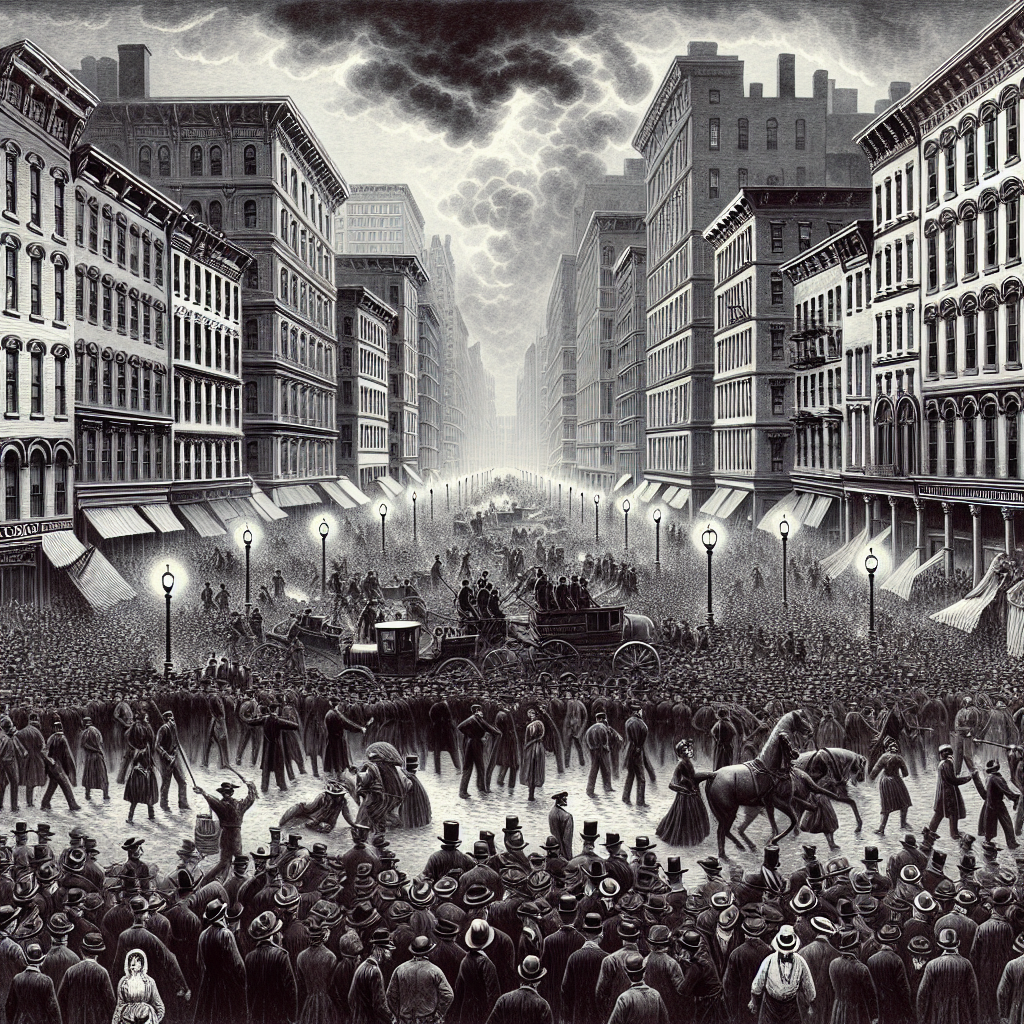
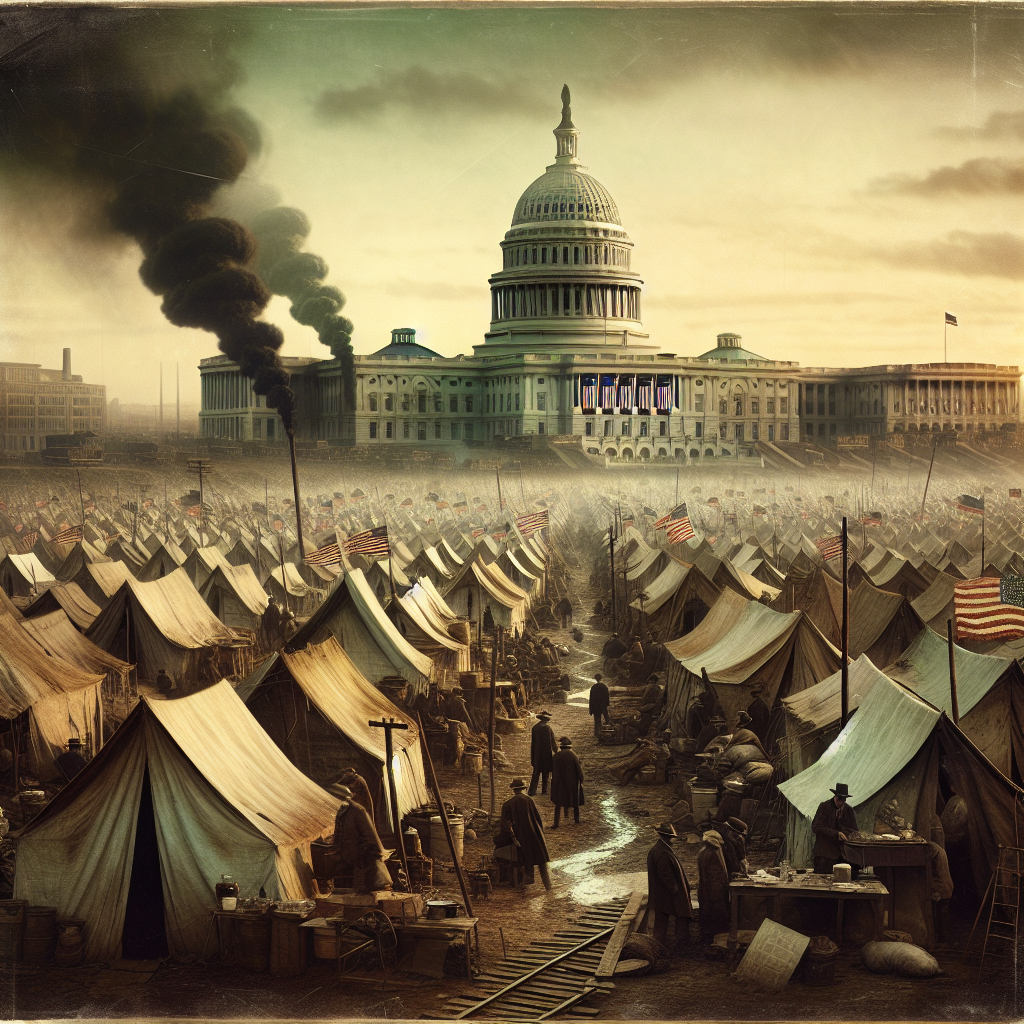
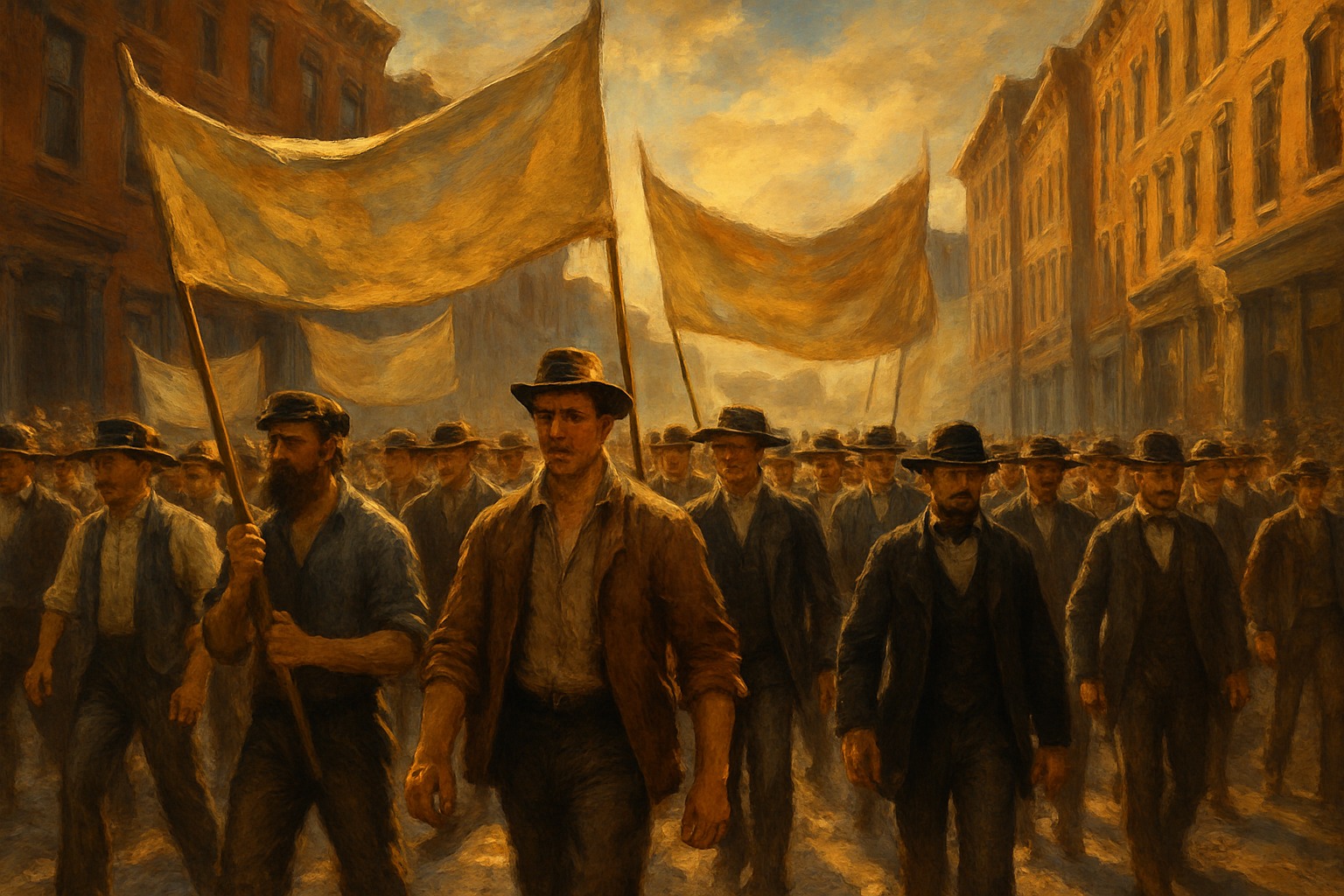
George Pullman built his company town south of Chicago the way a man builds a dollhouse — with total control over every detail. His workers lived in Pullman-owned homes, bought from Pullman-owned stores, and when the Panic of 1893 hit, absorbed wage cuts of 25 to 40 percent without any corresponding reduction in their rents. In the spring of 1894, they struck. Within weeks, Eugene Debs's American Railway Union — 150,000 members strong — had expanded the action into a nationwide boycott of trains carrying Pullman cars. A quarter of the country's rail network ground to a halt.
President Grover Cleveland's response established a precedent that labor would contest for the next 40 years. Over the explicit objections of Illinois Governor John Peter Altgeld — who correctly insisted state authorities could handle the situation — Cleveland sent 12,000 federal troops to Chicago. His attorney general, Richard Olney, who had been a railroad lawyer and remained a railroad stockholder during the crisis, obtained a federal injunction ordering strikers back to work under the Sherman Antitrust Act — a law passed to break up corporations, now turned against a union. Debs defied the injunction, was arrested for contempt of court, and spent six months in prison. He emerged a socialist. He would run for president five times.
The strike was broken — trains ran, Pullman workers returned to the same conditions, Debs served his sentence — but its political consequences were durable. The use of federal troops over a governor's objection, and of antitrust law against organized labor, became the defining legal battles of American industrial relations for a generation. Congress, moving with unusual urgency to contain the damage, passed legislation creating Labor Day as a federal holiday within days of the strike's end — a gesture that cost nothing and acknowledged the depth of what the government had just done.
| Dates | May 11 – July 20, 1894 |
| Location | Pullman, Illinois; nationwide rail network |
| Union leader | Eugene V. Debs, American Railway Union |
| Trigger | Wage cuts of 25–40% with no corresponding rent reduction |
| Federal action | 12,000 troops deployed; Sherman Act injunction issued |
| Deaths | 13 demonstrators |
| Result | Strike broken; Debs imprisoned 6 months |
| Political outcome | Labor Day created as federal holiday; Debs became socialist |
| Date | May 11 – July 20, 1894 |
| Location | Pullman, Illinois |