Nikola Tesla
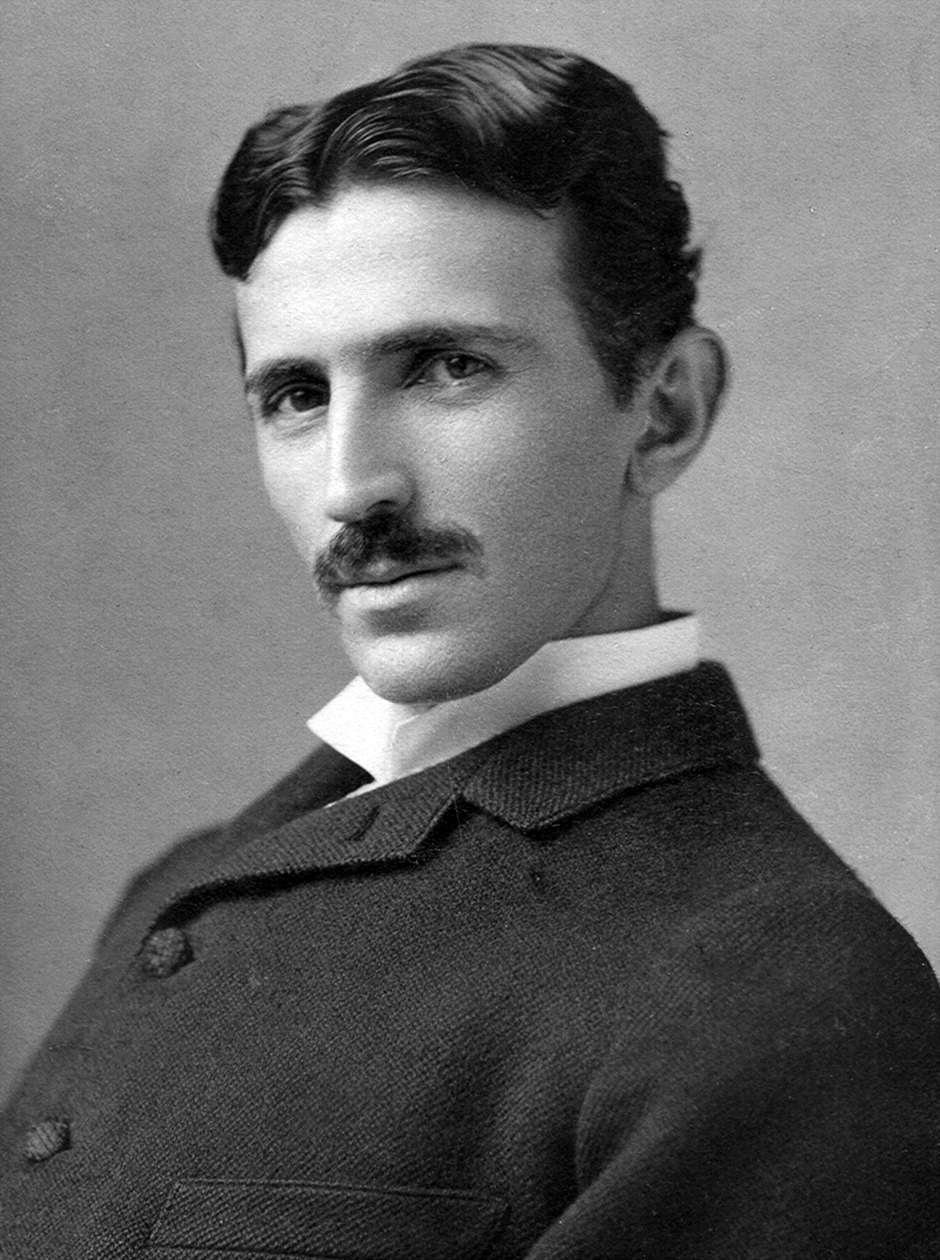
Nikola Tesla arrived in New York in 1884 with four cents in his pocket, a letter of introduction to Thomas Edison, and a head full of ideas about alternating current that Edison would spend years trying to destroy. The Serbian immigrant — who spoke eight languages, could recite entire books from memory, and reportedly visualized complete machines before drawing a single line — went on to develop the electrical system that powers the modern world, then died broke in a New York hotel room in 1943.
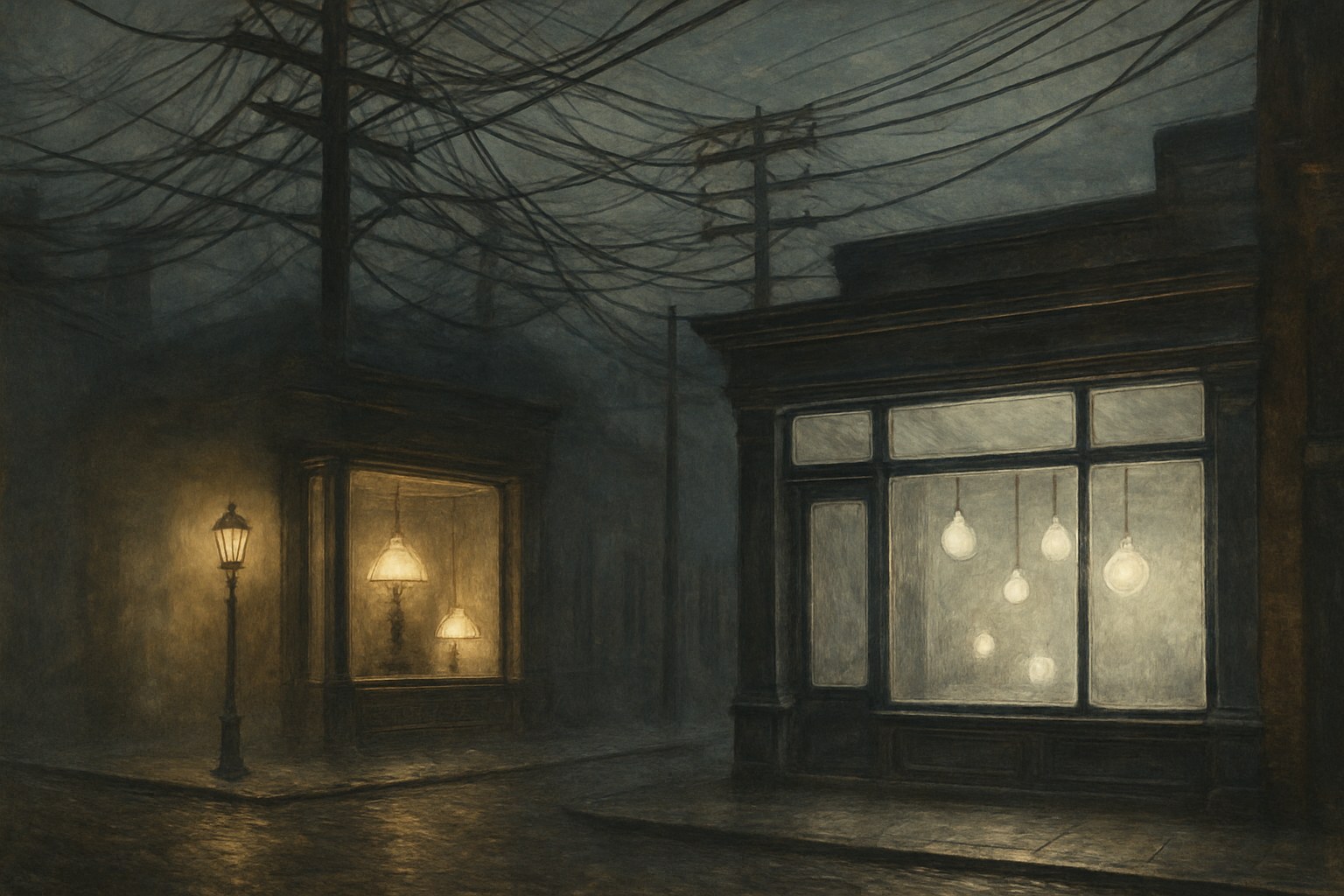
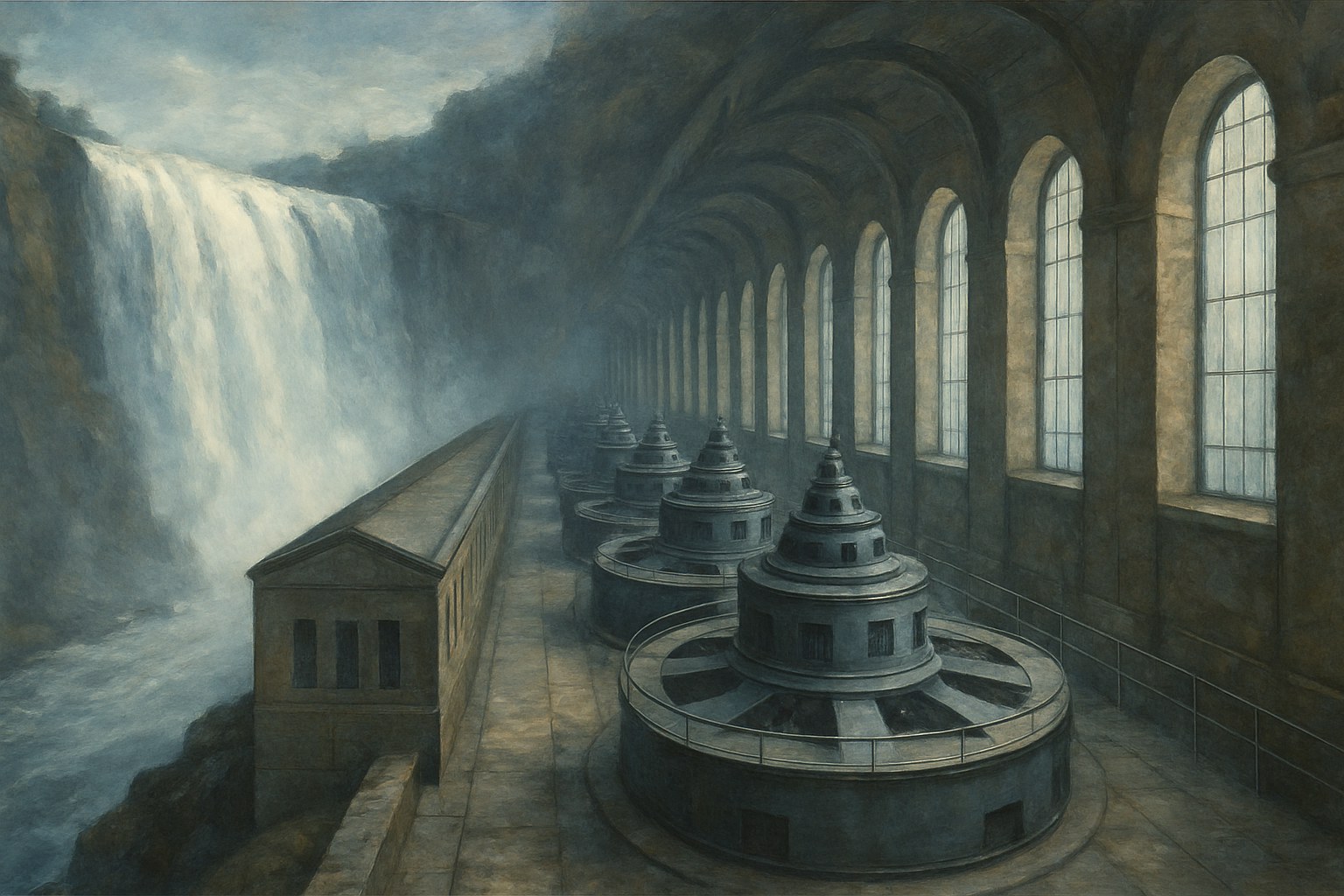
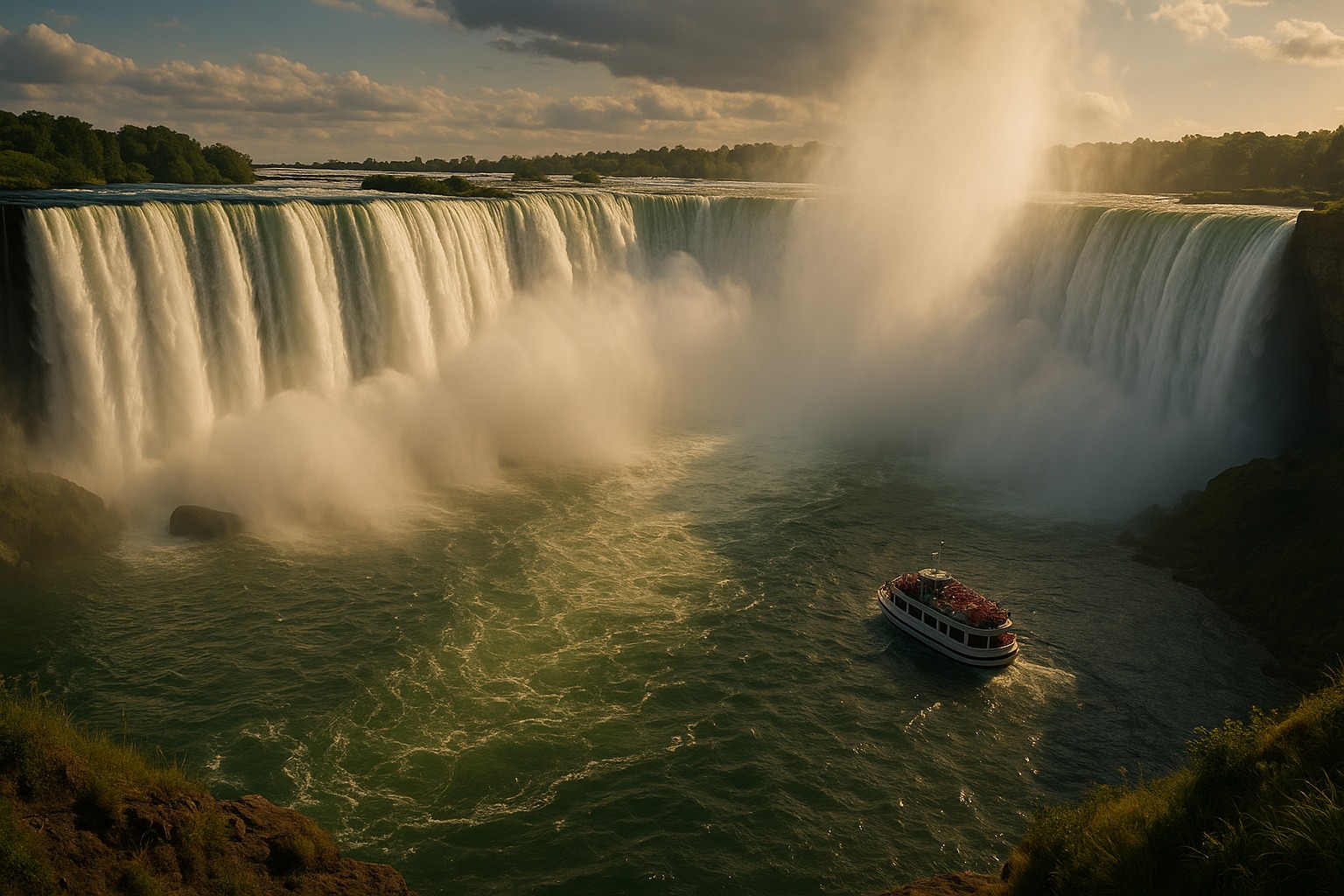
Tesla's conflict with Edison over AC versus DC power is one of the great industrial battles in American history. Edison's direct current required generating stations every mile; Tesla's alternating current could be transmitted hundreds of miles from a single source. George Westinghouse backed Tesla, licensed his patents, and won the contract to illuminate the 1893 Chicago World's Fair. The following year, Tesla's AC generators at Niagara Falls began sending electricity to Buffalo — the moment the AC grid became inevitable.
Beyond power systems, Tesla held over 300 patents and produced foundational work in radio transmission, remote control, X-ray technology, and wireless energy. His later years brought grandiose and unfulfilled projects — including a global wireless energy tower on Long Island that J.P. Morgan funded then abandoned — and growing eccentricity that damaged his reputation. The scientific community largely overlooked him for decades. The SI unit of magnetic flux density is named the tesla in his honor.
| Born | July 10, 1856 — Smiljan, Austrian Empire (modern Croatia) |
| Died | January 7, 1943 — New York City |
| Nationality | Serbian-American |
| Key invention | Alternating current (AC) electrical system |
| Employer | Edison Machine Works (briefly); Westinghouse Electric |
| Patents | Over 300 worldwide |
| Legacy | SI unit of magnetic flux density named "tesla" in his honor |
| Years | 1856–1943 |
| Location | New York City, New York |