Panic of 1893
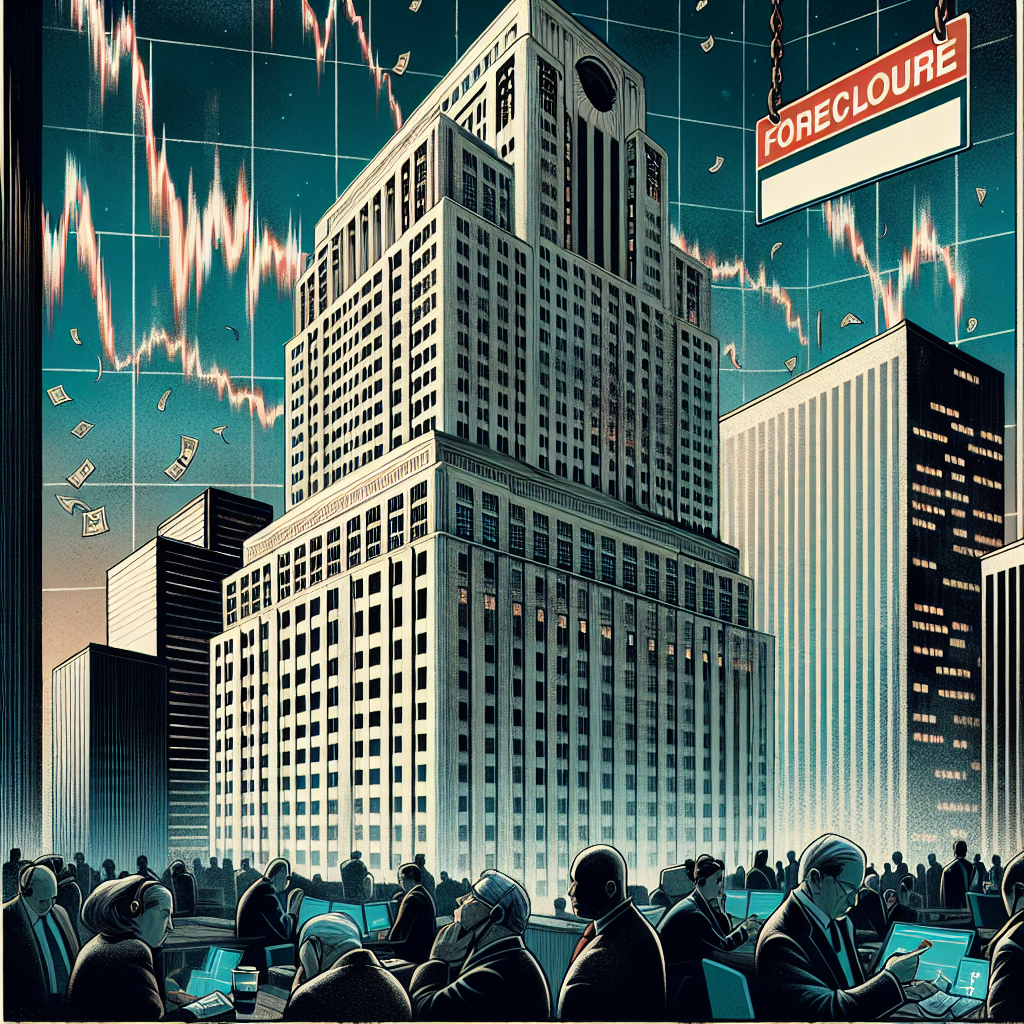
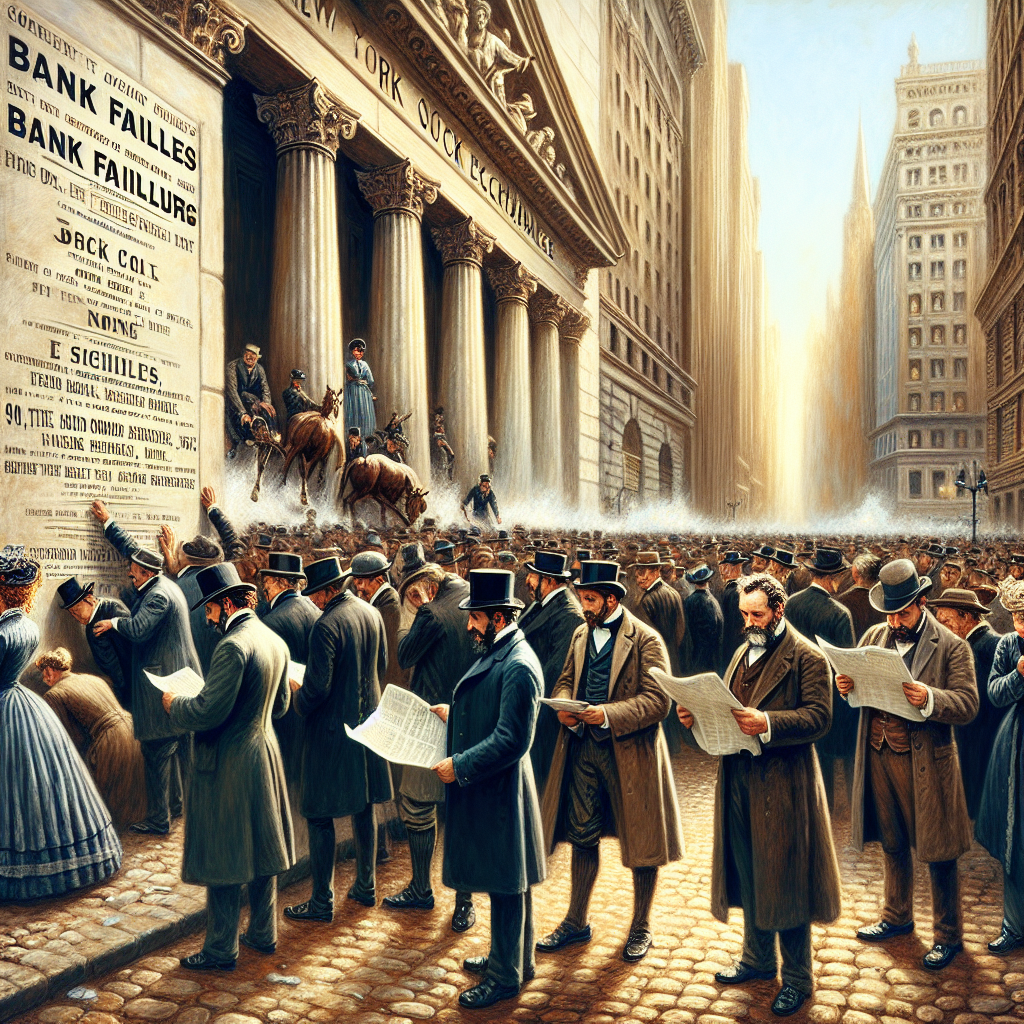
The Panic of 1893 announced itself in stages. The Philadelphia and Reading Railroad declared bankruptcy in February. The National Cordage Company — the largest trust in the country — failed in May, triggering a stock market crash. Banks across the country called in loans; depositors ran on banks that could not meet withdrawals; five hundred banks failed before the year was out. Fifteen thousand businesses collapsed. Unemployment reached 17 to 19 percent, the highest the country had seen and would not surpass until the Great Depression. The depression that followed lasted four years and devastated the farmers of the South and West who had borrowed heavily on the expectation of rising commodity prices that never came.
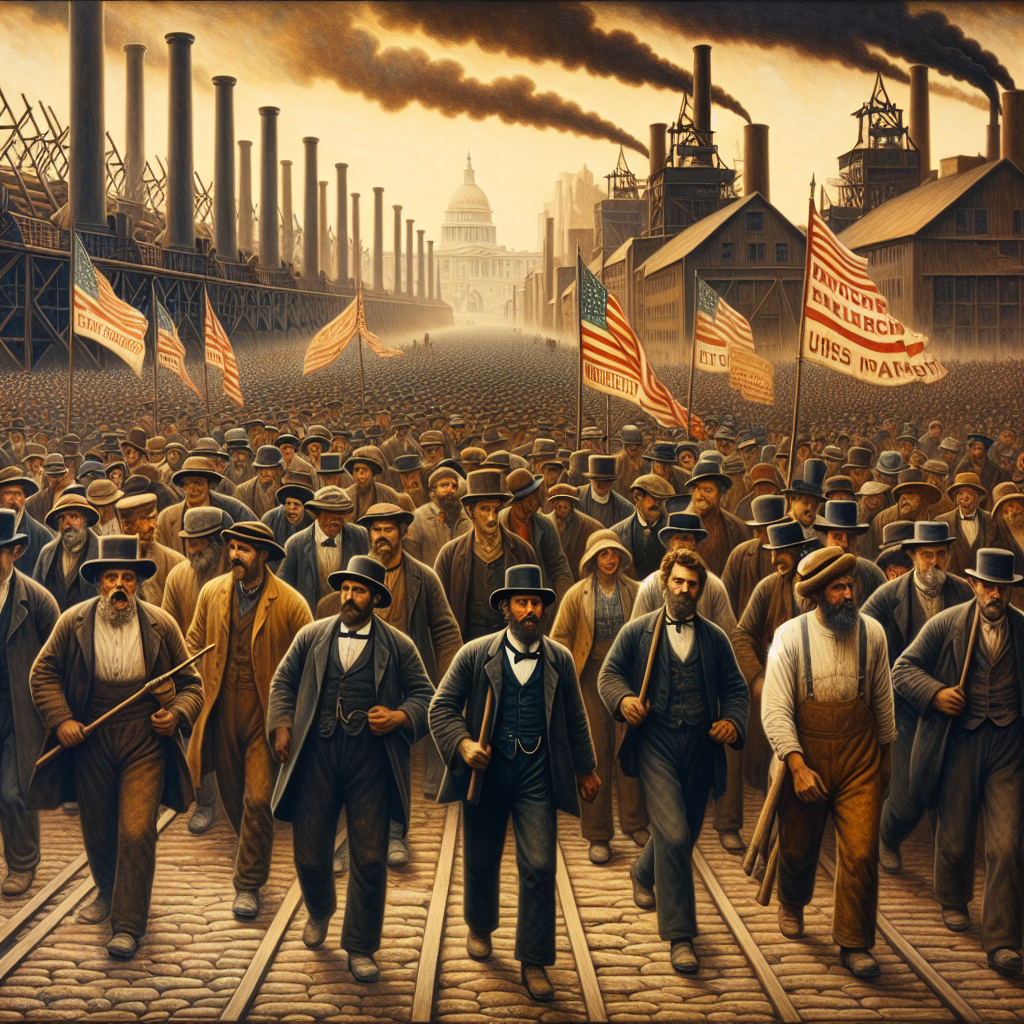
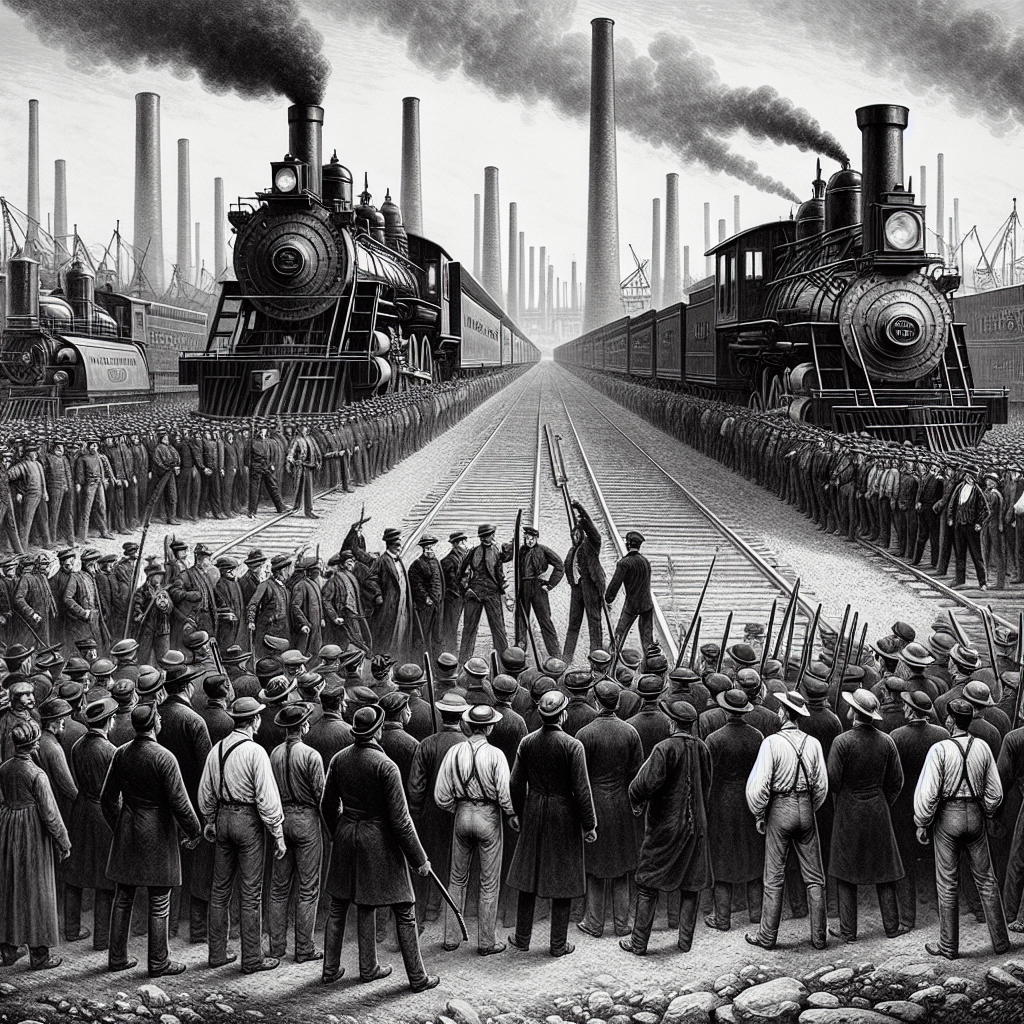
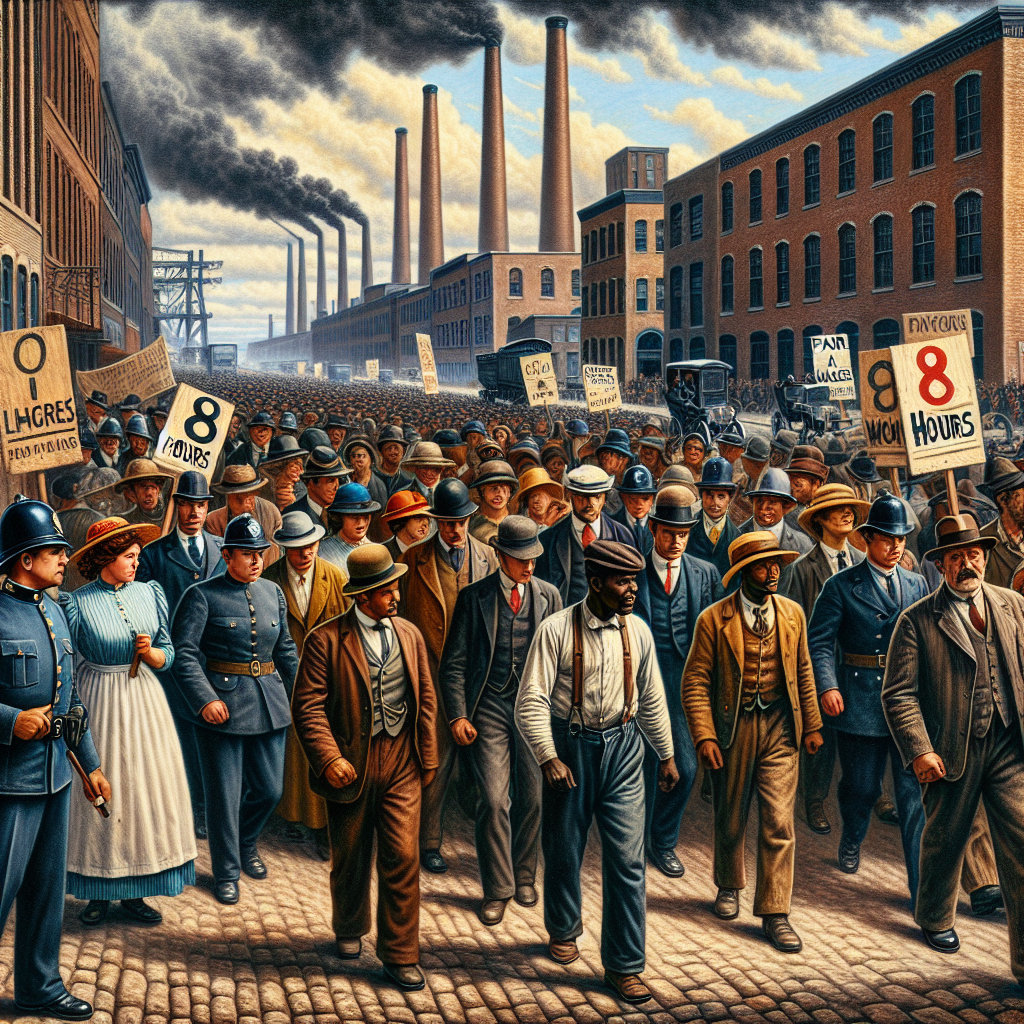
The political consequences reshaped American parties. Grover Cleveland, a Democrat who believed in sound money and the gold standard, found himself presiding over the worst economic collapse since the Civil War with a set of policy commitments — no inflation, no silver coinage, no federal relief — that provided no mechanism for recovery. His repeal of the Sherman Silver Purchase Act in 1893 satisfied Wall Street and alienated everyone else. Coxey's Army, a march of unemployed workers on Washington in 1894, was the first mass protest march on the capital in American history. The Pullman Strike of 1894 paralyzed the railroads and required federal troops to break — earning Eugene Debs a prison sentence and the labor movement a martyr.
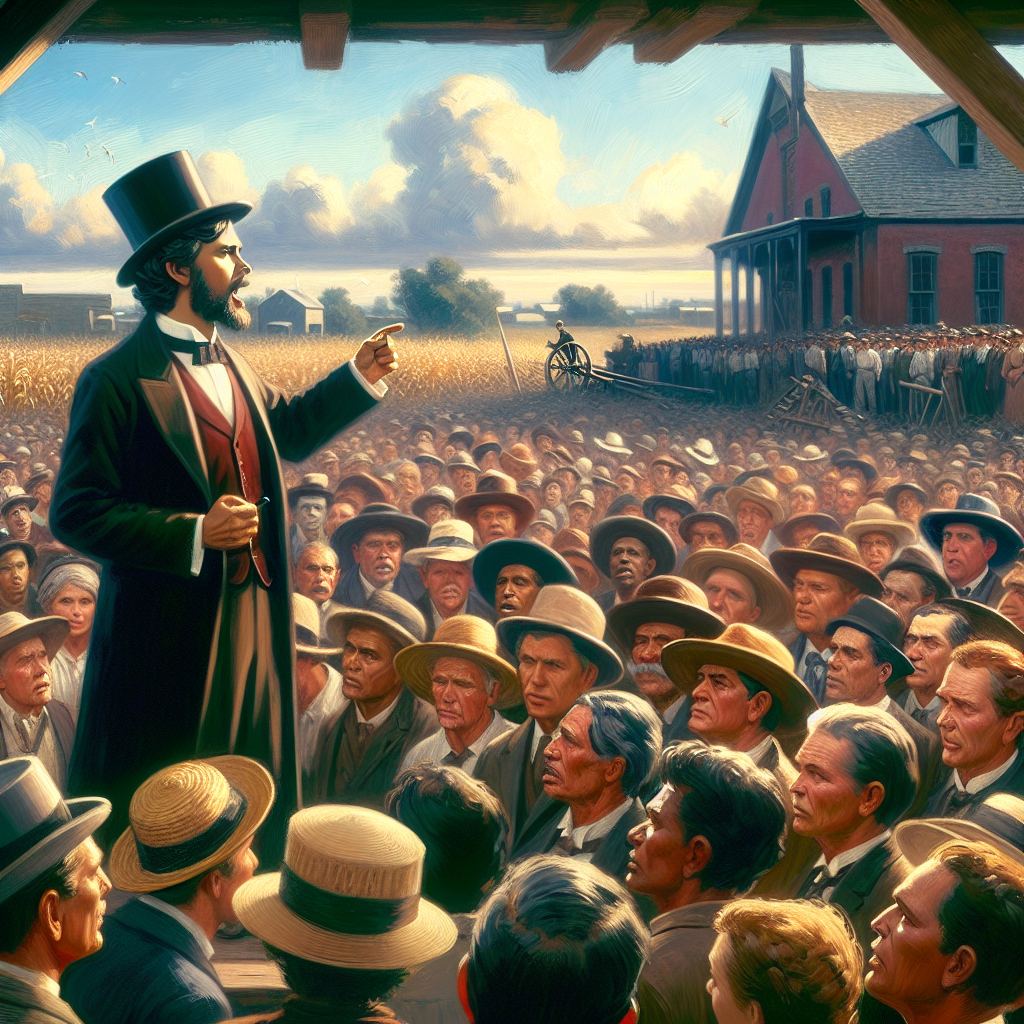
The depression ended the Democratic Party's congressional majority and set the stage for the Election of 1896 — the great confrontation between William Jennings Bryan's free silver crusade and William McKinley's gold standard. Bryan's coalition of debtors, farmers, and the dispossessed was the direct product of four years of depression; McKinley's victory, backed by industrial capital and urban workers who feared inflation more than deflation, closed the agrarian chapter of American politics and opened the industrial one. The Panic of 1893 is one of the most politically fertile economic disasters in American history.

| Began | May 1893 — National Cordage Company failure; stock market crash |
| Duration | Depression lasted approximately 1893–1897 |
| Peak unemployment | 17–19 percent |
| Bank failures | Approximately 500 |
| Business failures | Approximately 15,000 |
| Political victim | President Grover Cleveland — party lost Congress in 1894 |
| Political result | Set stage for Election of 1896 — Bryan vs. McKinley |
| Years | 1893–1897 |
| Location | New York City, New York |