Assassination of James Garfield
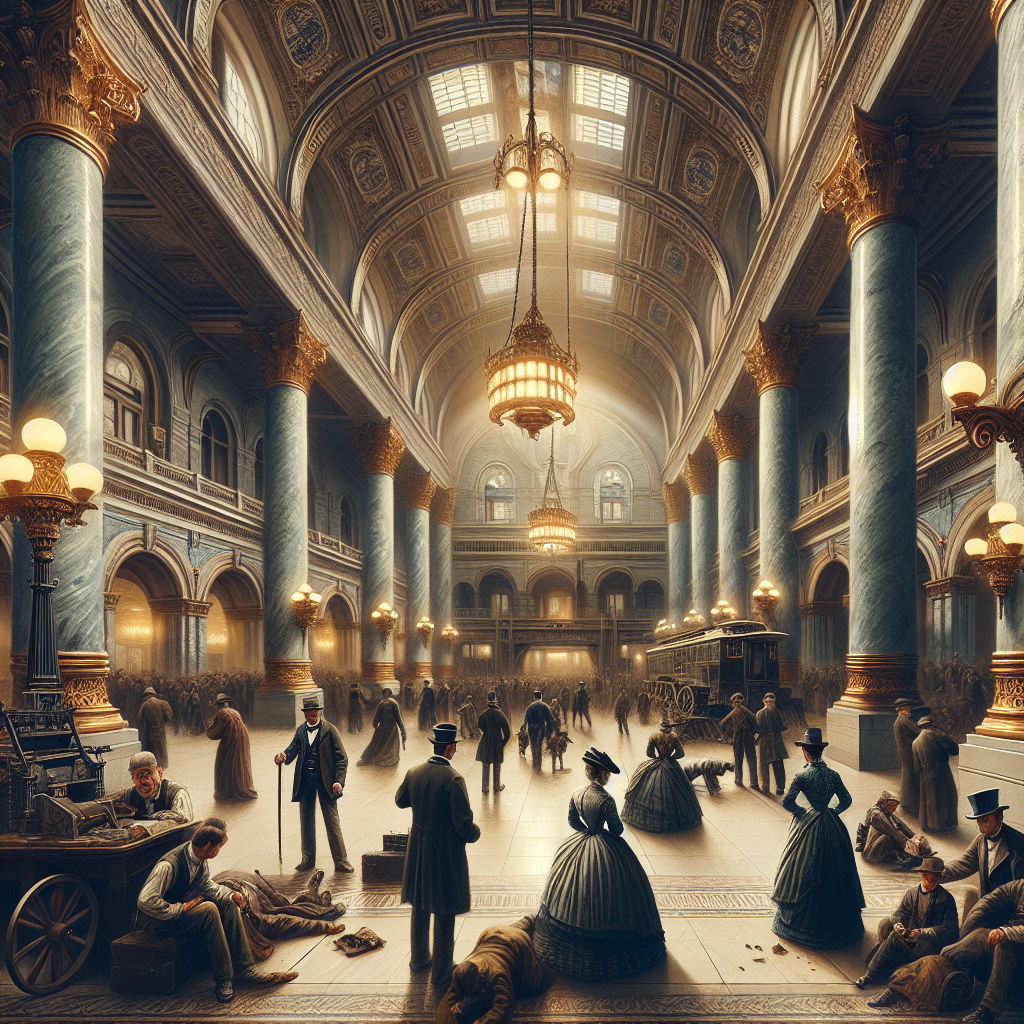
On the morning of July 2, 1881, President James Garfield was shot twice at the Baltimore and Potomac Railroad station in Washington, D.C., by Charles J. Guiteau, a mentally unstable office-seeker who believed he deserved a diplomatic appointment and had been denied it. Neither bullet was immediately fatal — one grazed Garfield's arm, the other lodged near his spine away from vital organs. He died on September 19, 79 agonizing days later, largely from the infections his own physicians introduced.
The medical malpractice was staggering. Garfield's doctors probed the wound repeatedly with unsterilized fingers and instruments, dismissing the germ theory that Joseph Lister had already proven in Europe. Alexander Graham Bell rushed an improvised metal detector to Washington in an attempt to locate the bullet — a genuine effort likely foiled by the metal springs in Garfield's mattress. Guiteau argued at trial that the doctors, not he, had killed the president. Medically, he had a point. The jury convicted him regardless, and he was hanged in June 1882.
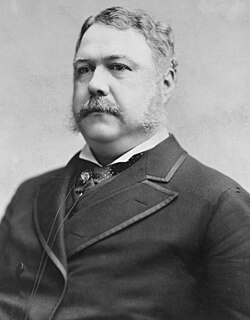
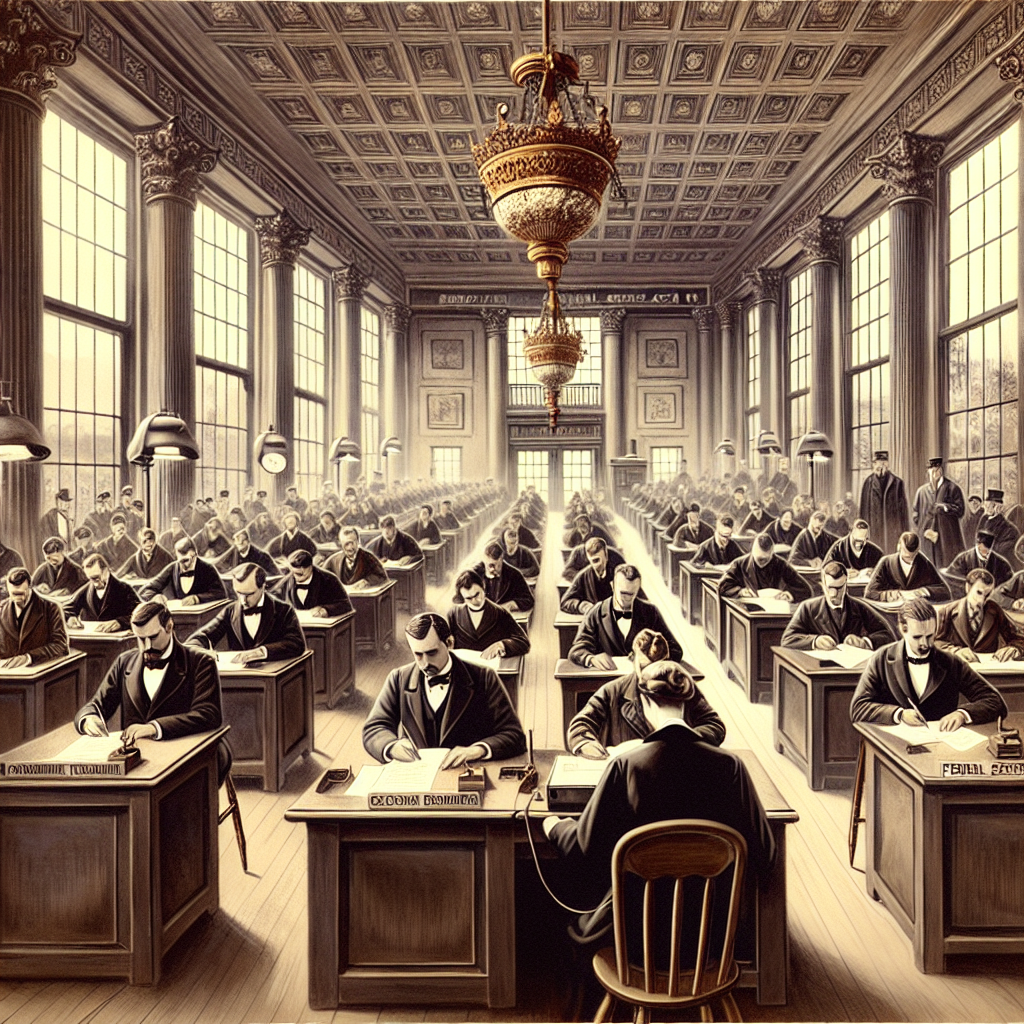
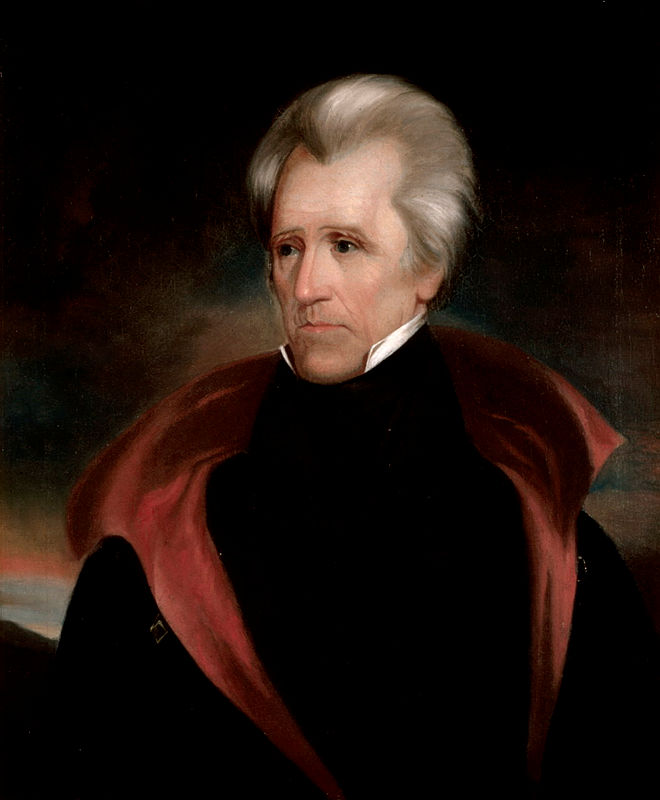
Garfield's death achieved what his presidency might never have on its own: it broke the spoils system. Public outrage that a patronage-seeker had murdered a president gave wavering senators the political cover they needed. Congress passed the Pendleton Civil Service Reform Act in January 1883, creating a merit-based federal workforce and dismantling the patronage machinery that had defined American government since Andrew Jackson. Chester A. Arthur — a career product of that very machinery — signed it into law.
| Victim | President James A. Garfield (20th President) |
| Shot | July 2, 1881 — Baltimore and Potomac Railroad Station, Washington D.C. |
| Died | September 19, 1881 — Elberon, New Jersey |
| Assassin | Charles J. Guiteau |
| Motive | Denied a diplomatic appointment |
| Guiteau's Fate | Convicted of murder; hanged June 30, 1882 |
| Legacy | Pendleton Civil Service Reform Act, January 16, 1883 |
| Date | July 2 – September 19, 1881 |
| Location | Washington, D.C. |