The Great Railroad Strike of 1877
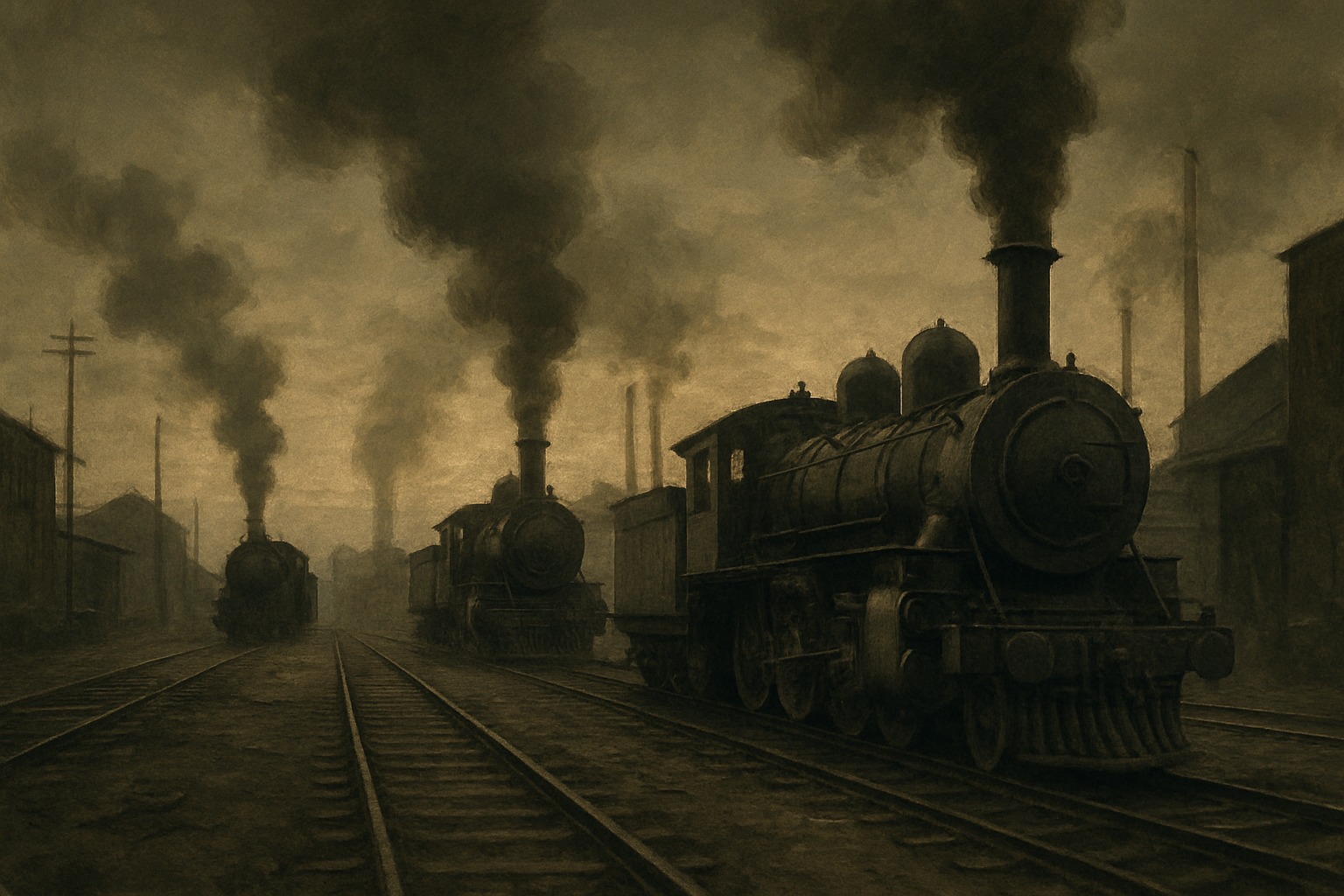
In the summer of 1877, a wage cut on the Baltimore and Ohio Railroad sparked a walkout that spread across the country within days, the first truly national strike in American history. With no national union to organize it, the strike leapt from city to city along the rail lines, halting much of the nation's commerce.
It turned violent fast. State militias and federal troops were called out against the strikers, and clashes in Pittsburgh, Baltimore, and elsewhere left roughly a hundred people dead. In Pittsburgh, strikers and sympathizers burned much of the railroad's property after troops fired into a crowd.
The strike collapsed within weeks, broken by force, but it announced a new era. It revealed the depth of worker anger in the depression-ridden 1870s and the willingness of governments to use armed power on the side of employers — a pattern that would define labor conflict for decades.
The uprising frightened the propertied classes into building armories in major cities and convinced workers that they needed permanent organization. In its wake the Knights of Labor surged, and the long, often bloody struggle between organized labor and industrial capital began in earnest.
| Date | July 1877 |
| Spark | Wage cuts on the Baltimore and Ohio Railroad |
| Scope | First nationwide strike in U.S. history |
| Toll | ~100 killed as troops suppressed it |
| Legacy | Spurred permanent labor organization and city armories |
| Date | July 1877 |