The Gilded Age
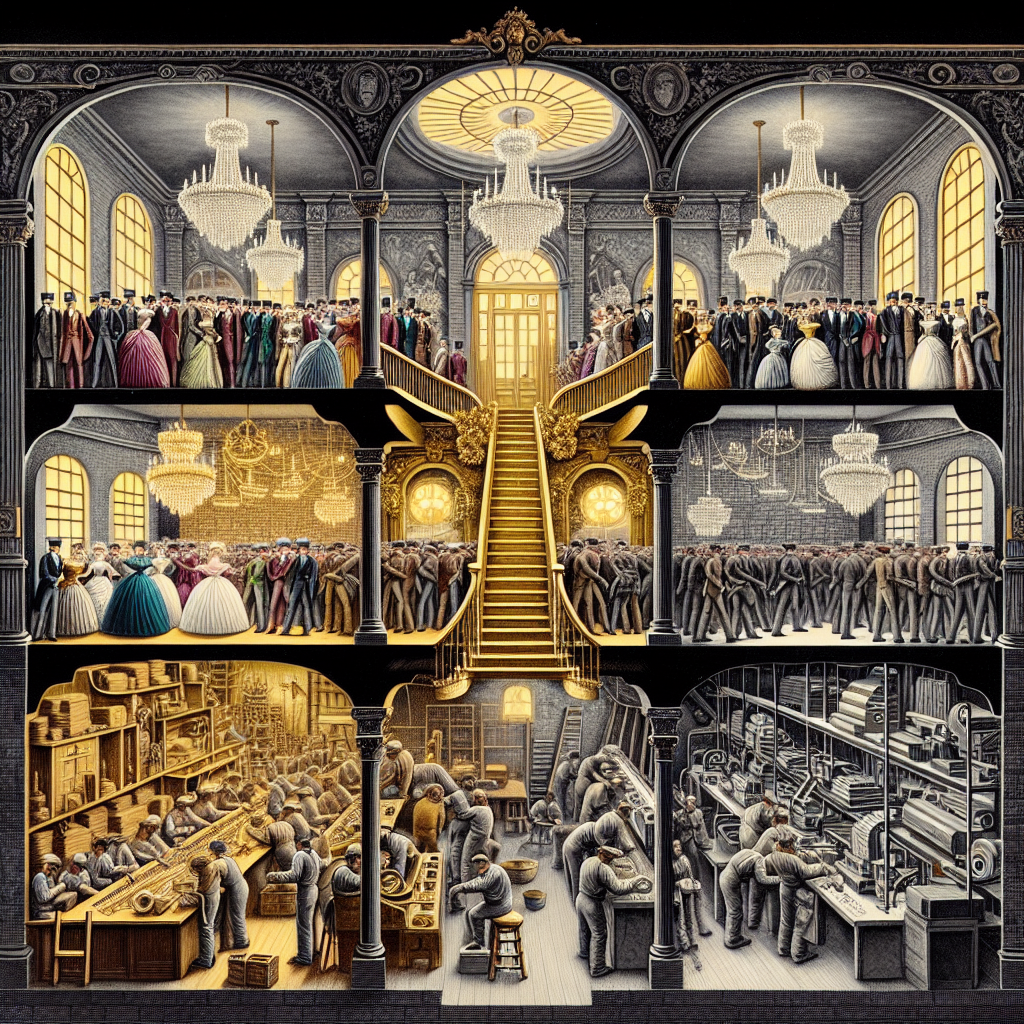
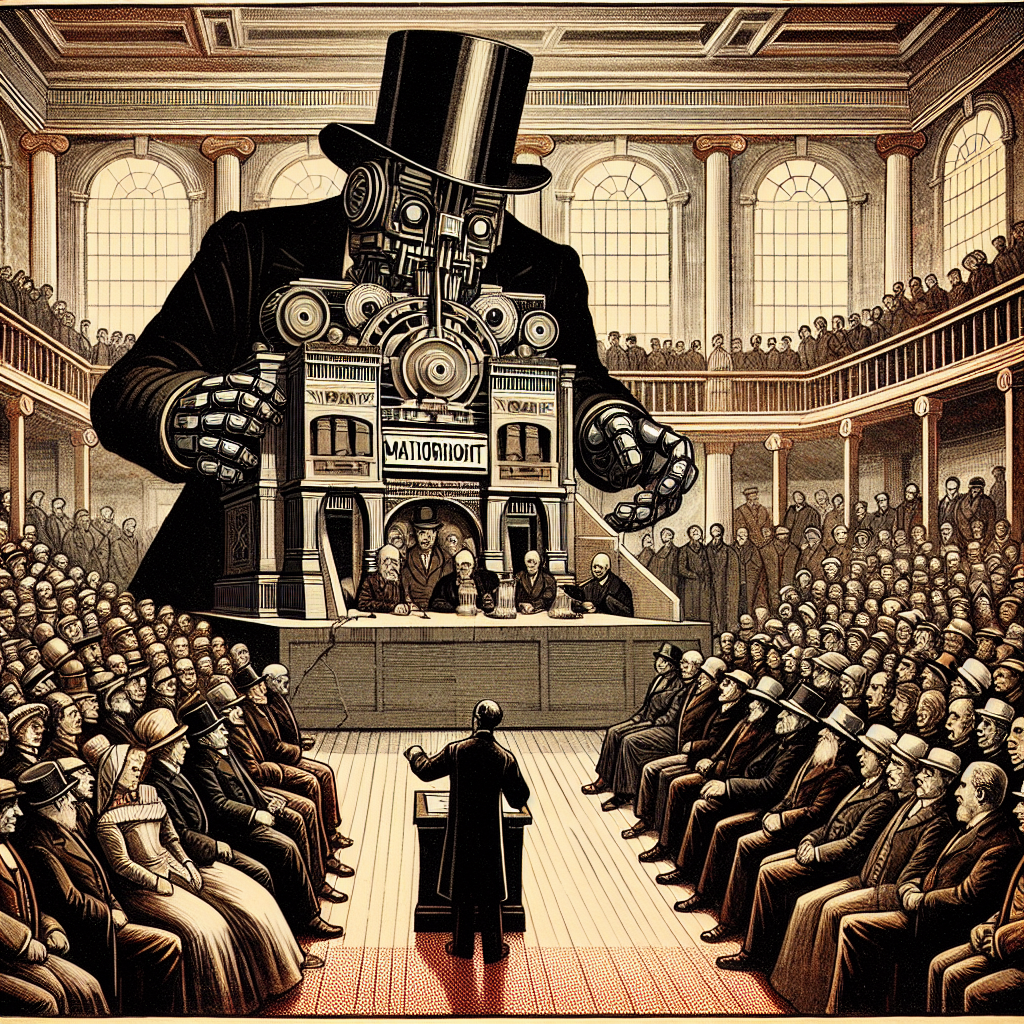
Mark Twain coined the term in 1873, and he meant it as an indictment: gold on the surface, dross beneath. The Gilded Age — roughly 1877 to 1900 — was the period in which the United States became the largest industrial economy on earth, producing more steel than Britain and Germany combined by 1900. It was also the period in which the gap between the very rich and everyone else reached extremes that the country had never seen and would not see again until the early 21st century. The men who ran the railroads, steel mills, and oil refineries — Rockefeller, Carnegie, Vanderbilt, Morgan, Gould — accumulated fortunes measured in today's terms in the tens of billions of dollars and exercised power over wages, prices, and politicians with minimal constraint.
The Gilded Age's underside was visible to anyone not averting their gaze. The average industrial worker labored 60 hours a week for wages that left no margin for illness, injury, or old age. Child labor was ubiquitous in mines, mills, and factories. Cities like Chicago and New York were filling with immigrants — southern and eastern Europeans in numbers that alarmed nativist Anglo-Protestant Americans — packed into tenements without plumbing or light. The Great Railroad Strike of 1877, the Haymarket Affair of 1886, and the Pullman Strike of 1894 revealed how completely the interests of capital and labor had diverged, and how readily the federal government would deploy troops against workers. The Supreme Court was, in this era, a reliable ally of corporations against nearly all regulation.
The Gilded Age also produced the forces that would dismantle it. The labor movement organized. Muckraking journalists — Jacob Riis, Ida Tarbell, Upton Sinclair — documented conditions that made comfortable middle-class readers angry enough to demand government action. The Populist movement of the 1890s organized farmers against railroad monopolies and monetary policy that impoverished them. Theodore Roosevelt, entering the presidency in 1901 after McKinley's assassination, brought the Progressive Era's regulatory energy to bear on the trusts the Gilded Age had built. The era produced both the most extreme concentration of private power in American history and the democratic reaction that cracked it open.

| Period | c. 1877–1900 |
| Term coined | Mark Twain and Charles Dudley Warner, 1873 |
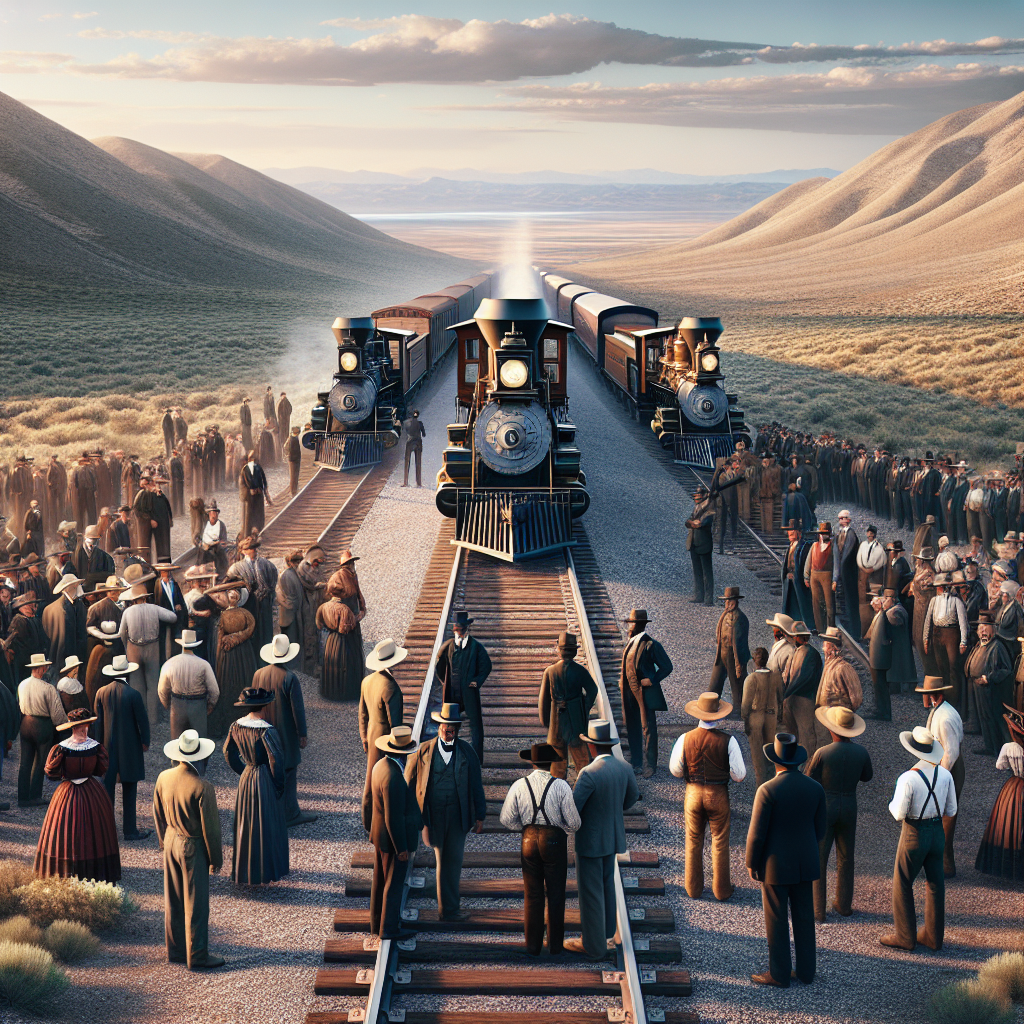
| Key industrialists | Rockefeller (oil), Carnegie (steel), Vanderbilt (railroads), Morgan (finance) |
| Steel output | Surpassed Britain and Germany combined by 1900 |
| Average work week | ~60 hours for industrial workers |
| Major labor conflicts | Great Railroad Strike (1877), Haymarket (1886), Pullman Strike (1894) |
| Followed by | Progressive Era (1900–1920) |
| Years | 1877–1900 |
| Location | United States |