Rutherford B. Hayes
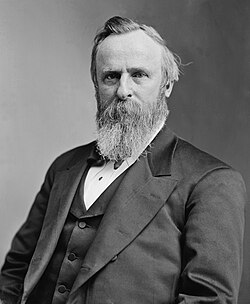
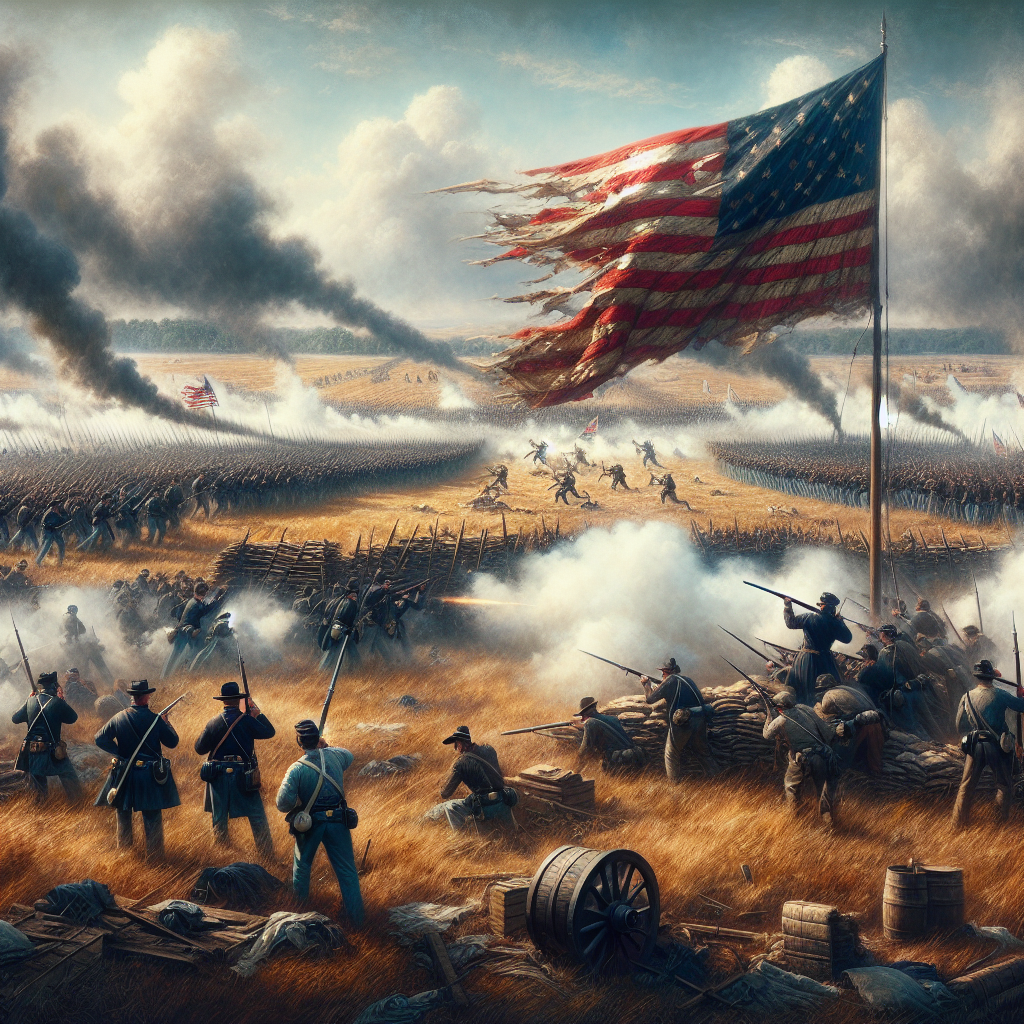
Rutherford B. Hayes went to bed on election night 1876 believing he had lost the presidency to Samuel Tilden. He had: Tilden won the popular vote by more than 250,000 ballots and appeared to have the electoral votes to match. What followed was the most contested presidential election in American history — a four-month constitutional crisis resolved not by courts or Congress alone but by a backroom accommodation that changed the country's direction more decisively than almost any election since. Hayes became president. The federal troops protecting Black voters and officeholders in the South came home. Reconstruction ended.
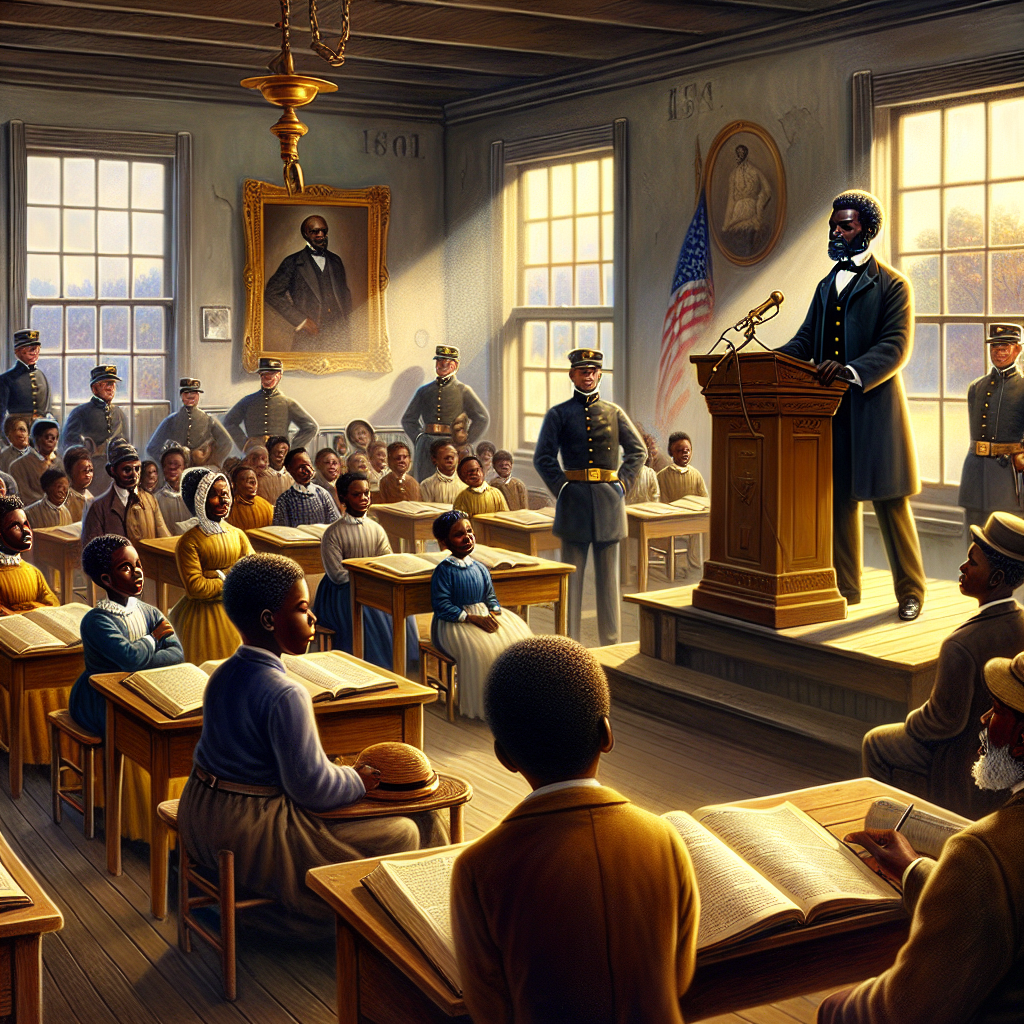
The Compromise of 1877 — if it was a single compromise rather than a convergence of interests — gave Hayes the White House in exchange for the withdrawal of federal troops from Louisiana and South Carolina, the last states with Reconstruction governments still standing. Within months those governments collapsed. The 13th, 14th, and 15th Amendments remained on the books, but the federal will to enforce them evaporated for a generation. The Jim Crow system that replaced Reconstruction would not be legally dismantled until the Civil Rights Acts of 1964 and 1965.
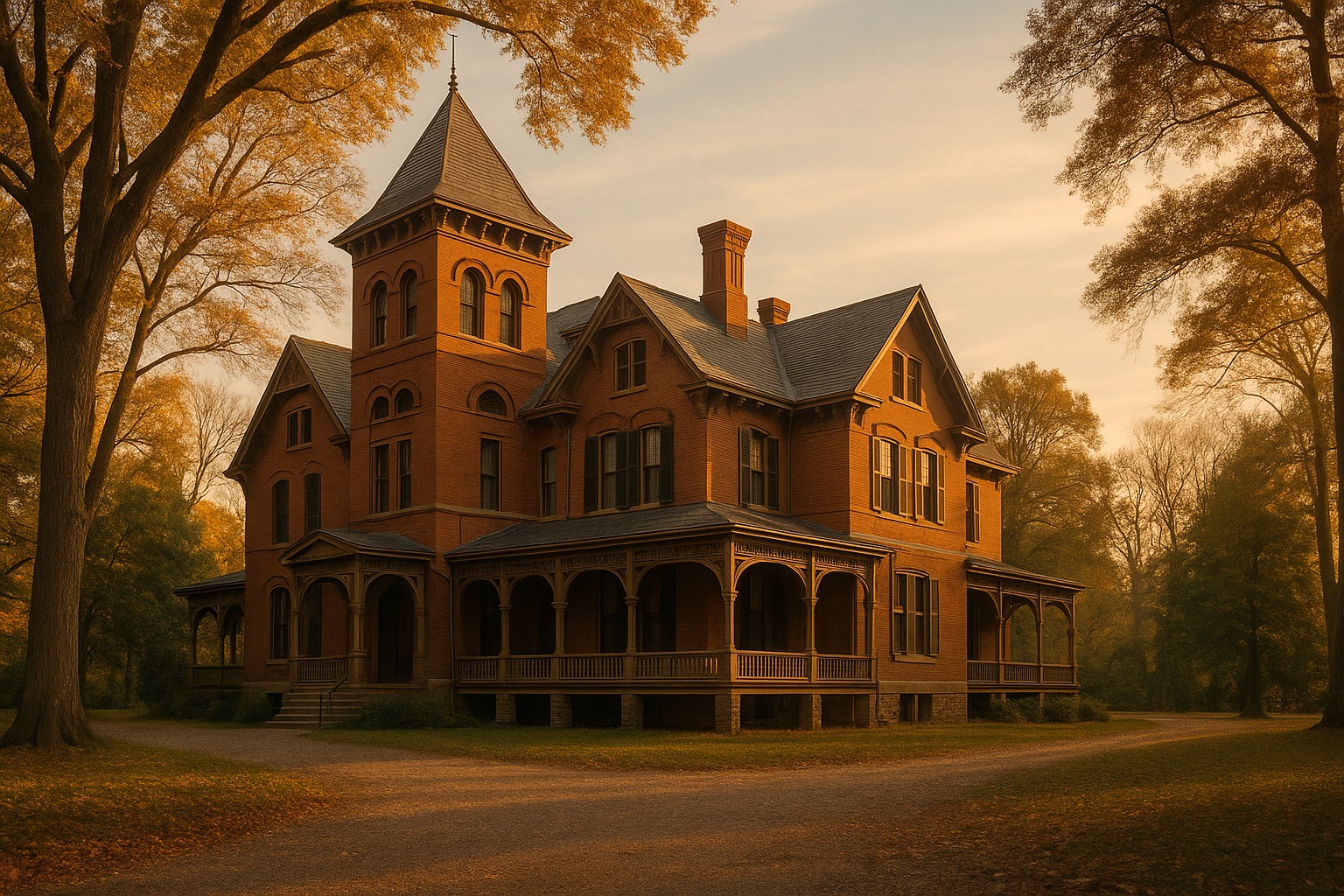
Hayes himself was a more admirable figure than the bargain that made him president. He was a genuine reformer who pursued civil service merit requirements, appointed the first Native American commissioner of Indian affairs, and in private writings acknowledged the moral weight of what Reconstruction's abandonment meant for Black Americans. He served one term, as he had promised, and spent his post-presidency on genuinely progressive causes. History has judged the election of 1876 harshly — and judged Hayes by the verdict — despite his character being, in many respects, better than the thing he agreed to do.

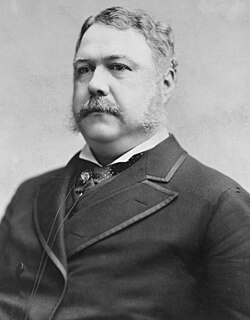
| Born | October 4, 1822 — Delaware, Ohio |
| Died | January 17, 1893 — Fremont, Ohio |
| Term | March 4, 1877 – March 4, 1881 (19th President) |
| Party | Republican |
| 1876 election | Won presidency despite losing popular vote to Tilden by 250,000+ |
| Electoral Commission | 15-member bipartisan body decided contested electoral votes |
| Compromise of 1877 | Withdrew federal troops from South; ended Reconstruction |
| Vice President | William Wheeler |
| Self-imposed | One-term pledge; did not seek re-election |
| Years | 1822–1893 |
| Location | Washington, D.C. |