Grover Cleveland

Grover Cleveland is the only president in American history to serve two non-consecutive terms — losing the White House in 1888 despite winning the popular vote, then winning it back four years later. The anomaly makes him count as both the 22nd and the 24th president, a distinction he found more amusing than remarkable. What defined him was something rarer in politics then or now: a stubborn, sometimes maddening commitment to doing what he believed was right regardless of the political cost.
A former sheriff and mayor of Buffalo who had personally supervised hangings as a duty of the office, Cleveland arrived in Washington in 1885 as a Democrat in a Republican era — the first of his party to win the presidency since before the Civil War. He vetoed more bills in his first term than all previous presidents combined, mostly on the grounds that Congress was handing out money the government hadn't budgeted. His enemies called him an obstructionist; his supporters called him honest. Both were right.
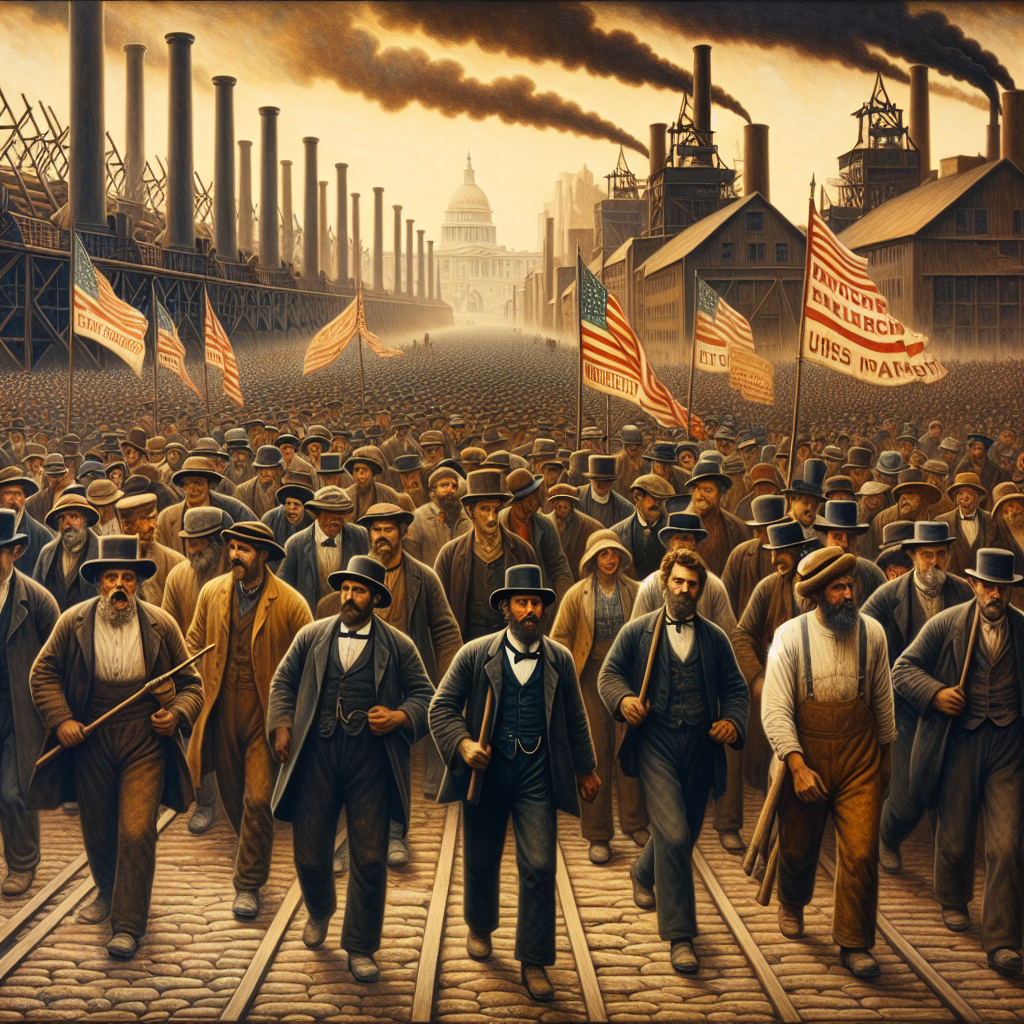
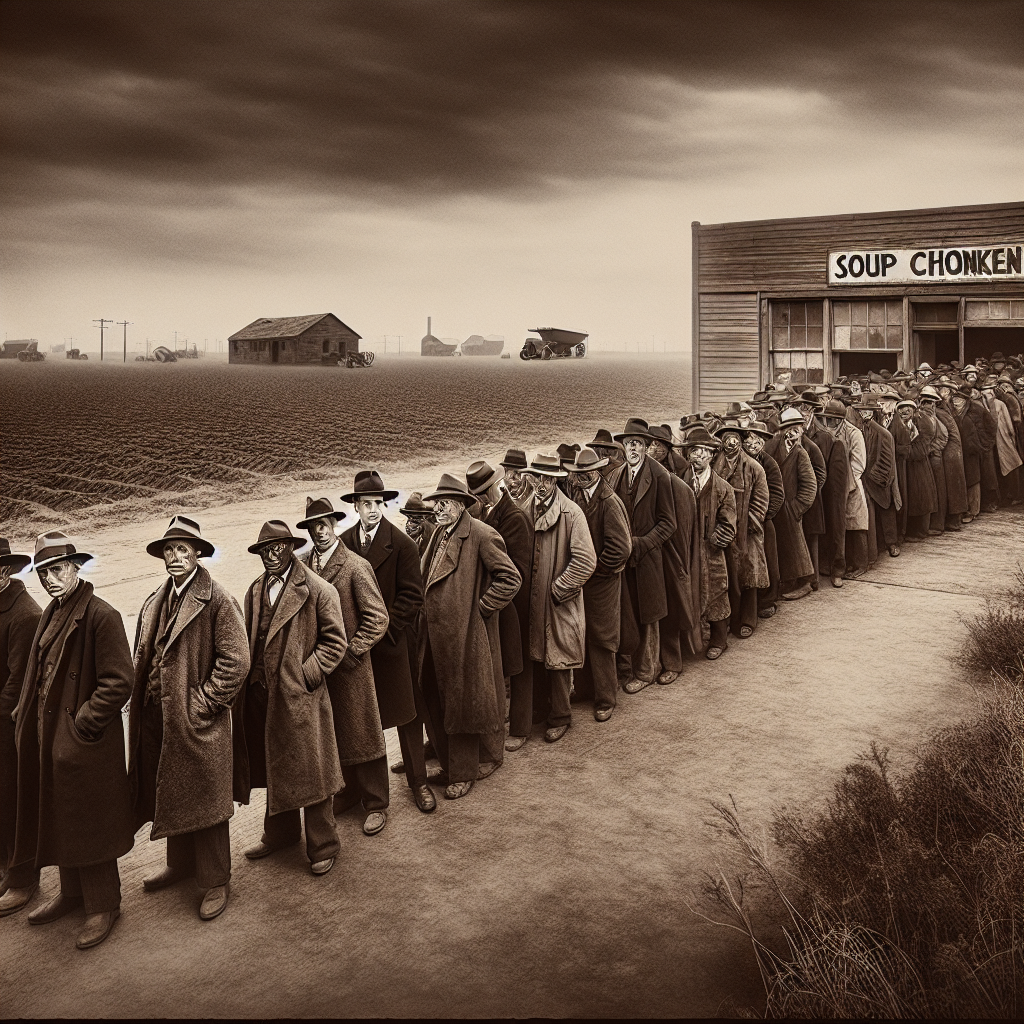
His second term was defined by crisis. The Panic of 1893 triggered the worst economic depression the country had seen, and Cleveland's response — defending the gold standard, opposing silver coinage, refusing federal relief — satisfied financial conservatives while alienating the working-class Democrats who had elected him. His use of federal troops to break the Pullman Strike of 1894 further split the party. He left office in 1897 repudiated by his own base, having stood firm on every position to the end.


| Born | March 18, 1837 — Caldwell, New Jersey |
| Died | June 24, 1908 — Princeton, New Jersey |
| First Term | March 4, 1885 – March 4, 1889 (22nd President) |
| Second Term | March 4, 1893 – March 4, 1897 (24th President) |
| Party | Democrat |
| Distinction | Only president to serve two non-consecutive terms |
| Vetoes | More than 400 bills vetoed across two terms |
| Date | March 18, 1837 – June 24, 1908 |
| Location | Washington, D.C. |