Chester A. Arthur
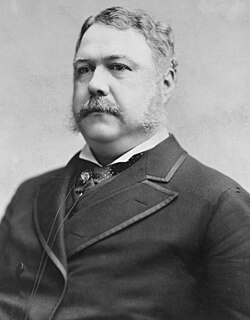
Chester Arthur spent two decades as one of New York's most efficient political operators — a master of the spoils system who distributed federal jobs as rewards for party loyalty with cheerful expertise. When James Garfield's assassin declared he had shot the president for Arthur, the country shuddered: the man about to inherit the presidency was the personification of the corrupt patronage culture that had gotten Garfield killed. What happened next was one of the more startling reversals in presidential history.
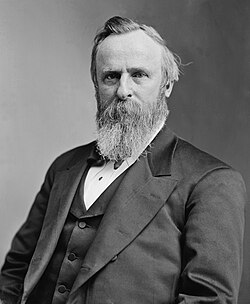
Arthur signed the Pendleton Civil Service Reform Act in 1883, creating the merit-based examination system for federal employment that Garfield's death had finally made politically possible. The law established the Civil Service Commission, required competitive examinations for federal positions, and made it illegal to fire government workers for political reasons. Arthur — who had himself been removed from his position as Collector of the Port of New York by President Hayes for running it as a patronage operation — now dismantled the system he had spent his career building. His own party never forgave him.
Arthur's presidency also produced the first significant federal immigration restriction: the Chinese Exclusion Act of 1882, which he initially vetoed as too severe before signing a modified version. He modernized the Navy, turning it from a collection of wooden relics into a steel-hulled force capable of projecting power. He was diagnosed with Bright's disease shortly after taking office and kept his condition entirely secret for the remainder of his presidency, dying less than two years after leaving office.


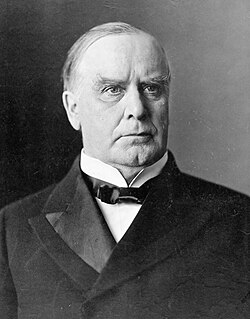
| Born | October 5, 1829 — Fairfield, Vermont |
| Died | November 18, 1886 — New York City |
| Term | September 19, 1881 – March 4, 1885 (21st President) |
| Party | Republican |
| Assumed office | On assassination of James Garfield |
| Key legislation | Pendleton Civil Service Reform Act (1883); Chinese Exclusion Act (1882) |
| Vice President | None (assumed office on Garfield's death) |
| Prior position | Collector of the Port of New York (removed for patronage abuse by Hayes) |
| Years | 1829–1886 |
| Location | Washington, D.C. |