Social Darwinism
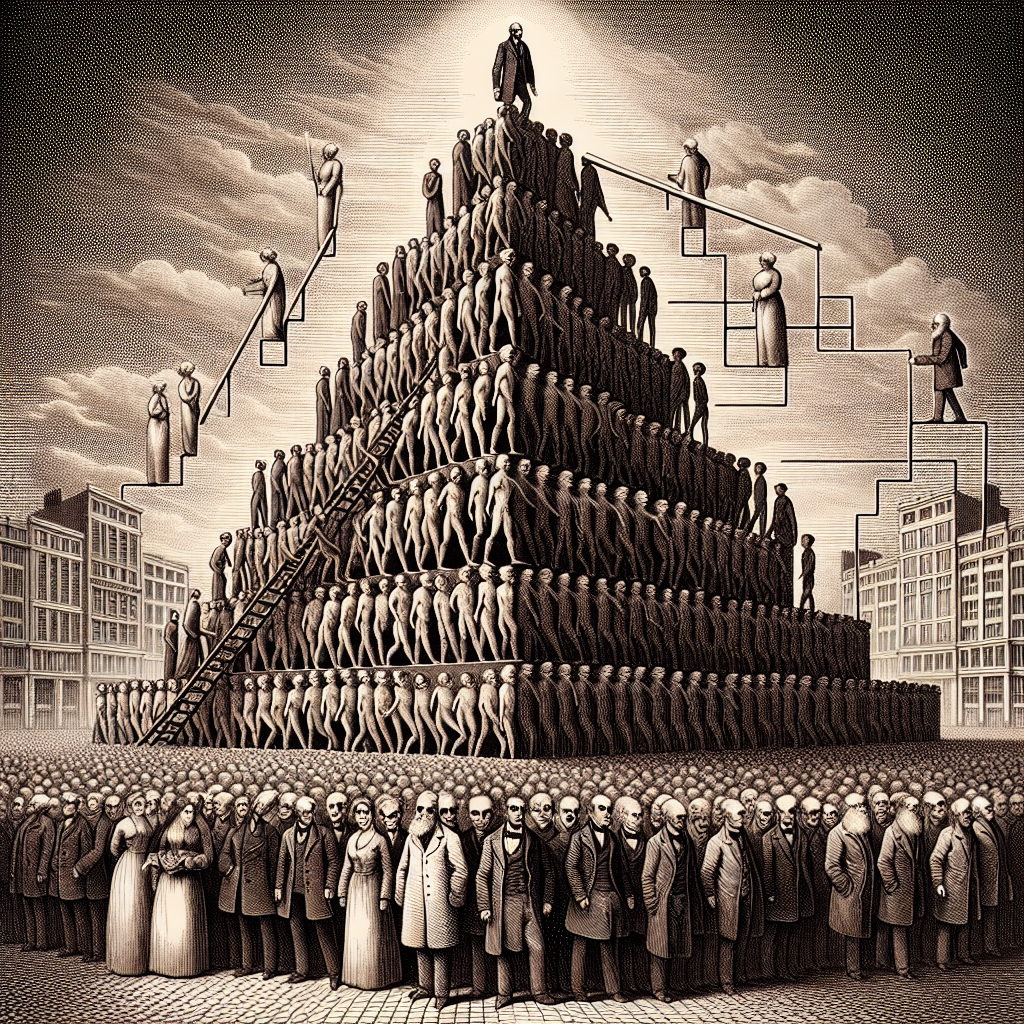
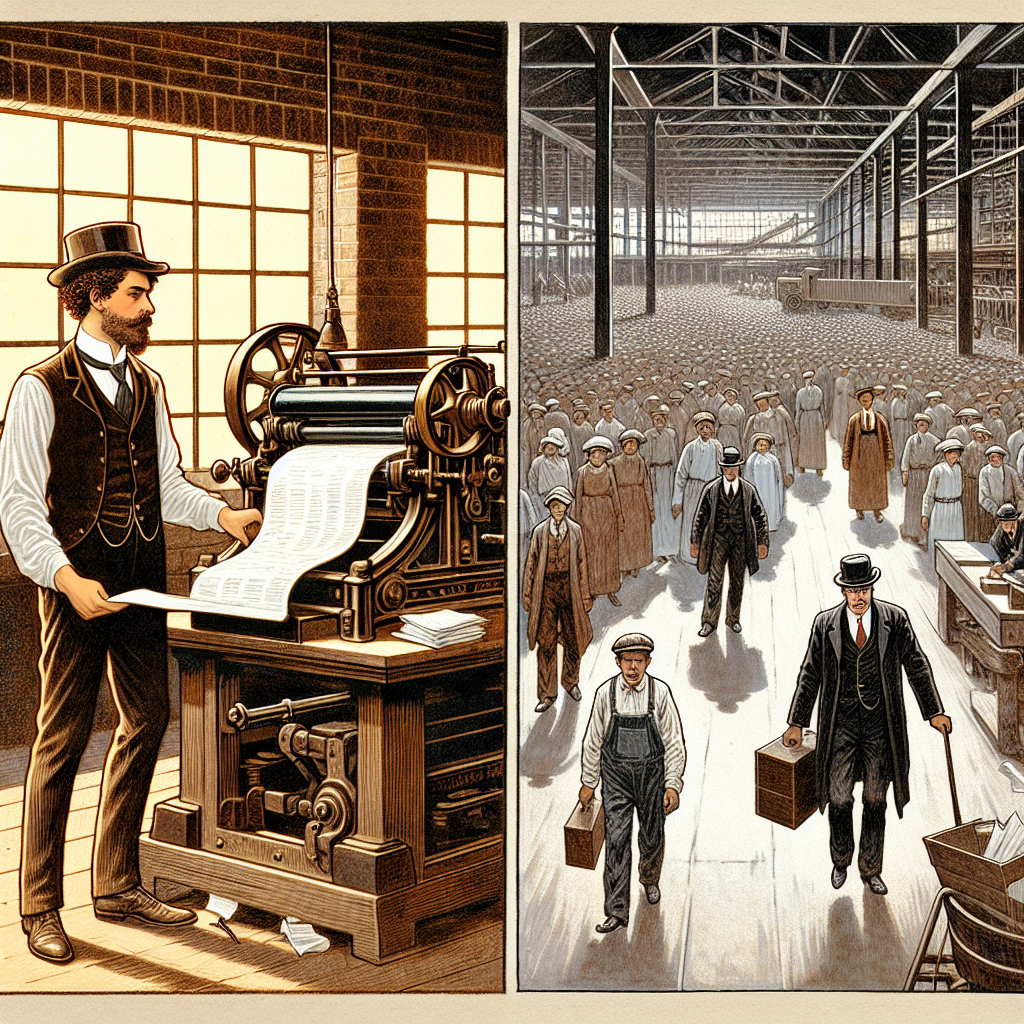
The phrase "survival of the fittest" was coined not by Charles Darwin but by the English philosopher Herbert Spencer, who had developed his own evolutionary theory before Darwin published The Origin of Species in 1859 — and who spent the following decades applying evolutionary logic to human societies with an enthusiasm that Darwin himself found troubling. In the United States, Social Darwinism arrived at the perfect moment: the Gilded Age needed a respectable intellectual framework for the conviction that the very wealthy had earned their position through natural superiority, and Spencer's ideas provided exactly that. By the 1880s, his books were selling faster in America than anywhere in the world.
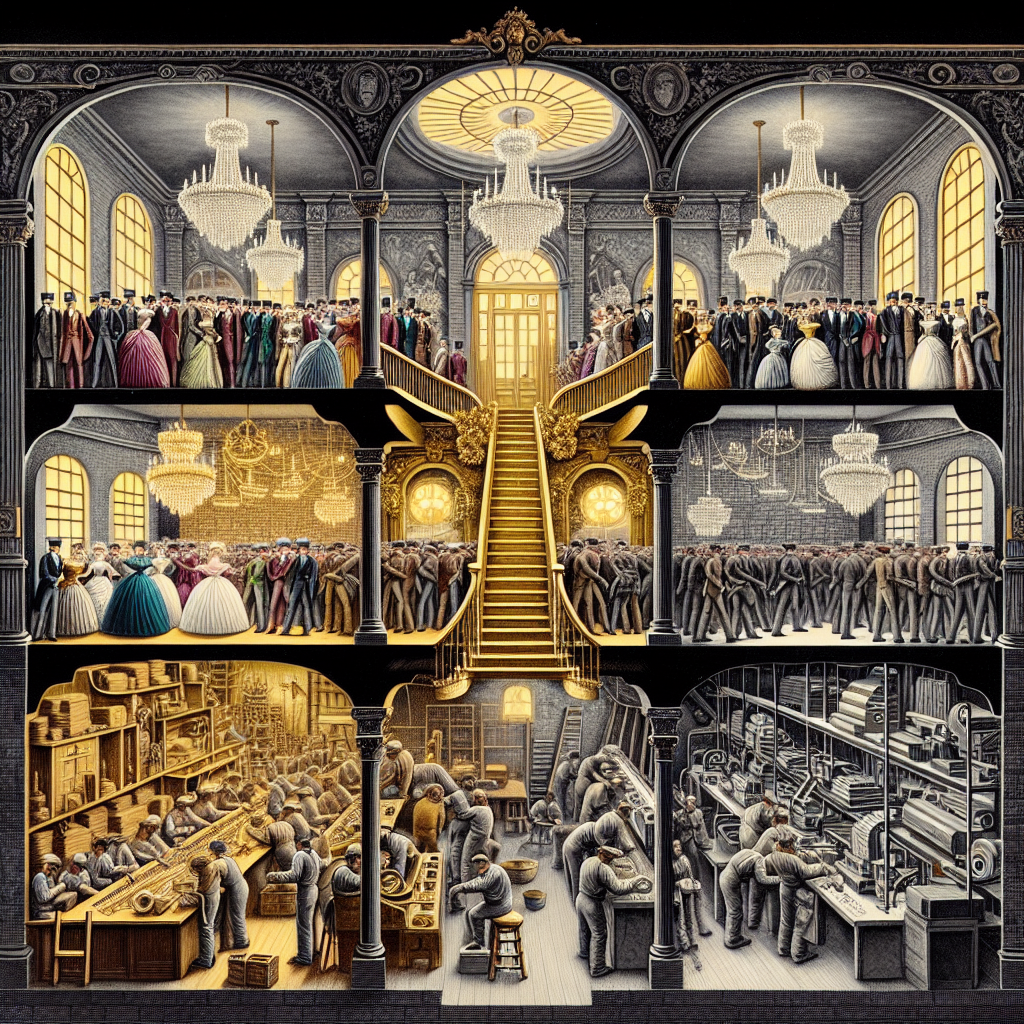
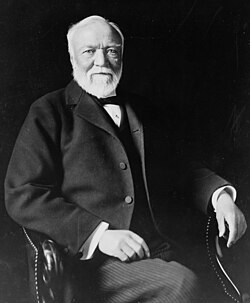
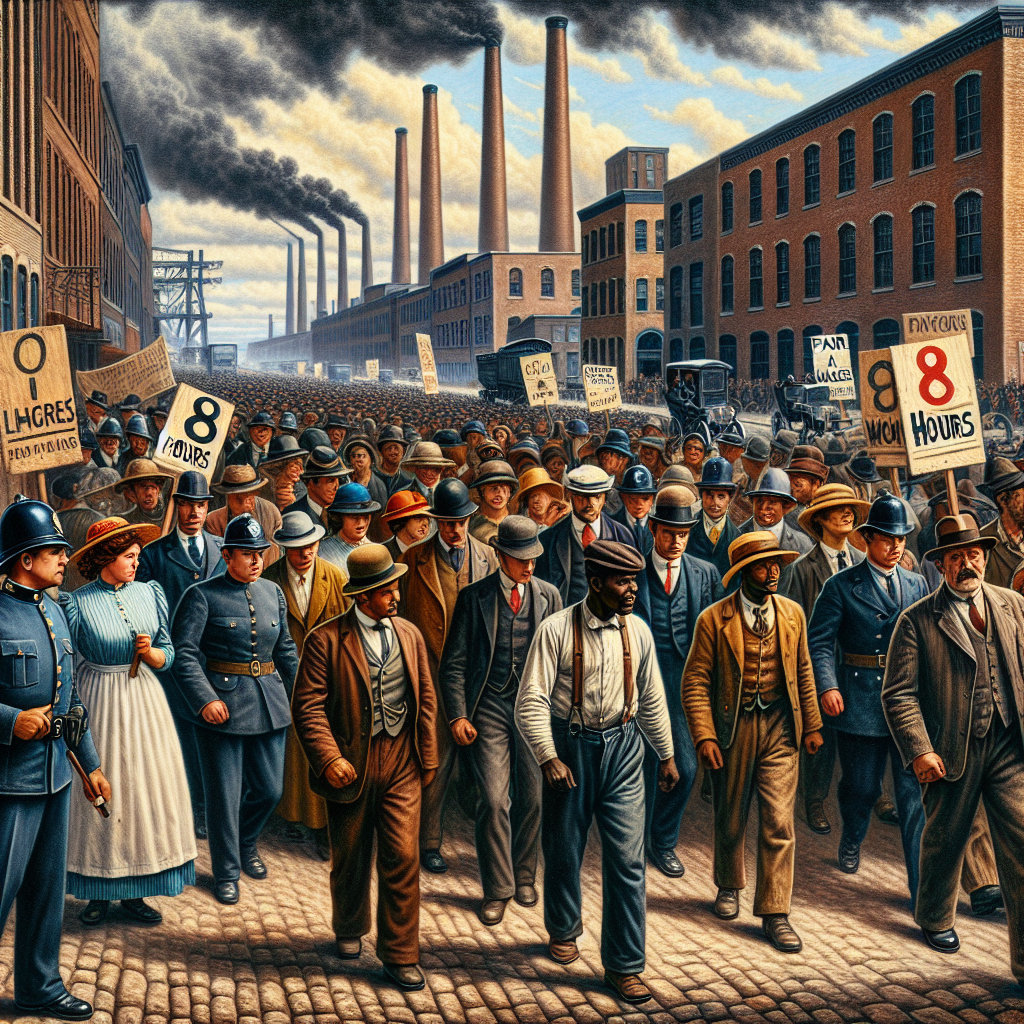
Yale sociologist William Graham Sumner became Social Darwinism's most systematic American voice, arguing that poverty was the natural condition of those lacking the fitness to compete, that charity corrupted both giver and receiver by subverting natural selection, and that government regulation interfered with the evolutionary improvement of the species. Andrew Carnegie found the framework congenial enough to cite in "The Gospel of Wealth," though he reconciled it with philanthropy in ways Sumner would have rejected. The doctrine justified opposition to labor laws, child labor regulation, and any government intervention that might interfere with the market's role as a mechanism of natural selection.
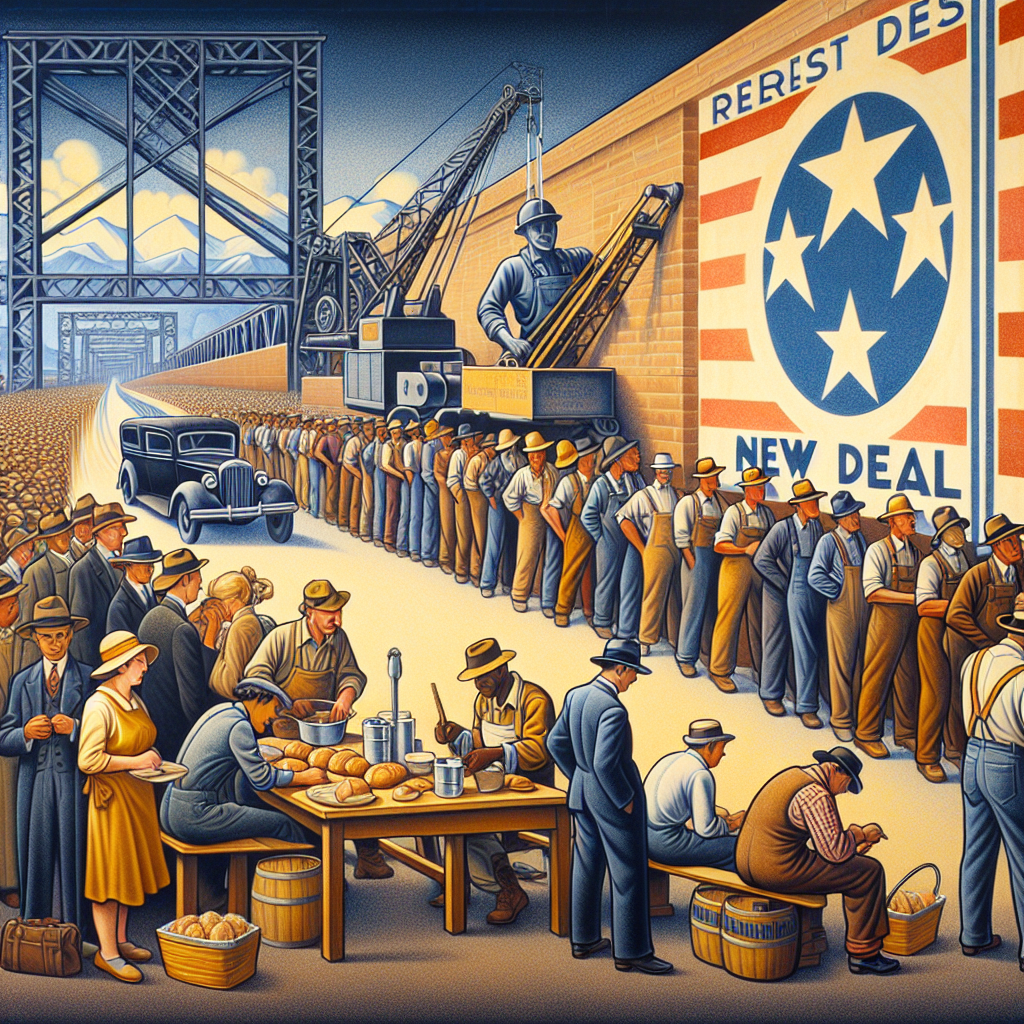
Social Darwinism's most toxic applications appeared in racial theory, where the same logic that explained wealth as natural fitness explained racial hierarchy as biological fact — a pseudoscientific foundation for Jim Crow laws, immigration restriction, and eventually the eugenics movement. The doctrine began losing intellectual respectability in the Progressive Era as reformers demonstrated that poverty was a product of environment rather than biology. The Depression finished it: a philosophy that celebrated the survival of the fittest had little purchase in a country where a third of the workforce had no job. The framework collapsed. The reflexes it trained — suspicion of government, faith in market outcomes as moral verdicts — did not.

| Period | c. 1870s–1920s (peak influence) |
| Key Figure | Herbert Spencer — coined "survival of the fittest" |
| U.S. Proponents | William Graham Sumner, Andrew Carnegie |
| Core Claim | Natural selection explains wealth, poverty, and racial hierarchy in society |
| Policy Uses | Opposed labor reform, public welfare, immigration from non-Anglo countries |
| Decline | Progressive Era reform; intellectually destroyed by the Great Depression |
| Legacy | Eugenics movement; laissez-faire economic philosophy |
| Years | 1870–1920 |
| Location | United States |