Haymarket Affair
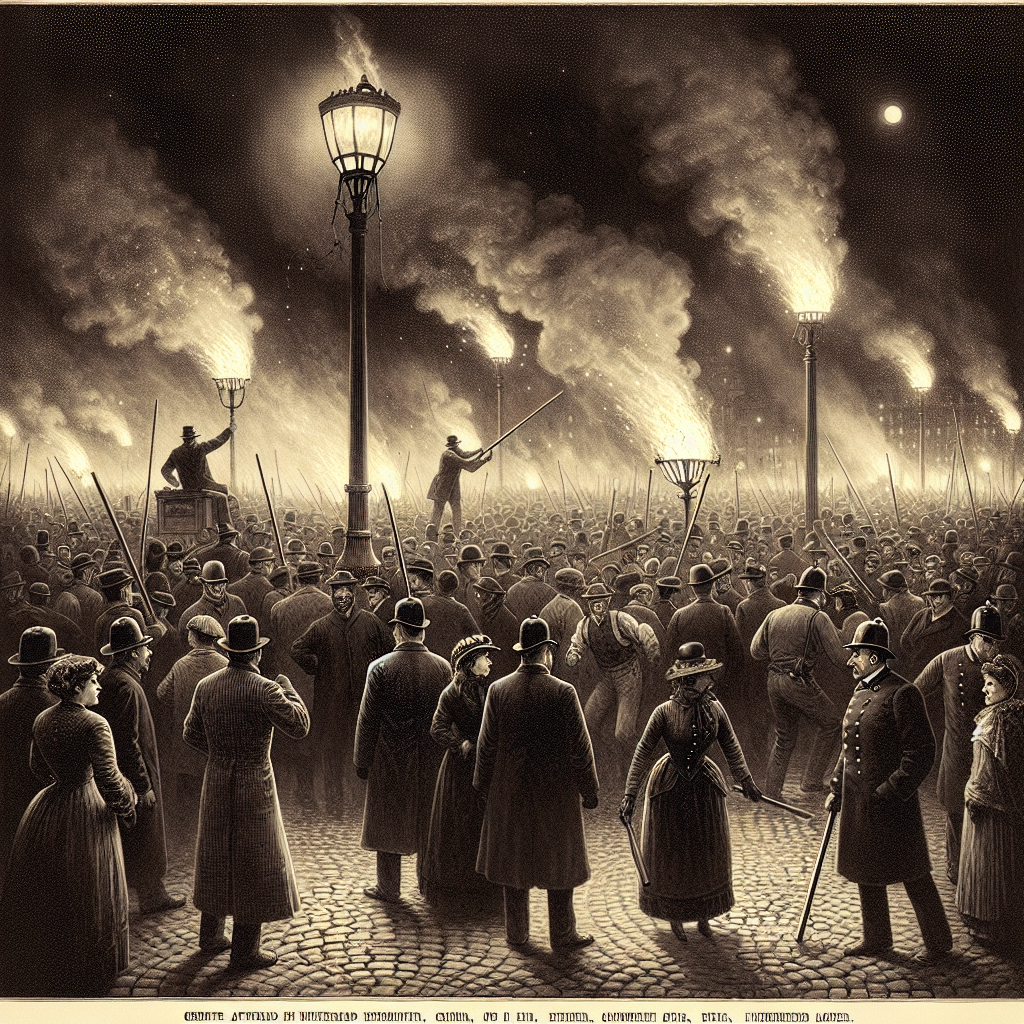
On May 4, 1886, a labor rally at Haymarket Square in Chicago turned catastrophic when someone — never identified — threw a dynamite bomb into a line of police officers. The explosion and ensuing gunfire killed seven officers and at least four civilians and wounded dozens more. The rally had been peaceful until that moment, organized to protest police violence against striking workers at the McCormick Harvesting Machine Company the night before. What followed had less to do with justice than with fear and the powerful urge to find someone to blame.
Eight anarchist labor leaders were arrested and tried in what critics at the time and historians since have called a deeply prejudiced proceeding. No evidence linked any defendant to throwing the bomb. Nevertheless, seven were sentenced to death and one to prison. Four were hanged in November 1887; one died by suicide the night before his execution. In 1893, Governor John Peter Altgeld pardoned the three survivors, calling the trial a perversion of justice — an act of principle that, as he predicted, ended his political career.
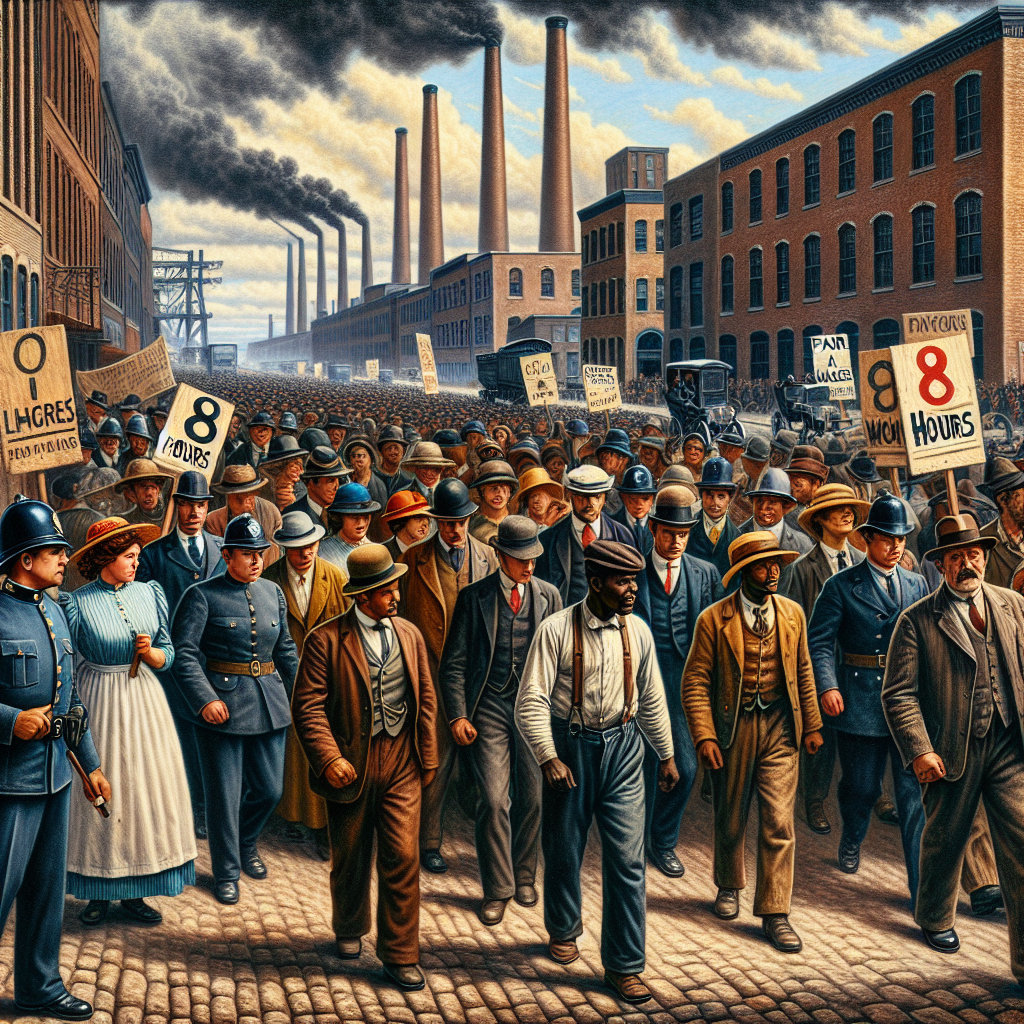
The Haymarket Affair handed opponents of organized labor a weapon they would use for decades: the equation of unionism with violence and foreign radicalism. But it galvanized workers internationally. May 1 became International Workers' Day in its commemoration. The United States government, wary of those associations, deliberately set Labor Day in September instead — a gap between American and global labor tradition that persists to this day.


| Date | May 4, 1886 |
| Location | Haymarket Square, Chicago, Illinois |
| Deaths | At least 11 — 7 police officers, 4 civilians |
| Defendants | 8 labor and anarchist activists tried |
| Sentences | 4 hanged; 1 died by suicide; 3 pardoned (1893) |
| Pardoning Governor | John Peter Altgeld (1893) |
| Legacy | Origin of International Workers' Day (May 1) |
| Date | May 4, 1886 |
| Location | Haymarket Square, Chicago, Illinois |