Boom and Bust: A History of American Financial Panics and Crashes
The American economy has never grown in a straight line. Roughly once a generation, a boom built on speculation and easy credit has collapsed into a bust that closed banks, wiped out savings, and threw millions out of work. These crises are not flukes — they are a recurring rhythm of American capitalism, and each one has reshaped the nation's economy, politics, and rules. This guide traces that long history of boom and bust.
It runs from the bank panics of the nineteenth century, through the Great Depression that remade American government, to the modern crashes that still shake the system. Each entry links to a full account.
Start here for the whole pattern - the recurring booms and busts that have shaped the American economy. The sections that follow trace it in order.
Before there was a central bank, the economy lurched from panic to panic. These entries cover the recurring nineteenth-century crashes that wiped out fortunes and exposed the fragility of an unregulated financial system.
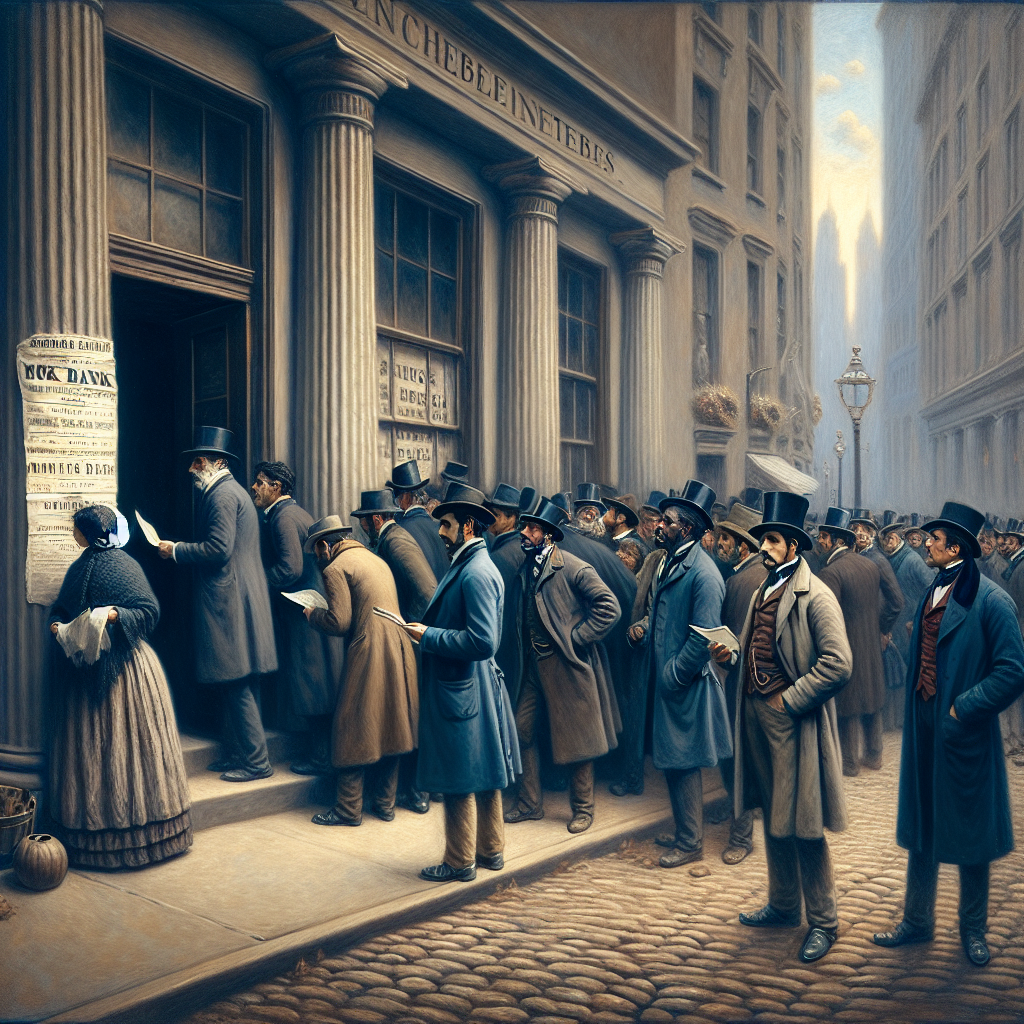
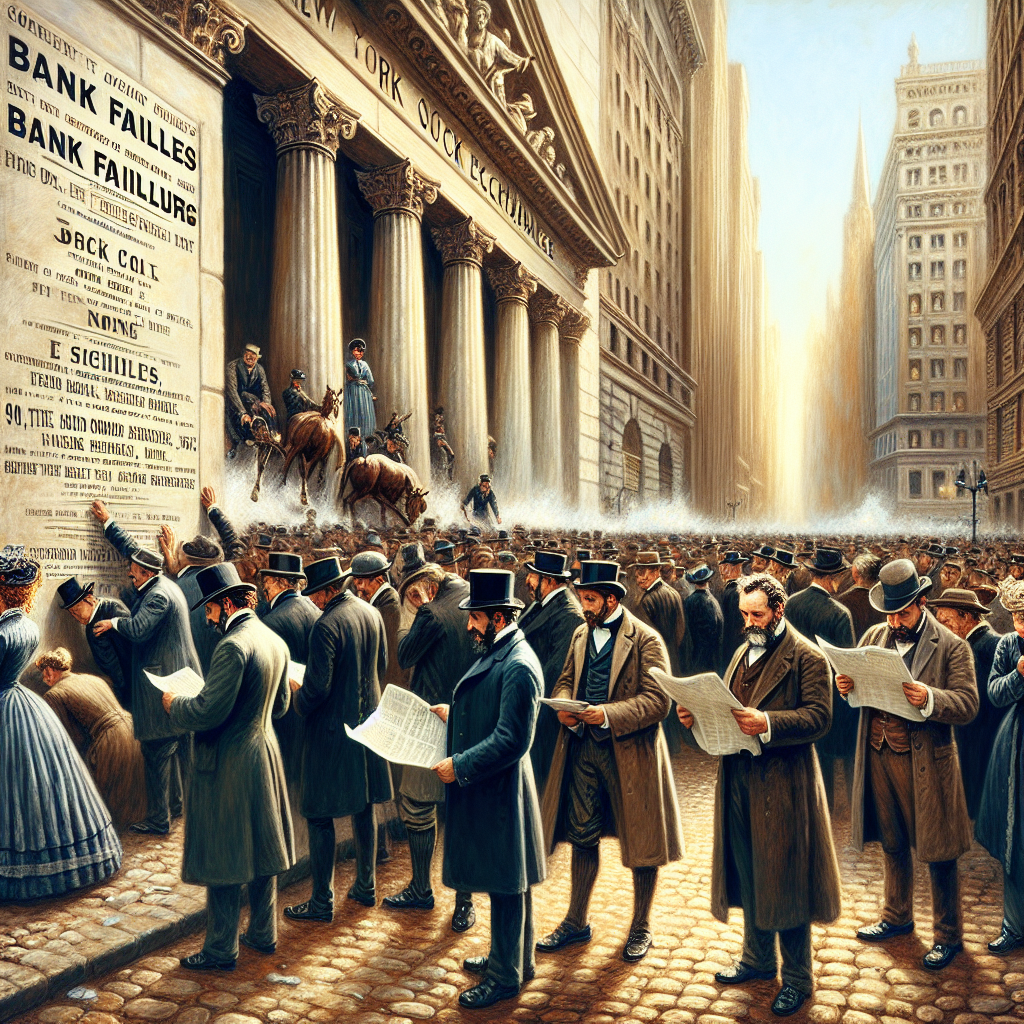
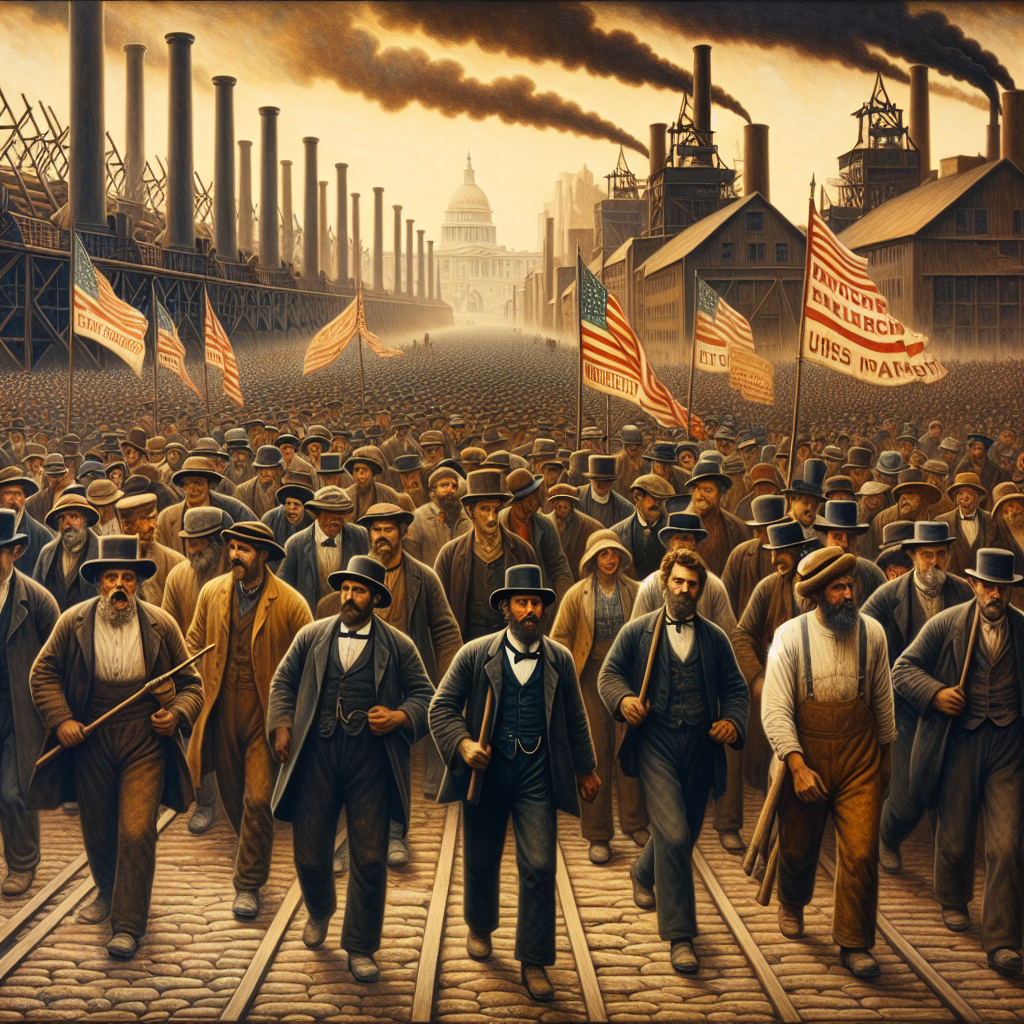
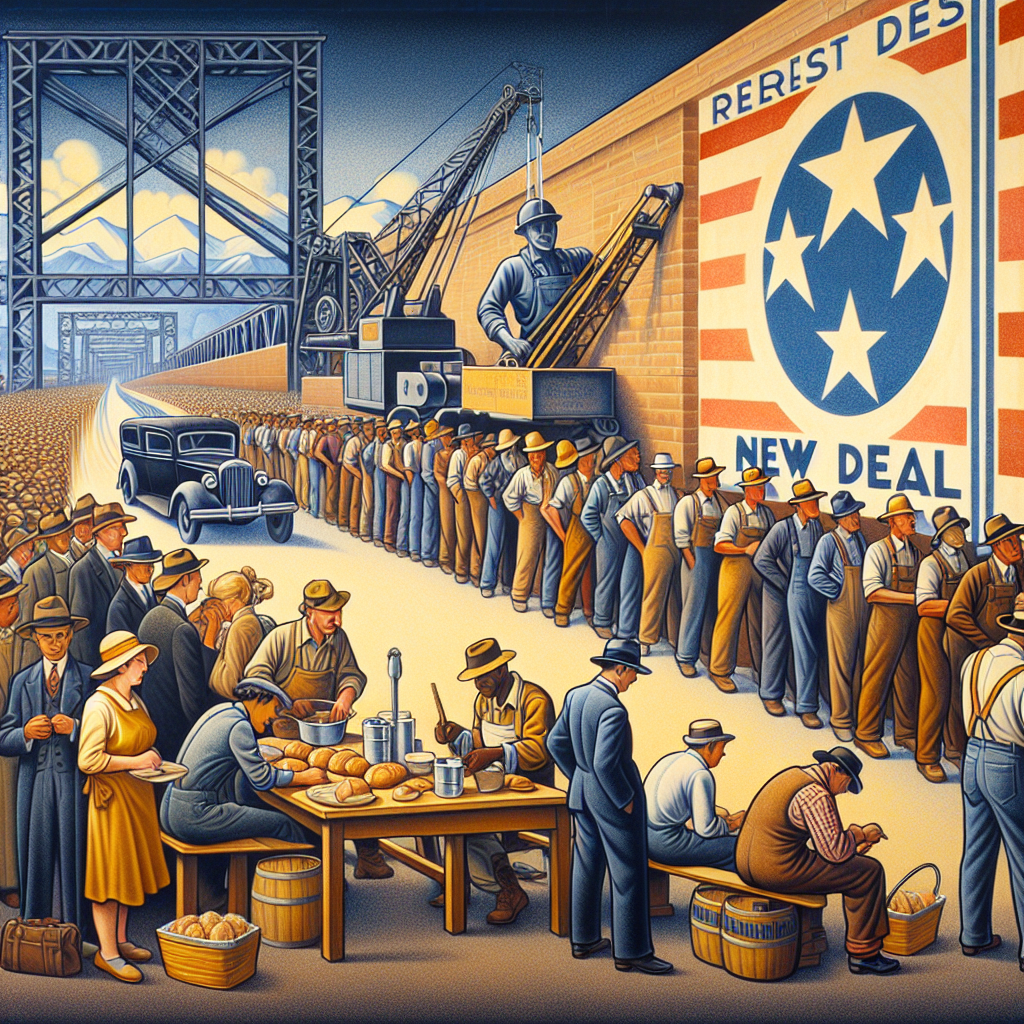
The worst collapse in American history was also the most consequential. These entries cover the crash, the decade of hardship that followed, and the central bank and reforms built in its wake.
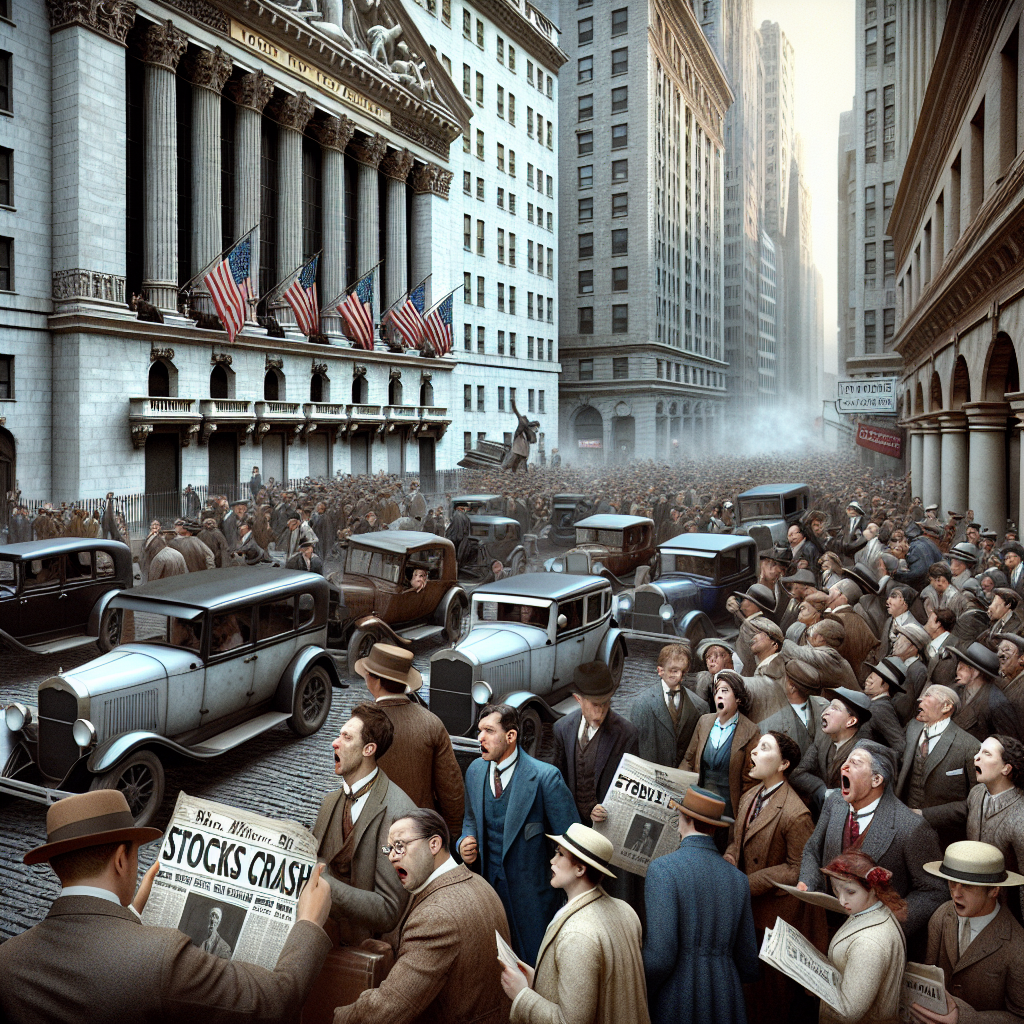

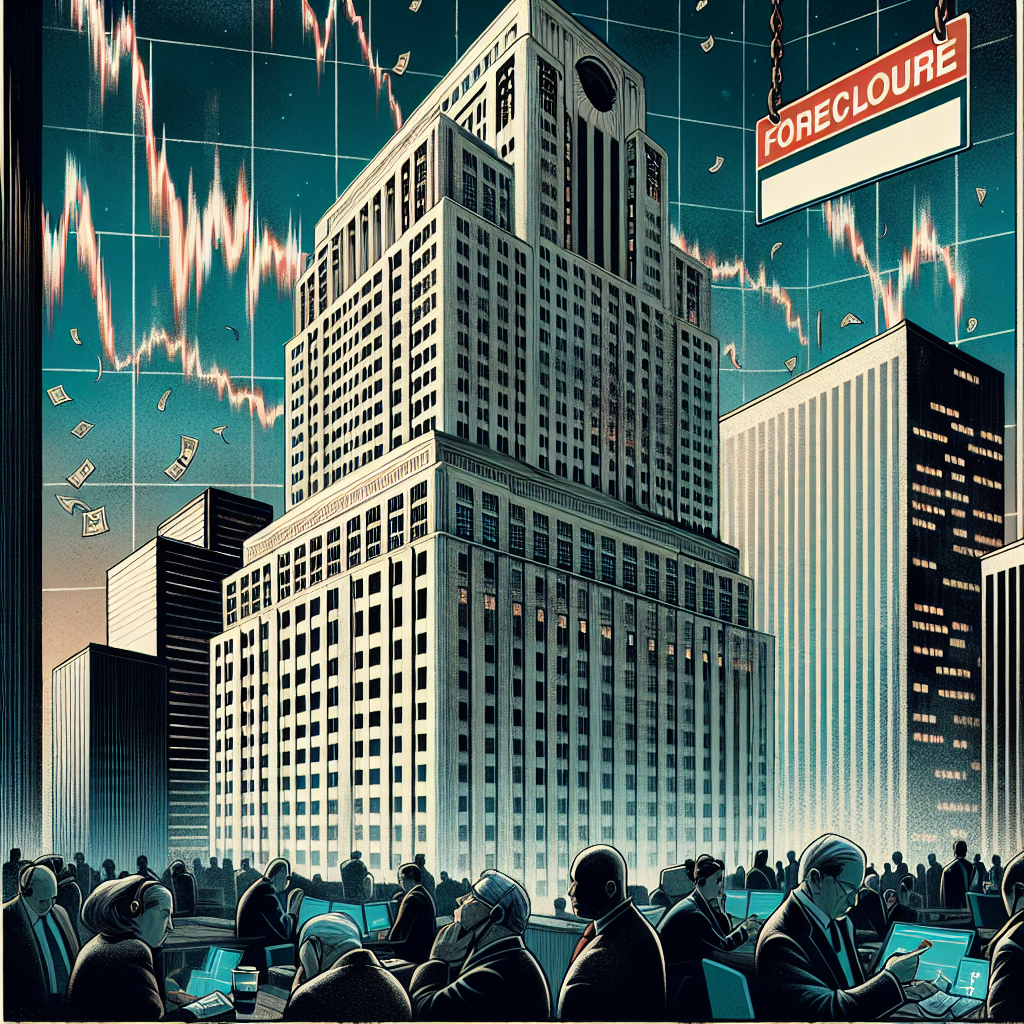
Crises did not end with reform. These entries cover the most recent collapse - a financial crisis that began in housing and spread worldwide, the gravest since the Depression.
The response to the worst of these crises built much of the modern state — see the labor protections and safety net of the era, and the broader sweep of American history they reshaped.