Sherman Antitrust Act
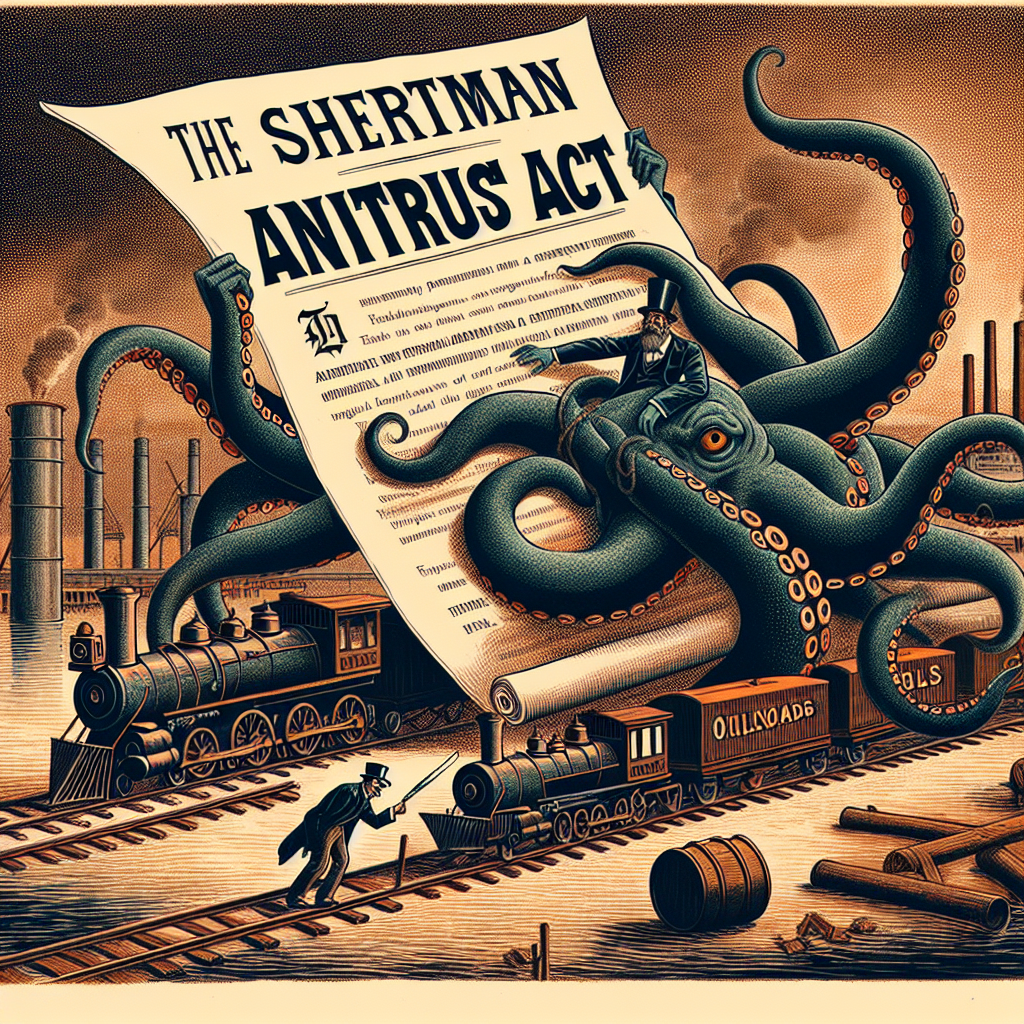
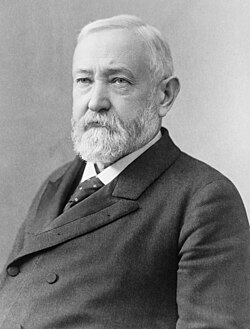
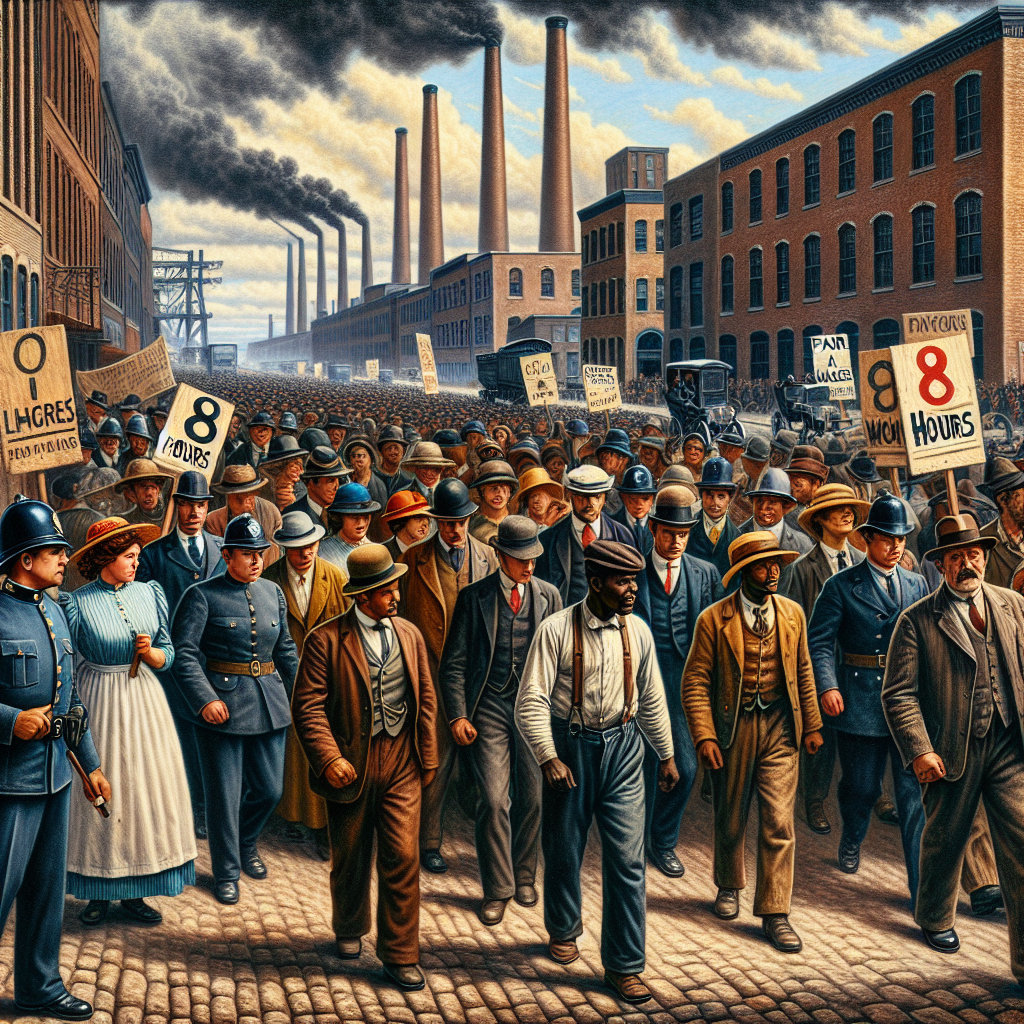
The Sherman Antitrust Act of 1890 was the first federal law to prohibit monopolistic business practices, declaring illegal "every contract, combination in the form of trust or otherwise, or conspiracy, in restraint of trade." It was passed unanimously by the Senate and nearly so by the House, which was remarkable given that the Gilded Age Congress was not typically inclined toward regulating the corporations that funded it. The problem was that the law was simultaneously sweeping in rhetoric and toothless in enforcement — vague enough that its early application was more often used against labor unions than against the trusts it was ostensibly designed to break.
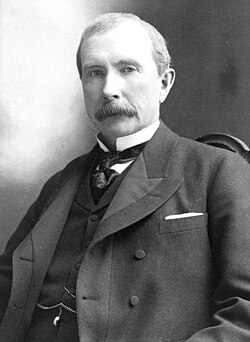
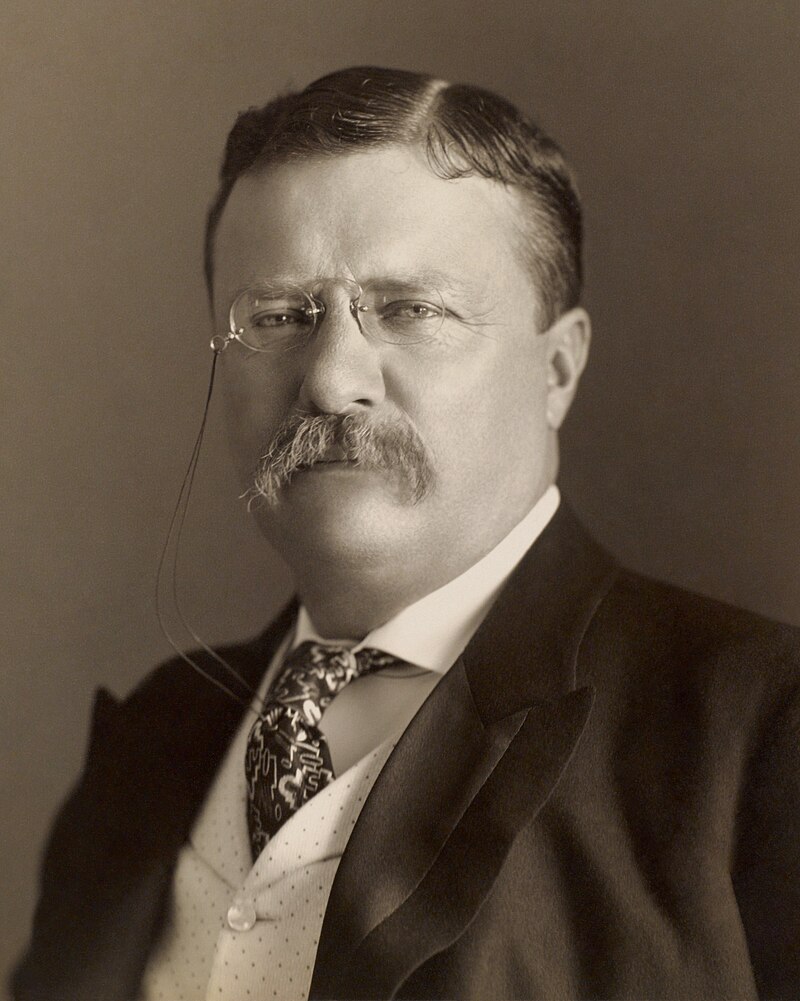
The act sat largely dormant through the 1890s, when the Justice Department lacked both the will and the resources to enforce it seriously. Theodore Roosevelt changed that. His administration brought 44 antitrust suits in seven years, beginning with the dissolution of J.P. Morgan's Northern Securities railroad monopoly in 1904. The act's real power as a tool of trust-busting was demonstrated through the breakup of Standard Oil in 1911 — dividing John D. Rockefeller's petroleum empire into 34 successor companies. Standard Oil's dissolution was, ironically, a financial bonanza for Rockefeller, whose shares in all the successor companies appreciated dramatically.
The Sherman Act remains in force and remains the foundational text of American antitrust law, supplemented by the Clayton Act of 1914 and subsequent legislation. Its application has been contested in every generation: expansive during the Progressive and New Deal eras, constrained during the mid-to-late 20th century by economists who argued that bigness was not inherently harmful if it produced lower consumer prices. In the early 21st century, the rise of technology monopolies revived antitrust enforcement debates with a directness that had not been seen since the Standard Oil era.


| Signed | July 2, 1890 |
| Sponsor | Senator John Sherman (Ohio) |
| Key Prohibition | Contracts or conspiracies in restraint of trade or commerce |
| Early Use | Often applied against labor unions rather than corporations |
| Roosevelt Cases | 44 antitrust suits, 1901–1909 |
| Major Breakup | Standard Oil dissolved into 34 companies, 1911 |
| Still Active | Foundational U.S. antitrust statute, supplemented by Clayton Act (1914) |
| Date | July 2, 1890 |
| Location | Washington, D.C. |