Samuel Gompers
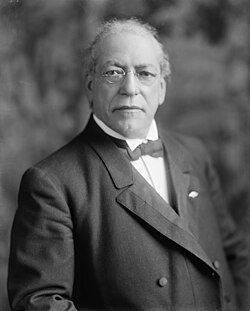
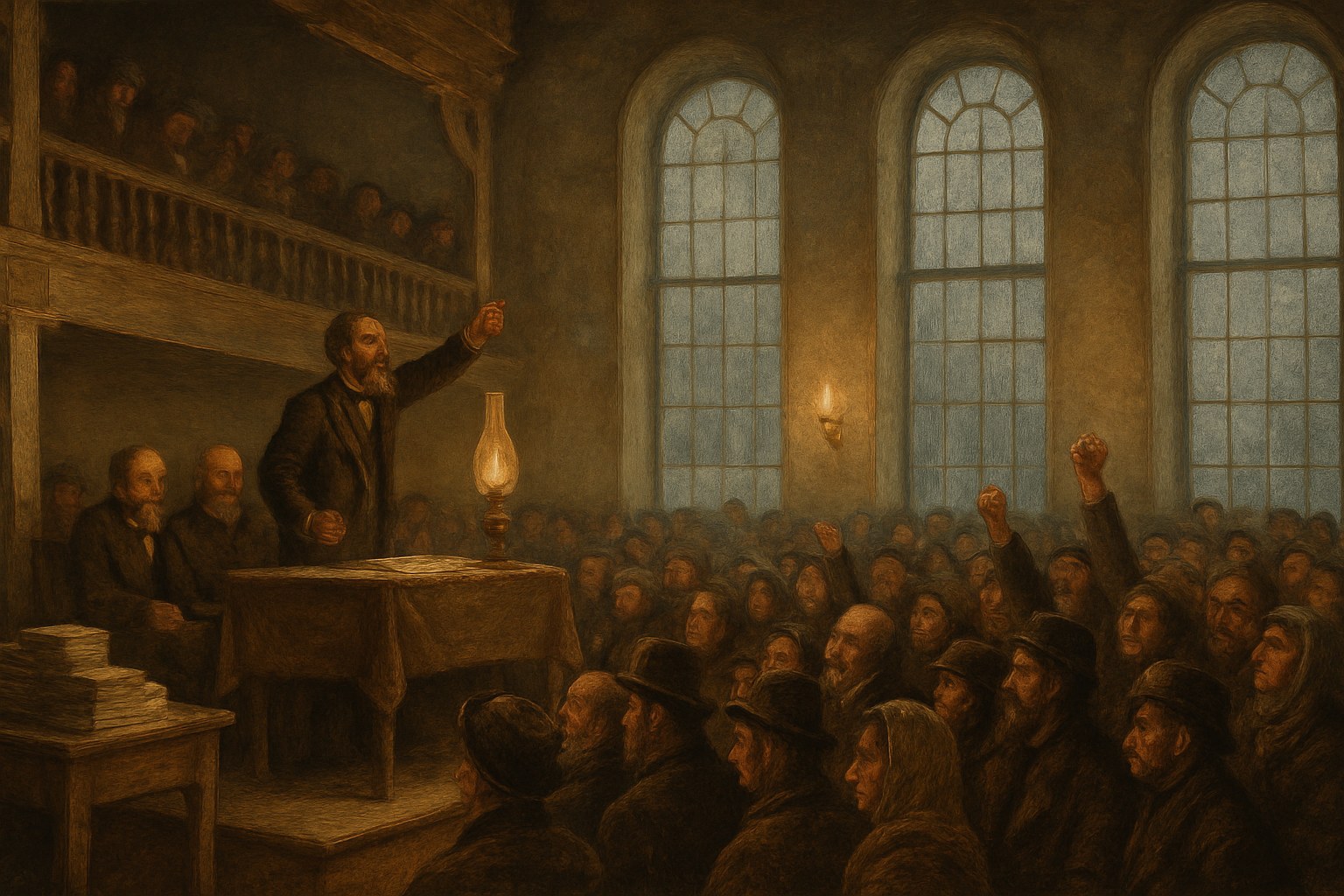
Samuel Gompers arrived in New York from London at age 13 with his family and went to work in a cigar factory almost immediately. By the time he was 30, he had decided that American workers would never improve their lives through politics alone — they needed economic power, and they needed organizations built to use it. In 1886, he founded the American Federation of Labor and spent the next 38 years building it into the most durable labor institution the country had ever seen.
Gompers's genius was pragmatism. While socialist contemporaries argued for replacing capitalism, Gompers pursued what he called "pure and simple" unionism: higher wages, shorter hours, safer conditions — now, through collective bargaining, not after the revolution. He focused the AFL on skilled craft workers, winning concrete gains for carpenters, cigar makers, and iron molders while leaving unskilled immigrants and Black workers largely outside the federation's umbrella — a choice that haunted his legacy. His philosophy shaped U.S. labor law for generations.
By the time Gompers died in 1924 — returning from a labor conference in Mexico, too ill to complete the journey home — the AFL had more than three million members and had survived open warfare with employers, federal injunctions, and two world wars. The eight-hour workday, the weekend, and the right to strike all owe something to the stubborn, stocky immigrant from Spitalfields who decided that workers deserved better and spent a lifetime proving it was achievable.
| Born | January 27, 1850 — London, England |
| Died | December 13, 1924 — San Antonio, Texas |
| Role | President, American Federation of Labor, 1886–1924 |
| Founded | American Federation of Labor, 1886 |
| Philosophy | "Pure and simple" unionism — wages, hours, conditions |
| AFL Members | Over 3 million at time of death |
| Date | December 13, 1924 |
| Location | New York, New York |