Election of 1876
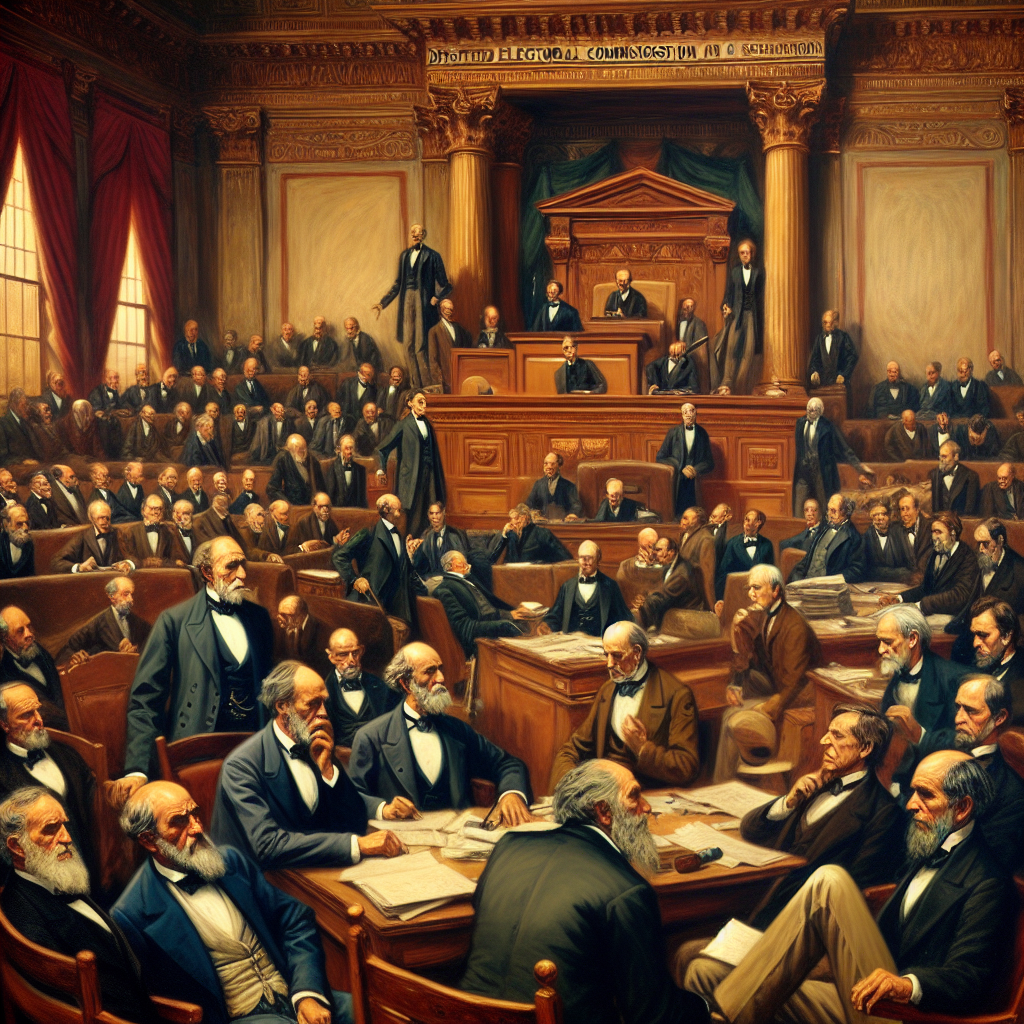
The election of 1876 produced the most disputed presidential outcome in American history until 2000. Democrat Samuel Tilden won the popular vote and led in the Electoral College, but 20 electoral votes from three Southern states — Florida, Louisiana, and South Carolina — were contested, with both parties submitting rival slates of electors. Congress created a special Electoral Commission of 15 members, which voted along strict party lines to award every disputed vote to Republican Rutherford Hayes. Tilden accepted the result. The country did not go to war. But the price was steep.
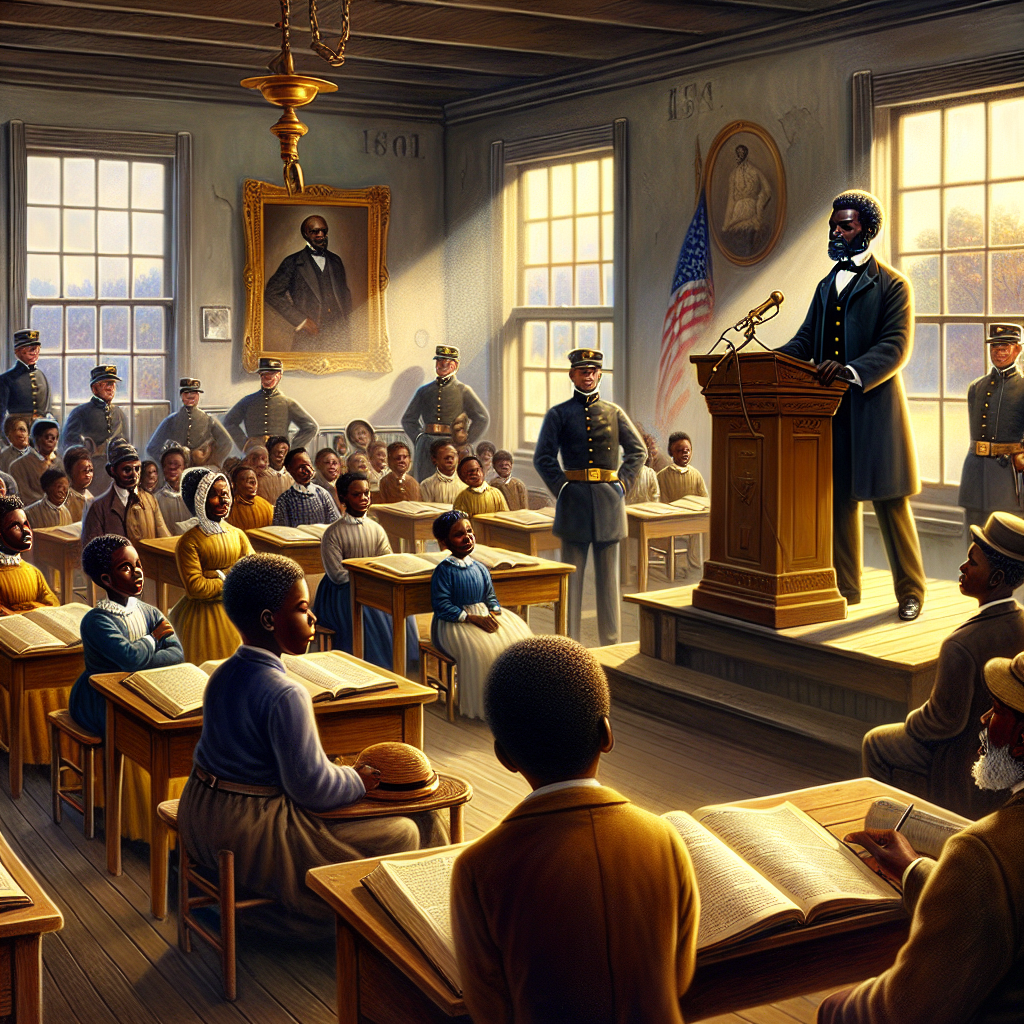
The resolution required a political bargain. In exchange for Democratic acceptance of Hayes's presidency, Republicans agreed to withdraw the remaining federal troops from the South, effectively ending Reconstruction. Within months, the state governments that had extended political rights and representation to Black citizens were dismantled by white supremacist Democrats. The brief period of Black political power in the South collapsed, and the system of segregation, disenfranchisement, and racial terror known as Jim Crow took its place — a settlement that would endure for nearly a century.
Hayes served one term and was widely regarded as a decent, reform-minded president, but he entered office under a cloud that never fully lifted. His opponents called him Rutherfraud. The election's deeper significance was the deal it represented: the federal government's formal abandonment of the Black citizens it had promised to protect. The Compromise of 1877 is now understood as one of the most consequential political betrayals in American history.



| Winner | Rutherford B. Hayes (Republican) |
| Candidates | Rutherford B. Hayes (R) def. Samuel Tilden (D) |
| Runner-up | Samuel Tilden (Democrat) |
| Popular Vote | Tilden 50.9%, Hayes 47.9% |
| Electoral Vote | Hayes 185, Tilden 184 |
| Disputed votes | 20 electoral votes — Florida, Louisiana, South Carolina |
| Resolution | Electoral Commission, voted 8–7 along party lines |
| Consequence | Compromise of 1877; end of Reconstruction |
| Date | November 7, 1876; resolved March 2, 1877 |
| Location | Washington, D.C. |