Andrew Carnegie
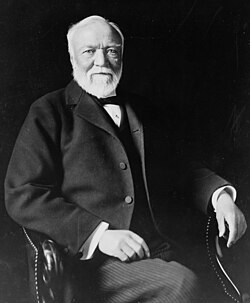
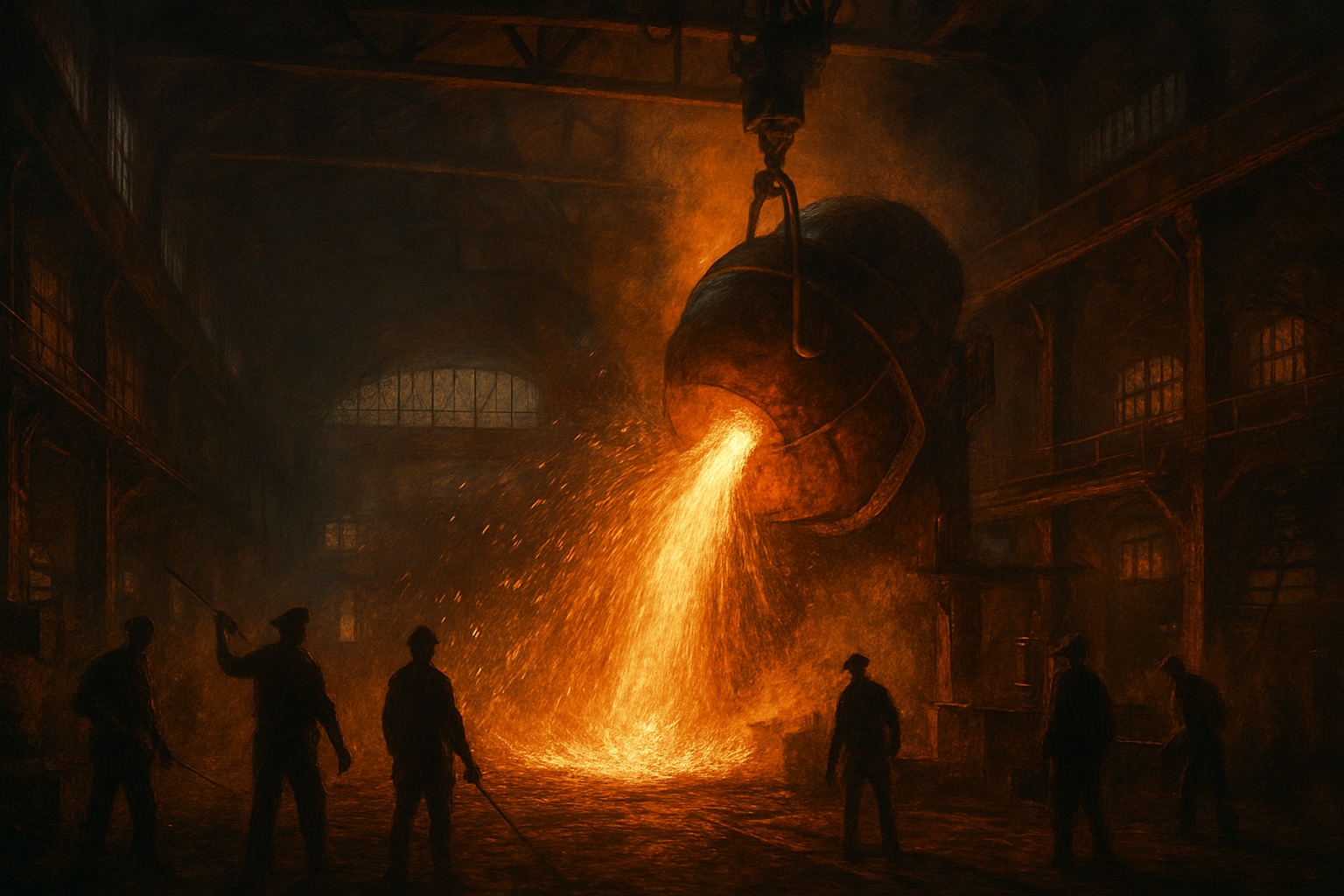
Andrew Carnegie arrived in America at 13 with nothing but a mother's determination and a family willing to work — and by the time he sold Carnegie Steel to J.P. Morgan in 1901 for $480 million, he had become the richest man in the world. Born in Dunfermline, Scotland, in 1835, he climbed from bobbin boy in a Pennsylvania cotton factory to master of the American steel industry through relentless ambition, prescient investing, and an instinct for technological change that outpaced every competitor.
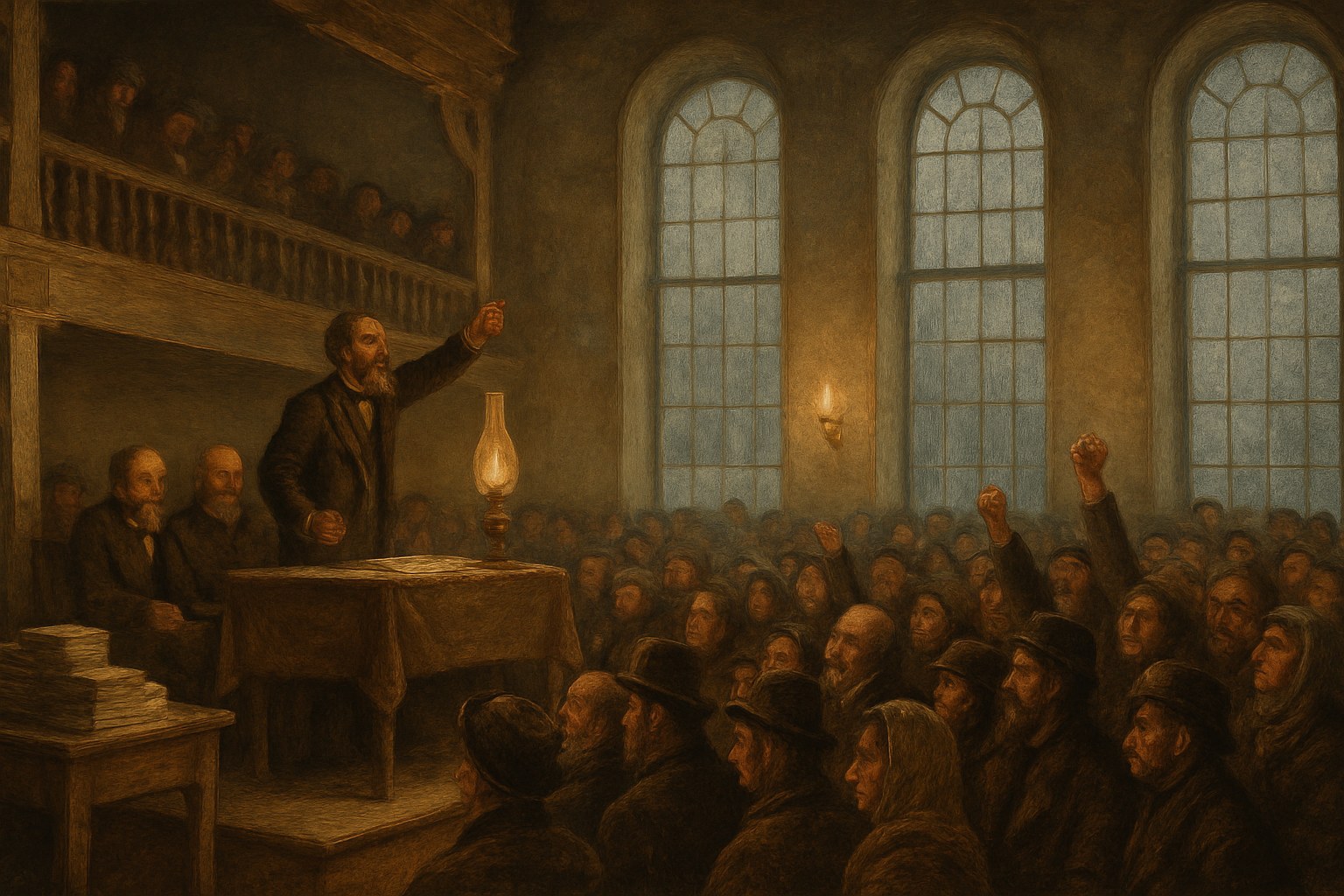
Carnegie's methods were ruthless by any measure. The 1892 Homestead Strike — where Pinkerton agents clashed violently with his steelworkers, leaving 16 dead — exposed the contradiction at the heart of his empire: a man who preached the dignity of labor while crushing unions. Yet Carnegie seemed to believe that great wealth carried great obligation. His 1889 essay "The Gospel of Wealth" argued that the rich had a duty to distribute their fortunes for the public good before they died — a principle he then practiced on a breathtaking scale.
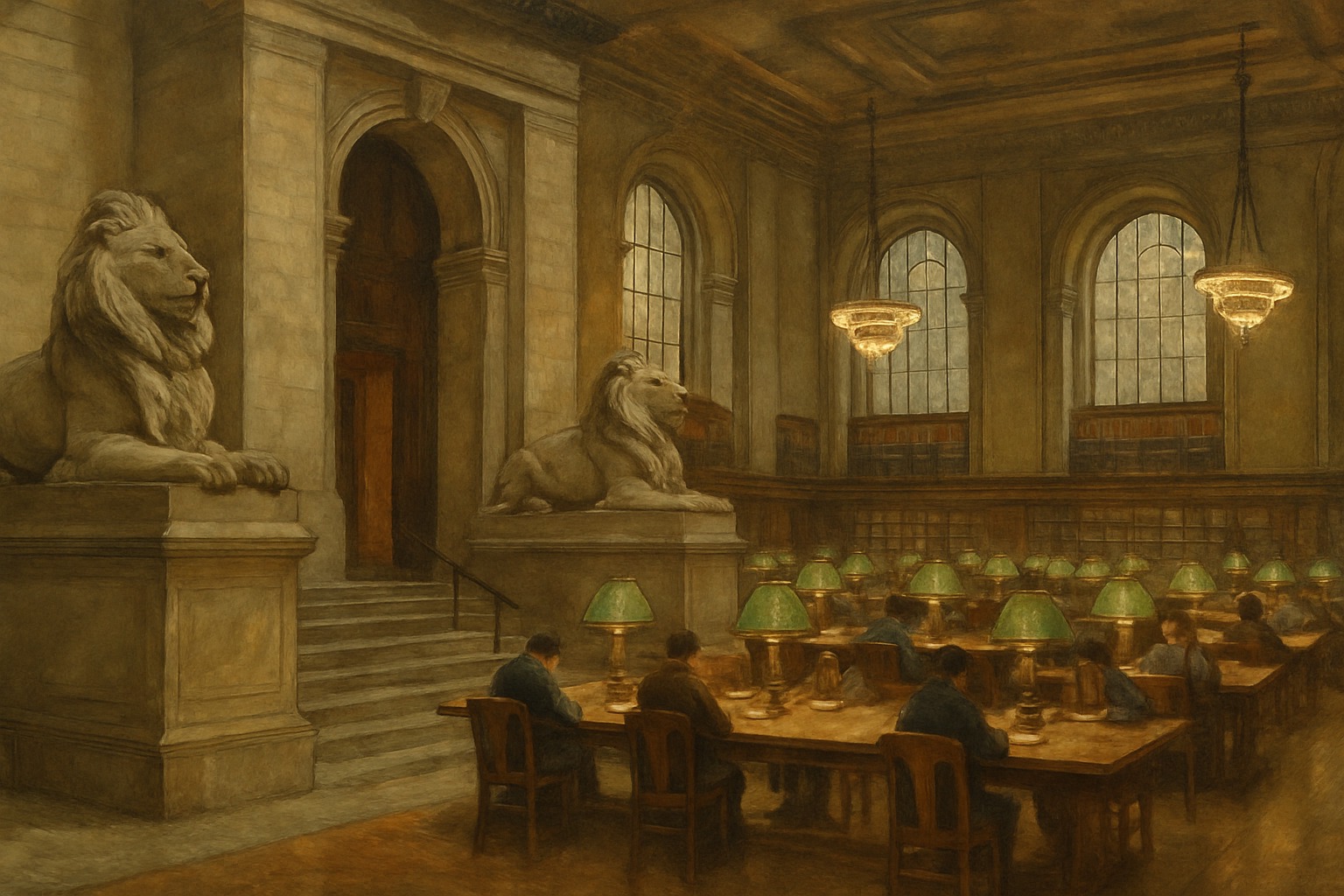
Carnegie funded more than 2,500 public libraries worldwide, nearly 1,700 of them across the United States, along with Carnegie Hall in New York and what became Carnegie Mellon University. By his death in 1919, he had given away roughly $350 million — more than 90 percent of his accumulated fortune. Whether that philanthropy redeems his labor record remains an open argument. What's undeniable is the scale: no American before or since has given away so much, so deliberately, in a single lifetime.
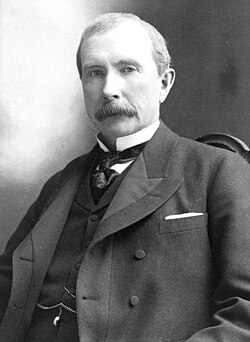
| Born | November 25, 1835 — Dunfermline, Scotland |
| Died | August 11, 1919 — Lenox, Massachusetts |
| Industry | Steel manufacturing |
| Company | Carnegie Steel Company (sold to J.P. Morgan, 1901) |
| Peak Wealth | Approximately $480 million (1901) |
| Key Writing | "The Gospel of Wealth" (1889) |
| Libraries Founded | Over 2,500 worldwide |
| Years | 1835–1919 |
| Location | Pittsburgh, Pennsylvania |