The American Labor Movement: Strikes, Unions, and the Fight for the Worker
The conditions most American workers now take for granted — the eight-hour day, the weekend, the minimum wage, the right to join a union — were not granted. They were fought for, often violently, across a century in which workers and the industries that employed them waged something close to open war. The American labor movement is the story of that fight.
This guide follows it from the industrial conditions that set it off, through the great strikes and the organizers who led them, to the New Deal laws that finally secured labor's basic rights. Each entry links to a full account.
Start here for the whole story of American labor - its rise, its battles, and the laws it eventually won. The sections that follow trace it in order.
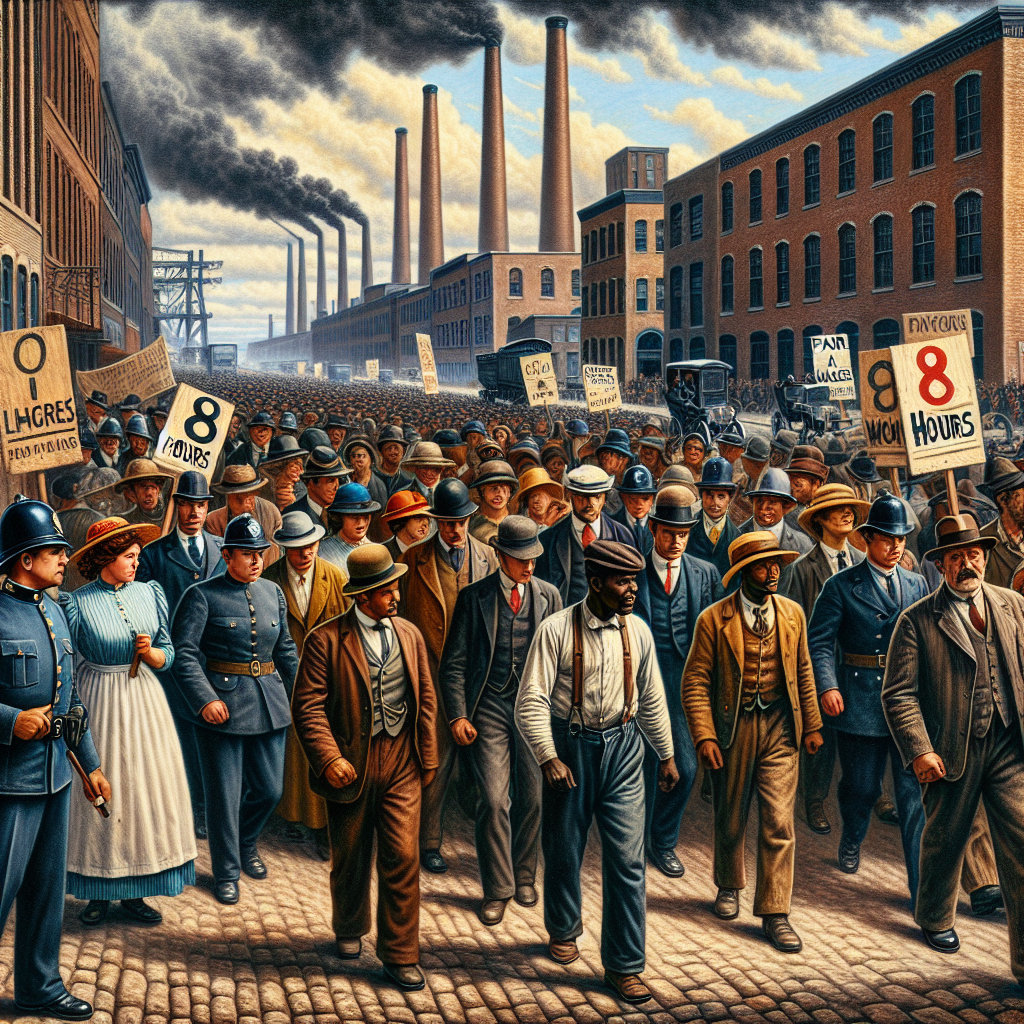
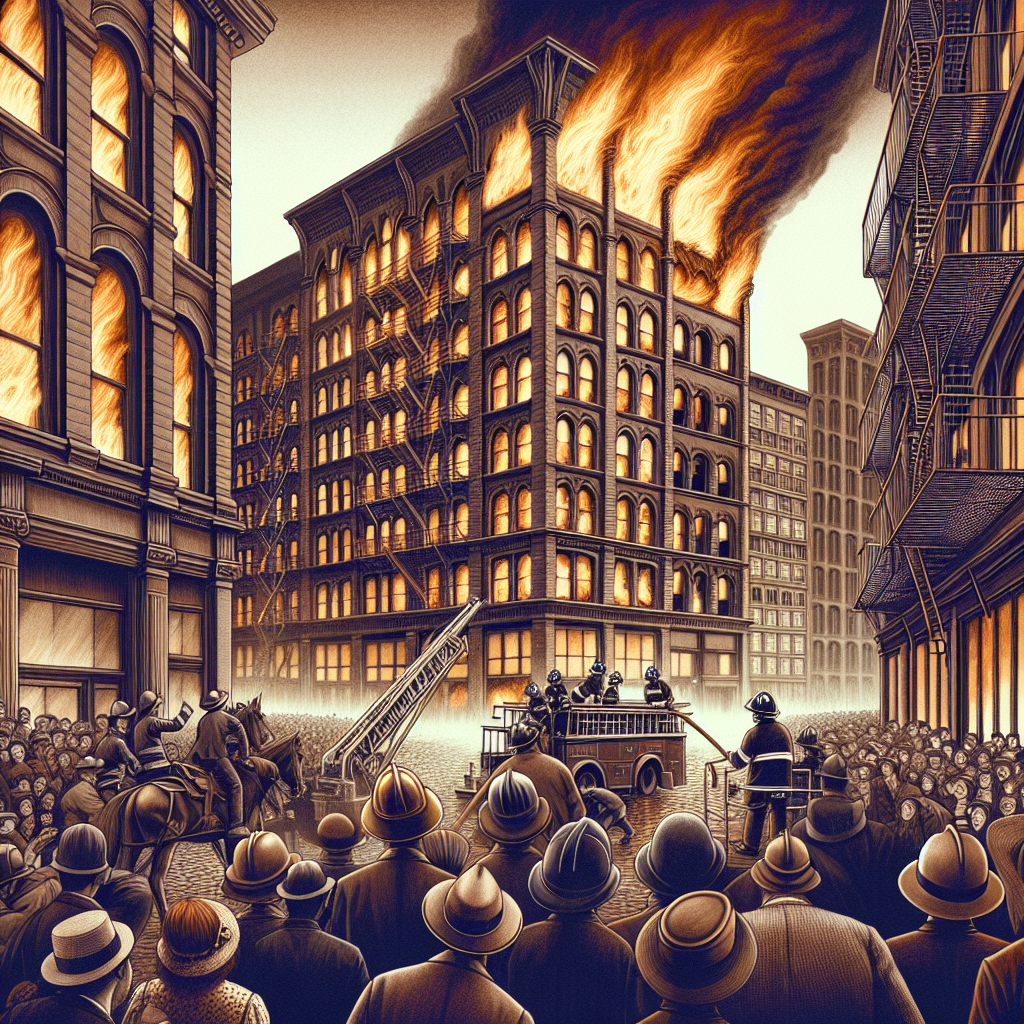
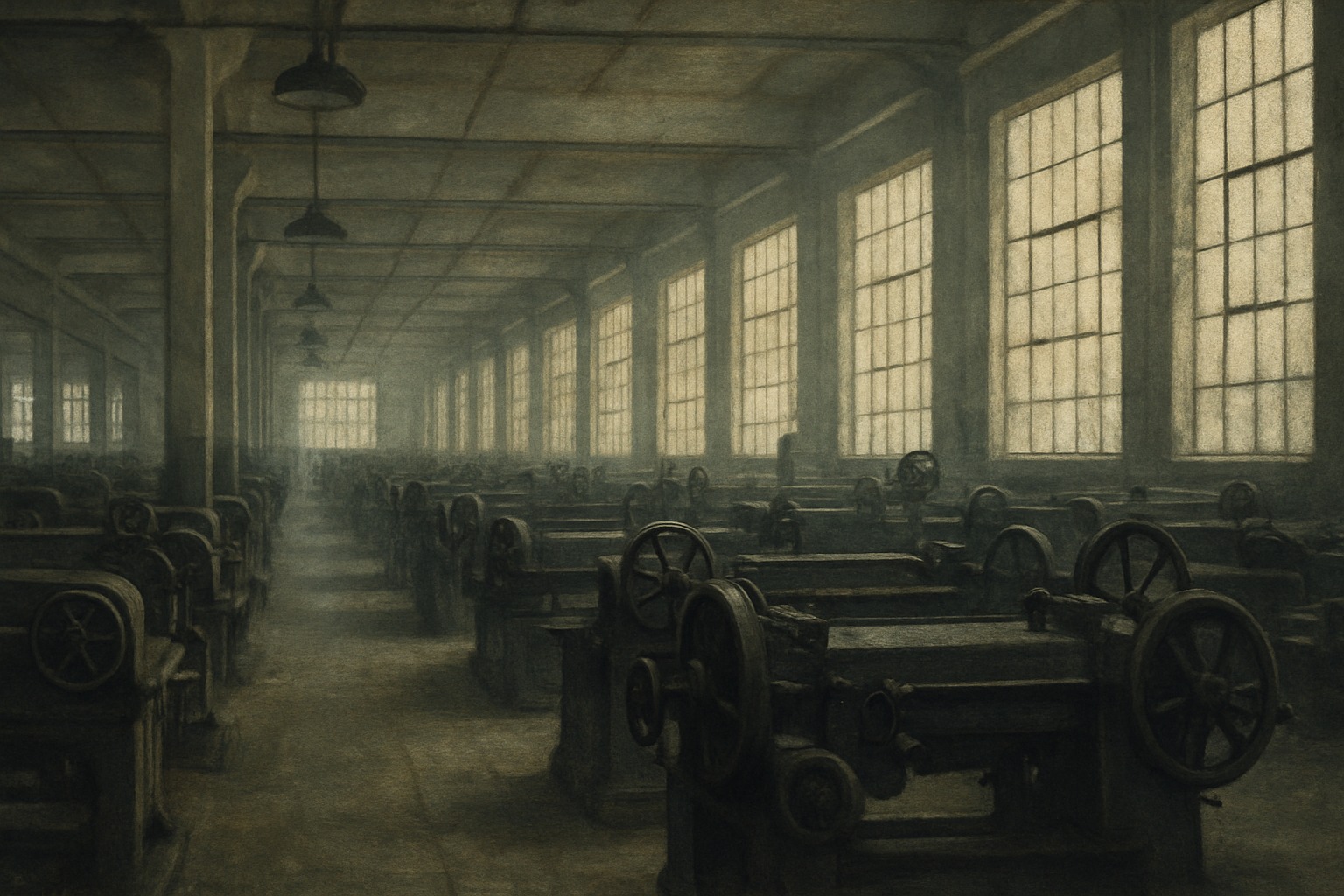
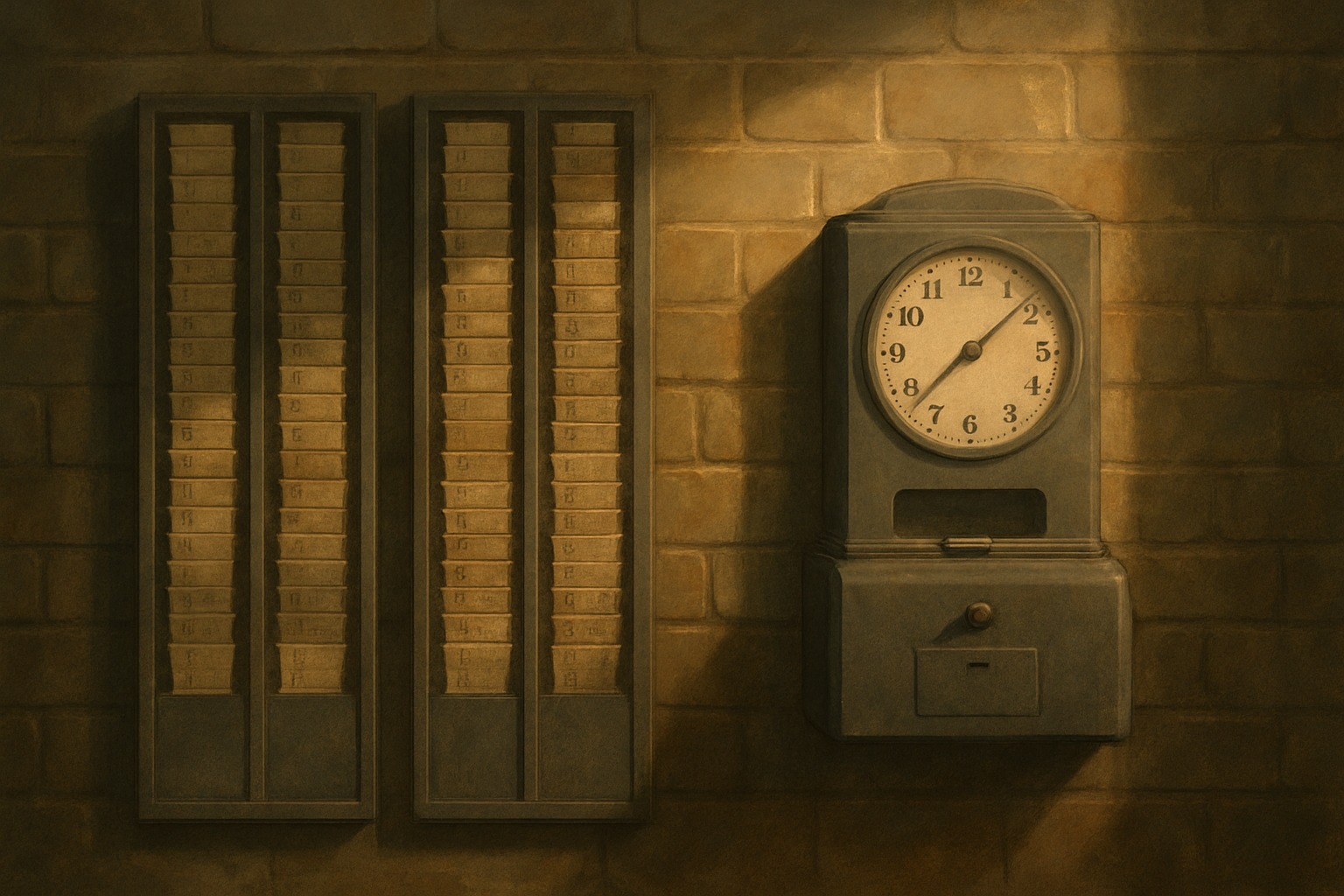
The labor movement was born of the conditions it fought. These entries set the scene - the industrial economy whose long hours, low wages, and dangerous factories made organized labor both necessary and inevitable.
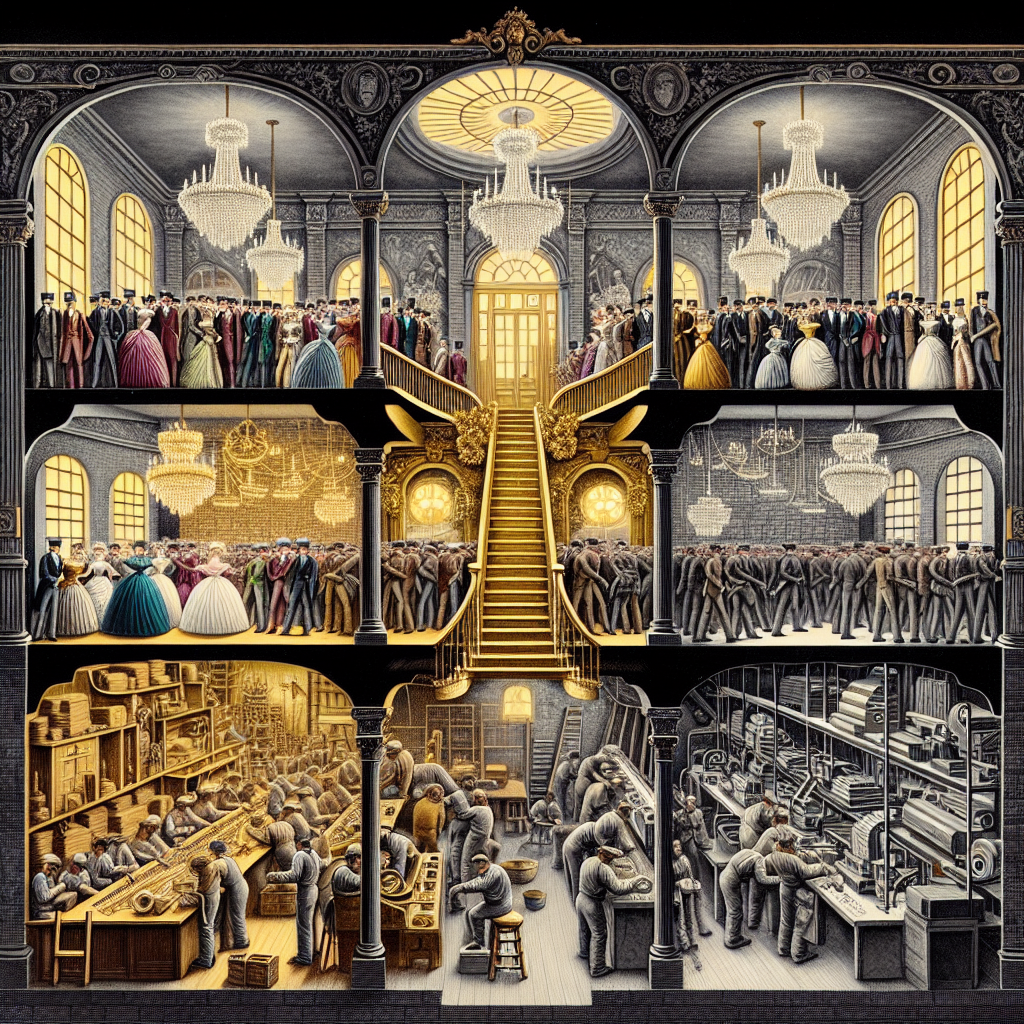
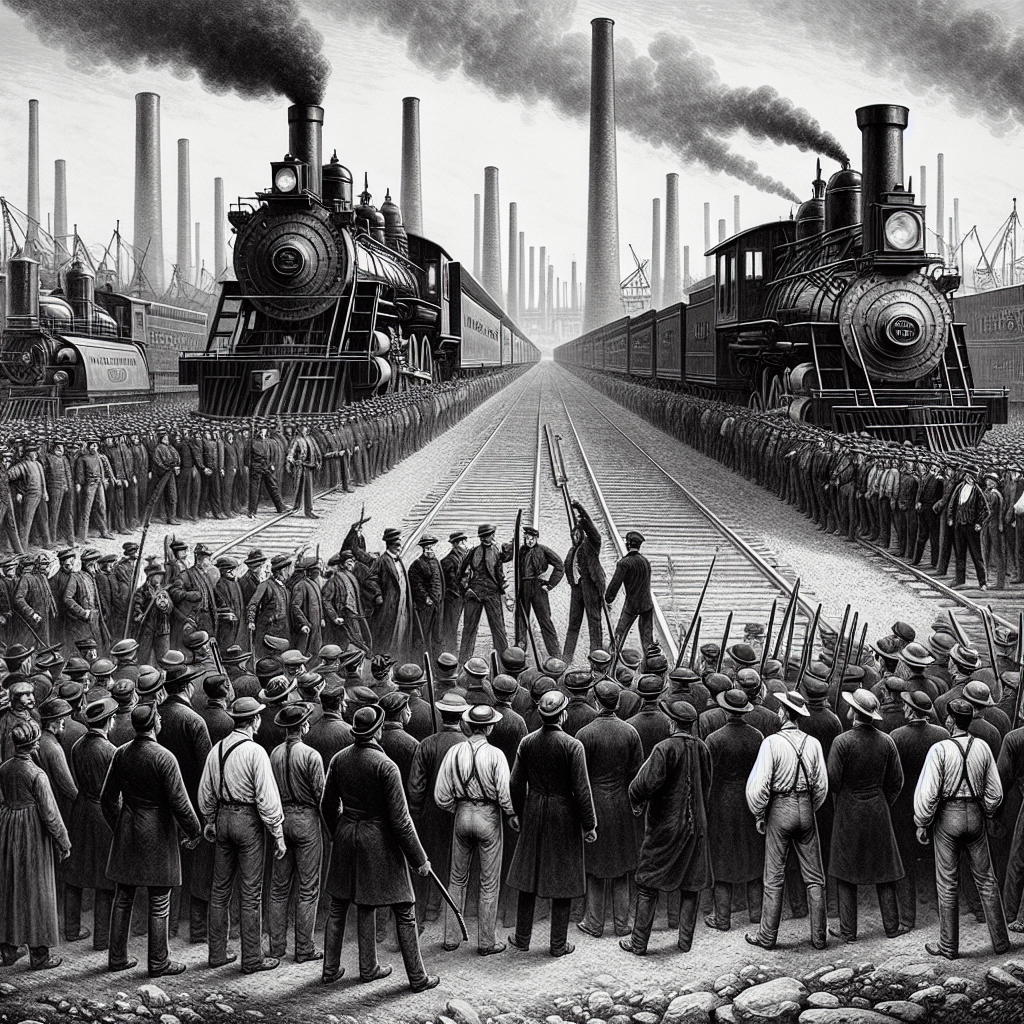
The conflict between labor and capital often turned violent. These were the great strikes and clashes - the upheavals that pitted workers against owners, and sometimes against the army, in struggles that shaped public opinion for a generation.
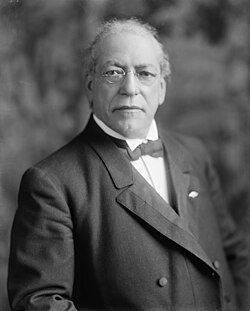
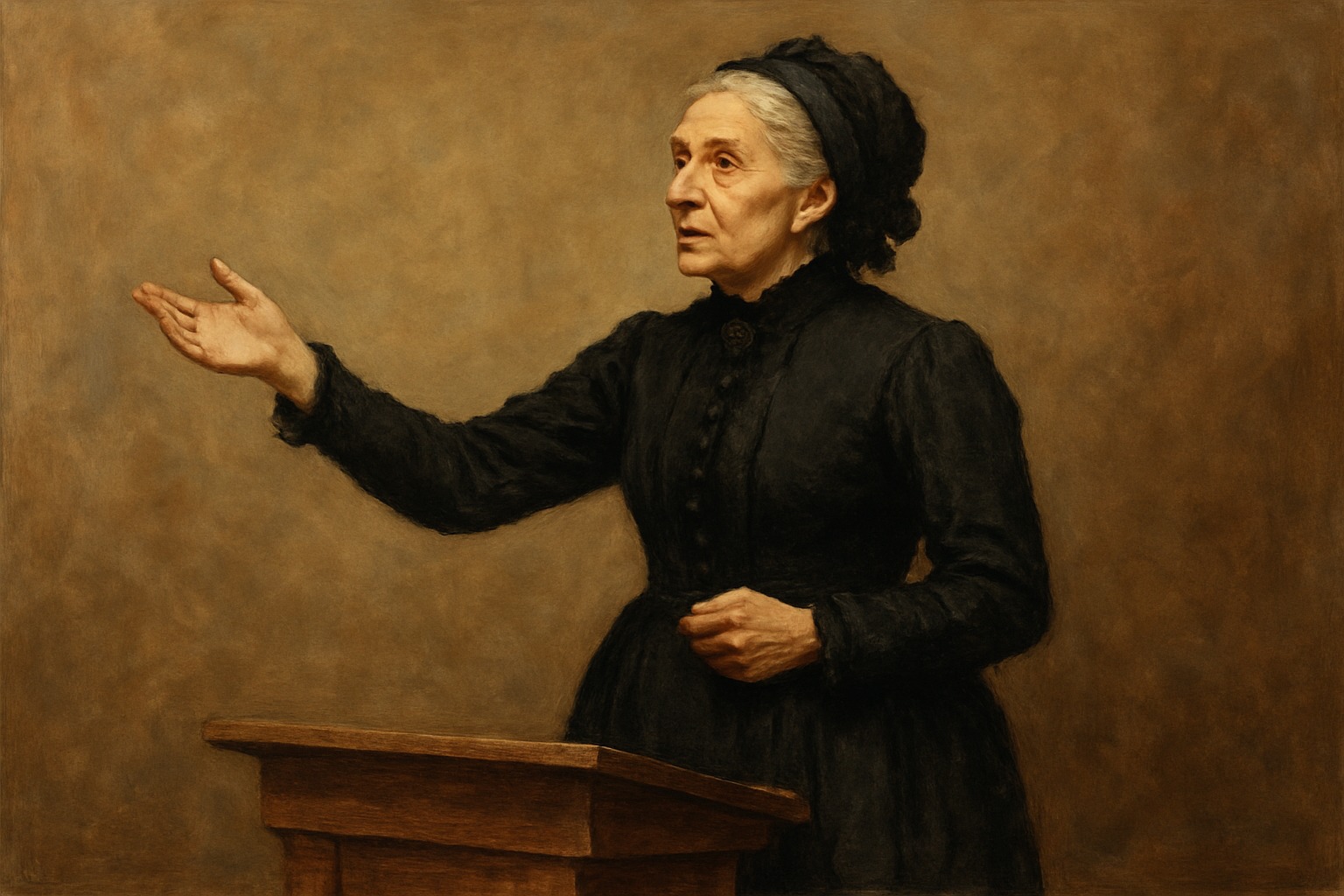
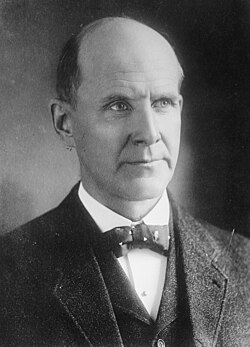
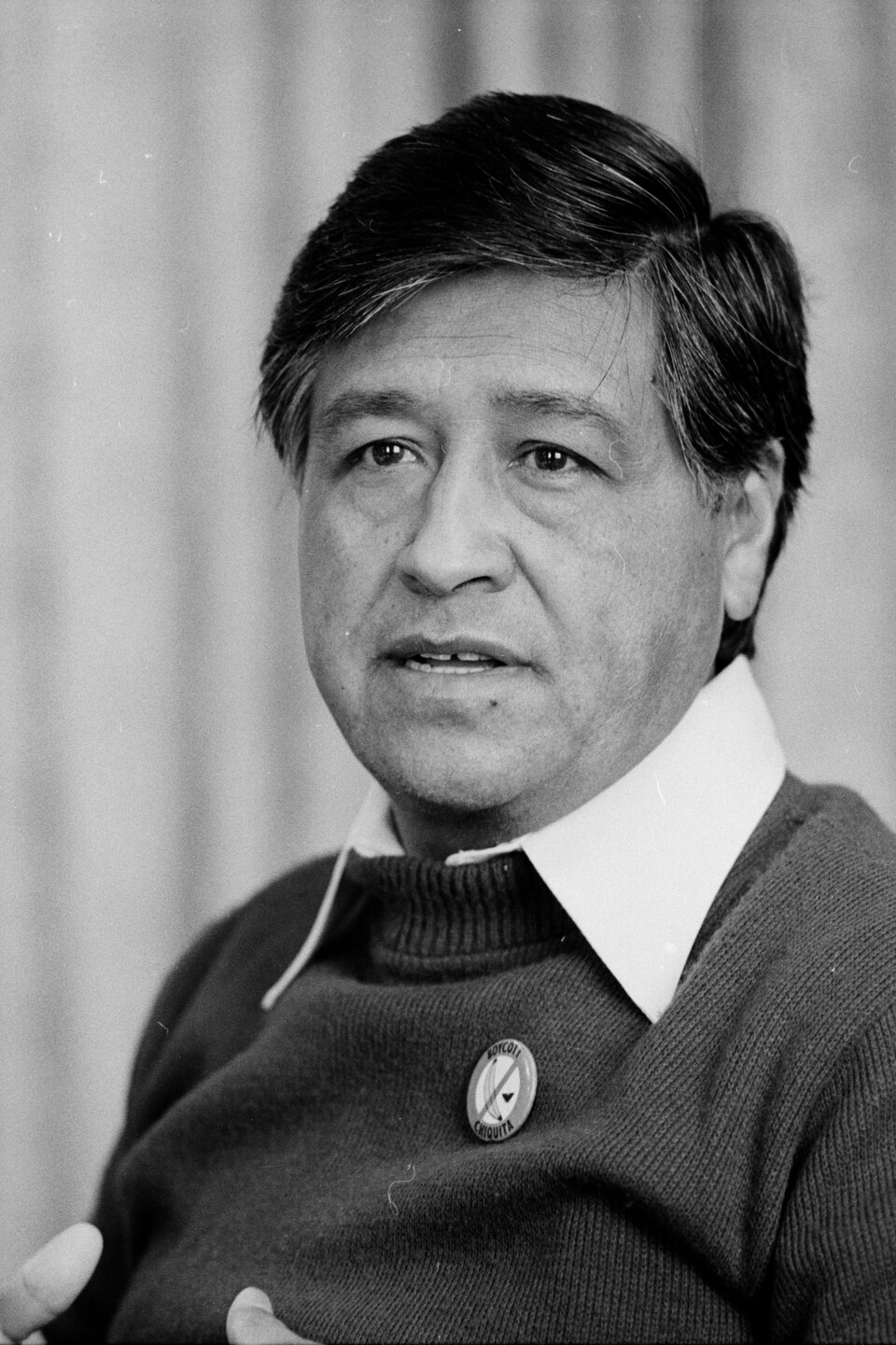
Movements need organizers. These are the figures who built the unions, led the strikes, and gave American labor its voice - the agitators and leaders who turned scattered grievance into organized power.
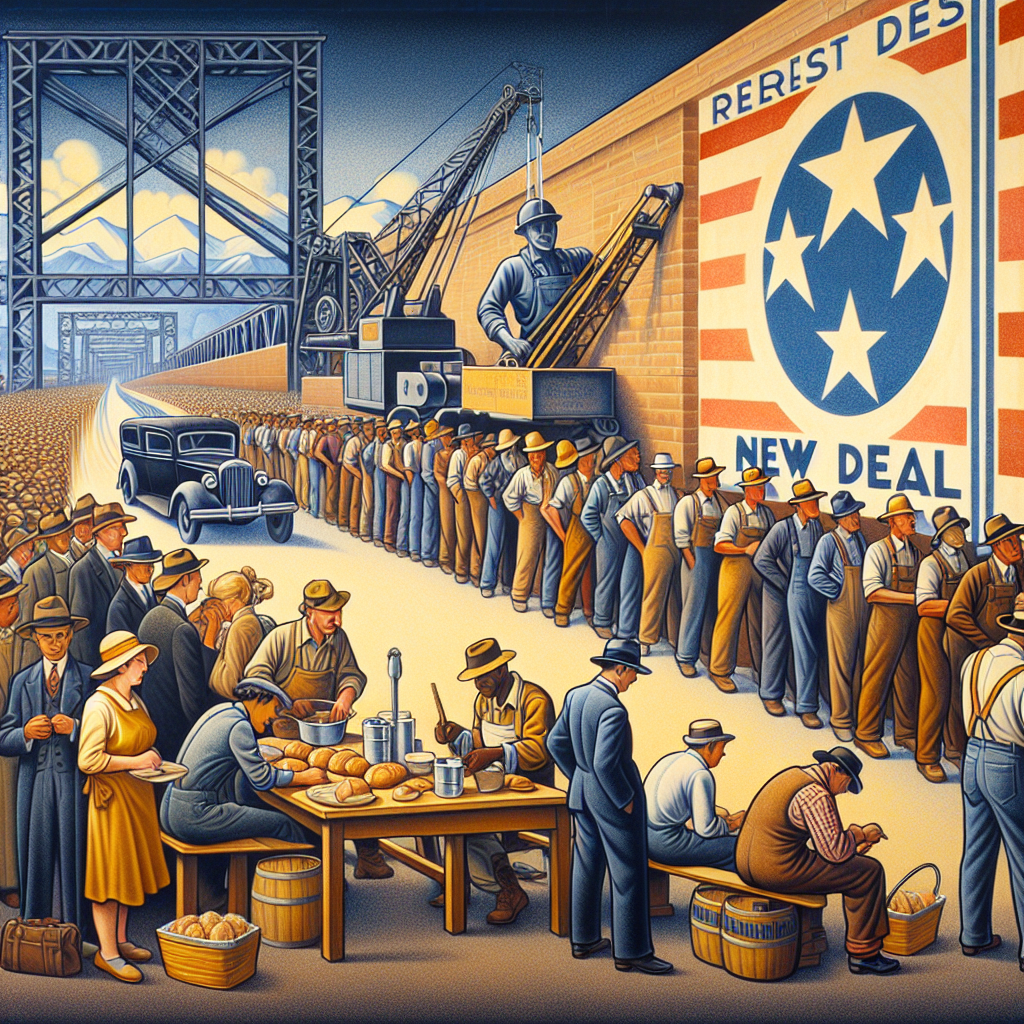
Labor's hardest-won victories were written into law. These acts guaranteed the right to organize and set the basic terms - wages, hours, conditions - that workers had fought for over decades.
Labor's story runs alongside the immigrants who filled the factories and the broader sweep of American history the industrial age transformed.