Benjamin Harrison
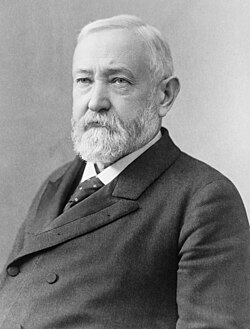
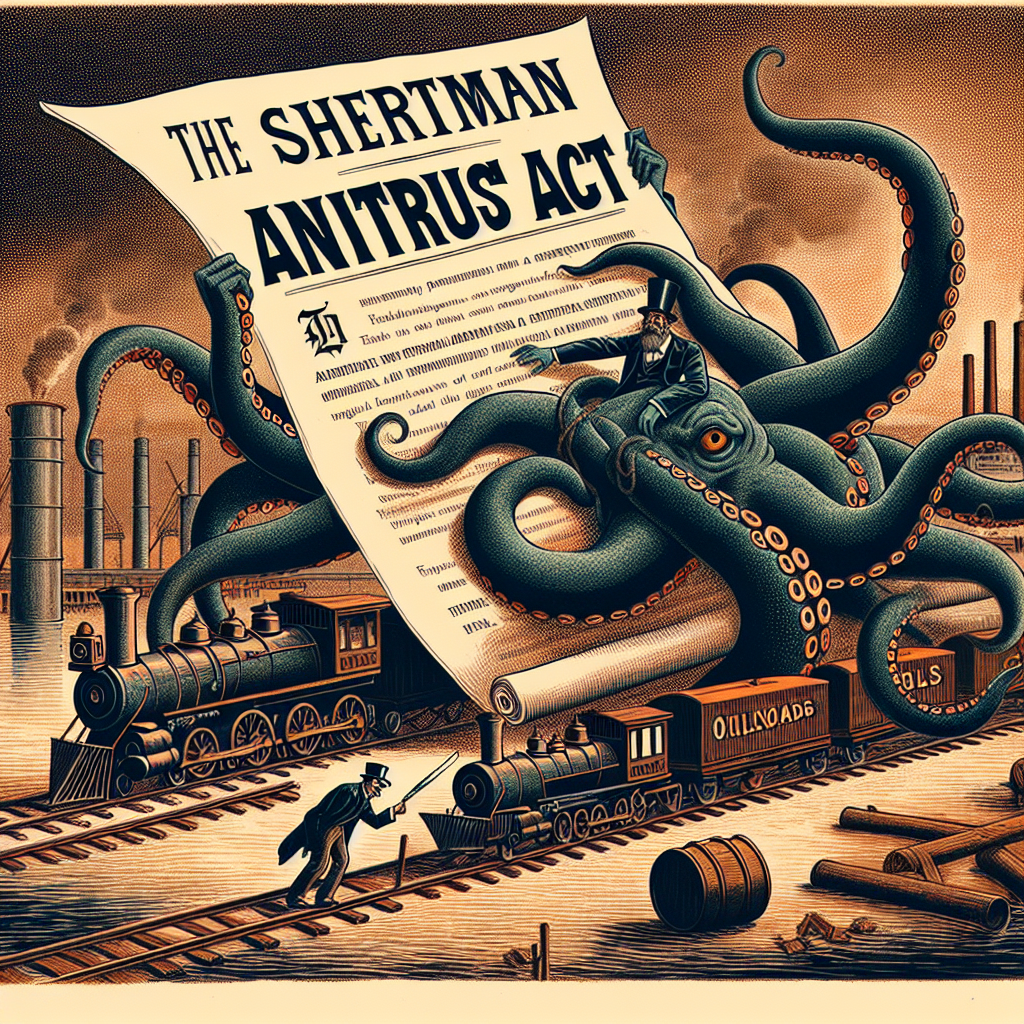
Benjamin Harrison arrived at the White House having lost the popular vote to the man he defeated — Grover Cleveland — and left it four years later to lose to that same man in a rematch. Sandwiched between Cleveland's two terms, Harrison's presidency is easy to overlook. It shouldn't be: during his single term, six states entered the Union, the Sherman Antitrust Act became law, and federal expenditures crossed $1 billion for the first time in American history.
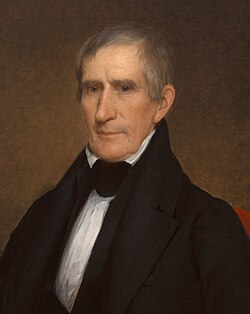
The grandson of President William Henry Harrison, Benjamin brought the family name into the Gilded Age with a rigorously honest, if politically tone-deaf, administration. He resisted the patronage machinery that defined his era and pushed through the McKinley Tariff, protecting American industry at the cost of consumer prices that alienated voters. The backlash handed Cleveland the 1892 rematch decisively, making Harrison one of only five presidents to win the electoral college while losing the popular vote.
Harrison's foreign policy was more ambitious than his domestic legacy suggests. He pressed for Hawaiian annexation — later reversed by Cleveland — modernized the U.S. Navy, and hosted the first Pan-American Conference, laying groundwork for inter-American diplomacy that persisted through the 20th century. His instincts were internationalist in an era that wasn't ready for them.
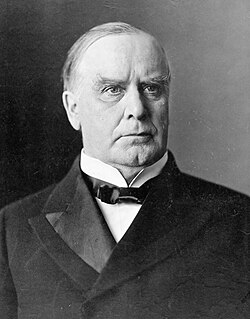
| Born | August 20, 1833 — North Bend, Ohio |
| Died | March 13, 1901 — Indianapolis, Indiana |
| Party | Republican |
| Term | March 4, 1889 – March 4, 1893 |
| Preceded by | Grover Cleveland |
| Succeeded by | Grover Cleveland |
| Grandfather | William Henry Harrison (9th President) |
| Years | 1833–1901 |
| Location | Indianapolis, Indiana |