Populism
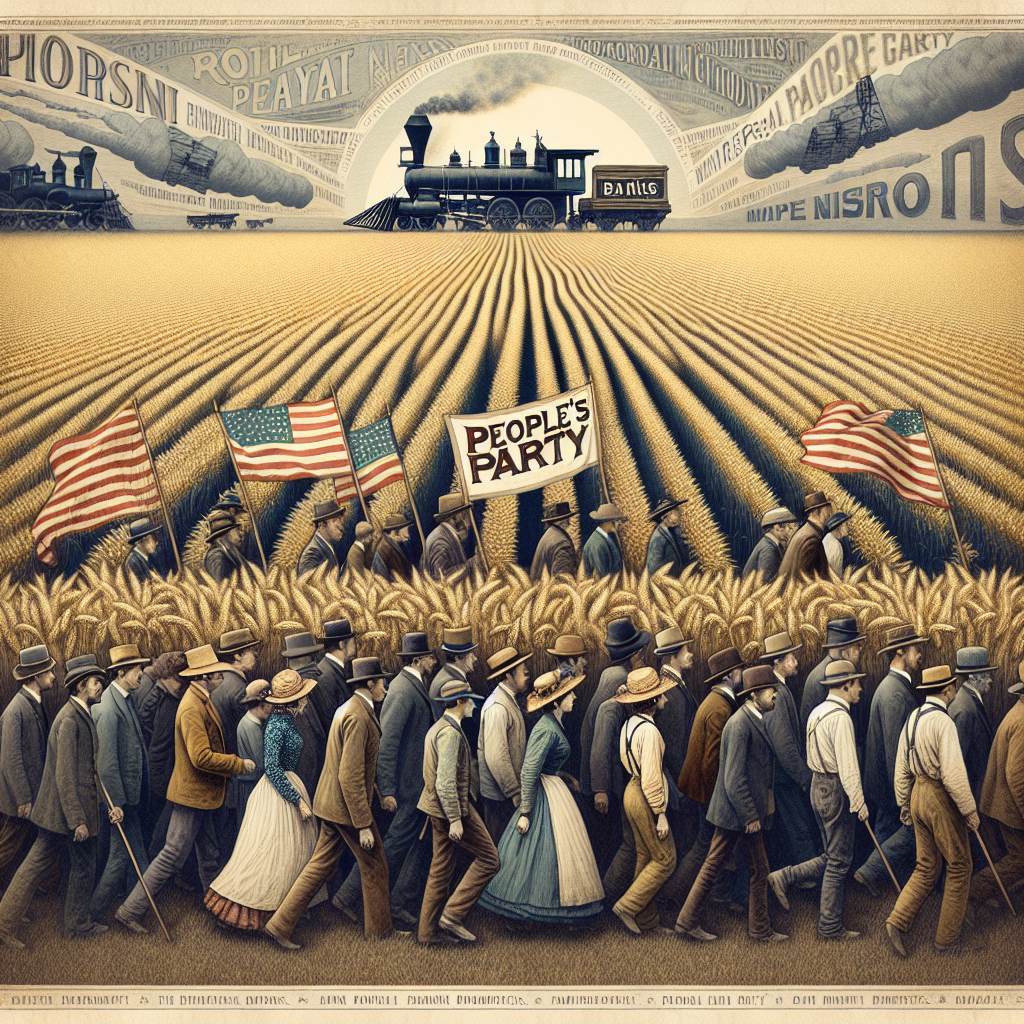
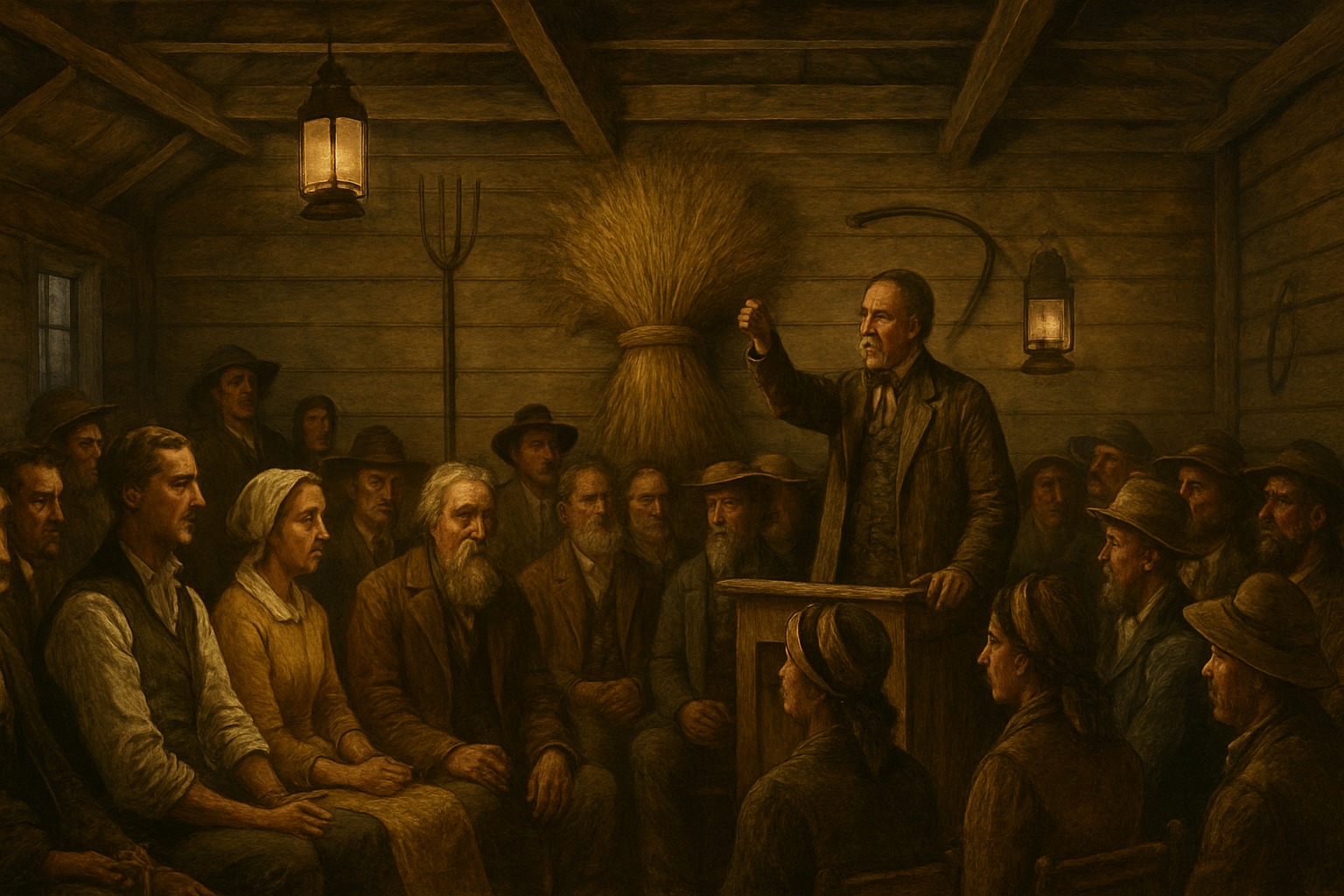
American populism emerged from the farms of the South and West in the 1880s, driven by a specific economic grievance: railroads charged what they chose to ship agricultural goods, banks charged what they chose to lend money, and farmers had no power over either. The Farmers' Alliance — which grew into the People's Party — organized millions of rural Americans around a program of railroad regulation, a graduated income tax, direct election of senators, and government-controlled credit. The agenda was radical for its time; most of it eventually became law, absorbed into the mainstream that had first dismissed it as dangerous.
The Populist movement's high-water mark was the 1896 presidential campaign of William Jennings Bryan, who fused Populist and Democratic support behind a platform of silver coinage — inflationary monetary policy designed to relieve debtor farmers crushed by deflation and falling crop prices. Bryan's "Cross of Gold" speech remains one of the greatest pieces of American political oratory. He lost to William McKinley, backed by corporate money and the growing industrial working class that feared inflation, in an election that effectively ended the People's Party as an independent force but set the template for progressive reform politics in the 20th century.
The movement's racial politics were its most significant failure. Populist leaders like Tom Watson of Georgia initially called for Black and white farmers to unite against corporate power, arguing that economic exploitation crossed racial lines. When that coalition proved politically vulnerable to white supremacist pressure, Watson and others abandoned it — and Watson himself became a virulent racist and anti-Semite. The road from Populist solidarity to Jim Crow demagoguery was short in the American South, and the movement traveled it. The economic analysis outlasted the coalition that had produced it.

| Active Period | 1880s–1900 |
| Key Party | People's Party (Populists), founded 1891 |
| Key Figures | William Jennings Bryan, Mary Elizabeth Lease, Tom Watson |
| Platform | Railroad regulation, graduated income tax, direct Senate elections |
| 1896 Election | Bryan lost to McKinley; effective end of People's Party |
| Legacy | Most platform planks enacted in Progressive Era and New Deal |
| Years | 1880–1900 |
| Location | United States |