Reconstruction: America After the Civil War
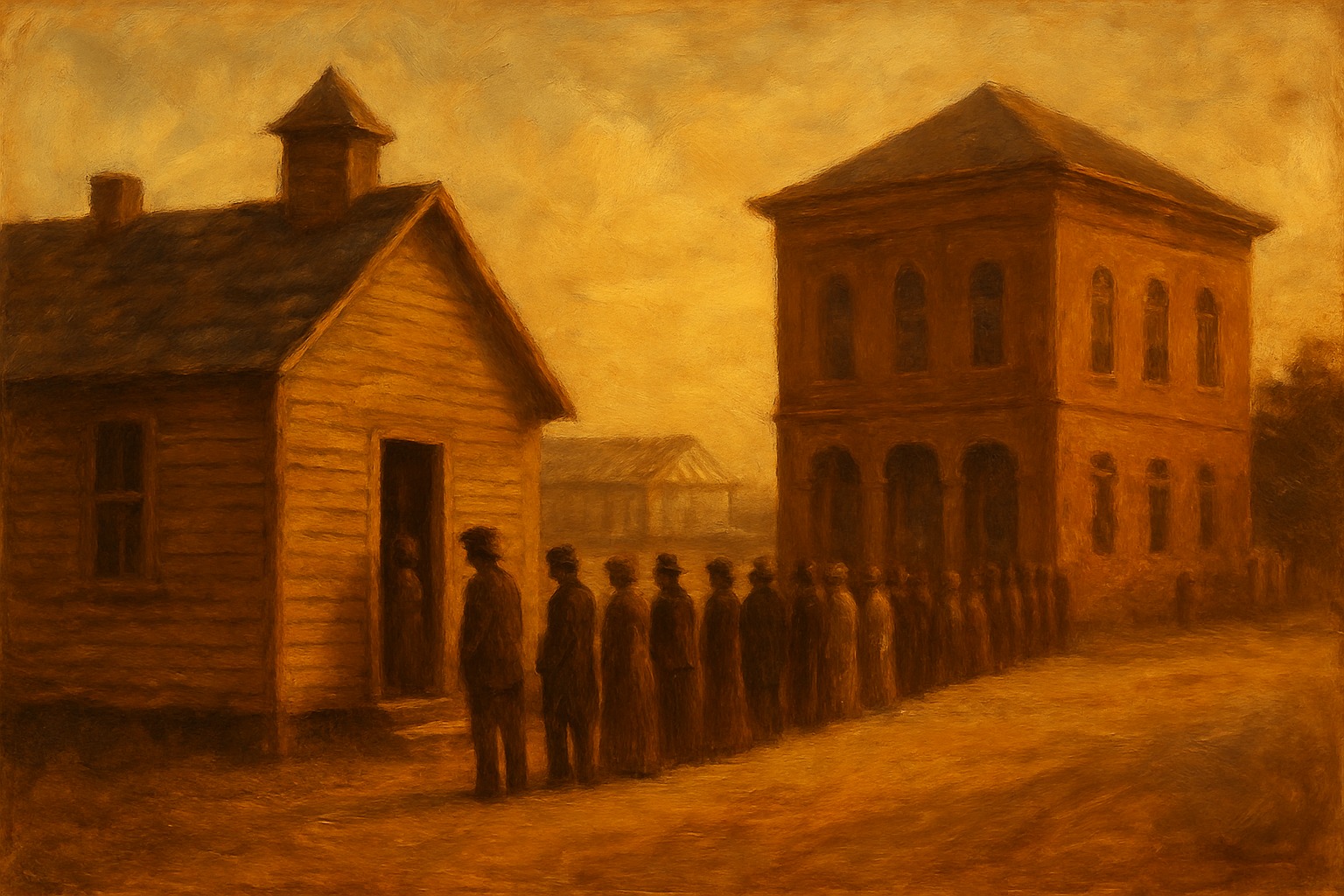
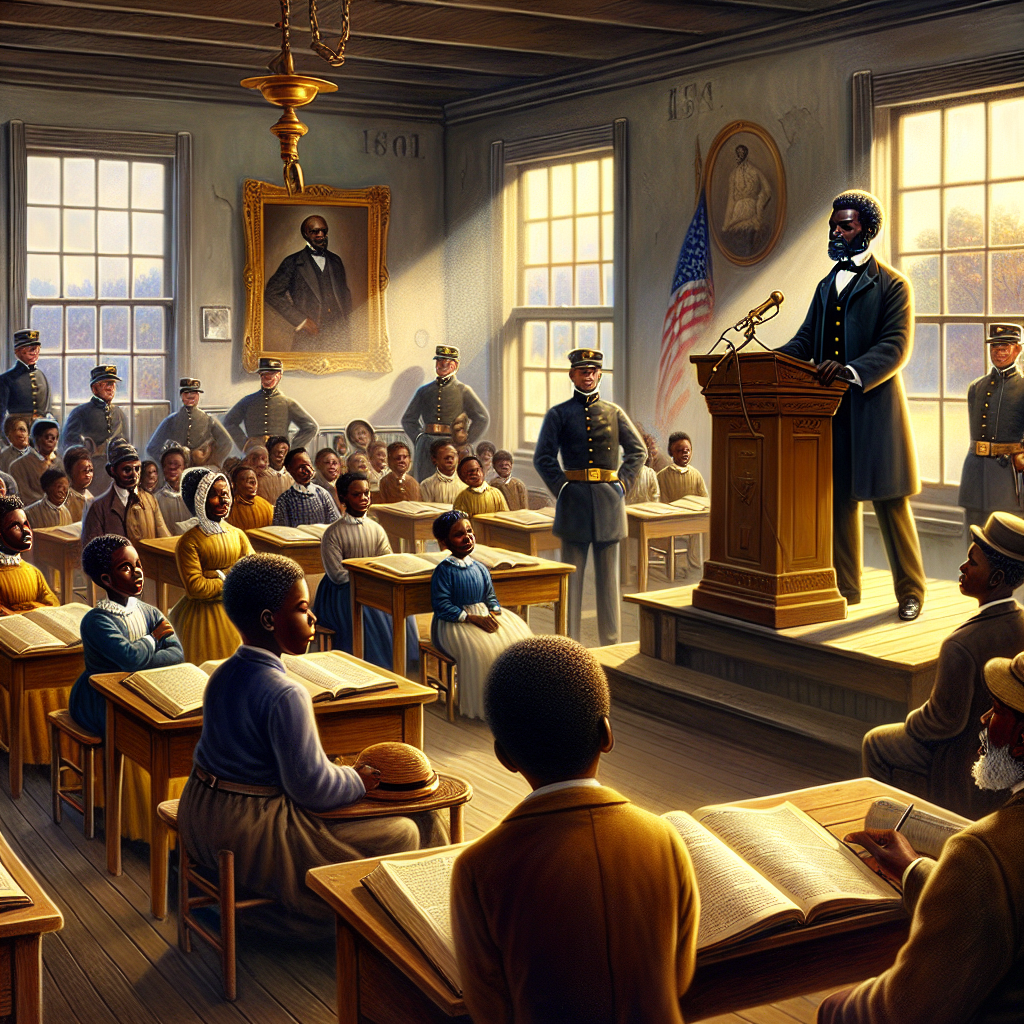
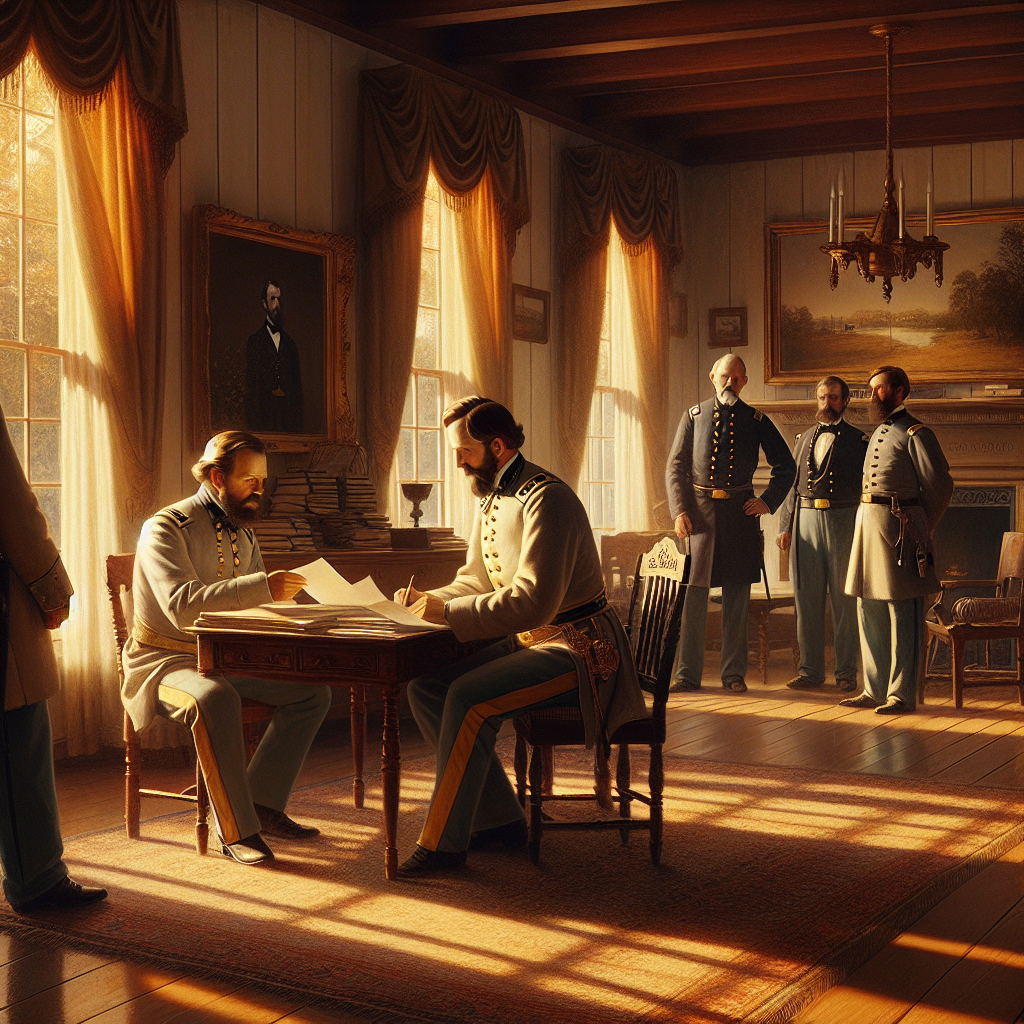
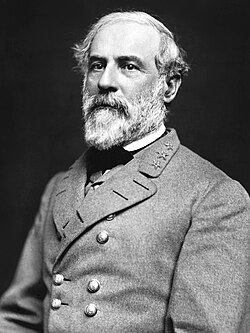
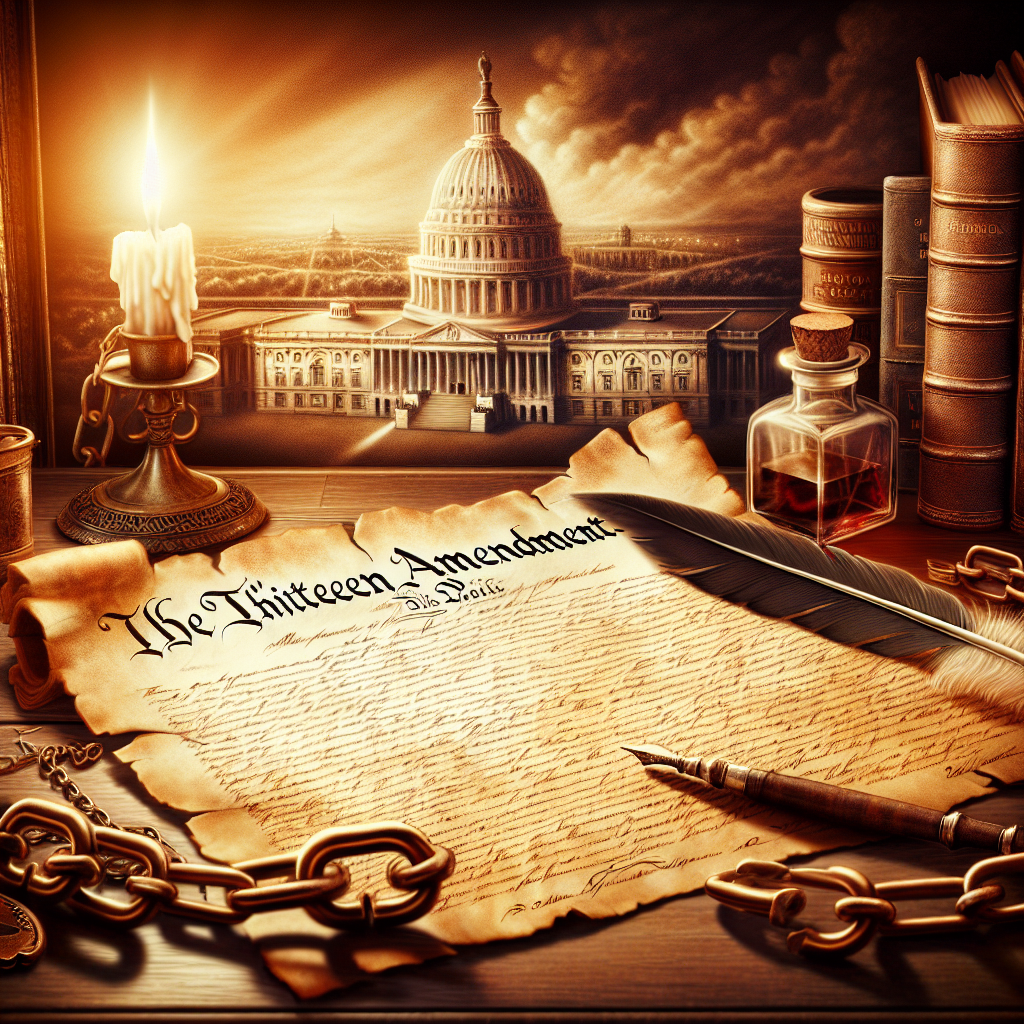
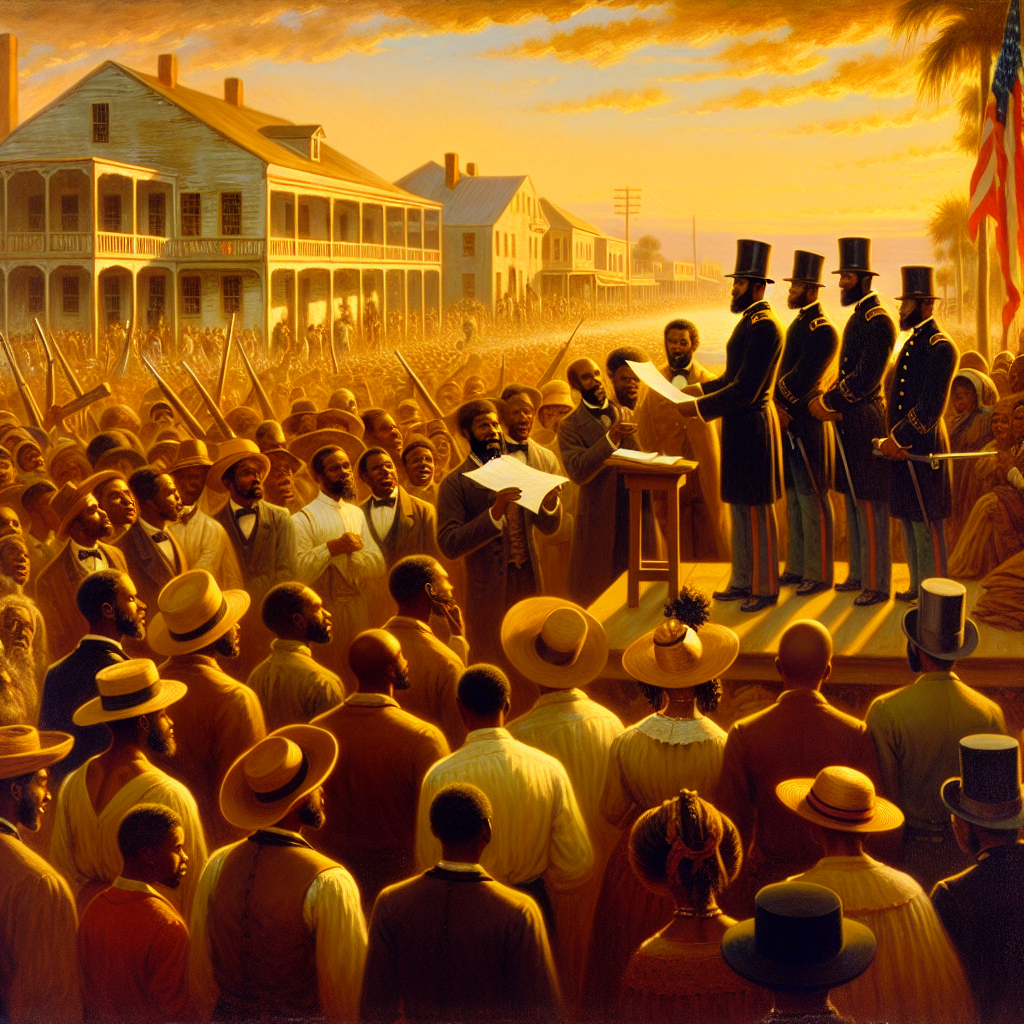
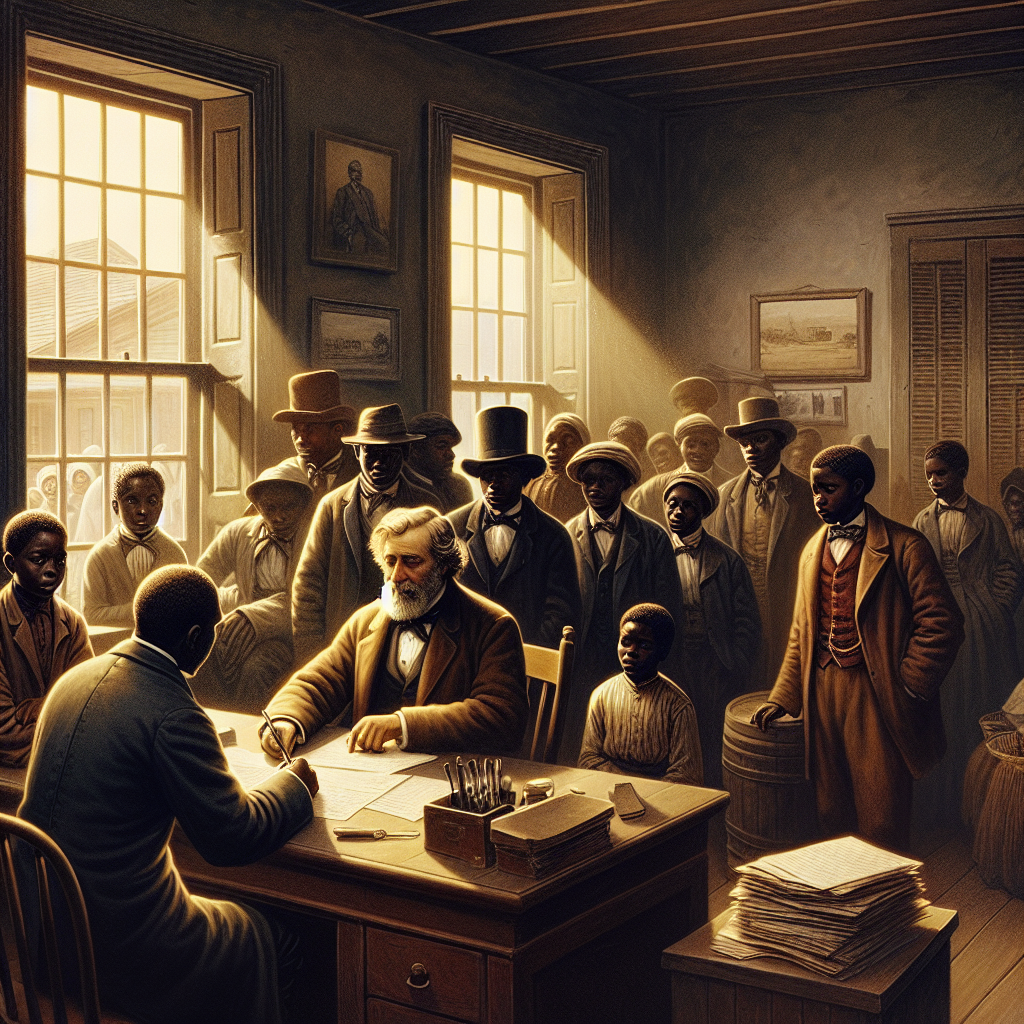
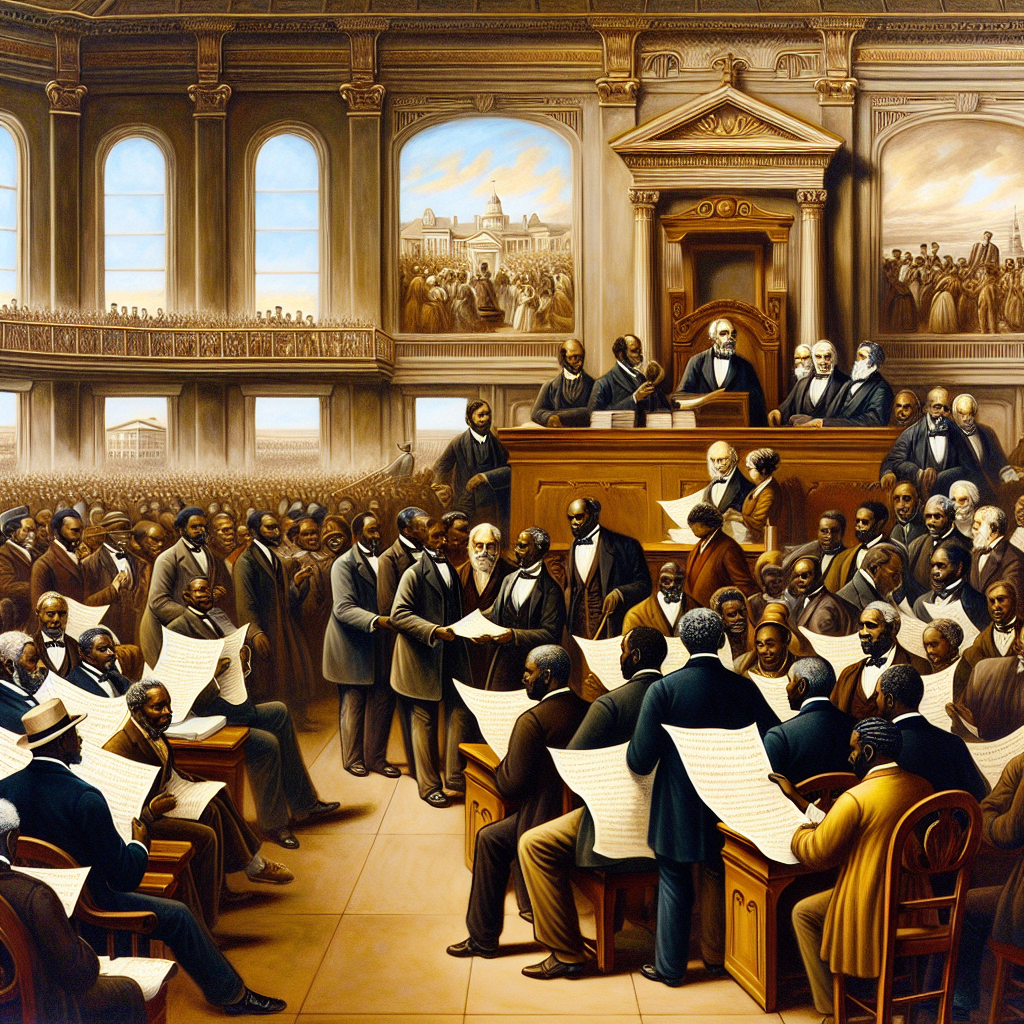
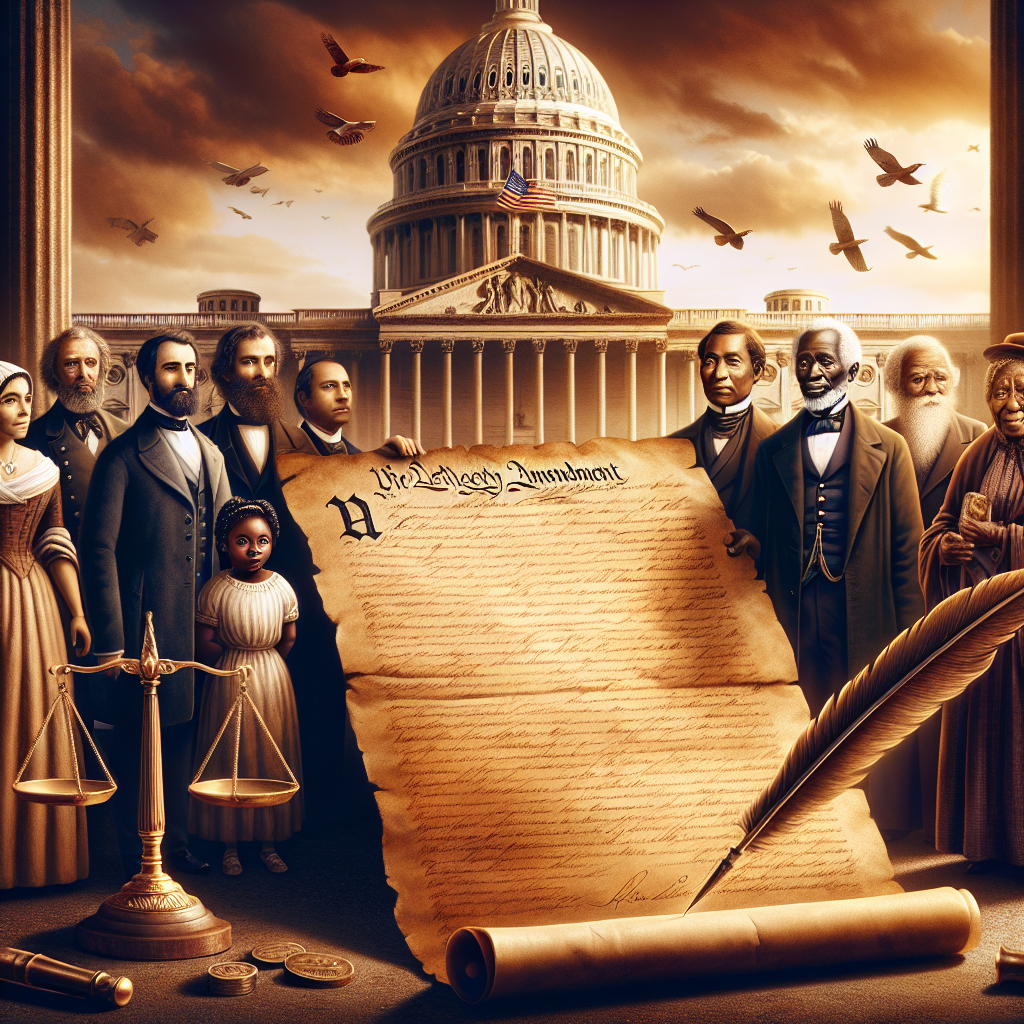
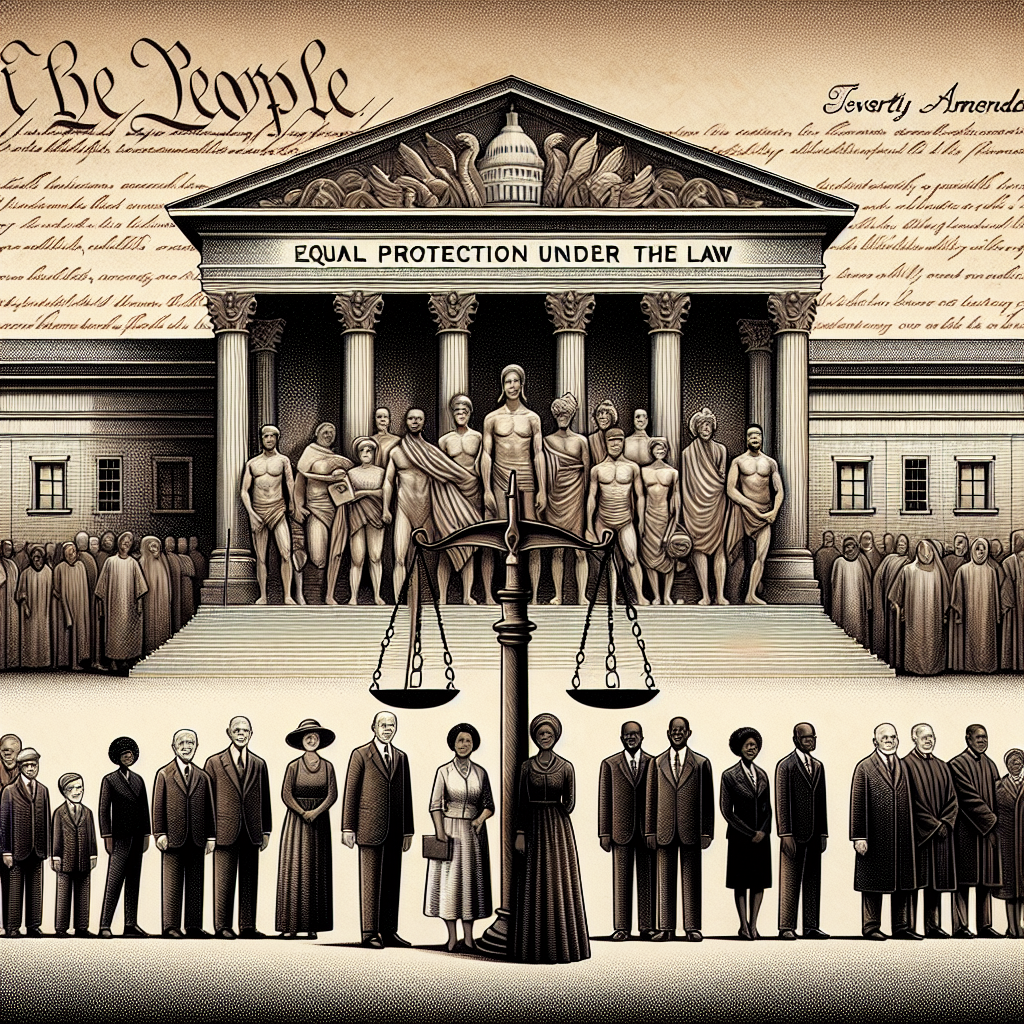
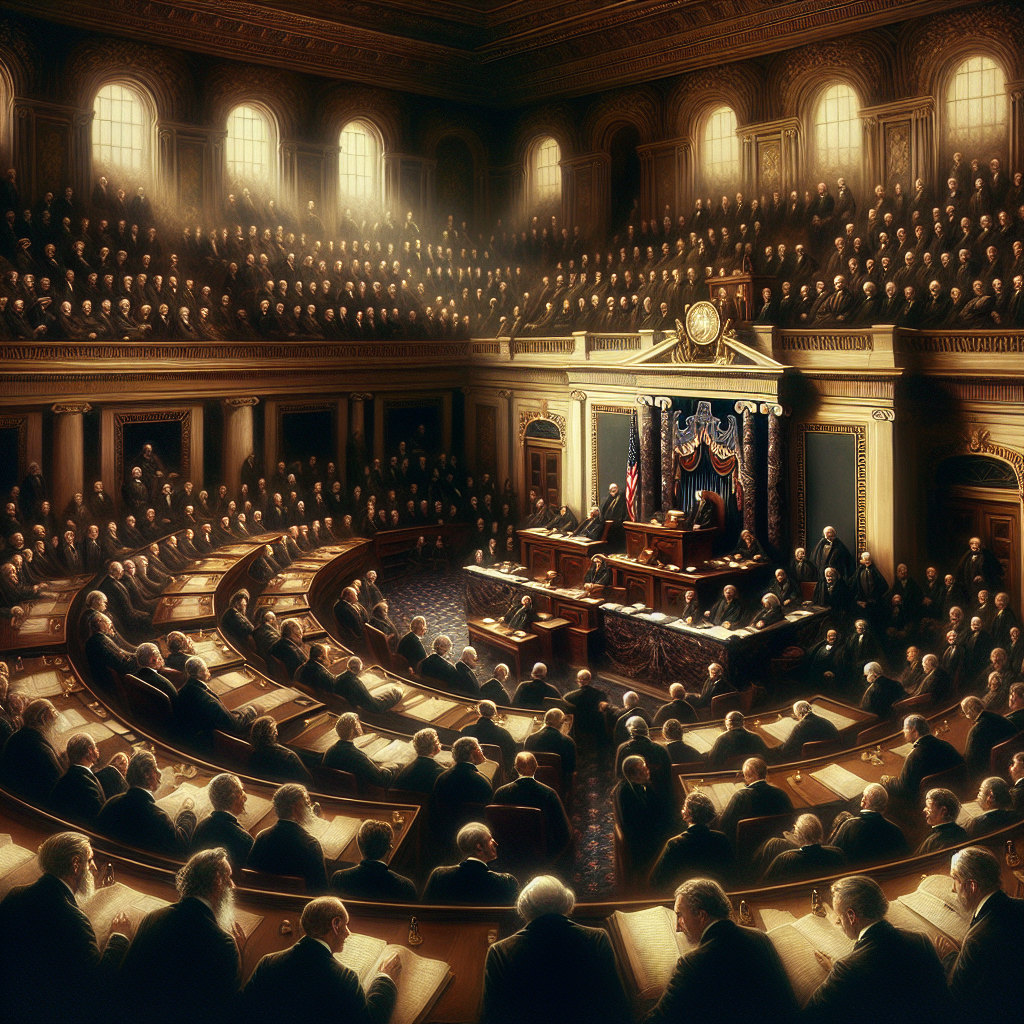
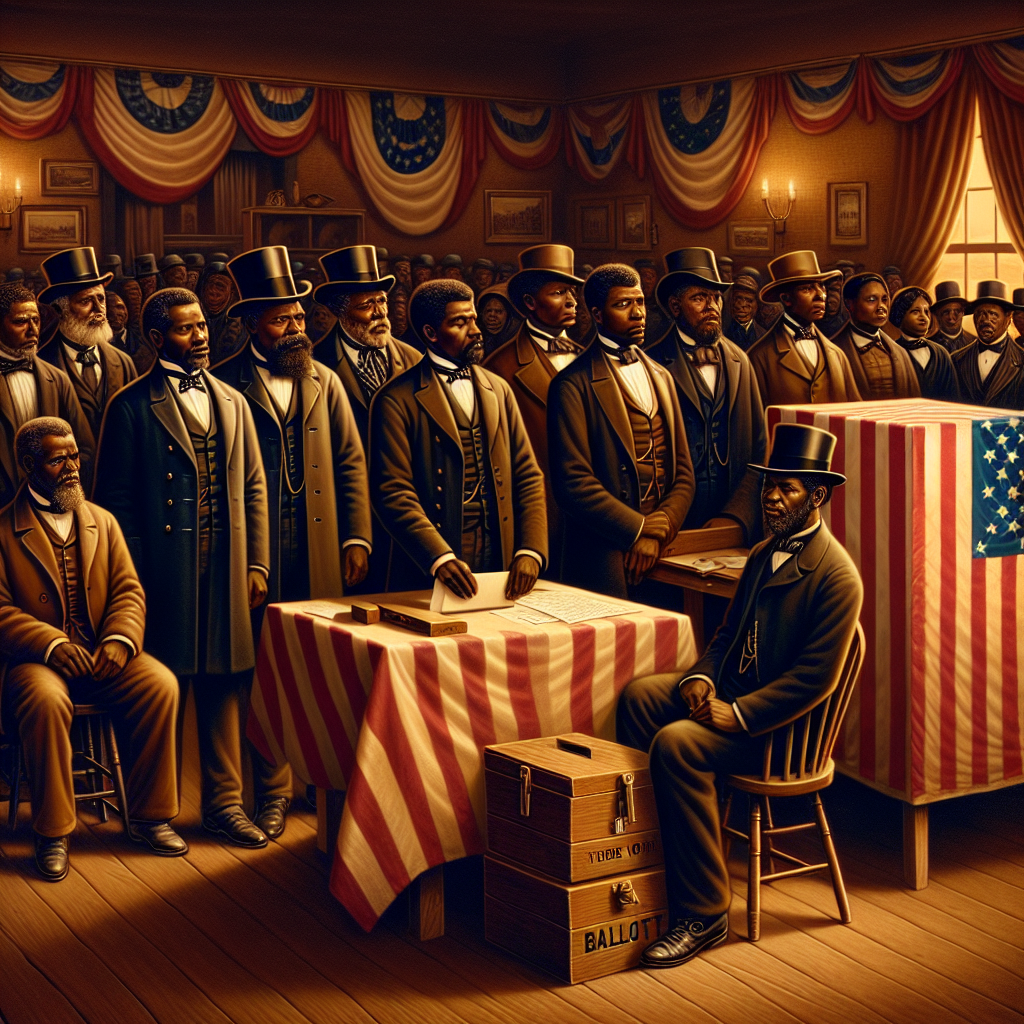
When Robert E. Lee surrendered at Appomattox Court House in April 1865, the shooting stopped but the harder question was only beginning. On what terms would eleven Confederate states rejoin the Union, and what would freedom actually mean for the four million people who had just been emancipated? The answer was worked out over the next twelve years — in Congress, in Southern statehouses, in Freedmen's Bureau schoolrooms, and at polling places that Black men had never been permitted to approach. It produced the deepest constitutional revision since the founding. Three amendments abolished slavery, wrote birthright citizenship and equal protection into the nation's charter, and forbade the states from denying the vote on account of race. Black voters turned out by the hundreds of thousands, sent men to state legislatures, and elected the first Black members of Congress.
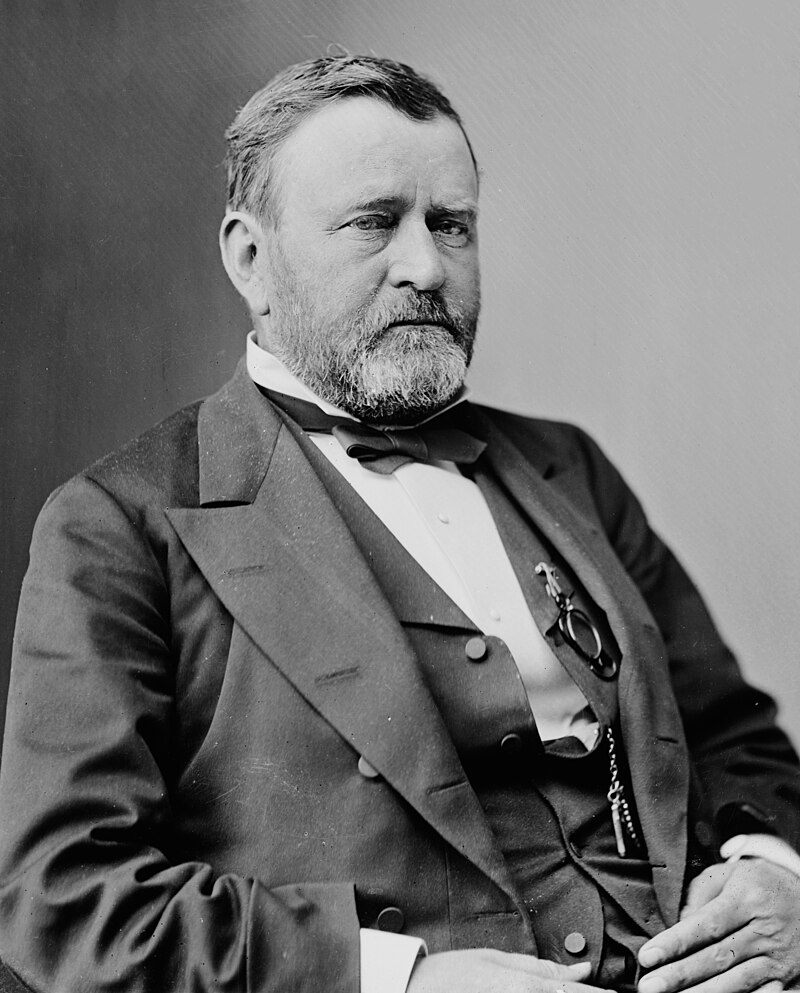
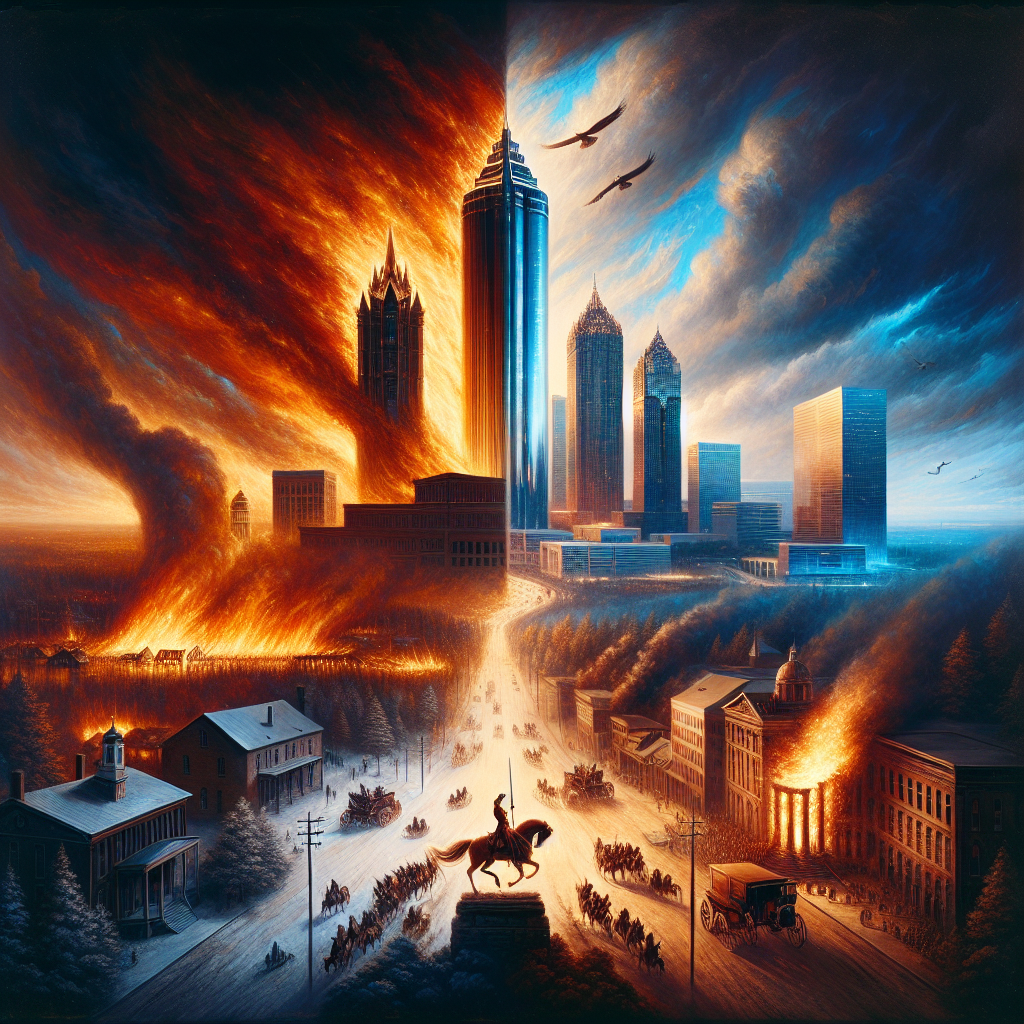
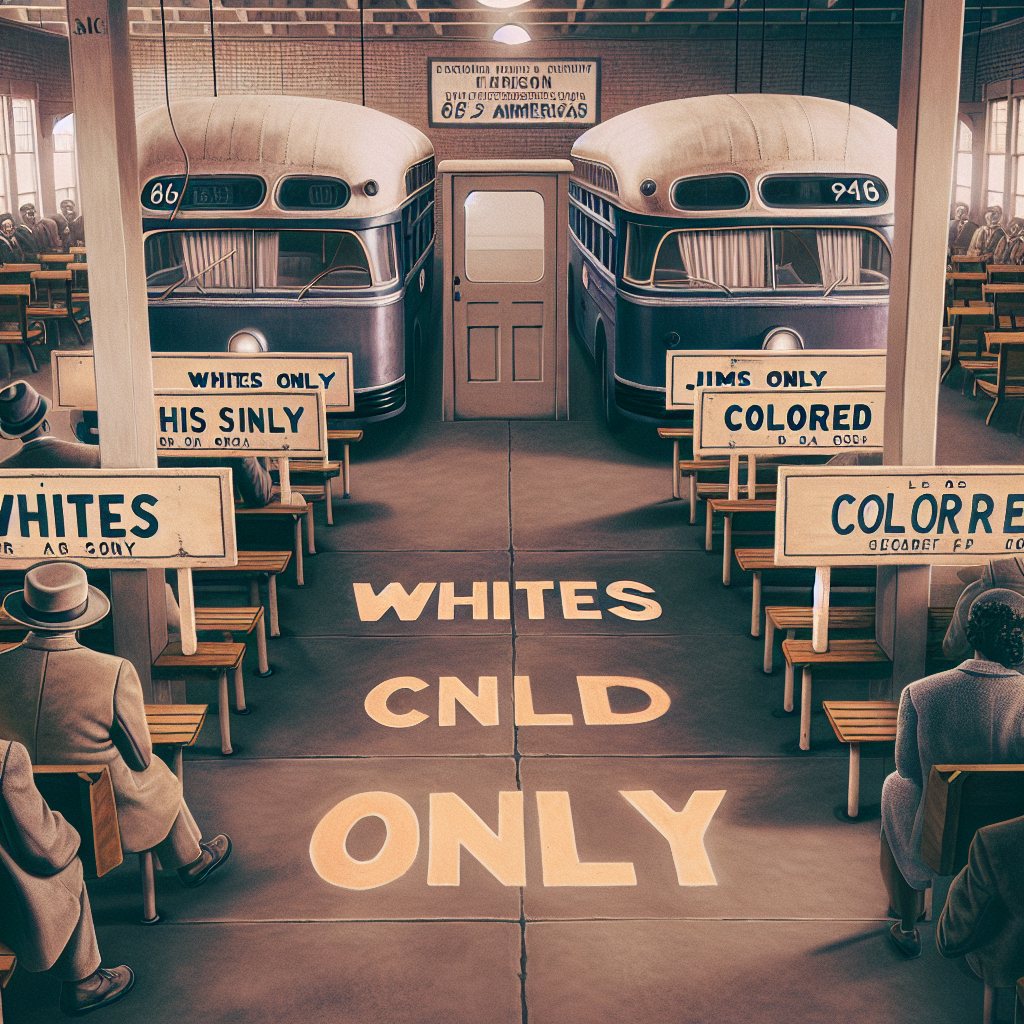
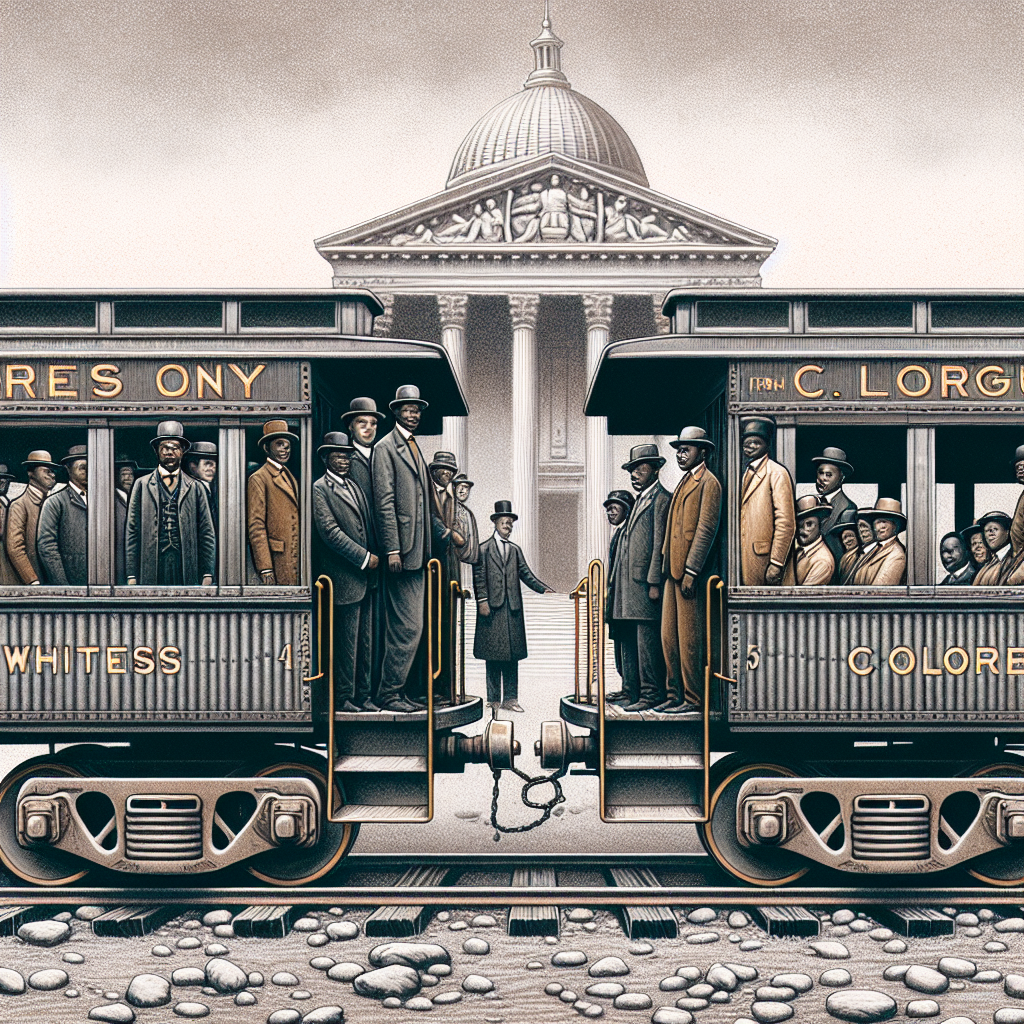
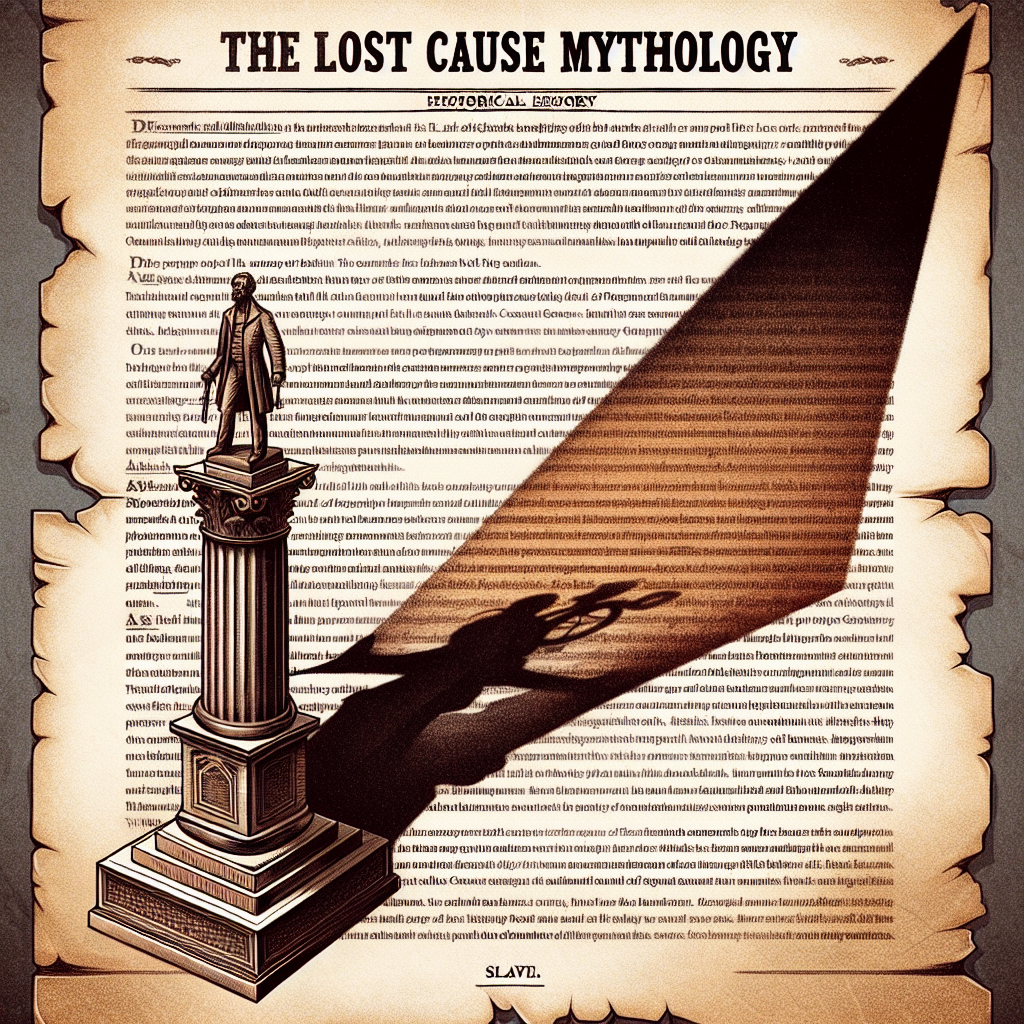
Reconstruction still failed — not because its ideas were unworkable, but because the will to enforce them ran out. Federal garrisons thinned, white paramilitary violence went unpunished, the Supreme Court narrowed the new amendments case by case, and the disputed election of 1876 was settled by a bargain that traded the South's Black voters for the presidency. What replaced Reconstruction was Jim Crow, a system that held for another eighty years, and the Lost Cause, a story that taught generations of Americans to remember the era as an outrage rather than an opportunity. This guide follows the whole arc — emancipation, Radical Reconstruction, Redemption, and the long aftermath — because the amendments the era wrote outlived their own defeat, and the civil rights movement of the twentieth century won its victories with them.





Reconstruction begins where the fighting ends; for the war itself, see The Civil War: Causes, Battles, and Key Figures. For the constitutional machinery the era built and later generations finally enforced, see The Constitutional Amendments Explained.