Plessy v. Ferguson
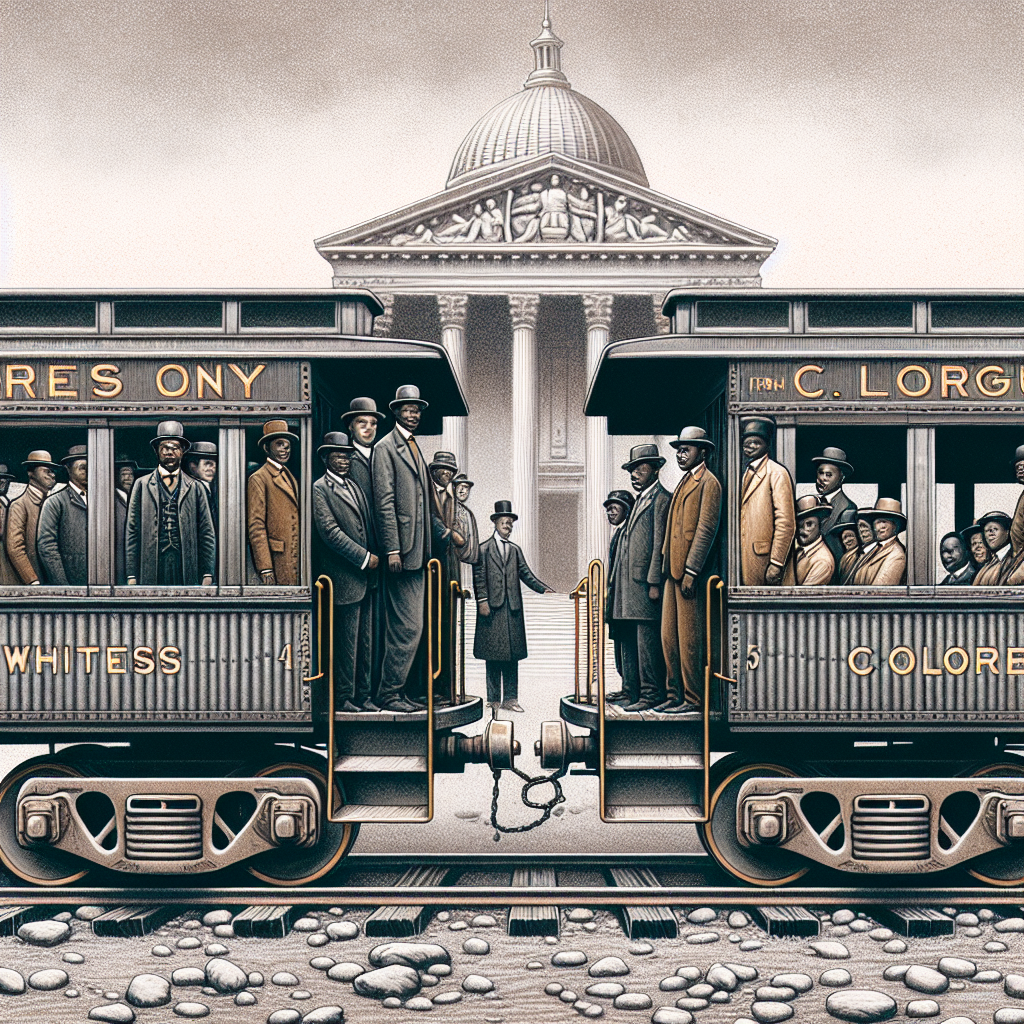
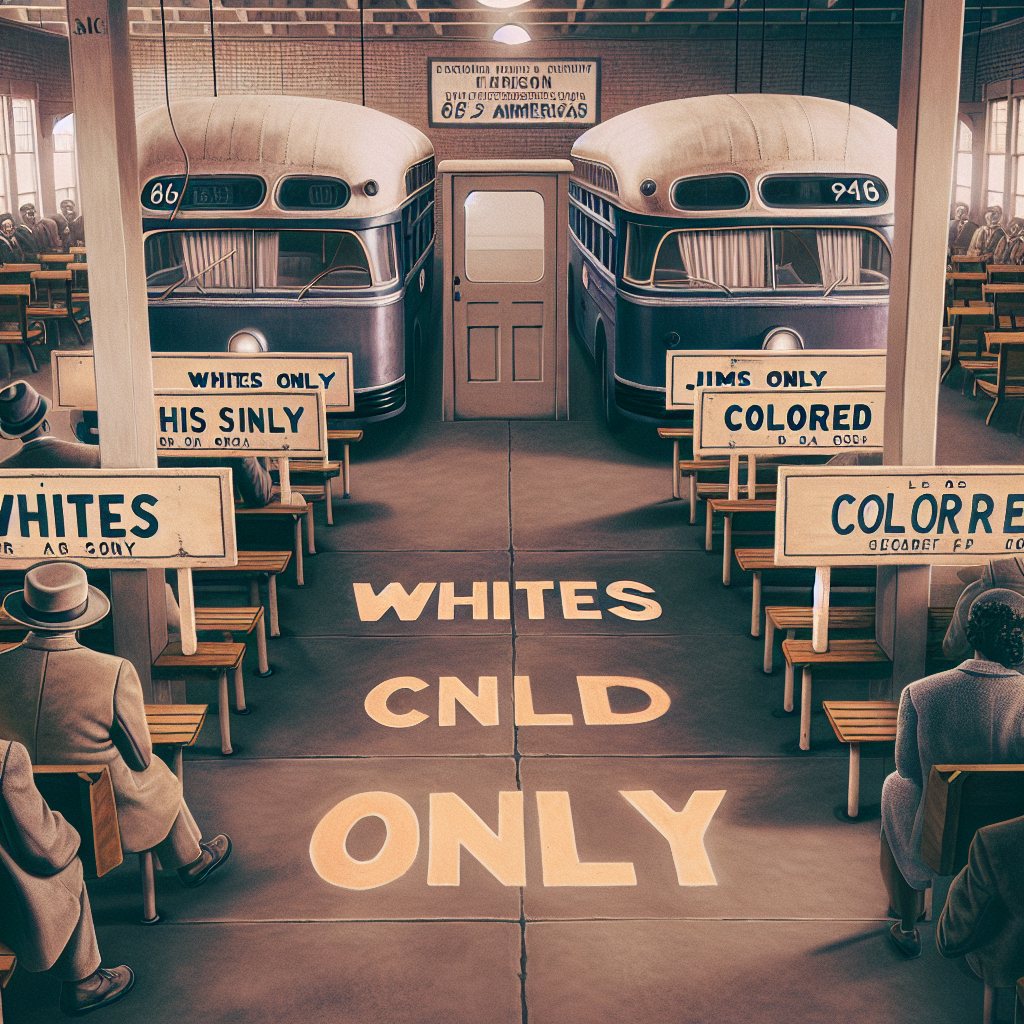
In 1892, Homer Plessy — a man classified as Black under Louisiana law despite being seven-eighths white — deliberately boarded a whites-only railroad car to get arrested. The test case was organized by a New Orleans civil rights committee specifically to challenge Louisiana's Separate Car Act. Four years later, the Supreme Court ruled 7–1 that segregated railroad cars did not violate the Fourteenth Amendment's equal protection clause, as long as the separate facilities were equal. They almost never were. Plessy v. Ferguson provided the constitutional scaffolding for American apartheid for the next 58 years.
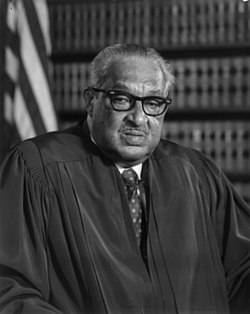
Justice Henry Billings Brown's majority opinion reasoned that the Fourteenth Amendment was never intended to abolish "distinctions based upon color" or enforce "social, as distinguished from political, equality." The sole dissent came from Justice John Marshall Harlan — a former slaveholder from Kentucky — who wrote that the Constitution "is color-blind, and neither knows nor tolerates classes among citizens." Harlan's dissent would become the foundation on which Thurgood Marshall built the legal argument that finally overturned the ruling in Brown v. Board of Education.
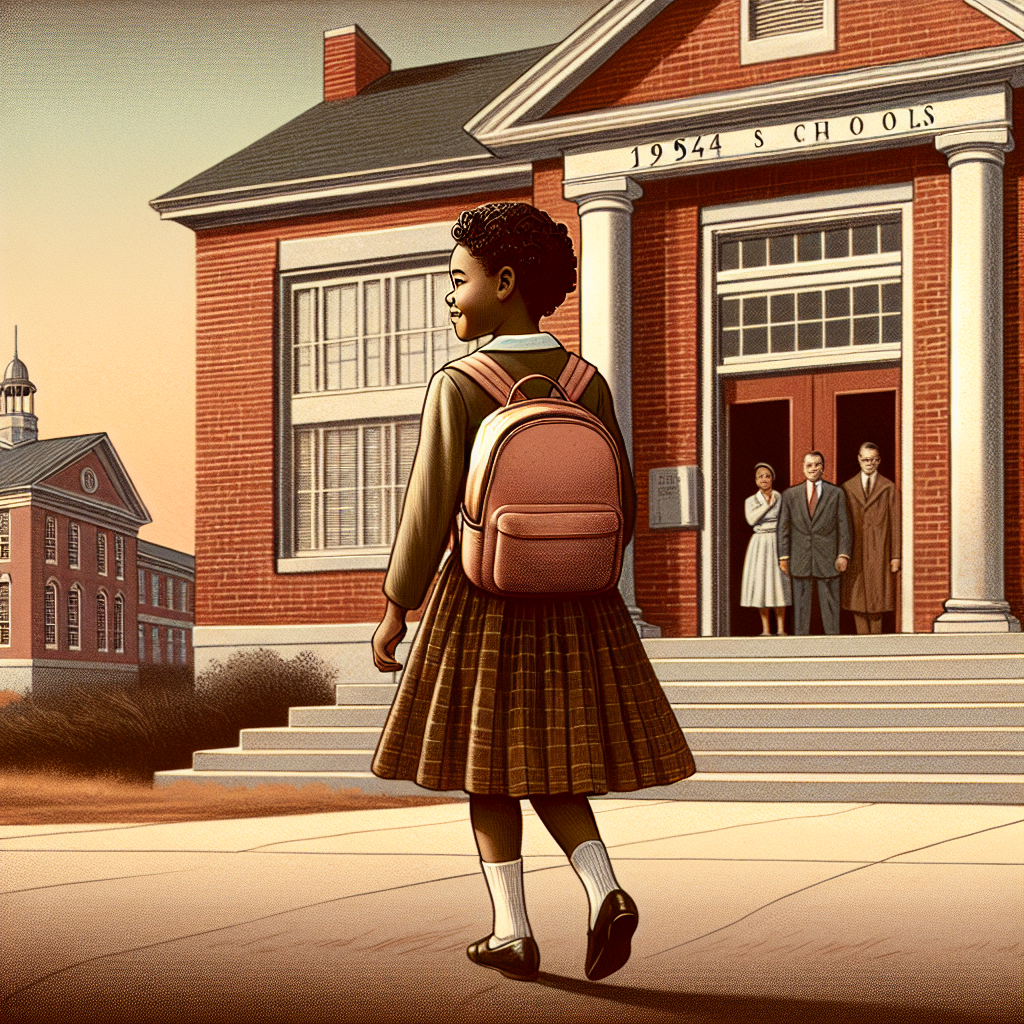
Plessy wasn't merely a railroad case. It became the legal anchor for segregated schools, hospitals, courtrooms, parks, swimming pools, water fountains, and cemeteries across the South and beyond. Every Jim Crow statute passed after 1896 rested on the foundation Plessy laid. When the Supreme Court overturned it in 1954, Chief Justice Earl Warren didn't just declare separate schools unequal — he declared that "separate but equal" was a constitutional fiction that had never been anything else.
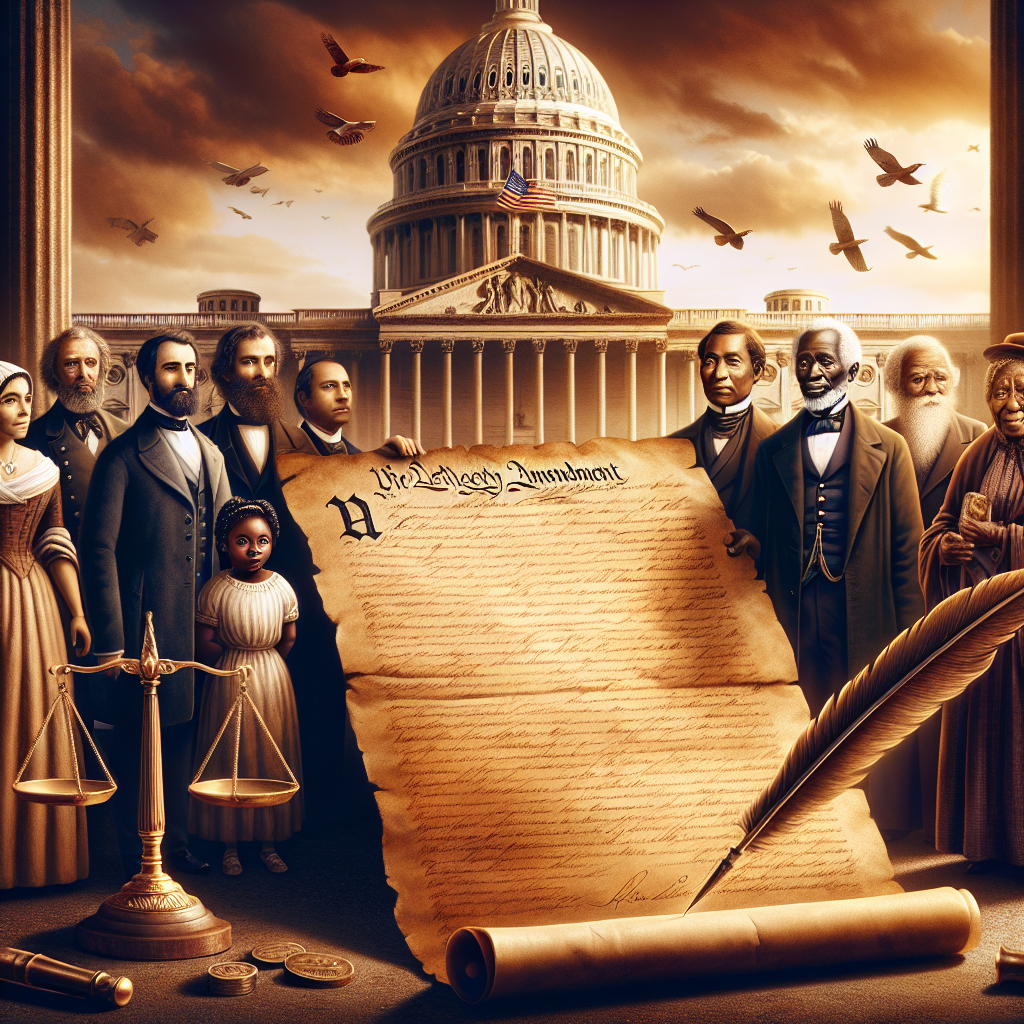
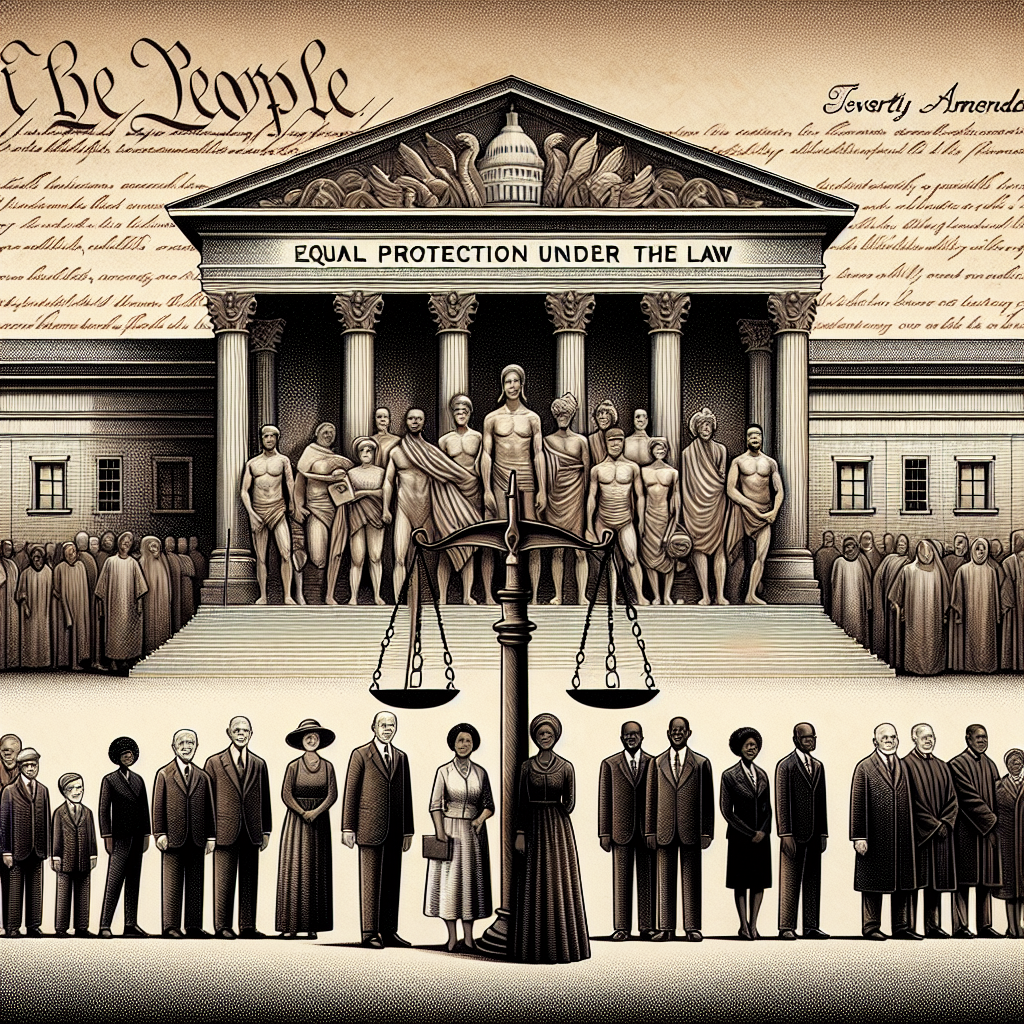
| Decided | May 18, 1896 |
| Court | U.S. Supreme Court |
| Vote | 7–1 (upholding segregation) |
| Majority | Justice Henry Billings Brown |
| Dissent | Justice John Marshall Harlan |
| Overturned by | Brown v. Board of Education (1954) |
| Impact | Constitutional foundation for Jim Crow segregation laws |
| Date | May 18, 1896 |
| Location | Washington, D.C. |