Civil Rights Act of 1866
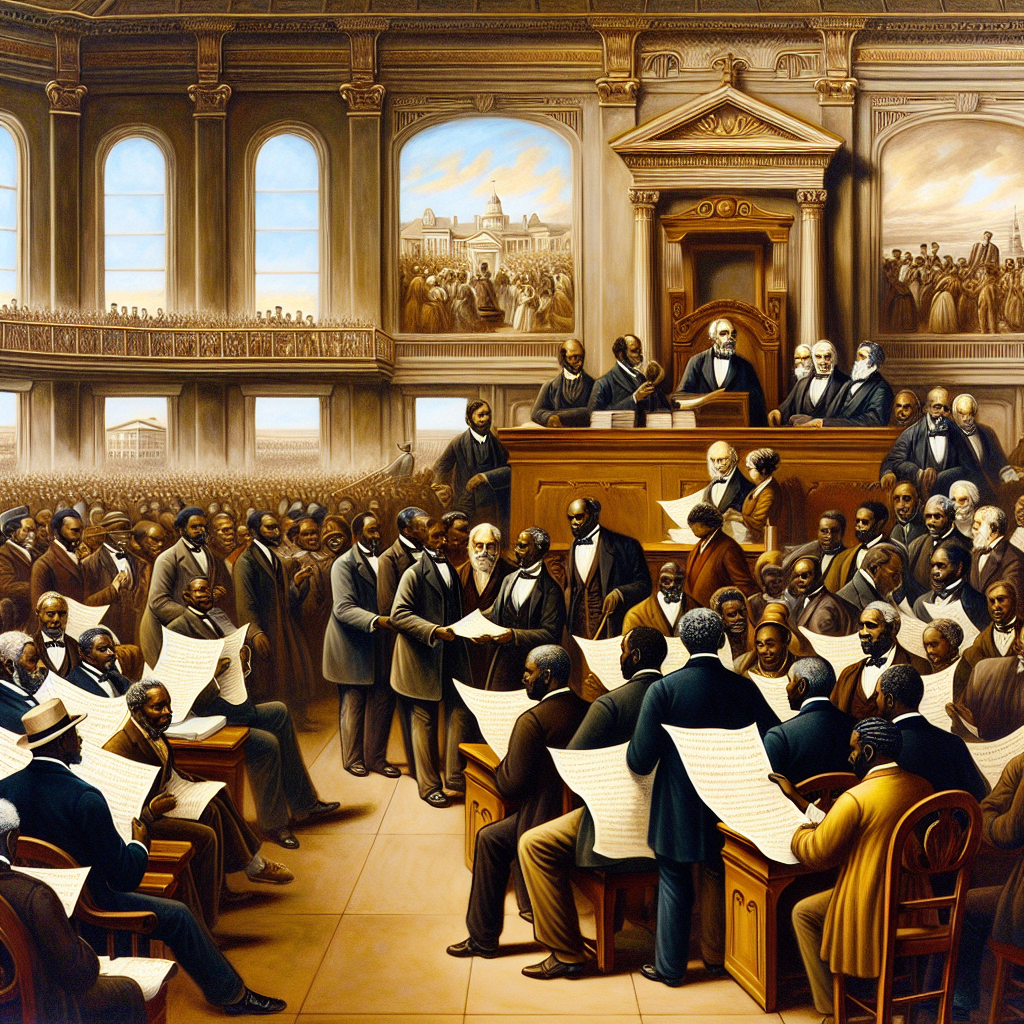
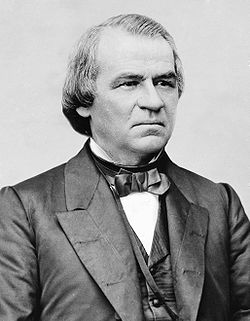
The Civil Rights Act of 1866 was the first federal statute in American history to define citizenship and to assert that all citizens were entitled to equal protection of the law regardless of race or color. Congress passed it over President Andrew Johnson's veto — the first major legislation in American history enacted over a presidential veto — in direct response to the Black Codes that Southern states had enacted in 1865 and 1866 to effectively recreate the conditions of slavery for the four million people the Thirteenth Amendment had freed. The act declared that all persons born in the United States were citizens and were entitled to the same rights as white citizens to make contracts, sue, give evidence, and inherit property.
The act's constitutional foundation was uncertain from the beginning. It rested primarily on the Thirteenth Amendment, but many in Congress doubted whether that amendment alone authorized Congress to define citizenship and legislate civil rights. That uncertainty drove the drafting and ratification of the Fourteenth Amendment in 1868, which incorporated the act's citizenship definition into the Constitution directly and placed it beyond the reach of a future Congress that might seek to repeal it. The Civil Rights Act of 1866 was, in this sense, the prototype that the Fourteenth Amendment was designed to constitutionalize permanently.
The act was largely rendered ineffective within a decade. The Supreme Court's narrow interpretation of the Fourteenth Amendment in the Slaughterhouse Cases (1873) and the Civil Rights Cases (1883), combined with the end of Reconstruction and the withdrawal of federal troops from the South, left Black Americans without meaningful federal protection for nearly a century. The act was reenacted and strengthened in 1870 as part of the Enforcement Acts after doubts arose about its constitutionality, and portions of it remain in force today as 42 U.S.C. § 1981 — still litigated in race discrimination cases.
| Passed | April 9, 1866 — over President Andrew Johnson's veto |
| First in kind | First federal law to define U.S. citizenship |
| Target | Overturned Black Codes enacted by Southern states, 1865–1866 |
| Constitutional basis | Thirteenth Amendment — later reinforced by Fourteenth |
| Prototype for | Fourteenth Amendment (1868) |
| Still in force | Portions codified as 42 U.S.C. § 1981 |
| Vetoed by | President Andrew Johnson — first major veto override in history |
| Date | April 9, 1866 |
| Location | Washington, D.C. |